
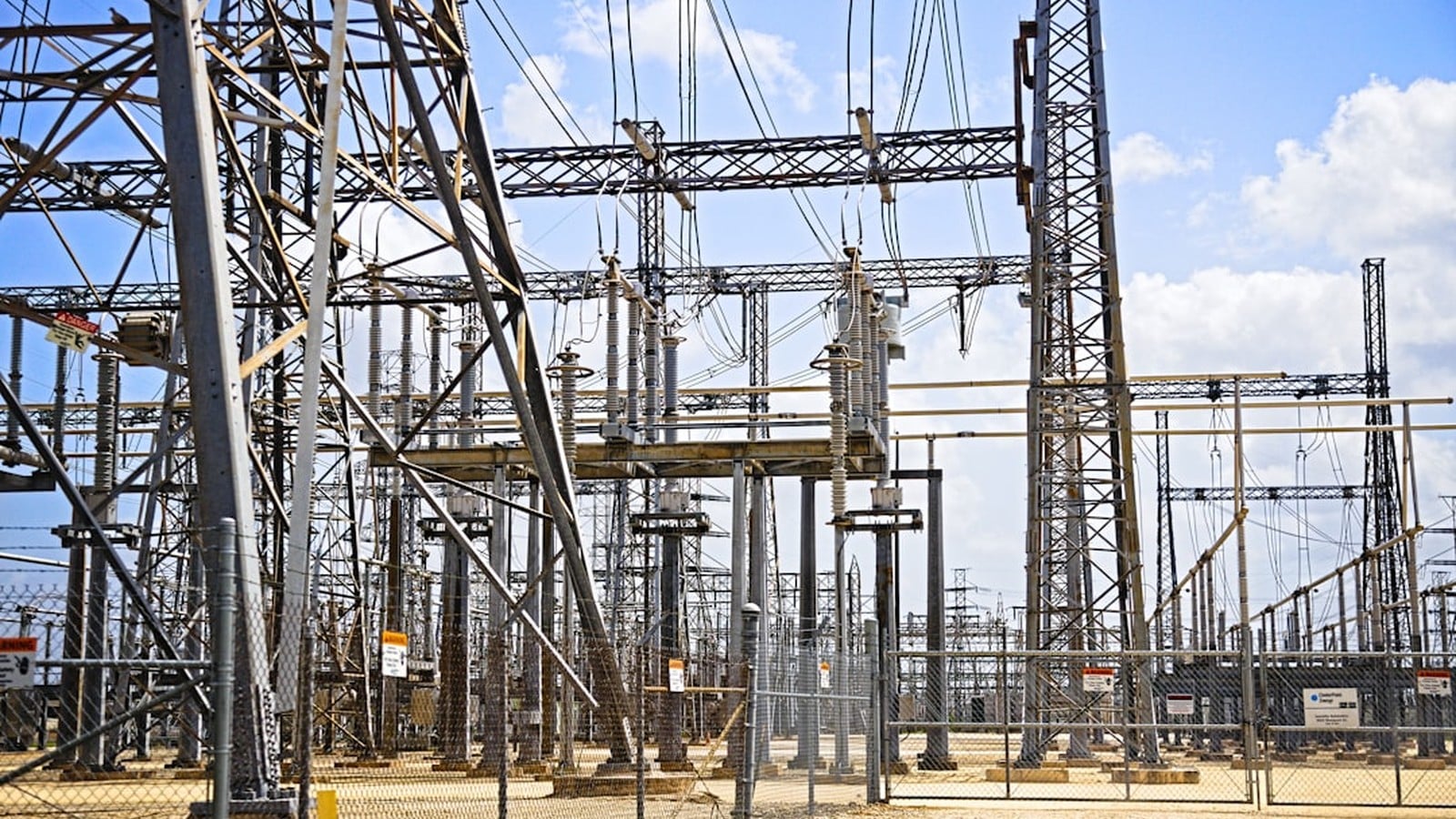
Texas takes pride in fueling the nation's energy needs, being responsible for a staggering one-quarter of the country's domestically produced energy. With such an abundant supply, one might assume that Texans have a straightforward path when it comes to choosing their electricity contracts. Yet, the opposite is often true.
Many homeowners find themselves at crossroads, inundated with choices and decisions to make. Given the state's prominence in the energy sector, the stakes are high to secure an electricity contract that ensures both value and reliability. After all, if Texas leads in energy production, shouldn't its residents also lead in having the best energy deals?
In this article, we aim to simplify the complexities involved when you renew an electricity contract in Texas. Armed with knowledge and insight, you'll be poised to select an electricity contract tailored to your needs and ensure you're neither left in the dark nor feeling the pinch on your finances.
Texas presents a myriad of options for homeowners when it comes to electricity contracts. As the state stands tall in its contributions to the nation's energy, the contract landscape for consumers has evolved in both diversity and complexity.
To start, there are different types of plans homeowners can opt for. Among the most common is the fixed-rate electricity plan. This plan locks in the energy rate for the duration of the contract, offering stability to the consumer.
You won't be caught off guard by any sudden price hikes. But this doesn't mean all fixed rates are equal. Some plans might be best suited for those who consume less energy, while others are designed with higher consumption in mind.
Another component of these contracts revolves around when they expire. Every contract comes with a set duration, and as the contract expires, the homeowner is faced with a decision. Do they renew their current contract, switch to a different plan, or transition to a new provider altogether?
Understanding when your plan expires is critical because timing matters. The best time for contract renewals might depend on factors like seasonal demand, market fluctuations, and emerging energy technologies. This time of year factor can significantly influence the monthly electric bill.
Penalties and costs are also important to consider. For instance, there's the early termination fee that some providers impose if a contract is broken before its end date. These fees can be hefty, and homeowners should be aware of them before making any decision.
Lastly, the world of electricity contracts in Texas isn't limited to just fixed or variable rates. With the state's commitment to renewable energy and innovations in the market, green plans have also emerged to provide eco-conscious consumers with an option that aligns with their values.
Let's imagine it: You've been enjoying consistent electricity rates for a while, and then, out of the blue, your monthly bill skyrockets. What happened? There's a good chance your electricity contract expired without you noticing.
In Texas, when an electricity contract ends and no action is taken, you don't get left in the dark. Your energy keeps flowing, but at a potentially higher cost. This is due to the holdover rate.
It's like an automatic default rate, and it's pegged to the fluctuating market conditions. Because of this unpredictability, it often results in higher electricity bills for consumers.
So, why does this matter? Well, we all like predictability, especially when it comes to bills. The holdover rate doesn't provide this comfort.
Instead of the stable rates you enjoyed during your contract term, you're now subject to the whims of the market. It's not uncommon for Texans to be caught off guard by a sudden spike in their bill because they didn't realize their contract had ended.
There's a solution, though! By being proactive and setting reminders, you can stay ahead of the game. It's like having a friend tap you on the shoulder and say, "Hey, your contract's about to end. Time to make a choice."
With this heads up, you can evaluate your options. Maybe you'll renew with your current provider or perhaps you'll shop around for a new deal. Either way, being informed and prepared keeps you in control.
One last thing: Always be cautious about contracts that have shorter or oddly-numbered terms. These types of contracts can end when electricity demand is at its highest, and as a result, prices soar.
Choosing an electricity plan in Texas feels a bit like picking an ice cream flavor. There are so many options, and while some might seem sweet now, they could leave you with a sour taste later. Let's shed some light on the two main types of plans: fixed-rate and variable-rate.
Starting off with fixed-rate plans, they're the go-to for most Texans. And it's easy to see why.
With a fixed rate electricity plan, you pay the same price for electricity each month. It doesn't matter if the sun's out all summer or if there's a chill in the winter air. Your rate stays the same. For families and individuals who like to plan their budget down to the penny, this is a golden choice.
But there's another side of the coin: variable-rate plans. These plans dance with the rhythm of the market. Sometimes you might pay less, and other times, it could be more.
It's a bit of a gamble, but for those who keep a close eye on their usage and the market, there can be rewards. When rates drop, you save. But remember, when they rise, your bill will too.
Now, let's talk about contract length. Think of it like choosing a lease for an apartment. Some prefer the flexibility of short-term plans.
They're not tying you down, but they can come with a catch. Rates can change, especially during Texas's scorching summers. On the flip side, long-term contracts bring stability.
You lock in a rate for up to 36 months. That's three years of knowing exactly what to expect on your bill. Just be cautious about those pesky early termination fees.
Timing is everything, especially when it comes to renewing your electricity contract. Imagine planting a seed just before a heavy rainstorm or buying an umbrella when the sun is shining bright. It doesn't quite make sense, right? The same logic applies to your electricity contract.
There's a trick to getting the best deal. When you renew matters. Typically, you'd want to steer clear of odd-numbered terms or exceptionally short durations.
Why? They might end when Texas is at its hottest and the demand for electricity is sky-high. High demand often means higher prices. So, if your contract ends during peak periods, you might find yourself shelling out more money.
But don't worry. Renewing your electricity contract doesn't have to feel like dodging raindrops in a storm. With some careful planning and a keen eye on the calendar, you can renew your contract when the demand is low and the prices are favorable.
Now that we've talked about the best time to renew, let's tackle a few potential roadblocks: early termination fees and those sneaky hidden charges.
First up, early termination fees. They're the unwelcome guests at the party.
Let's say you found a better rate elsewhere or maybe you're moving to a new city. If you decide to end your contract before its official end date, you might get hit with a fee. It's like ordering a dessert at a restaurant and finding out it costs more than your main meal.
Nobody likes surprises like that. The key here is to always read the terms of service. Knowing your obligations and the costs of breaking them can save you from unwanted shocks.
Then there are those hidden charges. Think of them as the small print on a huge billboard. They're easy to miss if you're not looking closely.
Maybe it's a fee for producing and distributing electricity or perhaps it's a surcharge you weren't expecting. These can add up and suddenly, your bill isn't looking as friendly as before.
So, how do you avoid these pitfalls? Simple. Be a detective. Scrutinize your contract. Look for words like "fees," "surcharges," or "additional costs."
Ask questions. Call your provider and get clarity on anything that seems vague. Remember, you're the customer, and you have the right to know exactly what you're paying for.
Navigating the world of electricity contracts might seem daunting, but with the right insights, you can power your home with the best options available. It requires diligence to renew an electricity contract in Texas, but it's an opportunity to optimize costs and align with a provider that values customer satisfaction.
If you're on the lookout for flexible plans and exceptional customer service, consider Ambit Energy. From award-winning plans to unparalleled flexibility, we stand ready to energize your home. Explore our contract-free energy plans today and step into a brighter, empowered future.













Copyright © 2026 VIPEnergyService.com. All rights reserved | PUCT# 10117