
For Texas homeowners and small businesses shopping electricity plans, here is the fast answer: a typical Texas home uses about 50 to 65 kWh per day in summer, up from the yearly average of roughly 36 kWh per day. In the hottest weeks of July and August, a 2,000 square foot home in Houston or Dallas can push past 70 kWh per day, and central air conditioning drives most of that jump.
The average Texas home uses roughly 50 to 65 kWh per day during the summer months. That is a big jump from the year-round Texas average of about 36 kWh per day, and it is well above the U.S. household average of about 28.5 kWh per day.
According to the U.S. Energy Information Administration (2024), the average Texas home used 1,096 kWh per month, which works out to roughly 36 kWh per day on an annualized basis. According to the same EIA dataset (2024), the U.S. residential average was 865 kWh per month, or about 28.5 kWh per day. Texas residents use about 27 percent more electricity than the national household average.
In summer, that Texas baseline rises sharply. Industry data compiled by BKV Energy (2026), citing the City of Austin's Residential Average Monthly kWh dataset, shows Austin summer residential usage frequently exceeds 1,200 kWh per month, while winter usage can fall to about 700 kWh per month. On a daily view, that summer number pencils out to roughly 40 to 50 kWh per day for a mid-size Austin home and 50 to 65+ kWh per day for a larger Houston or Dallas home with heavy air conditioning load.
Summer daily use in Texas is typically 60 to 100 percent higher than shoulder-season use. That is a fair rule of thumb across most of the state, and it is why summer bills feel like a different animal entirely.
According to data published by BKV Energy (2026), a typical Texas home uses about 1,750 to 1,900 kWh in August compared with roughly 600 kWh in February. Turn that into a daily view and you get about 56 to 61 kWh per day in August versus about 21 kWh per day in February. That is nearly a 3x difference from the coldest month to the hottest.
Put another way, according to industry usage analyses summarized by BKV Energy and Choose Texas Power (2026), the 4 summer months (June, July, August, September) can account for more than half of a Texas home's annual electricity consumption. That single fact should shape how you think about plan selection, thermostat behavior, and any efficiency upgrade.

Daily kWh use in summer scales with square footage, insulation quality, and the number of AC tons your system carries. A rough Texas rule of thumb runs from about 25 kWh per day for a small apartment to 90+ kWh per day for a large, older home.
The table below shows a working range for a typical Texas home in July or August. Actual numbers vary with insulation, ceiling height, thermostat setpoint, occupancy, pool pumps, EV charging, and plan type.
| Home size | Typical monthly summer kWh | Typical daily summer kWh | Notes |
|---|---|---|---|
| 1 bedroom apartment | 700 to 900 kWh | 23 to 30 kWh | 1 to 1.5 ton AC |
| 2 bedroom apartment | 900 to 1,200 kWh | 30 to 40 kWh | 2 ton AC |
| 1,500 sq ft home | 1,300 to 1,700 kWh | 43 to 57 kWh | 2.5 to 3 ton AC |
| 2,000 sq ft home | 1,600 to 2,100 kWh | 53 to 70 kWh | 3 to 4 ton AC |
| 3,000 sq ft home | 2,100 to 2,800 kWh | 70 to 93 kWh | 4 to 5 ton AC |
| 4,000+ sq ft home | 2,800 to 3,500+ kWh | 93 to 117+ kWh | 5+ ton AC, often 2 systems |
According to BKV Energy (2026), a 2,000 square foot home tracks close to 0.504 kWh per square foot per month on an annual average, so summer months land well above that ratio. If your current daily kWh is far above the range for your square footage, insulation and thermostat behavior are usually the first suspects.
The main culprit is air conditioning, and it is not close. In a Texas summer, cooling can account for the majority of your day's electricity, and the state's climate keeps that load running late into the evening.
According to the U.S. Energy Information Administration (Today in Energy), air conditioning accounts for about 27 percent of home electricity use across an average U.S. year. In Texas, industry usage analyses summarized by BKV Energy (2026) put the summer share of AC at roughly 50 to 60 percent of a Texas household's electricity in July and August. Jupitair HVAC (2025) reports the same range for North Texas homes: AC often uses more than half of total household electricity in the hottest months.
According to central AC load estimates cited by Texas Electricity Ratings (2023), a typical Texas central air conditioning system draws about 3 kWh per hour of active runtime, while a ceiling fan uses about 0.075 kWh per hour. In a hot week, a Texas central AC can easily rack up 20 to 30 kWh in a single day, which is more than an entire small apartment consumes.
The second big factor is home size. According to the U.S. Energy Information Administration Residential Energy Consumption Survey, Texas has one of the largest average home sizes in the country. Bigger homes carry more cooling load, more standby appliance draw, and more lighting.

Daily summer kWh varies by climate zone, home size mix, and utility territory. Houston homes usually top the state on daily summer kWh; Dallas and San Antonio sit in the mid-range; Austin trends slightly lower on average because of a milder climate profile and a different housing mix.
The table below is a working city view, based on published city-level usage data and industry usage analyses. Use it as a starting point, not a personal target.
| City | Typical summer month kWh | Typical summer day kWh | Primary utility |
|---|---|---|---|
| Houston | 1,300 to 1,900 kWh | 43 to 63 kWh | CenterPoint Energy |
| Dallas | 900 to 1,600 kWh | 30 to 53 kWh | Oncor |
| Fort Worth | 900 to 1,600 kWh | 30 to 53 kWh | Oncor |
| Austin | 1,200 to 1,800 kWh | 40 to 60 kWh | Austin Energy (municipal) |
| San Antonio | 1,200 to 1,800 kWh | 40 to 60 kWh | CPS Energy (municipal) |
| Corpus Christi | 1,100 to 1,700 kWh | 37 to 57 kWh | AEP Texas Central |
According to the City of Austin's Residential Average Monthly kWh dataset (updated 2026), Austin residential use frequently exceeds 1,200 kWh per month in the peak summer window, versus about 700 kWh in the cooler months. Houston, with a hotter, more humid summer profile, typically runs higher on a daily basis.
Note that Austin Energy and CPS Energy are municipal utilities, not ERCOT retail providers, so their customers do not shop plans the same way ERCOT-market customers in Houston and Dallas do.
ERCOT peak hours run from about 3 pm to 7 pm during summer, and that is when your household load, the grid load, and the price of wholesale power all peak together. Shifting even a few kWh out of that window can meaningfully lower your daily kWh cost and your risk on variable-rate plans.
According to the Electric Reliability Council of Texas (ERCOT) 2026 Summer Weather and Operations Outlook, the grid regularly sees its highest demand between mid-afternoon and early evening in July and August. In prior summers, ERCOT set multiple new all-time peak-demand records above 85,000 MW, driven largely by residential cooling load, per ERCOT's peak-demand records page.
For a Texas home with a 3 to 4 ton central AC and typical evening cooking and laundry patterns, 3 to 7 pm can easily represent 8 to 14 kWh of the day's total usage. That is roughly a quarter of a summer day's kWh concentrated into 4 hours. If you are on a Time-of-Use or Free Nights plan, when you use those kWh matters as much as how many you use.
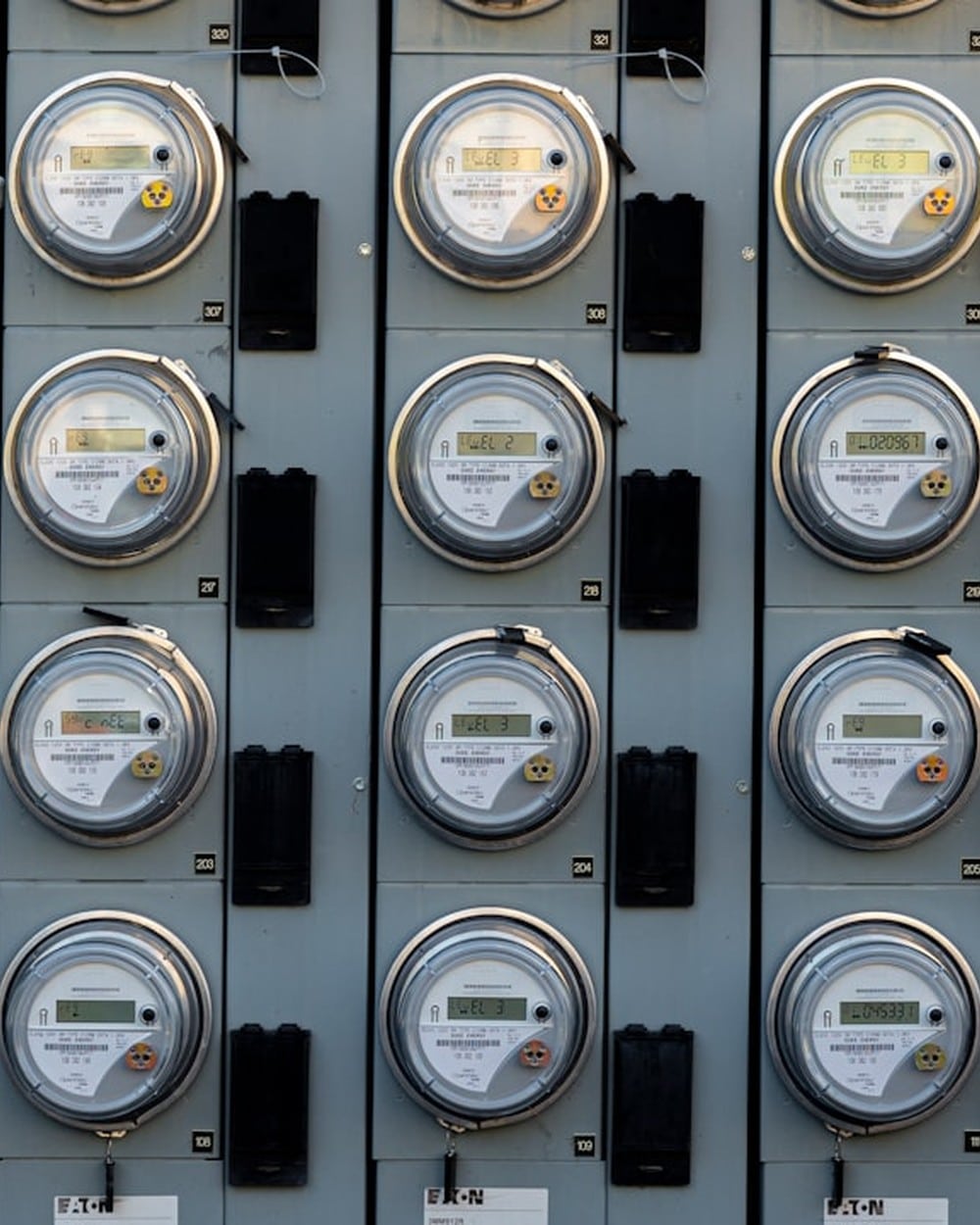
Here is a 6-point diagnostic I use to answer the question every Texas homeowner asks in July: is my daily summer kWh number normal, or am I paying too much? Score yourself on each, then use the plan-fit section below.
If you fail 3 or more of these, your home is almost certainly leaving real money on the table each summer. The next section covers what to do about it.
You cannot un-invent August, but you can move your daily kWh down by 15 to 30 percent with a mix of thermostat behavior, small upgrades, and better plan fit. According to Energy Star and Jupitair HVAC (2025), the biggest single-day levers are thermostat setpoint, AC maintenance, and evening load shifting.
For a deeper walk-through of the plan-fit angle, my Ambit team also published a guide on smart thermostats in Texas and how they stack with storage and Free Nights plans.
If your summer daily kWh is well above the state average, plan selection is often the highest-return decision you can make in a month. Plan pricing tiers, high-usage bill credits, and Time-of-Use structures are all built around the exact kWh curve you actually run.
Three plan structures usually work best for a high-summer-usage Texas home:
I built my Ambit Energy plan lineup around exactly those three shapes. Read about fixed-rate vs variable-rate electricity in Texas and which is right for you, or run our Free Nights plan calculator if your daily kWh is heavy on nights and weekends. For a broader tour of plan types, see Texas electricity plans explained: how to pick the right rate plan in 2026. If you want to compare that to a monthly flex option, see no-contract, month-to-month electricity in Texas and how Lone Star Flex works.
Rates and plan terms are current as of July 2026. Plan details vary, an Electricity Facts Label (EFL) is available for every plan, and enrollment is subject to credit approval. Actual savings depend on your usage, weather, and plan selection.
Is 50 kWh a day too high for a Texas summer?
No, 50 kWh per day is right in the typical range for a mid-size Texas home in July or August. Above about 70 kWh per day for a 2,000 sq ft home usually means the AC is running longer than it should, insulation is weak, or the plan is not matched to the load.
How many kWh does central AC use per day in Texas?
A typical Texas central AC pulls about 3 kWh per hour of active runtime, per estimates cited by Texas Electricity Ratings (2023). In a hot week that easily adds up to 20 to 30 kWh per day of AC alone, which is why cooling drives about half of a summer bill.
Why does my Texas electric bill spike in August?
August is the peak month for Texas residential electricity use because outdoor temperatures stay high overnight, so the AC never fully rests. Industry usage data compiled by BKV Energy (2026) shows a typical Texas home hits 1,750 to 1,900 kWh in August versus about 600 kWh in February.
How many kWh per day should a 2,000 sq ft Texas home use in summer?
Roughly 53 to 70 kWh per day in July and August. That range covers most 3 to 4 ton central AC setups. Consistent use above about 90 kWh per day for a 2,000 sq ft home is a signal to check insulation, ductwork, and thermostat behavior.
Do Free Nights plans lower my daily kWh cost?
Free Nights plans do not lower the number of kWh your home uses, but they can substantially lower what you pay per kWh on the overnight window. If you can shift laundry, dishwashing, EV charging, and pre-cooling into free-nights hours, the effective daily cost per kWh drops sharply, subject to the day-rate premium disclosed in the plan's EFL.
When are ERCOT peak hours in Texas?
ERCOT peak demand hours run from about 3 pm to 7 pm on hot summer weekdays. Per the ERCOT 2026 Summer Weather and Operations Outlook, that window is when both grid demand and wholesale power prices are highest.
This article is written for Texas homeowners and small businesses shopping electricity plans in the Ambit Brand (household) audience. Ambit Energy Consultants operate as independent contractors under a Statement of Independent Contractor. Earnings vary based on effort, market conditions, and other factors, and no specific income is guaranteed. This article is for general information only and does not constitute financial advice.








Copyright © 2026 VIPEnergyService.com. All rights reserved | PUCT# 10117