
If you are in a deregulated ZIP code, the most important decision you will make regarding pricing electricity in Texas is choosing fixed or variable rates. That one decision drives whether your July bill is an average line item or a $600 surprise, whether you are locked in for two years, and whether a heat wave can quietly double your rate overnight. This guide walks you through both plan types and all the associated numbers. It also provides a five-question decision framework called the Texas Rate Reality Check so you can stop making guesses and pick the plan that best fits your needs.
For most Texas households, a fixed-rate electricity plan is the safer, cheaper long-term choice. Fixed rates protect you from ERCOT price swings by locking in your energy charge per kilowatt-hour for the whole contract. Prices in the wholesale market can jump from $20 to $5,000 per megawatt-hour in less than a few hours (Elite Energy Consultants, citing ERCOT market data). In milder months, variable rates can be cheaper, but you take on all the market risk yourself, and Texas has already had two large lessons about why that matters. The two lessons are Winter Storm Uri in February 2021 (a U.S. Energy Information Administration report states that average residential bills increased about 17 percent that month) and the August 2023 heat wave (Business Insider reported that prices spiked to $4,750 per megawatt-hour on August 18, a 6,000 percent increase). If you want to keep your bills predictable by staying for a year or more, fixed wins. If you want to know when variable makes sense, keep reading.
In Texas, fixed electricity rate plans keep the energy charge on your Electricity Facts Label (EFL) at a constant rate per kilowatt-hour for the entire term of the contract, whether you choose six months, twelve months, twenty-four months, or thirty-six months. Some providers also offer 3-month and 6-month options.
Here are three things to consider when understanding how the lock actually works.
As of mid-2026, fixed-rate energy plans in the Oncor DFW area are roughly 7.3 to 16.6 cents per kilowatt-hour, while CenterPoint Houston plans are between 6.6 and 19.4 cents per kilowatt-hour, with the Texas statewide average around 13.5 cents per kilowatt-hour. Plan details and rates are subject to change; the Energy Facts Label available for each plan is the authoritative source. For a deeper breakdown of what drives your bill, see Electricity Prices per kWh: Top FAQs Answered.
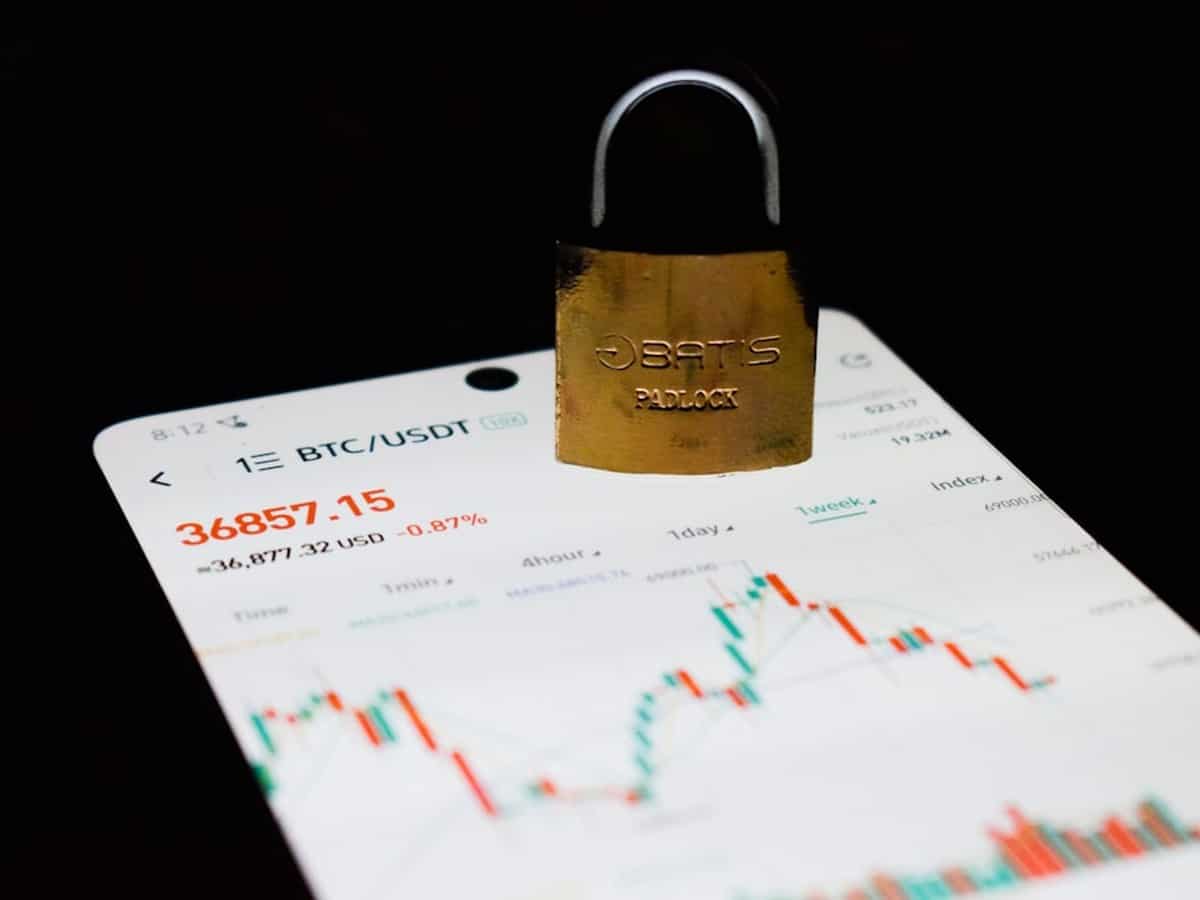
Variable rate electricity Texas plans are month-to-month contracts. Each month, your energy price resets based on wholesale ERCOT prices, weather, and the retail provider's hedging costs. In this arrangement you have no contract, no ETF, and you can leave when you want, but you absorb the market risk yourself.
In Texas, variable rates typically sit between 11.9 and 14.1 cents per kilowatt-hour in calm months. However, that is a monthly snapshot, not a monthly promise. There are three things variable plans do not protect you from:
In certain situations a variable plan can be beneficial, but for most Texas households the risk-adjusted math favors a fixed plan. See Texas TDU Delivery Charges June 2026 for a real example of what shows up on both plan types.
The numbers show this pattern. In a calm month with usage of 1,094 to 1,194 kilowatt-hours (roughly the Texas statewide residential average) at 12 cents per kilowatt-hour, the energy charge before TDU fees looks nearly identical on a fixed plan and a variable plan, about $131 to $143. In a spike month, the story changes. That same house would incur an energy charge of $218 to $239 if the variable plan resets to 20 cents per kilowatt-hour because ERCOT prices tightened. Any gap of $80 to $100 per month, multiplied by two or three summer months a year, is the risk premium you are pricing into your decision.
"Electricity demand is rising, and Texas is about to find out which energy technologies and policies can keep pace," Michael Webber, professor at the University of Texas Energy Institute, told Texas Energy and Power in March 2026. Rising demand does not benefit consumers on month-to-month power. It benefits the provider that can reset the rate.

The usual fixed-versus-variable conversation gets stuck on "fixed is stable, variable is flexible." That is true and not the most helpful comparison. Answer these five questions in order to find the plan that fits you best.
Question 1: How long will I live at this address?
If your answer is under six months (a summer sublet, a short-term relocation, a house sale in progress), a variable plan is a legitimate choice because you avoid the ETF risk. For anyone in the one year or longer category, a fixed plan almost always wins because you get to lock in today's rate for the whole horizon.
Question 2: What is my monthly kilowatt-hour usage?
Pull the last 12 months from your current bill or your provider's online portal. If your average is above 1,300 kilowatt-hours per month (which is the norm for the CenterPoint Houston area), your dollar exposure to a variable-rate spike is larger. High-use households benefit the most from fixed. Low-use households (under 800 kilowatt-hours) have less exposure and a little more room to experiment with a variable plan.
Question 3: What is my risk tolerance for one $600 bill month?
Be honest. If the thought of a $600 August bill would force you to move money from another line item in the family budget, a variable plan is not the plan for you. Fixed rate energy plans exist specifically to make that scenario impossible.
Question 4: Do I have 30-day flexibility to switch providers if the price moves?
Variable plans reward customers who actually check Power to Choose every month and jump when a better rate appears. If you will not check, you will not switch, and you will pay whatever the provider decides. Go with a fixed plan and revisit at renewal.
Question 5: Am I inside the ERCOT deregulated grid or a municipal utility (MOU)?
About 85 percent of Texans live inside the deregulated ERCOT market and can shop rates freely. If your ZIP code is served by a municipal utility like Austin Energy, CPS Energy in San Antonio, or a cooperative, the fixed-versus-variable choice does not apply the same way and Ambit Energy cannot offer you a plan in that territory.
Score your five answers. If four or five point to fixed, that is your answer. If three or more point to variable, run the numbers on a specific plan before signing anything. Compare full plan structures in Texas Electricity Plans Explained.
There are only three scenarios in which choosing a variable rate electricity Texas plan is a good idea:
If none of those describe you, fixed is almost certainly the better plan.

The most common error in Texas electricity plan shopping is looking at the advertised rate and ignoring the fine print. Before you enroll, check these five items on the EFL:
Thomas Gleeson, Chairman of the Public Utility Commission of Texas, told the Express-News in May 2025 that a top priority of his office was "reinstilling the public's faith in the PUC." The EFL is the single document the PUCT requires every provider to give you before enrollment. Read it.
Texas is a deregulated retail market, which means providers compete not just on rate but on plan structure. After you have chosen fixed or variable, you can layer on:
Layer these on top of the fixed-versus-variable choice, not instead of it.
Pull one EFL for a fixed 12-month plan in your ZIP code and one EFL for a month-to-month variable plan in your ZIP code. Run each through the five-question Texas Rate Reality Check. If your answers point to fixed, lock it in before the next ERCOT summer tightness cycle. If they point to variable, set a monthly calendar reminder to reshop rates. Ambit Energy has served Texas households since 2006 and can walk you through both options in the deregulated portion of your ZIP.
Is a fixed or variable electricity plan better in Texas?
For most Texas households on a horizon of a year or more, fixed is better because it insulates you from ERCOT wholesale price spikes like the Winter Storm Uri event in February 2021 and the August 2023 heat wave. Variable makes sense for short-term residents or households actively monitoring the market.
How much can a variable electricity rate change in Texas in one month?
There is no cap under a standard variable plan. Historically, rates have moved from roughly 12 cents per kilowatt-hour to more than 20 cents per kilowatt-hour in a single billing cycle during summer demand spikes. Wholesale ERCOT prices themselves have swung from about $20 per megawatt-hour to $5,000 per megawatt-hour within hours during extreme weather.
Can my fixed rate really change during the contract?
Only the pass-through charges. The energy charge you signed for stays locked. TDU delivery charges (Oncor, CenterPoint, AEP, TNMP) can change if the PUCT approves a rate case, and ERCOT administrative fees can move. Your Electricity Facts Label documents which charges can move and which are locked.
Plan details and rates subject to change. Energy Facts Label available for each active plan and is the authoritative source for pricing, terms, and fees. Subject to credit approval. Visit ambitenergy.com for current plans and terms in your ZIP code.
Statement of Independent Contractor: Ambit Energy is a home-based business opportunity sold through independent consultants. Earnings vary and are not guaranteed. Average earnings and the full Income Disclosure Statement are published by Ambit Energy annually and are available on request.














Copyright © 2026 VIPEnergyService.com. All rights reserved | PUCT# 10117