
TDU delivery charges are the pass-through fees your local Transmission and Distribution Utility (Oncor, CenterPoint, AEP Texas Central, AEP Texas North, TNMP, or Lubbock Power & Light) collects to move electricity from power plants across the wires to your meter. According to Constellation (2026), TDU rates are set by the Public Utility Commission of Texas (PUCT), and retail providers are legally required to bill them without any markup. On a typical 1,000 kWh Texas bill, TDU charges usually run about 35 to 45 percent of the total.
TDU delivery charges are the fixed monthly fee and per-kilowatt-hour fee your Transmission and Distribution Utility charges the retail provider to physically deliver electricity to your address. According to TXU Energy (2026), the TDU is the company that maintains the poles, wires, substations, and meter in your area, and the utility is responsible for restoring power after an outage.
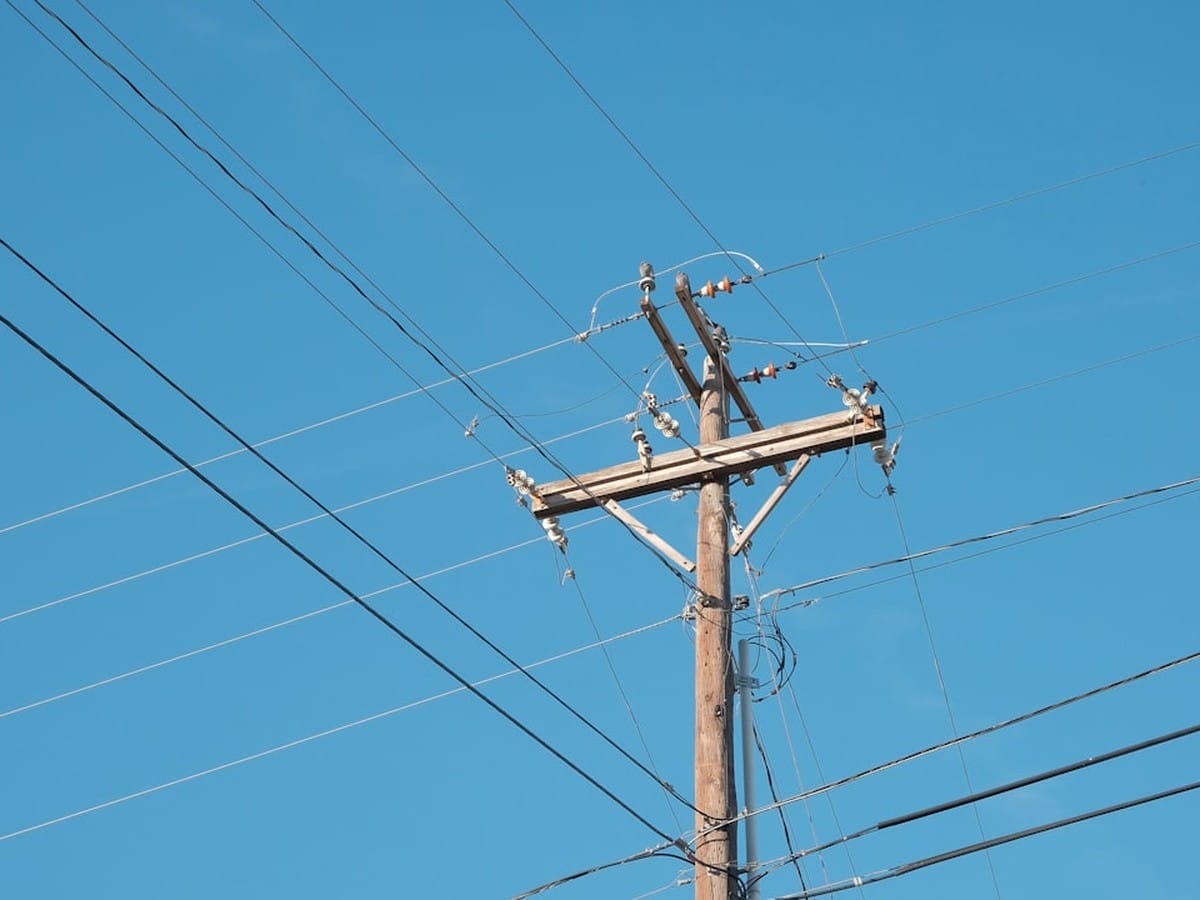
The deregulated Texas market splits your electric service into three parts. Generation companies produce the electricity at power plants, wind farms, and solar sites. Transmission and Distribution Utilities own and maintain the physical grid. Retail Electric Providers (like Ambit Energy) buy wholesale power, package it into a plan, and bill you. According to Constellation (2026), the REP is legally required to add the TDU charge to your bill without markup, which is why these fees are called "pass-through" charges.
The important consumer point for Texas households and small businesses: neither Ambit nor any other REP profits from the delivery line item on your bill. That money flows straight to the TDU that keeps the wires up in your neighborhood.
Your TDU is determined entirely by your service address, not by the retail provider you pick. According to Quick Electricity (2026), the six major Texas utility zones are Oncor, CenterPoint, TNMP, AEP Central, AEP North, and Lubbock Power & Light. Five of the six sit inside the competitive deregulated market that lets you shop for a REP.
Here is where each one delivers power (rates as of June 1, 2026):
| TDU | Cities and Regions Served | Fixed Monthly Charge | Per-kWh Charge |
|---|---|---|---|
| Oncor | Dallas, Fort Worth, DFW Metroplex | $4.06 | 6.1196 cents |
| CenterPoint | Houston metro and surrounding areas | $4.90 | 5.1461 cents |
| AEP Texas Central | Corpus Christi, McAllen, South Texas | $3.24 | 5.8272 cents |
| AEP Texas North | Abilene, San Angelo, West Texas | $3.24 | 5.6677 cents |
| TNMP | Lewisville, Texas City, Fort Stockton, scattered areas | $7.85 | 6.4665 cents |
| Lubbock Power & Light | Lubbock city grid region | $0.00 | 6.312 cents |
Sources: BKV Energy (2026), Quick Electricity (2026), rates as of June 1, 2026.
According to ElectricRates.org (2026), Oncor alone serves more than 10 million customers across the DFW area and much of North and East Texas, making it by far the largest TDU in the state. If you live in Austin, San Antonio, or another city served by a municipal utility, you are outside the deregulated market entirely and cannot shop REPs.
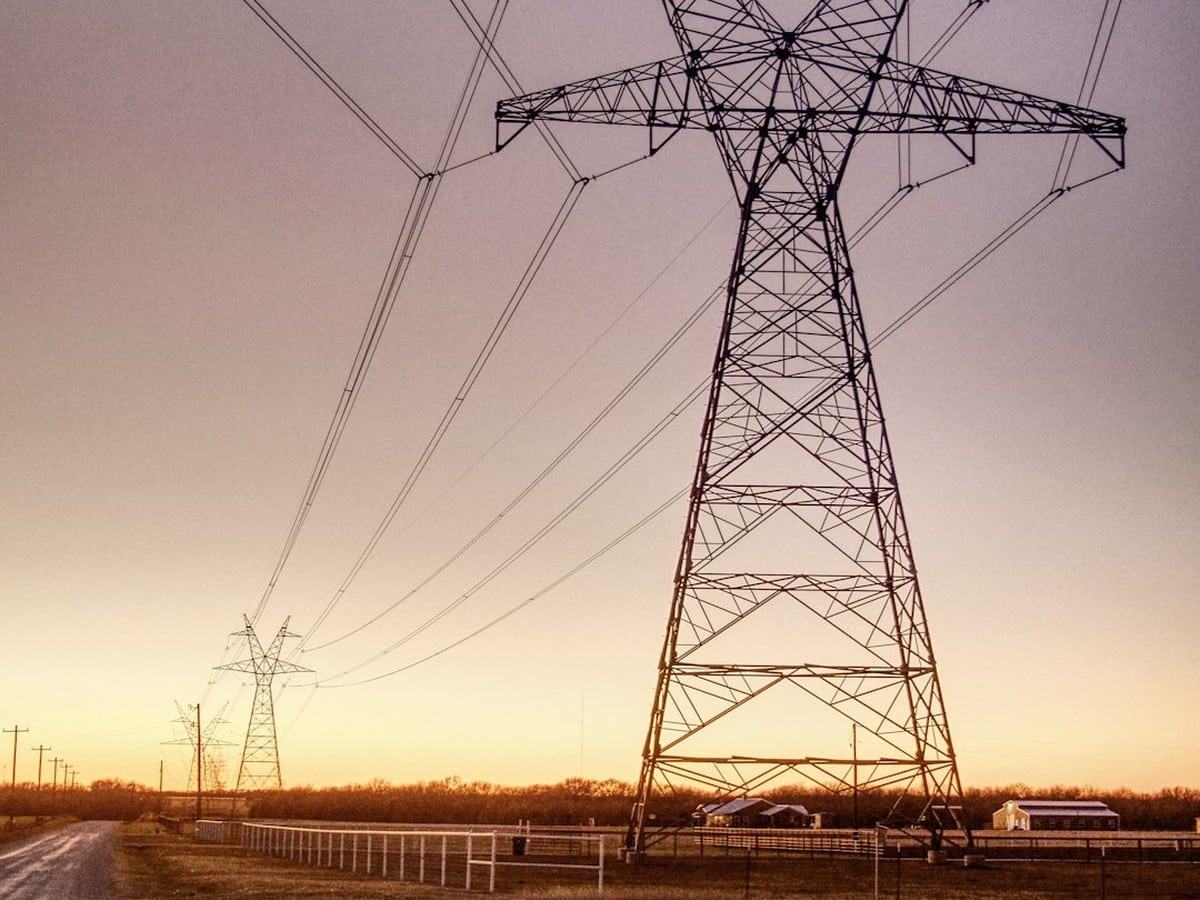
As of June 1, 2026, all five deregulated Texas TDUs updated their delivery rates after PUCT approval. According to BKV Energy (2026), Oncor rose from 5.6183 cents/kWh in the earlier May 18 rate sheet to 6.1196 cents/kWh on June 1, while the monthly fixed charge actually dropped from $4.23 to $4.06. CenterPoint moved the other direction on the volumetric side: from 4.9715 cents/kWh in May to 5.1461 cents/kWh in June, with the monthly charge holding at $4.90.
AEP Texas Central, AEP Texas North, and TNMP held their rates steady across the same window, according to TXU Energy's May 18, 2026 rate sheet compared to BKV Energy's June 1, 2026 numbers. AEP Central stayed at $3.24 plus 5.8272 cents, AEP North at $3.24 plus 5.6677 cents, and TNMP at $7.85 plus 6.4665 cents.
The bigger story for Oncor customers: according to Oncor (2026), the PUCT approved a comprehensive base-rate case (Docket 58306) on April 17, 2026, driving a typical residential bill about 3 percent higher after all components are combined. The Dallas Morning News (2026) reported that the approved rate hike will directly raise customer bills across the DFW area.
Your TDU delivery charge is the monthly fixed fee plus the per-kilowatt-hour rate multiplied by every kWh you used. According to Constellation (2026), the PUCT considers four main cost factors when it sets each utility's rate: the Transmission Cost Recovery Factor (building and maintaining transmission lines), the Energy Efficiency Cost Recovery Factor (covering conservation programs), the Accumulated Deferred Federal Income Tax Credit (adjusting for timing differences on tax collection), and Transition Charges (legacy costs from moving to a competitive market in 2002).
For a plain example, take AEP Texas Central at 5.8272 cents/kWh (as of June 1, 2026). If you use 1,200 kWh in a month, the volumetric TDU charge is 1,200 x $0.058272, which is $69.93, plus the $3.24 fixed monthly charge, for a total delivery bill of $73.17. Your retail provider then bills you the energy supply portion on top of that, adds any state and city taxes, and prints it all on the same statement.
TDU delivery charges are typically not subject to Texas state sales tax when applied to residential accounts, though some special assessments and municipal fees do show up on the same line depending on your city.
At 1,000 kWh per month (roughly the state average residential usage), here is how the same-size Texas home pays very different total bills depending on which TDU serves it (all rates as of June 1, 2026):
| TDU | Fixed Charge | Volumetric (1,000 kWh) | Total TDU Delivery |
|---|---|---|---|
| Oncor | $4.06 | $61.20 | $65.26 |
| CenterPoint | $4.90 | $51.46 | $56.36 |
| AEP Texas Central | $3.24 | $58.27 | $61.51 |
| AEP Texas North | $3.24 | $56.68 | $59.92 |
| TNMP | $7.85 | $64.67 | $72.52 |

According to Quick Electricity (2026), a realistic Oncor customer paying 10.695 cents/kWh for supply on a 1,000 kWh bill ends up at $172.21 total: $106.95 to the REP for energy, $65.26 to Oncor for delivery, and about $4.06 in the fixed monthly base. That works out to an all-in rate near 17.2 cents/kWh, with the TDU accounting for roughly 38 percent of the total bill.
The percentages shift with usage. A home using only 500 kWh pays a bigger share of the bill to the fixed monthly TDU charge; a home using 2,500 kWh pays a smaller share to fixed and a bigger share to the volumetric rate. According to ElectricRates.org (2026), the statewide TDU-related portion of a typical residential bill lands between 40 and 46 percent when you add fixed and variable components together. For a broader look at how the pieces add up, see our guide to the average Texas electricity bill.
The PUCT resets Texas TDU rates on March 1 and September 1 every year to reflect changes in fuel prices, grid investment, and interim rate adjustments the utilities file. According to Constellation (2026), these bi-annual reviews let the regulator adjust delivery pricing without waiting for a full multi-year base-rate case. When your fixed-rate energy plan bill suddenly moves up or down, the delivery line is almost always where to look first. Our earlier reporting on the June 2026 TDU delivery-charge change walks through what showed up on Texas summer bills.
The bigger, less frequent adjustments come through comprehensive base-rate cases. Oncor filed its most recent case on January 29, 2026 (Docket 58306), and the PUCT approved a final order on April 17, 2026, according to Oncor's official rate case page (2026). CenterPoint has been just as active. According to Click2Houston (2026), CenterPoint filed 10 separate rate requests with the PUC starting in 2025, and nine of them were approved, contributing to the June 2026 CenterPoint volumetric increase.
The demand growth behind these cases is real. ERCOT President and CEO Pablo Vegas has spoken publicly about the pressure new data centers and load growth are putting on the grid, per The Texas Tribune (2025). Joshua Rhodes, a research scientist at the University of Texas at Austin, has cautioned that some of ERCOT's demand forecasts may be aggressive, per the same Tribune reporting. And Doug Lewin, founder of Stoic Energy, has repeatedly criticized ERCOT's forecasting assumptions in the same coverage. Whether or not the growth projections are correct, the TDU capital plans (Oncor announced a $47.5 billion 2026-2030 base capital plan, per Oncor 2026) are already reshaping the delivery rate outlook.
Yes, TDU delivery charges apply during "free" hours on a free-nights or free-weekends plan. The energy supply portion is what the REP zeroes out during the promotional window; the delivery pass-through keeps ticking regardless of the plan type.
For a household running the dishwasher, laundry, and EV charging on an Oncor free-nights plan, the meter still logs every kWh, and Oncor still bills the REP 6.1196 cents/kWh for those delivered electrons plus the $4.06 monthly fixed charge (as of June 1, 2026). The REP passes that to the customer without markup, then charges zero cents on the energy line for the free-hour usage. On big overnight loads, this still comes out well ahead of a flat-rate plan, but it is not literally free.
If you want to see whether the math on a free-nights plan pencils out for your household, our Free Nights Plan Calculator works through the actual numbers by ZIP code and usage profile.
A fixed-rate REP contract locks in your energy supply rate, not your delivery rate. When a customer signs a 12-month or 24-month fixed-rate plan, that promise applies only to the cents-per-kWh the REP charges for the electricity itself. The TDU portion is regulated separately by the PUCT and can move up or down on the March 1 or September 1 resets during the life of the contract.
According to Constellation (2026), this is why a fixed-rate customer occasionally sees the average price on their Electricity Facts Label move a fraction of a cent between billing cycles. The retail supply rate is holding steady; the delivery pass-through is doing the drifting. It is worth calling out to Texas families who assume "fixed" means the whole bill is locked. It does not. It means the piece the REP controls is locked, which is still a meaningful portion of the bill.
The line-by-line breakdown is right on your statement. Our full walkthrough of every line item is here: How to Read Your Texas Electricity Bill: Every Line Item Explained.
Since you cannot negotiate TDU delivery rates, the practical question for Texas households is how to blunt their impact on your monthly bill. We use a straightforward 4-Lever TDU Offset Playbook with Ambit customers who want to keep their total electric spend manageable:
The right combination depends on the family, the home, and the TDU territory. A Certified VIP Consultant can walk through the plan options in your ZIP code and help you pick the mix that fits.
Why are Oncor TDU delivery charges so high?
Oncor covers the largest service territory in Texas (more than 10 million customers, per ElectricRates.org 2026), and the PUCT approved a comprehensive base-rate case in April 2026 that added roughly 3 percent to typical residential bills. Grid expansion for population growth and data center demand is a real driver behind the increase.
How can I avoid TDU delivery charges?
You cannot avoid them completely on a grid-connected home. Every deregulated Texas customer pays their local TDU for delivery. What you can do is reduce total kWh (energy efficiency), shift usage into free-hour windows on the right plan, or install solar-plus-storage that offsets grid draw during the day.
Who has the lowest TDU charges in Texas?
Based on rates as of June 1, 2026 from BKV Energy, CenterPoint (Houston) has the lowest volumetric rate at 5.1461 cents/kWh, while AEP Texas Central and North have the lowest fixed monthly charge at $3.24. TNMP is the most expensive on both counts.
What is the average TDU charge on a Texas electric bill?
On a 1,000 kWh residential bill, TDU delivery typically runs $56 to $73 depending on the utility (rates as of June 1, 2026 per BKV Energy). That is roughly 38 to 46 percent of a typical total bill, based on the Quick Electricity (2026) worked Oncor example and ElectricRates.org (2026) statewide range.
Are TDU delivery charges taxable?
Residential TDU delivery charges are generally not subject to Texas state sales tax on residential accounts, though certain municipal fees and gross receipts assessments can appear on the same line depending on the city.
Do TDU delivery charges apply to solar customers?
Yes, whenever a solar home draws from the grid, the TDU bills for delivery on every imported kWh. Solar buyback plans credit exported kWh against the REP portion of the bill, not against the TDU delivery line.
TDU delivery charges are the least glamorous part of a Texas electric bill and the piece nobody can shop away, but they are also the piece most families never look at closely. Knowing the current rate for your utility (Oncor, CenterPoint, AEP, or TNMP), understanding why it moves twice a year, and picking a REP plan that offsets what you cannot control is how a Texas household stays ahead of the delivery-side drift.
If you want a straight look at whether your current plan is working with your TDU or against it, contact a Certified VIP Consultant with your last two bills. We will walk through the delivery line together and match a plan to your actual usage. That is the piece the REP controls, and it is the piece we can move.
Plan details and rates subject to change. Energy facts label available for every Ambit plan. Subject to credit approval. Visit ambitenergy.com for full plan terms.














Copyright © 2026 VIPEnergyService.com. All rights reserved | PUCT# 10117