
Texas $0-Down Home Battery Plan: What Homeowners Should Know

Texas $0-Down Home Battery Plan: What Homeowners Should Know

April 28, 2026
by
Shawn Cornett

What the Octopus PowerStore Plan Means for Texas Homeowners

If you're a Houston homeowner considering a home battery plan in Texas with no down payment, the recently announced Octopus Energy PowerStore plan probably caught your attention. (For a broader walkthrough of how battery storage works for Texas homeowners, see our complete guide to home battery storage in Texas.) It bundles a 30 kWh Lunar Energy home battery with a 36-month fixed-rate electricity plan at 8 cents per kWh (before delivery charges), plus a $45 monthly battery subscription, with zero upfront cost. We've spent the last few days reading the PV Magazine USA coverage and the plan documentation, and we want to walk through what this actually means for a Texas homeowner deciding whether it fits their home.

What Happened: Inside the $0-Down Battery Plan

Octopus Energy partnered with Lunar Energy to launch the PowerStore plan on April 24, 2026. The structure is straightforward: customers pay nothing for the 30 kWh battery installation. In exchange, they sign a 36-month fixed-rate electricity contract at 8 cents per kWh (before TDU delivery charges) and a $45 monthly battery subscription fee.

The plan is rolling out across major ERCOT deregulated territories, including CenterPoint Energy (Houston), Oncor (Dallas-Fort Worth), and others. Octopus Energy retains dispatch control of the battery, meaning they decide when it charges and discharges to provide grid services. The battery pre-charges before forecasted storms but does not commit to a backup reserve for unexpected outages. At the end of 36 months, customers can either continue the plan, purchase the battery outright, or walk away. The plan also uses 100% green energy through renewable energy certificates (RECs).

What This Plan Actually Costs a Houston Homeowner

Headline rates rarely tell the full story in Texas, especially in the CenterPoint territory where TDU delivery charges add a substantial layer to your bill. Here's the math for a Houston homeowner using 1,200 kWh per month, which is roughly average for a single-family home with summer air conditioning load.

Under the Octopus PowerStore plan: 8 cents per kWh × 1,200 kWh = $96 in energy supply. CenterPoint TDU charges, which include a $5.47 monthly customer charge plus roughly 5.5 cents per kWh in volumetric and metering fees, add about $66 to $72 per month according to PUCT rate filings. Add the $45 monthly battery subscription, and the all-in monthly cost lands around $207 to $213.

For comparison, a standard 12-month fixed-rate plan in CenterPoint territory currently runs in the 11 to 13 cents per kWh range all-in for 1,200 kWh monthly usage, which works out to roughly $132 to $156. Statewide, the average residential electricity rate is about 15.7 cents per kWh according to EIA Texas data. So the Octopus plan adds roughly $50 to $75 per month versus a competitive standard plan. That difference is essentially what you're paying for the battery.

Whether that monthly premium is worth it depends entirely on how you'd use the battery. If you live in an outage-prone neighborhood, value the time-of-use shifting potential, or want to lock in a 36-month rate against future ERCOT volatility, the math may pencil out. If you already have solar panels with a 1:1 solar buyback arrangement, the calculation gets more complicated, which we cover below.

The 4-Question Home Battery Plan Checklist

Before signing any 36-month battery-backed electricity plan, we recommend Texas homeowners run through these four questions. They cover the fine print that separates a plan that works for your home from one that creates surprises down the road.

  1. What is your actual all-in cost per kWh? Add the base energy rate, your TDU delivery charges (CenterPoint, Oncor, AEP), and any monthly battery or service fees. Compare that number to a standard 12-month fixed plan, not just the headline rate.
  2. What happens to your solar buyback credits? If you currently receive 1:1 buyback (full retail credit for excess solar), confirm whether the new plan honors that arrangement or replaces it with wholesale-rate credit. The difference can be significant on annual export totals.
  3. What are your options at the end of the contract? Can you own the battery, lease it forward, upgrade to a newer model, or have it removed at no cost? Get the buyout price in writing before you sign.
  4. What is the cancellation or early-exit fee? Texas PUCT rules require early termination fees be disclosed in the Electricity Facts Label (EFL). Read it carefully. A bundled battery plan may carry a higher exit fee than a standard electricity plan because the battery is part of the value the provider needs to recover.

Questions to Ask Your REP or Energy Consultant

If you're considering a battery-integrated plan or comparing it against alternatives, we'd ask your retail electric provider or an energy consultant the following:

  • Does this plan include solar buyback credits, and at what rate (1:1 retail or wholesale avoided cost)?
  • If you already have solar panels, how does the battery interact with your existing inverter and current buyback arrangement?
  • Is the $45 monthly battery fee in addition to your base rate, and does it change over the 36-month term?
  • Who controls battery dispatch? If the provider controls it for grid services, what minimum backup reserve is contractually committed for outages?
  • What is the battery's warranty and expected degradation curve over the term?
  • Are there installation, removal, or relocation fees if you move within the term?

How Ambit Approaches Home Battery Decisions

We're an energy consultant, not a battery manufacturer, so our role is helping Texas homeowners look at the full picture: your usage profile, your existing solar setup if any, your home's outage history, and your goals for the next three to five years. We work with plans that include 1:1 solar buyback (credits applied dollar-for-dollar at retail rate), no-deposit options for qualified homeowners, and Free Nights structures that can shift the math in your favor depending on your usage pattern. If you're weighing a battery-integrated plan like Octopus PowerStore against alternatives, we'd want to model your real numbers before you sign anything. Get your free energy quote and we'll walk through the comparison together. Rates and plans vary by location and usage, so always review the Electricity Facts Label (EFL) for full details before enrolling.

Frequently Asked Questions

What is a battery-backed electricity plan in Texas?

A battery-backed electricity plan in Texas bundles a home battery (typically 10 to 30 kWh capacity) with a fixed-rate electricity contract from a retail electric provider. The battery is installed at your home, often with little or no upfront cost, in exchange for a multi-year contract and usually a monthly battery subscription fee. The provider may control battery dispatch to provide ERCOT grid services, which means the battery may not always be available as a backup reserve during unexpected outages. These plans are only available in deregulated Texas territories under ERCOT.

Is the Octopus Energy PowerStore plan available in Houston?

Yes, Octopus Energy's initial PowerStore rollout includes Houston (CenterPoint Energy territory), along with Dallas-Fort Worth (Oncor) and other major ERCOT deregulated areas. The rollout is described as initially limited, so availability and waitlist status can vary. We recommend checking directly with Octopus Energy for current availability at your address, and reviewing the full Electricity Facts Label before enrolling.

How does a home battery affect your Texas electricity bill?

A home battery affects your bill in three ways. First, any subscription fee adds a fixed monthly cost. Second, if the battery shifts your usage from peak to off-peak hours under a time-of-use plan, it can lower your effective rate. Third, if you have solar panels, the battery can store excess production for evening use instead of exporting it at lower buyback rates. The net effect depends on your usage pattern, your plan's rate structure, and whether you control dispatch or the provider does.

What is a 30 kWh home battery and how long will it power your home?

A 30 kWh home battery, like the Lunar Energy unit in the Octopus PowerStore plan, holds 30 kilowatt-hours of usable energy. For a typical Houston home using around 40 kWh per day, a fully charged 30 kWh battery could power essential loads (refrigerator, lights, fans, internet, a few outlets) for roughly 18 to 24 hours, or whole-home loads including air conditioning for closer to 8 to 12 hours. Actual runtime depends on your home's load profile, the temperature, and what circuits are connected to the battery's backup panel.


Texas Households Are Overpaying $480 a Year on Electricity. Here Are the 5 Plan Tricks to Recognize Before You Sign

A June 2026 Retail Energy Revealed report found Texas households overpaid $4 billion in 2024 (roughly $480 each) on retail electricity. Five plan-design tricks drive the gap. Here are the six numbers on every EFL that catch every one of them.
Read More >>

TDU Delivery Charges Explained: Oncor, CenterPoint, AEP, TNMP Line Items on Your Texas Bill

TDU delivery charges are your Texas utility's pass-through fees. See current 2026 Oncor, CenterPoint, AEP, TNMP rates and how to offset them on your bill.
Read More >>

Best Solar Buyback Plan in Texas 2026: Provider-by-Provider Rate Comparison

A 2026 side-by-side comparison of Texas solar buyback plans by provider, with export credit rates, terms, base fees, and caps for TXU, Green Mountain, Chariot, Gexa, Rhythm, Ambit, Champion, and Think Energy.
Read More >>
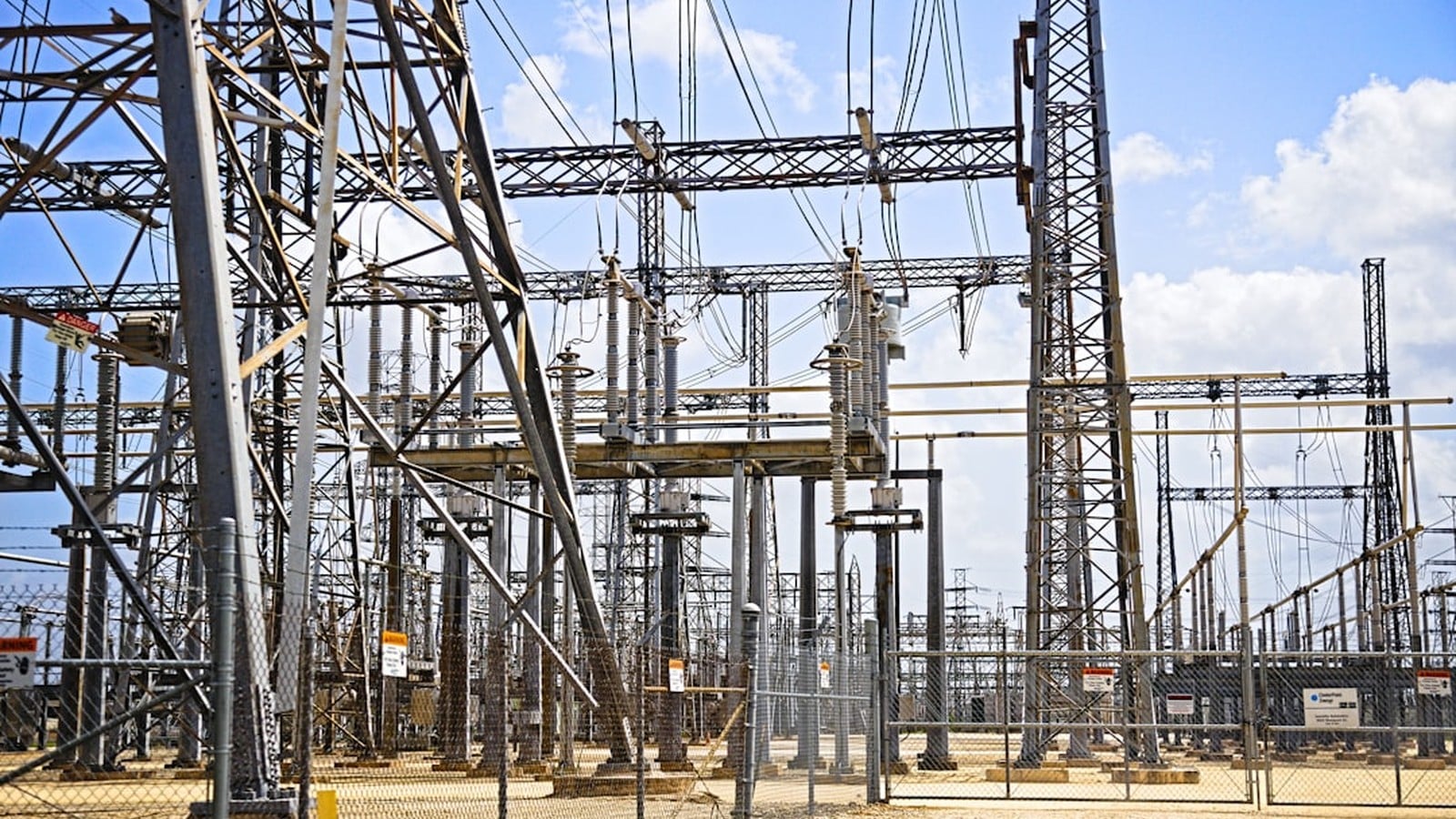
How Texas Deregulated Electricity Works: A Homeowner's Guide to ERCOT and Power to Choose

ERCOT runs the Texas grid, PUCT regulates the market, your TDU owns the wires, and your REP sells you the plan. Homeowner guide to Power to Choose in 2026.
Read More >>

Ambit Solar Buyback Plan Review 2026: Rates, Enrollment, and Real Bill Impact

Ambit Solar Buyback plan review for 2026: real rates, $9.95 base fee, 3.5 cent per kWh export credit, how it compares to TXU and Chariot, and who it fits best.
Read More >>

How Many kWh Does a Texas Home Use Per Day in Summer

A typical Texas home uses about 50 to 65 kWh per day in summer, up from the yearly average of 36 kWh per day. Here is what drives the spike, how home size shifts the number, and how to lower it.
Read More >>
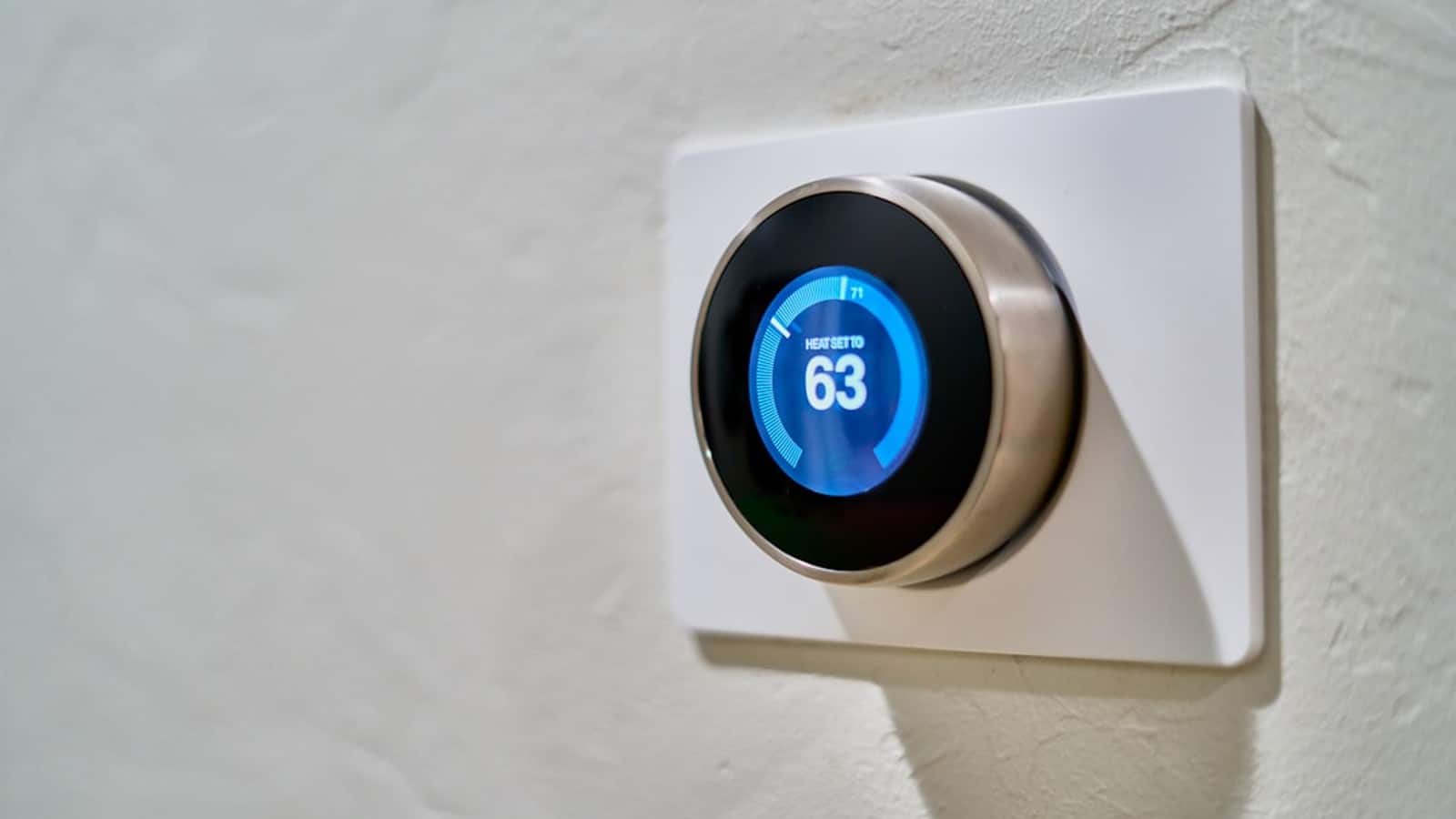
Smart Thermostats in Texas: How They Stack With Storage and Free Nights Plans

A Texas homeowner's guide to stacking a smart thermostat with a Free Nights plan, utility rebates, and home battery storage to cut summer electricity bills.
Read More >>

What's the Average Electricity Bill in Texas? And How High-Usage Homes Pay Less

The average Texas electric bill is $186.21 per month as of July 2026. See how it varies by home size, city, and season, and how high-usage homes pay less.
Read More >>

How to Read Your Texas Electricity Bill: Every Line Item Explained

Every Texas electricity bill breaks into three buckets: supply, delivery, and taxes. Here is what each 2026 line item means, plus a 6-point audit to catch overcharges.
Read More >>

Cheapest Electricity Rates in Texas Right Now: How to Spot a Real Deal

Texas' cheapest advertised electricity rate is 6.4 cents per kWh in July 2026, but bill credit tiers can double your rate. Use the 5-Signal Real Deal Test.
Read More >>

ERCOT Called for Conservation on July 13. Here's What It Means for Your Texas Bill (And Which Plans Take the Hit)

ERCOT called Conservation on July 13, 2026. Here is what it means for Texas households and which retail electricity plans take the hit.
Read More >>

Texas Just Approved $166 Million in Energy Bill Assistance. Here's Who Qualifies and How to Save Before It Starts.

Governor Abbott's $166M energy assistance award funds Texas utility bill help, weatherization, and equipment repair beginning January 1, 2027. Here is who qualifies, how to apply through TDHCA and 2-1-1, and five moves any Texas household can make this week to lower the summer electricity bill.
Read More >>

No-Contract & Month-to-Month Electricity in Texas: How Lone Star Flex Works

Texas no-contract month-to-month electricity, explained. How Ambit's Lone Star Flex works, when it beats a fixed plan, and the ETF math for switching.
Read More >>

Fixed-Rate vs Variable-Rate Electricity in Texas: Which Is Right for You

Fixed vs variable electricity in Texas: compare plan types, real 2026 price ranges by TDU, and use the five-question Texas Rate Reality Check to pick the right plan.
Read More >>

Texas Electricity Plans Explained: How to Pick the Right Rate Plan in 2026

Compare Texas electricity plans in 2026. Fixed vs variable vs indexed vs free nights vs prepaid, TDU delivery charges, bill credit traps, and the 7 questions to ask before you enroll.
Read More >>

Free Nights Plan Calculator: Are Free Nights Plans Right for You?

A reusable 5-Number Fit Test framework, three worked Texas household examples, and the actual calculator tools available in 2026 to tell whether a free nights electricity plan beats a fixed-rate plan for your home.
Read More >>
1 2 15