If your Texas electric bill is bigger than your paycheck, whether it came from the July 2026 heat wave or this winter's first cold snap, four assistance programs can actually help: CEAP (Texas's state energy-assistance program, run locally by agencies like BakerRipley in the Houston area), the Weatherization Assistance Program, 2-1-1 Texas referrals, and Salvation Army utility grants. Households at or below 150% of the federal poverty guideline, which works out to $49,500 a year for a family of four in 2026, qualify for CEAP bill help.
Updated October 27, 2026. If you're expecting a higher bill once the heat comes on this winter, here's what has changed since this guide first ran in August.
BakerRipley runs utility assistance for Harris, Brazoria and Galveston counties with funding from the Texas Department of Housing and Community Affairs (TDHCA). It helps pay electricity, gas or propane bills. It doesn't cover water.
Applications are closed right now, and BakerRipley says they're expected to reopen on Monday, November 9, 2026. In-person appointments for November became available to schedule on Monday, October 26, through the BakerRipley Utility Assistance Hotline at 713-590-2327. If you'd rather apply in person, or if anyone in your household doesn't have a Social Security number or ITIN, that hotline is the way in.
Here are the annual income limits BakerRipley lists, effective January 26, 2026:
| Household size | Annual income limit |
|---|---|
| 1 | $23,940 |
| 2 | $32,460 |
| 3 | $40,980 |
| 4 | $49,500 |
| 5 | $58,020 |
| 6 | $66,540 |
What to have ready before you apply:
BakerRipley allows one application per household per calendar year, won't review incomplete applications, and says to expect a written decision within six weeks. These details come from BakerRipley's utility assistance page as of October 27, 2026. Dates can move, so check the page before you go.
BakerRipley is one of the local agencies that deliver CEAP, and every Texas county has one. To find yours, open TDHCA's Help for Texans search, choose Utility Bill Payment Help, and enter your city or county. You can also call 877-541-7905.
As of October 27, 2026, neither TDHCA nor the Governor's office has announced a separate winter energy-assistance package. On the federal side, the Administration for Children and Families released the first $3.6 billion of fiscal year 2027 LIHEAP funding, the federal money behind CEAP, on October 9, 2026, under a continuing resolution. The $166 million state boost announced in June still starts January 1, 2027.
The rule that protects you in a heat wave also covers a hard freeze. Under PUCT rule 16 TAC §25.483(j), a retail electric provider can't authorize a disconnection for nonpayment in a county having an extreme weather emergency. That includes any day when the previous day's high didn't get above 32 degrees Fahrenheit and the temperature is forecast to stay at or below freezing for the next 24 hours. Providers also have to offer a deferred payment plan, on request, for bills that come due during that emergency. For how ERCOT sees grid risk this December, read Texas Power Grid Winter Storm: ERCOT's December Outlook.
A correction: the August version of this guide listed Texas Utility Help as an open program. TDHCA's Texas Utility Help website stopped taking energy-assistance applications on September 15, 2023, so this update replaces it with the Weatherization Assistance Program.
Summer bills in Texas rise for a simple reason: cooling a Texas home in July and August takes far more electricity than in mild months. The average Texas household uses roughly twice as many kilowatt-hours in summer as in spring, and the July 2026 heat wave pushed ERCOT into repeated peak-demand events and conservation notices. Higher usage on the same rate produces a bigger bill. Higher usage on a variable rate produces a much bigger one.
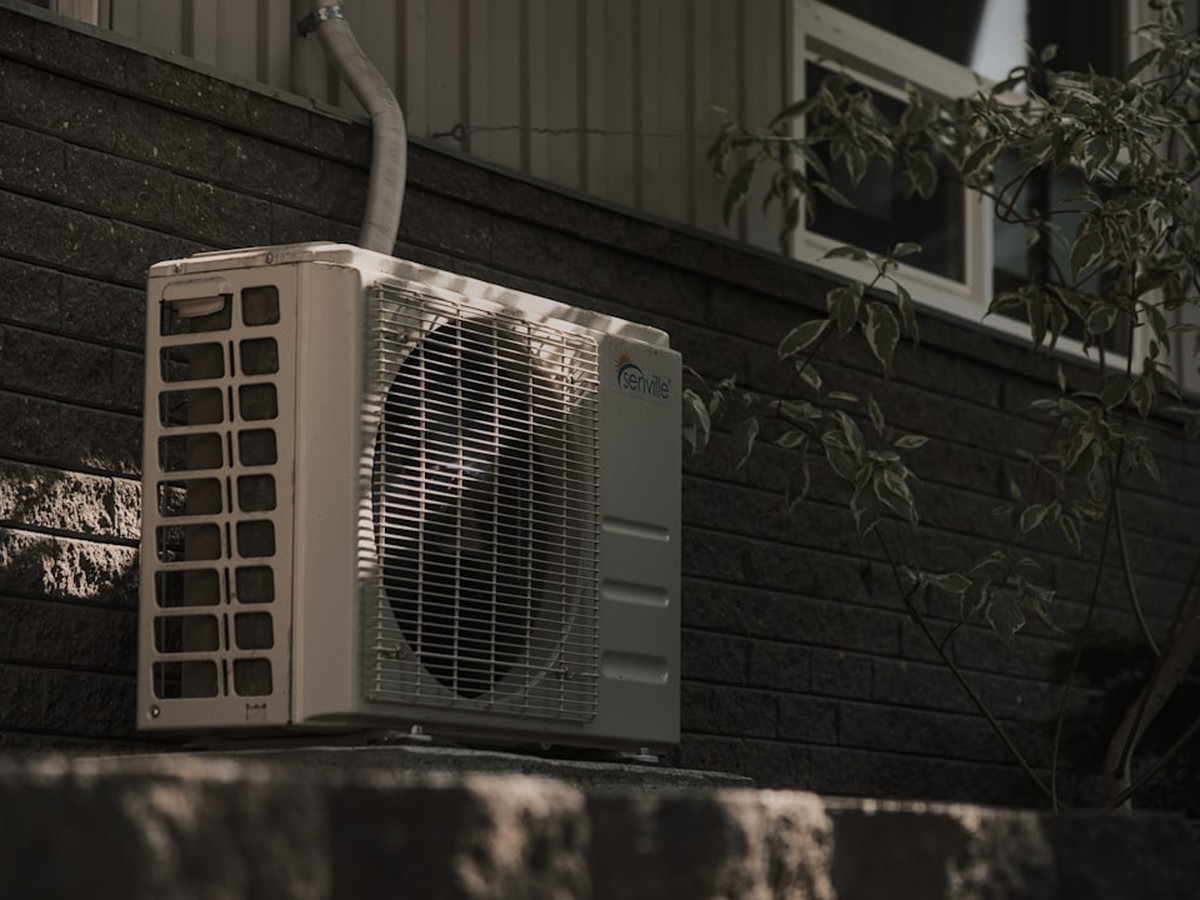
Winter works the same way in homes that heat with electricity. When temperatures drop toward freezing, a heat pump leans on its backup resistance heat strips, and those strips draw far more power than the heat pump does on a mild day. So a cold week can produce a bill that looks a lot like August's.
The good news is that Texas has a real safety net for households whose bill has outrun their paycheck. The four programs below either put money toward the bill or cut what you'll owe next time. They aren't just tip sheets.
Here's the side-by-side view, in one place, so you can pick the right door to knock on first.
| Program | Who runs it | What it covers | Income limit | How to apply |
|---|---|---|---|---|
| CEAP (Texas's state energy-assistance program) | TDHCA, delivered through local community action agencies such as BakerRipley | Bill payment plus crisis assistance during extreme weather. Up to $12,600 heating and cooling and $1,800 crisis per year | 150% of Federal Poverty Guidelines | Call 877-541-7905 or find your local CEAP provider through TDHCA's Help for Texans search |
| Weatherization Assistance Program (WAP) | TDHCA, delivered through local agencies covering all 254 counties | Free energy audit plus insulation, weather-stripping and repair or replacement of inefficient heating and cooling systems | 200% of Federal Poverty Guidelines | Find your local agency through TDHCA's Help for Texans search |
| 2-1-1 Texas | Texas Health and Human Services referral network | Warm handoff to local nonprofits, faith-based groups, and emergency utility grants | Varies by referred program | Dial 2-1-1 (free, 24/7) or visit 211texas.org |
| Salvation Army utility rent assistance | The Salvation Army Texas Division and partner agencies | Emergency, limited-fund grants toward utility bills | Case-by-case, prioritized by need | Contact your local Salvation Army office or dial 2-1-1 for the nearest partner |
CEAP is Texas's LIHEAP-funded bill-payment program, administered by the Texas Department of Housing and Community Affairs (TDHCA) and delivered through local agencies that together cover all 254 counties. According to the TDHCA CEAP program page, the program is designed to help low-income households meet their immediate energy needs and control energy costs over time.
The numbers are the reason to start here. According to the LIHEAP Clearinghouse Texas profile (updated April 20, 2026), Texas's LIHEAP funding for fiscal year 2026 is $202,298,015, including $9,496,375 from the Infrastructure Investment and Jobs Act. The maximum household benefit is $12,600 for heating and cooling, and the maximum crisis benefit is $1,800. According to the NuWatt Energy Texas income-eligible programs guide (2026), a typical CEAP bill-assistance award falls between $300 and $1,500 depending on household size, income, and how severe the crisis is.
Eligibility is straightforward. CEAP is open to households at or below 150% of the federal poverty guideline. With the 2026 HHS guideline at $33,000 for a family of four, the CEAP line is $49,500, which matches the income table BakerRipley publishes for its TDHCA-funded program. Renters qualify if they're responsible for the electric account.
To apply, call 877-541-7905 or find your local CEAP provider through TDHCA's Help for Texans search. In Harris, Brazoria and Galveston counties that's BakerRipley, which expects to reopen applications on November 9, 2026 (see the winter update above). Most agencies ask for a photo ID, proof of income for every adult in the household, a recent electric bill with the account number, and proof of residency. Processing typically takes a few business days to about two weeks, per the Texas utility-help resource summarized in the Powerwizard 2026 guide, though BakerRipley tells applicants to expect a written decision within six weeks.
The Weatherization Assistance Program doesn't pay a bill. It makes the next ones smaller, which is why it belongs on a winter list. TDHCA runs it with U.S. Department of Energy and LIHEAP funding through local agencies that cover all 254 Texas counties, according to the TDHCA weatherization page.
An eligible home gets a free energy audit, then work like caulking, weather-stripping, ceiling, wall and floor insulation, duct work, and tune-up, repair or replacement of inefficient heating and cooling systems. Households at or below 200% of the federal poverty guideline qualify, according to the PUCT's help-paying-your-bill page. Priority goes to households with children under six, older residents, a resident with a disability, or the highest energy costs and lowest incomes.
Apply through the same Help for Texans search you'd use for CEAP. Some agencies run both programs (BakerRipley does), so ask about weatherization when you call about bill help.
2-1-1 Texas is the state's free, 24/7 referral line. It isn't a bill-payment program by itself, but it's the fastest way to find the local nonprofit, church, or partner agency near you that does write checks. According to the PUCT consumer-help page, 2-1-1 is the number PUCT itself directs Texans to call when they can't pay their electric bill. Dial 2-1-1 from any phone, or visit 211texas.org.
Use 2-1-1 when your CEAP agency is backed up or closed between application windows, the way BakerRipley is until November 9, or when you need something the state programs won't cover, like a partial-month deposit to keep service on.
The Salvation Army offers emergency utility grants through its local Texas offices, and it partners with community action agencies across the state. According to the Salvation Army 2025 annual report, the organization provided financial assistance to 1,575,098 households nationwide that year.
Funds are limited and awarded case by case, but Salvation Army help is often the last-mile grant that closes the gap between your CEAP award and your actual balance. The fastest path is to dial 2-1-1 and ask for the nearest Salvation Army utility program.
Call your electric provider today, before you do anything else, and ask for a deferred payment plan. Texas rules require providers to offer one on request for bills that come due during an extreme weather emergency. They also have to make a payment plan available to many residential customers who say they can't pay a bill due in July, August or September, or a January or February bill when their county had five or more straight days of extreme weather the month before, under PUCT rule 16 TAC §25.480(j). Even when the rule doesn't require it, ask anyway.
There's also a legal safety net during extreme weather. Under 16 TAC §25.483(j), a provider can't authorize a disconnection for nonpayment in your county on a day that counts as an extreme weather emergency: a National Weather Service heat advisory that day or either of the two days before, or a day after a high that stayed at or below 32 degrees Fahrenheit with freezing temperatures forecast for the next 24 hours. That's a floor, not a permission slip. Your balance still stands, and disconnection risk returns once the weather breaks. Get on a deferred plan and apply for CEAP while the protection is in effect.
Ambit Energy customers who are worried about a seasonal bill spike can also call the Ambit customer care line printed on the bill to ask about payment arrangements and confirm the account is in good standing before applying to a program.
On June 8, 2026, Governor Greg Abbott announced $166 million in new energy-assistance funding for low-income Texans, administered by TDHCA and available for utility bills and efficient heating, cooling, and refrigeration equipment. According to the TDHCA news release (2026), the funds are scheduled to begin January 1, 2027.

That money won't reach November or December bills, so the four programs above are still the doors to knock on this winter. For who qualifies and how the new funding is expected to work, read Texas Just Approved $166 Million in Energy Bill Assistance.
Here's the sequence I'd run through, in order, if a big bill just arrived and you can't pay all of it.
Do all four in a day. That's the difference between a disconnection notice and a manageable payment plan.
CEAP eligibility is set at or below 150% of the federal poverty guideline, per TDHCA CEAP program guidance. Household income includes wages, self-employment income, Social Security, unemployment, and most other cash income for every adult member. For a family of four in 2026, 150% of the federal poverty guideline is $49,500.
Processing time varies by local agency. The Powerwizard Texas bill-help guide reports a typical range of a few business days to about two weeks, while BakerRipley tells Houston-area applicants to expect a written decision within six weeks. Applications marked as a crisis (imminent disconnection or broken heating or cooling equipment) are usually expedited.
Yes. Renters qualify if they're responsible for the electric account and meet the income and residency requirements. This is confirmed by the Texas Law Help utility-assistance article (2026).
Most agencies ask for a government-issued photo ID, proof of income for every adult in the household (recent pay stubs, benefits letters, or tax returns), a recent electric bill with the account number and balance, and proof of residency. Some agencies also request medical documentation if a household member has a life-support need. BakerRipley's list is stricter: income from the last 30 days, ID and a Social Security card for every household member, and proof of citizenship or legal residency.
Not on a day that counts as an extreme weather emergency in your county. Under PUCT rule 16 TAC §25.483(j), that's a day with a National Weather Service heat advisory (or one in the two days before), or a day after a high that didn't get above 32 degrees Fahrenheit with freezing temperatures forecast for the next 24 hours. The protection is temporary, so use the window to apply for CEAP and lock in a deferred plan.
No. TDHCA's Texas Utility Help website stopped accepting energy-assistance applications on September 15, 2023, and water-assistance applications on November 3, 2023. TDHCA now points people to its Help for Texans search to find the local agency that handles utility assistance in their county.
No. Lite-Up Texas discounts ended on August 31, 2016, when the System Benefit Fund that paid for them ran out of money, according to Texas Tribune reporting at the time. CEAP is now the main statewide program for help with an electric bill.
Sometimes. PUCT rule 16 TAC §25.478 lists ways to establish satisfactory credit without paying a deposit, including being 65 or older and not currently behind on any electric account. Victims of family violence can have the deposit waived with a certification letter from the Texas Council on Family Violence, according to the PUCT. Otherwise, providers can ask for a deposit based on your credit history, so ask each provider what it requires before you enroll.
Talk to your provider about a deferred payment plan, then call 2-1-1. Community action agencies and Salvation Army partners often have discretionary emergency funds that aren't tied to the 150% FPL line and can bridge a one-time hardship.
Ambit Energy plan details and rates subject to change. Energy facts label available on request. Subject to credit approval. Independent Consultant earnings vary. Rates, program funding, and eligibility rules current as of October 27, 2026. Program eligibility and benefit amounts are set by the administering agencies and can change. Always confirm current terms at the source before applying.








Copyright © 2026 VIPEnergyService.com. All rights reserved | PUCT# 10117
Important message regarding earnings: Ambit Energy makes no guarantee or promise of income or business. Anyone considering building a full-time or part-time Ambit business should have realistic expectations of their potential income. Learn more at goambit.com/disclaimer.