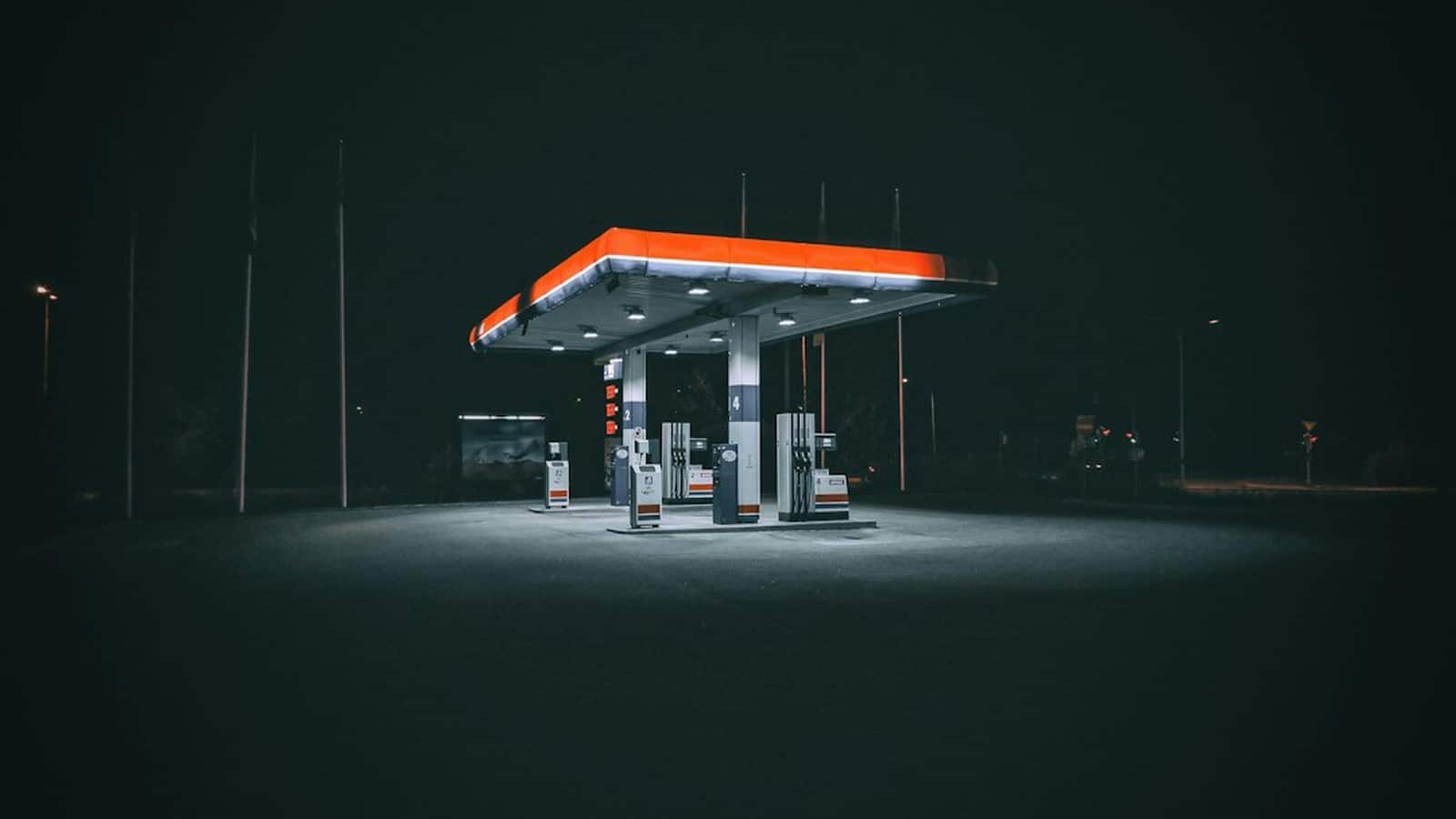
A convenience store’s electricity bill is driven by refrigeration that doesn’t stop, then by lighting and cooling that run almost all day, and by food service at mealtimes. The U.S. Energy Information Administration’s (EIA) 2018 national survey finds that food sales buildings, which include convenience stores, with or without a gas station, use 53.3 kWh per square foot per year. That’s more than four times the 12.6 kWh average for all commercial buildings.
This article reviews what powers a Texas convenience store or gas station, how power use shows up on the electricity bill, and what to check prior to selecting or renewing a plan. To understand how power use compares for other business types, see how much electricity a small business uses in Texas.
A convenience store uses about 53 kWh per square foot a year if it matches the national average for its EIA category, so a 3,000-square-foot store lands near 13,325 kWh a month. Your own meter history is the number to trust because the category average also includes larger grocery stores.
EIA's CBECS food sales report breaks food sales into three categories of buildings: convenience stores (with or without a gas station), grocery stores or food markets, and other food sales (e.g. bakeries). Convenience stores were the most prevalent. Out of the 163,000 food sales buildings in the survey, 74% were convenience stores, and about three-fourths of food sales buildings were less than 5,000 square feet.
Keep the following four limits in mind when using the category figure:
Here are the estimates for the category average for different store sizes. These are based on national averages.
| Store size | kWh per sq ft (CBECS 2018, food sales) | Estimated kWh a year | Estimated kWh a month | Average load around the clock |
|---|---|---|---|---|
| 2,500 sq ft | 53.3 | 133,250 | about 11,100 | about 15 kW |
| 3,000 sq ft | 53.3 | 159,900 | about 13,325 | about 18 kW |
| 4,000 sq ft | 53.3 | 213,200 | about 17,770 | about 24 kW |
Average load is the yearly kWh divided by the 8,760 hours in a year. For context, the average Texas commercial account used 8,790 kWh a month in 2024, according to EIA Table 5.b, and that average includes hospitals and office towers. Even a small store at the category average uses more.
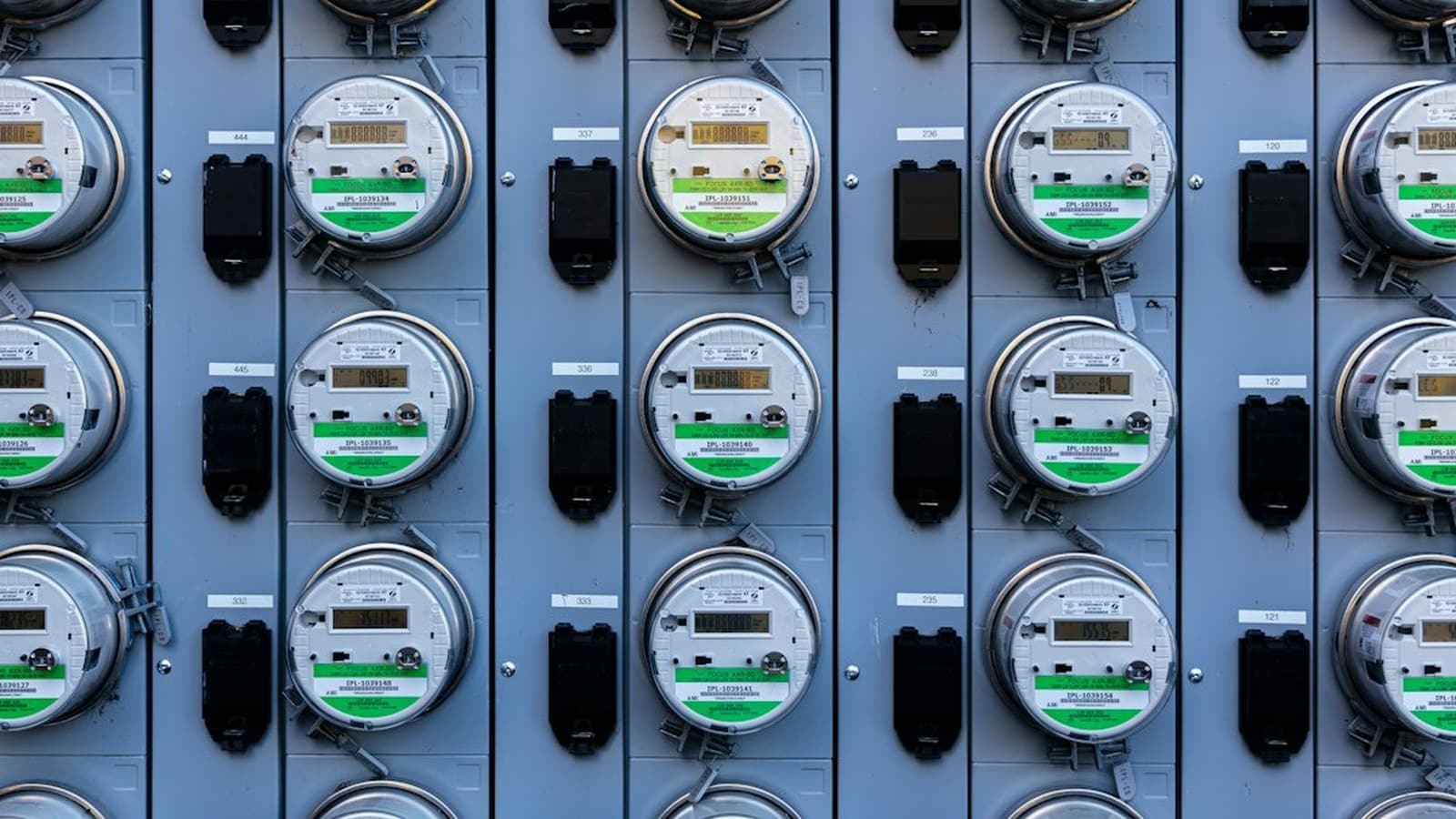
Your real numbers live on Smart Meter Texas, the statewide portal where Texas delivery utilities post smart meter data. It shows monthly, daily and 15-minute usage, with up to two years of history.
Refrigeration uses the most, followed by lighting, heating and cooling, and food service equipment. In CBECS food sales buildings, refrigeration's energy intensity was 87.1 thousand Btu per square foot, more than six times the 13.1 thousand Btu each for lighting and ventilation.
Those CBECS shares cover all end-use energy, natural gas included, not electricity alone. Refrigeration took 38%, space heating 14% and cooking 11%.
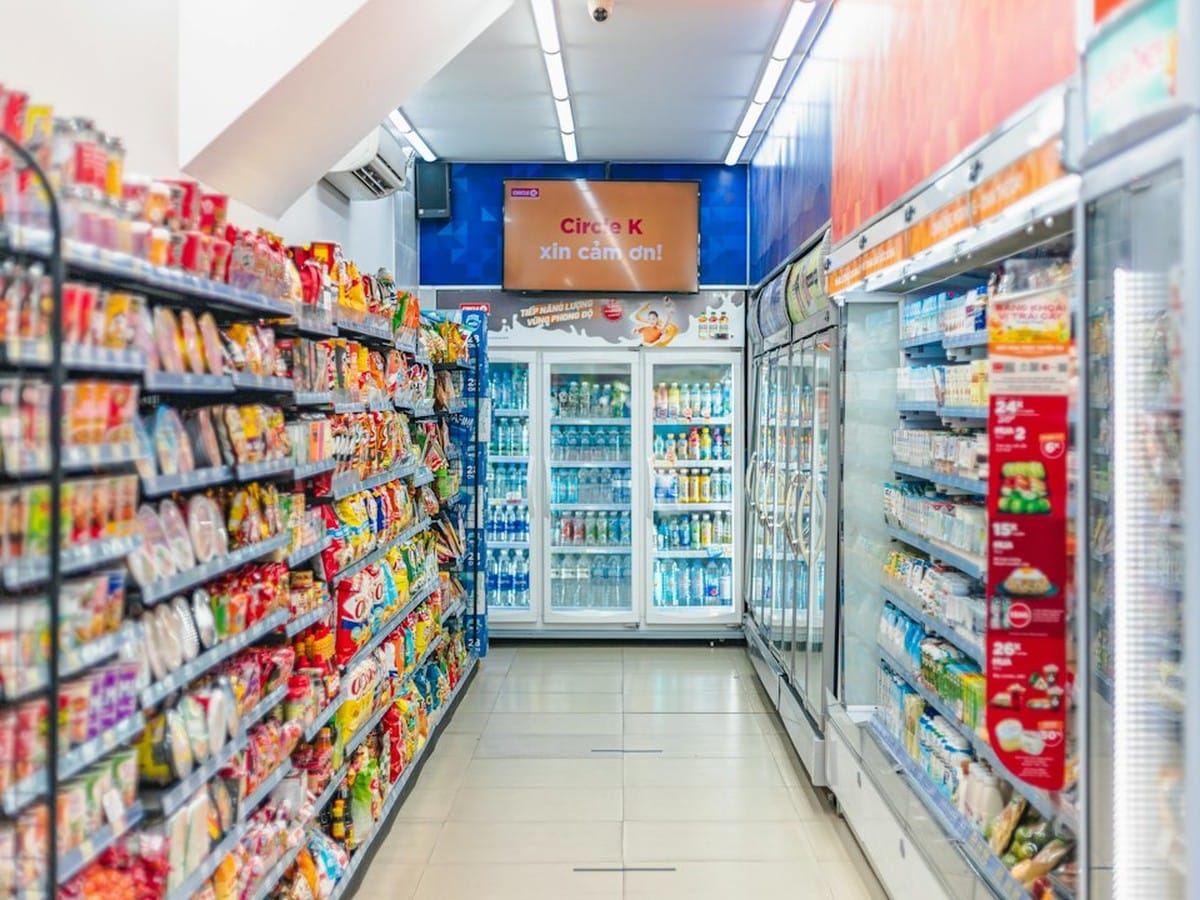
Refrigeration is the load that never stops. In CBECS, 83% of food sales buildings had refrigerated cases or cabinets, and 70% had walk-in refrigerators or freezers. All day and all night, compressors cycle to hold temperature while customers open and close doors.
ENERGY STAR's savings figures for certified models give a sense of how much this equipment draws:
| Equipment | Yearly savings ENERGY STAR reports for certified models |
|---|---|
| Glass-door commercial refrigerator | 370 kWh |
| Solid-door commercial refrigerator | 325 kWh |
| Glass-door commercial freezer | 900 kWh |
| Batch-type (cube) ice maker | 700 kWh |
| Continuous-type (flake or nugget) ice maker | 1,350 kWh |
Sources: ENERGY STAR commercial refrigerators and freezers and commercial ice makers, read Nov. 19, 2026. ENERGY STAR says certified refrigerators and freezers are on average 20% more energy efficient than standard models. Walk-in coolers and freezers are covered by federal energy conservation standards from the U.S. Department of Energy (10 CFR 431.306).
If those are the savings on one door or one ice machine, a store with a wall of glass doors, a walk-in and two ice makers carries a large share of its bill in equipment that's always on.
Lighting is needed for as long as the store is open, and for the fuel canopy from dusk to dawn. In CBECS food sales buildings, the energy intensity of lighting was approximately 13.1 thousand Btu per square foot, the same as ventilation. For a 24-hour store, lighting is a steady load, which is relevant for demand in the following section.
In Texas, summer is when the cooling load stacks on top of the refrigeration that's already running. CBECS found these systems in food sales buildings:
Hot food adds cooking load to the morning and lunch rush. CBECS found a fast food or small restaurant area in 27% of food sales buildings and a small kitchen area in 22%. ENERGY STAR says a certified standard-vat electric fryer saves about 3,000 kWh a year compared with a standard model (ENERGY STAR commercial fryers), which shows how much one fryer can draw.
Roller grills, coffee brewers and heated display cases tend to stay on for long stretches. For a closer look at kitchen equipment, see what uses the most electricity in a restaurant.
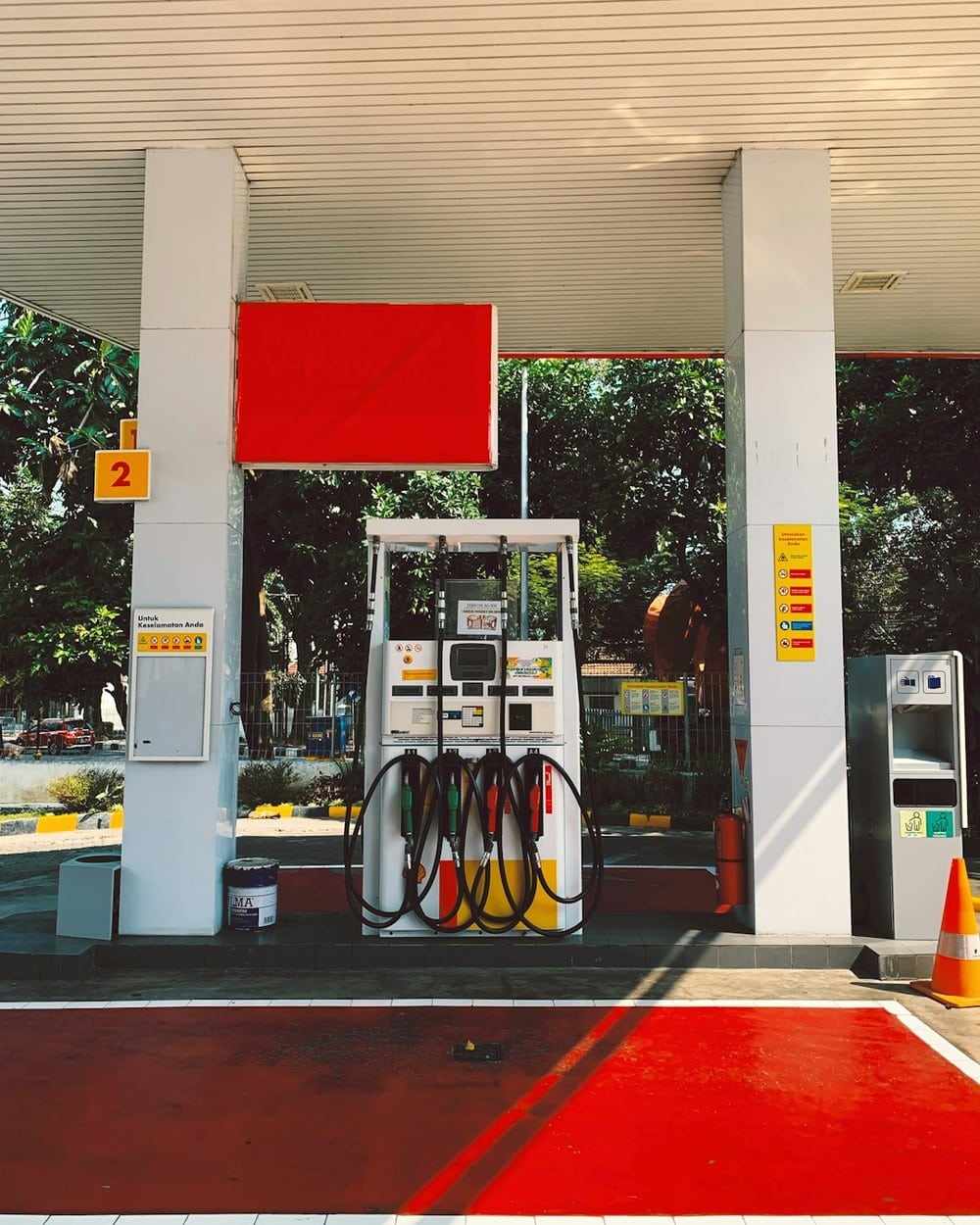
In the stores, CBECS found this equipment in food sales buildings:
Most convenience stores pay part of their delivery charge on demand, in addition to the charge for the kWh they use. A store that runs 24-hour refrigeration almost always sits in the demand-billed class.
Where demand billing starts in Texas:
In a demand-billed class, the bill has two parts:
| Delivery utility | Smaller nonresidential class | Larger, demand-billed class |
|---|---|---|
| Oncor | Secondary service less than or equal to 10 kW | Secondary service greater than 10 kW |
| CenterPoint Energy Houston Electric | Less than or equal to 10 kVA | Greater than 10 kVA |
| AEP Texas (Central and North) | Secondary voltage service less than or equal to 10 kW | Greater than 10 kW |
| TNMP | Secondary service less than or equal to 5 kW | Greater than 5 kW |
Here's an example with two hypothetical stores that use the same energy:
| Example (hypothetical) | kWh in a 30-day month | Average load | Highest 15-minute demand | Load factor |
|---|---|---|---|---|
| Store A, equipment starts in stages | 12,960 | 18 kW | 24 kW | 75% |
| Store B, everything starts at once | 12,960 | 18 kW | 36 kW | 50% |
Load factor is your average load divided by your peak. Both stores use 12,960 kWh, but Store B is billed on 36 kW of demand instead of 24 kW, half again as much, for the same energy.
Some utility areas can also bill a minimum based on an earlier peak, called a ratchet. The Public Utility Commission of Texas (PUCT) rule 25.244 bars a demand ratchet for a nonresidential secondary customer with an annual load factor of 25% or less. A 24-hour store generally runs well above that, so in some utility areas one spike can show up on later bills. Your delivery utility's tariff has the details.
The PUCT defines a small commercial customer as "a non-residential customer that has a peak demand of less than 50 kilowatts during any 12-month period" (16 TAC 25.471). Your Smart Meter Texas history shows your peak, so you can see which side of that line your store is on.
Keep large loads from happening in the same 15 minutes. Since one interval sets billed demand, timing is more important than total usage in this case.
Check load shape, peak, contract term, fixed or variable pricing, and contract end date for each meter you have. A store’s year of Smart Meter Texas data helps answer most of these before you compare a single plan.
The 24-Hour Store Plan Check:
When comparing plans, consider your own monthly usage rather than a sample usage. A store's usage can far exceed the sample. The guide to small business electricity renewal in Texas explains when renewal happens and what you should compare. For opening a new store, read about setting up electricity for a new business location in Texas.
When you have your numbers, review the business electricity plans Ambit Energy has available in your area. Plan details and rates subject to change.
EIA doesn't publish a bill figure for convenience stores. Using national CBECS 2018 averages, a 3,000-square-foot store uses about 13,325 kWh a month, and the bill depends on your plan, your delivery utility and your peak demand. Your past bills and Smart Meter Texas history are the best guide.
CBECS doesn't say. It counts convenience stores with and without a gas station in one subcategory, so there's no separate national figure for stores with fuel pumps.
Most do. Oncor and AEP Texas bill demand above 10 kW, CenterPoint above 10 kVA and TNMP above 5 kW, according to each utility's tariff. A store with 24-hour refrigeration almost always runs above those lines.
No. Billed demand comes from the single highest 15-minute reading of the month, so a steady overnight load spreads that charge across more kWh. A spike from several large loads starting together is what raises it.
Register on Smart Meter Texas with your ESIID, meter number and current provider's name. It shows up to two years of monthly, daily and 15-minute usage, and you can download the data.



Copyright © 2026 VIPEnergyService.com. All rights reserved | PUCT# 10117
Important message regarding earnings: Ambit Energy makes no guarantee or promise of income or business. Anyone considering building a full-time or part-time Ambit business should have realistic expectations of their potential income. Learn more at goambit.com/disclaimer.