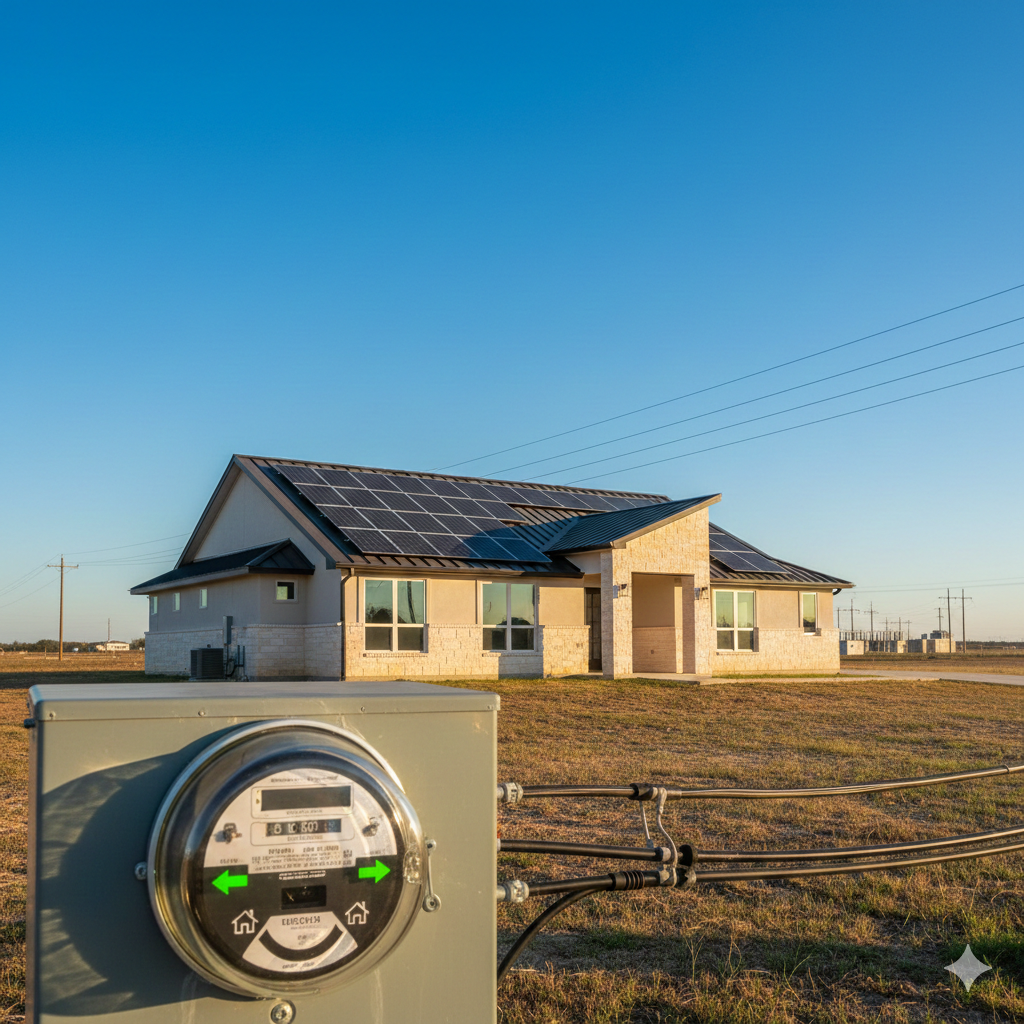
Solar buyback plans let Texas homeowners sell surplus solar energy back to their REP for bill credits. With no statewide net metering mandate, buyback rates in 2026 range from 3¢/kWh (fixed) to $5/kWh (real-time wholesale spikes). Ambit Energy offers one of the highest fixed rates — up to 12.5¢/kWh in true 1:1 buyback. This guide compares 12 providers, breaks down 2026 economics after the federal tax credit expired, and shows you how to choose the right plan.
If you’ve invested in solar panels — or you’re considering it — a solar buyback plan determines how much value you get from every kilowatt-hour your system sends back to the grid. In Texas’s deregulated electricity market, there’s no statewide net metering mandate. Instead, individual Retail Electric Providers (REPs) offer solar buyback plans texas homeowners can shop for competitively. Buyback rates in 2026 range from as low as 3 cents per kWh on fixed-credit plans to brief spikes exceeding $5/kWh on real-time wholesale plans. Ambit Energy offers one of the highest fixed rates — up to 12.5 cents per kWh in true 1:1 buyback. This guide covers how texas solar buyback plans work, what they pay, and how to choose one that actually maximizes your solar investment.
Approximately 85% of Texas homes sit in the deregulated ERCOT market, which means you can choose your REP, according to Solar Reviews. Out of over 100 REPs in Texas, only a handful offer solar buyback plans — programs that give you bill credits for surplus energy your panels export to the grid.
Three main types of solar buyback plans exist in Texas:
A critical detail many homeowners miss: solar credits only offset the energy supply portion of your bill. TDU delivery charges — Oncor at 5.58¢/kWh, CenterPoint at 6.00¢/kWh — still apply on every kilowatt-hour you consume from the grid, regardless of how much you export, according to Quick Electricity.

The texas solar buyback landscape has shifted significantly. Most REPs have moved away from true 1:1 net metering toward lower fixed rates or volatile real-time wholesale pricing. Here’s how the major providers compare:
| Provider | Buyback Rate | Credit Type | Rollover |
|---|---|---|---|
| Ambit Energy | Up to 12.5¢/kWh (1:1) | Fixed | Indefinite |
| Chariot Energy | Up to 25¢/kWh (capped RTW) | Real-Time | Indefinite |
| TXU Energy | 3.5–6¢/kWh | Fixed | While on plan |
| Green Mountain | Varies | Fixed | Cap at $1,000 |
| Gexa Energy | 3¢/kWh | Fixed | No cash out |
| Octopus Energy | Wholesale RTW (15-min) | Real-Time | Unlimited |
| Champion Energy | Wholesale RTW | Real-Time | Indefinite |
| David Energy | 90% RTW | Real-Time | Cash-out eligible |
| Tesla Electric | RTW (algorithmic) | Real-Time | Cash-out eligible |
| Rhythm Energy | Time-of-use | TOU | Varies |
Top Octopus Energy solar customers earned an average of $635 per month in August during peak demand, with the top customer bringing in over $900 in credits, according to Quick Electricity. However, RTW credits can drop below 2¢/kWh during mild weather months.
For solar homeowners who prefer predictability, Ambit Energy’s 1:1 buyback ratio provides consistent value regardless of season. To see current options, compare Ambit Energy rates and plans or view the full solar buyback rates breakdown.
Here’s what the numbers actually look like for a typical Texas solar homeowner:
System costs: The average 14 kW solar system in Texas costs approximately $30,887 before incentives, according to EnergySage. That’s higher than previous years because the federal 30% Residential Clean Energy Credit expired December 31, 2025. Without the credit, payback periods extend by 3–5 years to approximately 8.73 years — but 25-year savings still reach $80,305, according to EnergySage.
Surplus generation: A typical Texas home with solar exports 20–40% of its generation to the grid as surplus, according to Texas Power Guide. For a system generating 1,200 kWh/month, that’s 240–480 kWh in monthly exports.
Realistic annual credit ranges:
Remaining incentives for 2026:
For more on maximizing your solar energy credits in Texas, see our dedicated guide.
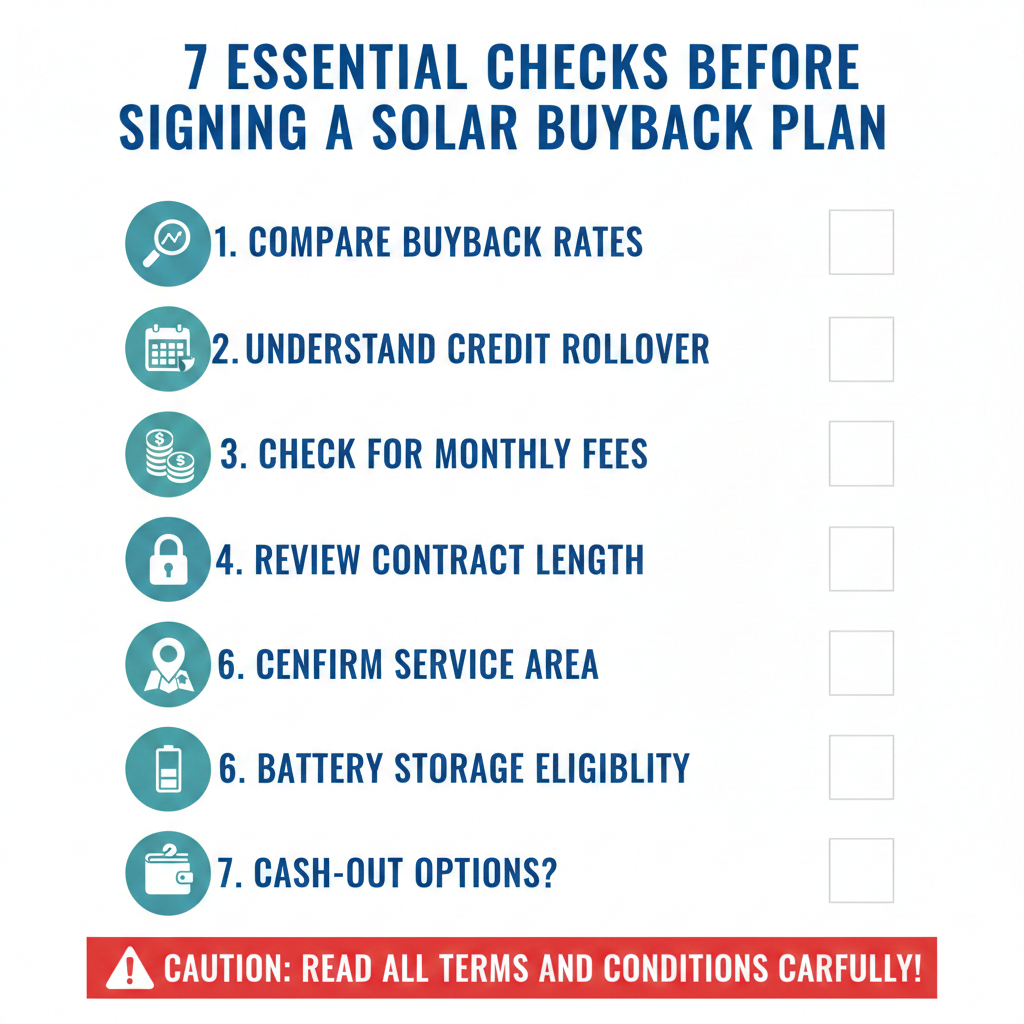
Not all solar buyback plans are created equal. When shopping for a texas solar buyback plan, evaluate these factors:
Red flags to watch for: Use-it-or-lose-it credit expiration, low buyback rates paired with high monthly fees, rate riders buried in the EFL (Electricity Facts Label) that increase your cost during peak months, and “promotional” buyback rates that drop after 6 months.
Always read the EFL before signing. Look specifically for: the buyback credit rate, credit expiration terms, monthly service fees, and whether the plan charges different rates for imported vs. exported kWh. Texas net metering rules require these details in the EFL.
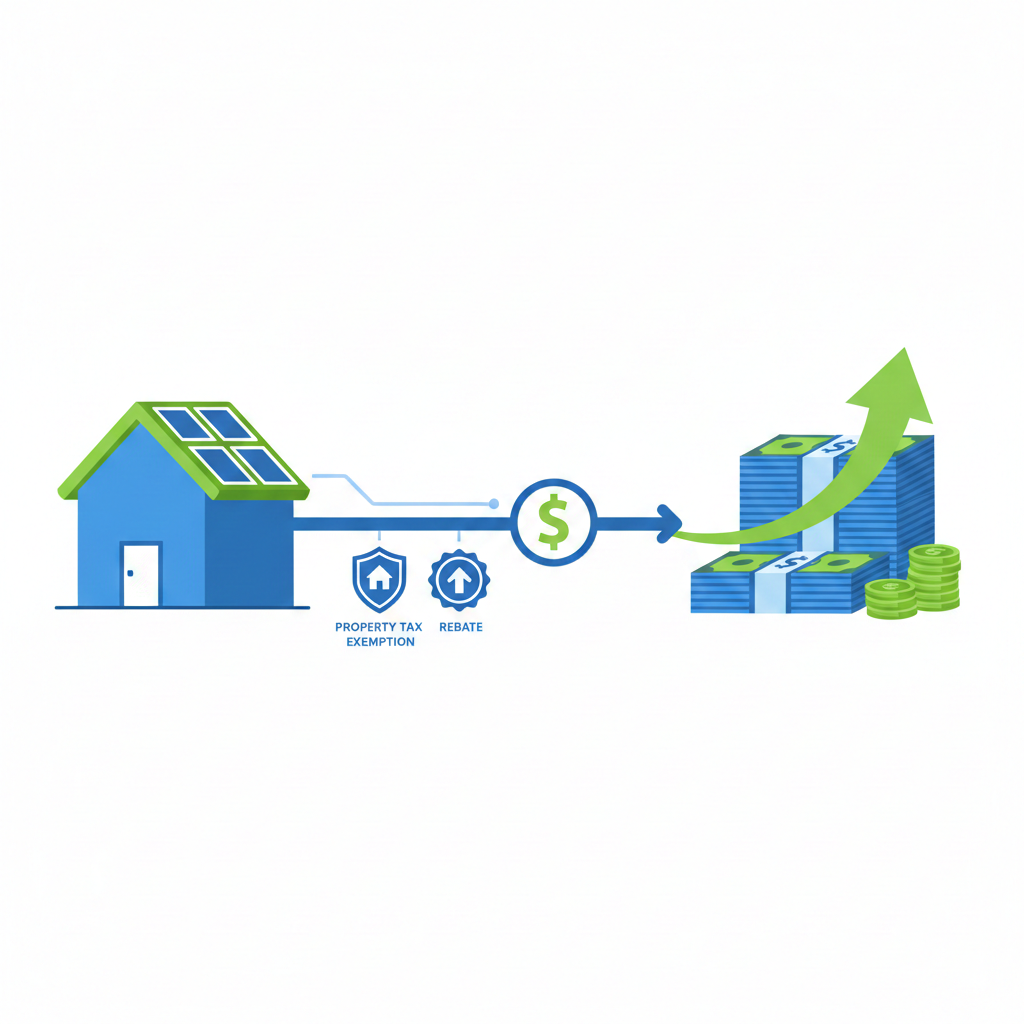
If 20–40% of your solar generation goes to the grid at 3–6 cents/kWh, you’re selling low and buying high. That gap is why 85–90% of new solar installations in Texas now include battery storage, according to Energyscape Renewables.
A home battery stores surplus solar energy instead of exporting it at low buyback rates — then discharges during expensive peak hours when grid rates are highest. This “battery bridge” approach can capture significantly more value than buyback credits alone, especially for homeowners on plans with low fixed export rates.
Battery arbitrage also pairs well with RTW plans: charge the battery during off-peak (or with solar), then export during $2–$5/kWh spikes. Tesla Electric and David Energy are building their entire business model around this concept.
For a detailed breakdown of battery economics, see our cost of battery storage per kWh guide, or explore the available battery backup rebates in Texas.
Ambit Energy’s solar buyback plans offer a true 1:1 ratio at up to 12.5 cents per kWh — meaning every kWh you export earns the same credit as what you pay for grid consumption. Credits roll over indefinitely with no cap.
Ambit’s TLC Pledge (“Try it. Like it. or Change it!”) gives solar homeowners 60 days to test any plan. If it doesn’t fit your generation pattern, switch to a different Ambit plan at no cost — no early termination fee during the trial period.
Before choosing any plan, check your actual usage at Smart Meter Texas to understand your export potential. Then browse solar electricity plans to find the right fit for your home.
Ready to Maximize Your Solar Investment?
Compare Ambit Energy’s 1:1 solar buyback plans and start earning full value for your surplus energy.
A solar buyback plan is an electricity plan from a Texas Retail Electric Provider (REP) that gives you bill credits for surplus energy your solar panels export to the grid. Texas has no statewide net metering law, so each REP sets its own buyback rates and terms. Credits typically offset only the energy supply portion of your bill — TDU delivery charges (5–6 cents/kWh) still apply.
Annual buyback credits for a typical Texas solar home range from approximately $86 to $900+ per year, depending on system size, export volume, and plan type. Fixed-credit plans at 3 cents/kWh earn less but predictably. Real-time wholesale plans can earn significantly more during summer peak demand but vary widely by season.
No — you can use a solar buyback plan without a battery. However, adding battery storage lets you capture more value from your solar investment by storing surplus energy for personal use during peak rates rather than exporting at lower buyback rates. In 2025–2026, approximately 85–90% of new solar installations in Texas include battery storage.
Sources: Solar Reviews, Quick Electricity, EnergySage, Texas Power Guide, Energyscape Renewables. Data reflects 2026 market conditions. Rates and incentives are subject to change. VIP Energy Service is an independent Ambit Energy consultant. This article is for educational purposes and does not constitute financial advice.














Copyright © 2026 VIPEnergyService.com. All rights reserved | PUCT# 10117