Did you know that commercial buildings consume about 35% of all electricity in the United States? That's a lot of power – and a lot of money going straight into utility companies' pockets! But what if there was a better way? Let's shine some light on the battle between commercial solar power and traditional electricity (pun intended!).
The Current State of Commercial Energy Consumption
Before we dive into the solar vs. traditional showdown, let's look at what's happening in the commercial energy sector. According to the U.S. Energy Information Administration (EIA), commercial buildings spent approximately $142 billion on energy in 2022. That's enough money to buy about 355 million cups of coffee – every single day for a year!
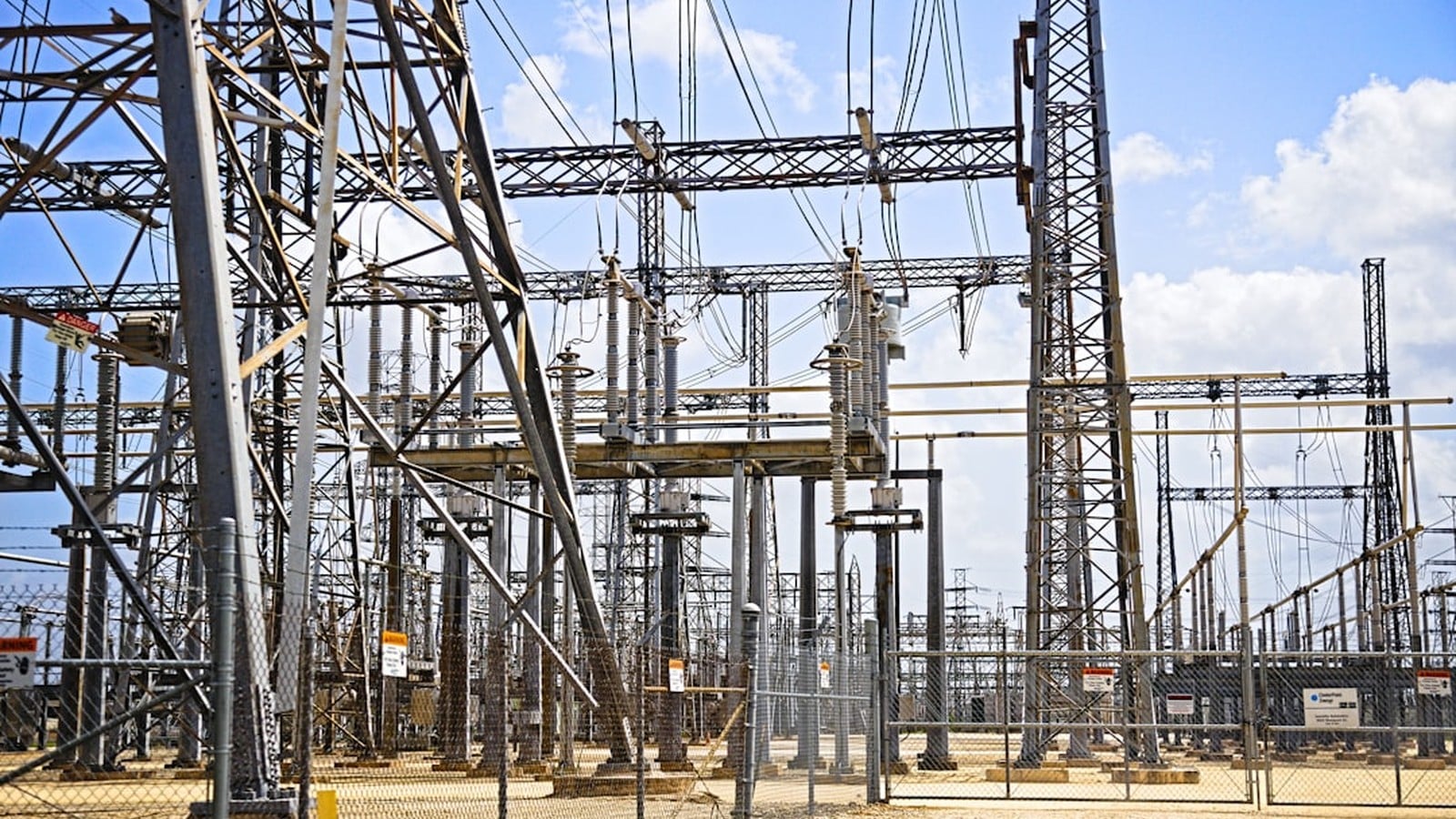
Understanding Traditional Power Costs
Traditional power costs typically include:
- Base electricity rates
- Demand charges
- Peak hour pricing
- Transmission and distribution fees
- Taxes and regulatory charges
According to the EIA, the average commercial electricity rate in 2023 was 12.49 cents per kilowatt-hour (kWh), though prices vary significantly by region and usage patterns.
The Solar Alternative: Initial Investment and Long-term Savings
Upfront Costs of Commercial Solar
Let's talk numbers. Commercial solar installation costs typically range from $1.50 to $3.00 per watt, depending on:
- System size
- Location
- Equipment quality
- Installation complexity
- Local labor costs
For a typical 100kW commercial system, businesses might expect to pay between $150,000 and $300,000 before incentives.
Available Incentives and Tax Benefits
Here's where things get interesting! The government really wants you to go solar:
- Federal Investment Tax Credit (ITC): 30% of total system cost
- Modified Accelerated Cost Recovery System (MACRS): Depreciation benefits
- State-specific incentives
- Local utility rebates
- Solar Renewable Energy Credits (SRECs)
Breaking Down the ROI: Solar vs. Traditional
Short-term Comparison (Years 1-5)
During the initial years, businesses typically see:
- Traditional Power: Continuing monthly payments with 2-3% annual increases
- Solar Power: Higher initial investment but dramatically reduced monthly bills
According to the Solar Energy Industries Association (SEIA), commercial properties can offset 75-90% of their electricity bills through solar installation.
Long-term Benefits (Years 5-25)
By year 25, the differences become striking:
- Traditional Power: Accumulated costs of approximately $1.2 million for a medium-sized commercial property
- Solar Power: System paid off with approximately $800,000 in accumulated savings
Real-World Success Stories
Case Study 1: Retail Chain Success
A national retail chain installed solar panels across 200 locations:
- Initial Investment: $40 million
- Annual Savings: $8.5 million
- ROI Achievement: 4.7 years
- Carbon Reduction: 140,000 metric tons annually
Case Study 2: Manufacturing Facility
A medium-sized manufacturing facility in Texas:
- System Size: 500kW
- Initial Cost: $750,000
- Annual Savings: $95,000
- Payback Period: 5.2 years
Environmental Impact and Corporate Responsibility
Carbon Footprint Reduction
Solar installation typically results in:
- 35-45 metric tons of CO2 offset per year for every 100kW installed
- Equivalent to planting 1,500 trees annually
- Enhanced corporate environmental reporting
Making the Switch: Implementation Process
Step-by-Step Guide
- Energy Audit and Consumption Analysis
- Site Assessment
- System Design and Planning
- Permitting and Approvals
- Installation
- Grid Connection and Commissioning
- Monitoring and Maintenance Setup
Maintenance and Operational Considerations
Solar System Maintenance
- Annual inspection costs: $300-500
- Panel cleaning: $500-1,000 annually
- Inverter replacement (every 10-15 years): $15,000-25,000
Traditional Power Maintenance
- No direct maintenance costs
- Subject to grid reliability issues
- Vulnerable to price fluctuations
Future Considerations and Market Trends
Technology Advancements
- Solar panel efficiency increasing by approximately 0.5% annually
- Battery storage costs declining by 15% yearly
- Smart grid integration becoming more accessible
Market Projections
According to Bloomberg New Energy Finance:
- Solar installation costs expected to decrease 20% by 2025
- Grid parity achieved in 86% of major markets by 2026
- Commercial solar adoption rate increasing by 25% annually
Tips for Maximizing Solar Investment
- Time your installation during off-peak seasons
- Bundle with energy efficiency upgrades
- Consider power purchase agreements (PPAs)
- Implement energy monitoring systems
- Train staff on energy management practices
Frequently Asked Questions
How long do commercial solar panels last?
Most commercial solar panels come with 25-year warranties but can last 30-35 years with proper maintenance.
What happens during power outages?
Unless equipped with battery storage, grid-tied solar systems will shut down during outages for safety reasons.
Can all commercial buildings support solar?
Most can, but factors like roof condition, orientation, and structural capacity need evaluation.
How does weather affect solar production?
Modern panels work in all weather conditions, though efficiency may reduce by 10-25% on cloudy days.
Summary
Key Takeaways
- Initial investment: $1.50-$3.00 per watt
- Average payback period: 4-7 years
- Lifetime savings: $800,000+ for medium-sized installations
- Environmental impact: 35-45 metric tons CO2 offset per 100kW annually
- Maintenance costs: Minimal compared to energy savings
Why Choose Ambit Energy for Your Solar Journey
Ambit Energy stands out in the commercial solar space by offering:
- Comprehensive energy assessments
- Customized system designs
- Competitive financing options
- Industry-leading warranties
- Ongoing support and monitoring
- Proven track record of successful installations
Conclusion
The numbers speak for themselves – commercial solar installation represents a smart investment for businesses looking to reduce operating costs and environmental impact. While the initial investment may seem substantial, the long-term benefits far outweigh the costs, especially when working with established providers like Ambit Energy.
Ready to see how much your business could save? Contact Ambit Energy today for a free consultation and custom savings analysis.
Sources:
- U.S. Energy Information Administration (EIA)
- Solar Energy Industries Association (SEIA)
- Bloomberg New Energy Finance
- Department of Energy (DOE)
- National Renewable Energy Laboratory (NREL)