Solar Battery Price: Comparison Guide to Finding the Best Value

Modern Texas home with solar panels and Tesla Powerwall battery system at sunset

Solar Battery Price: Comparison Guide to Finding the Best Value

December 31, 2025
by
Shawn Cornett

Update, October 2026: According to the IRS, the 30% federal Residential Clean Energy Credit is not available for systems placed in service after December 31, 2025. Mentions of the credit below apply only to systems installed by then. Texas utility rebates and the Texas property tax exemption may still lower your cost.


If you're a Texas homeowner exploring solar battery storage, understanding solar battery price is crucial for making a smart investment. The good news? Battery costs have dropped dramatically—from over $1,000 per kWh in 2022 to between $200 and $400 at the pack level today. This shift has made home energy storage more accessible than ever.

Whether you're adding a battery to an existing solar panel system or starting fresh with a complete solar power system, this comparison guide breaks down the total costs across leading brands. For a deeper look at sizing and overall system expenses, check out our comprehensive whole house battery backup cost guide.

How We Evaluated Solar Battery Prices

Understanding solar battery price variations requires comparing multiple factors. We evaluated leading solar battery storage options based on five key criteria:

  1. Cost per kWh — The primary metric for comparing value across different capacity batteries
  2. Total installed system cost — What you'll actually pay, including equipment and labor
  3. Battery chemistry — LFP (lithium iron phosphate) versus NMC (lithium ion batteries) and how it affects performance
  4. Warranty coverage — Long term protection and capacity guarantees
  5. Heat tolerance — Critical for Texas summers where temperatures regularly exceed 100°F

These factors determine not just upfront solar battery cost, but also the long term value of your investment.

Tesla Powerwall 3: Overview, Pros & Cons

Tesla's Powerwall 3 consistently ranks as the best value in home battery storage. According to industry analysts, it "undercuts most competitors by 15-30%."

Pricing:

  • Full system installed: $12,000–$16,779 before incentives
  • With the 30% credit (2025 installs only): $9,450–$10,780
  • Cost per kWh: $1,140 (lowest in market)

Specifications:

  • Capacity: 13.5 kWh
  • Chemistry: Lithium iron phosphate (LFP)
  • Continuous power output: 11.5 kW

Pros:

  • Lowest cost per kWh among major brands
  • Integrated solar inverter saves $2,000–$3,000 on installation
  • Scalable up to 54 kWh with four units
  • LFP battery chemistry handles Texas heat up to 113°F
  • 89% round-trip efficiency

Cons:

  • Requires Tesla-certified installers
  • No DIY installation option
  • Regional price variation depending on location

The system includes everything needed for backup power, and the integrated inverter makes it particularly cost-effective for new solar panel systems.
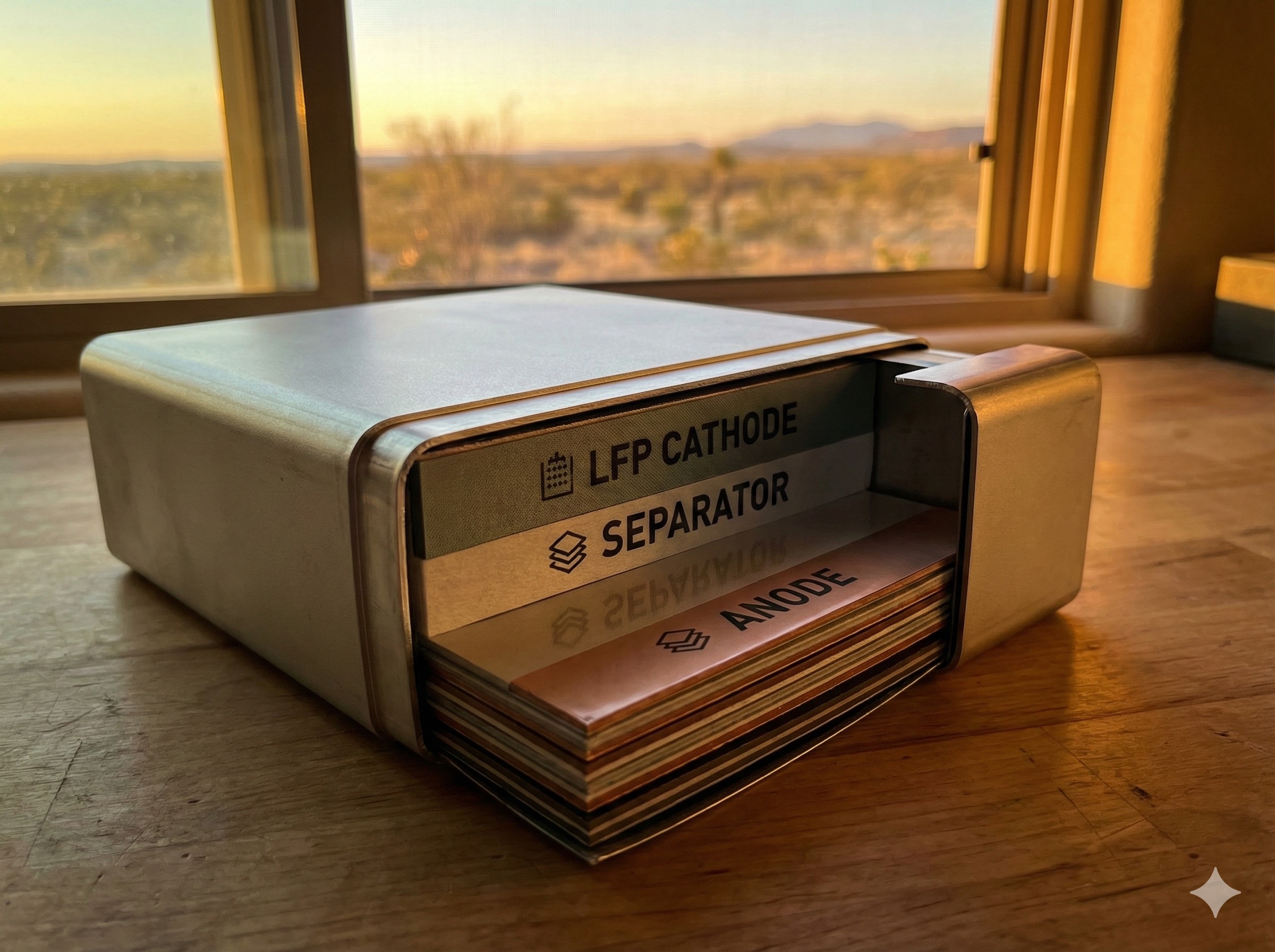
Cutaway view of lithium iron phosphate (LFP) battery cell showing internal construction
LFP battery cells offer superior heat tolerance for Texas climates

Enphase IQ Battery 5P: Overview, Pros & Cons

Enphase offers a modular approach to solar battery storage, ideal for homeowners who want to scale their system over time.

Pricing:

  • Cost per kWh: $1,300–$1,400 installed
  • Per unit capacity: 5 kWh (modular design)

Pros:

  • Modular design allows custom sizing from 5 kWh to 80 kWh
  • Excellent integration with Enphase microinverters
  • Industry-leading 15-year warranty
  • LFP chemistry for safety and heat tolerance

Cons:

  • 15–30% more expensive than Tesla per kWh
  • Lower power output per unit
  • Best value requires existing Enphase equipment

For homeowners already invested in an Enphase solar power system, this storage system offers seamless integration and the flexibility to become energy independent incrementally.

FranklinWH & Generac: Budget vs Premium Options

Two additional brands deserve consideration depending on your priorities and budget.

FranklinWH aPower

Pricing:

  • Cost per kWh: $1,220
  • Total installed (15 kWh): $18,300
  • With the 30% credit (2025 installs only): $12,810

The FranklinWH system is designed specifically for whole-home backup power. Its intelligent energy management system optimizes stored energy usage, making it a solid mid-range choice for families prioritizing outage protection.

Generac PWRcell

Pricing:

  • Full system: ~$18,000 per battery
  • Position: Above industry average

Generac brings its reputation from the generator market to home batteries. The PWRcell is highly scalable for large homes with significant power needs. However, its premium pricing—among the highest in the market—means it's best suited for homeowners who prioritize brand trust and maximum backup capacity over cost of a solar battery per kWh.

Solar Battery Price Comparison Table

Brand Cost/kWh Total (13-15 kWh) After 30% Credit (2025 Installs Only) Warranty
Tesla Powerwall 3 $1,140 $15,390 $10,773 10 years
Enphase IQ 5P $1,350 $18,225 $12,758 15 years
FranklinWH $1,220 $18,300 $12,810 12 years
Generac PWRcell $1,385 $18,000+ $12,600+ 10 years
EG4 $986 $12,719 $8,903 10 years

Note: Prices reflect 2025 market data. Actual costs vary by location, installer, and electrical panel upgrades required.
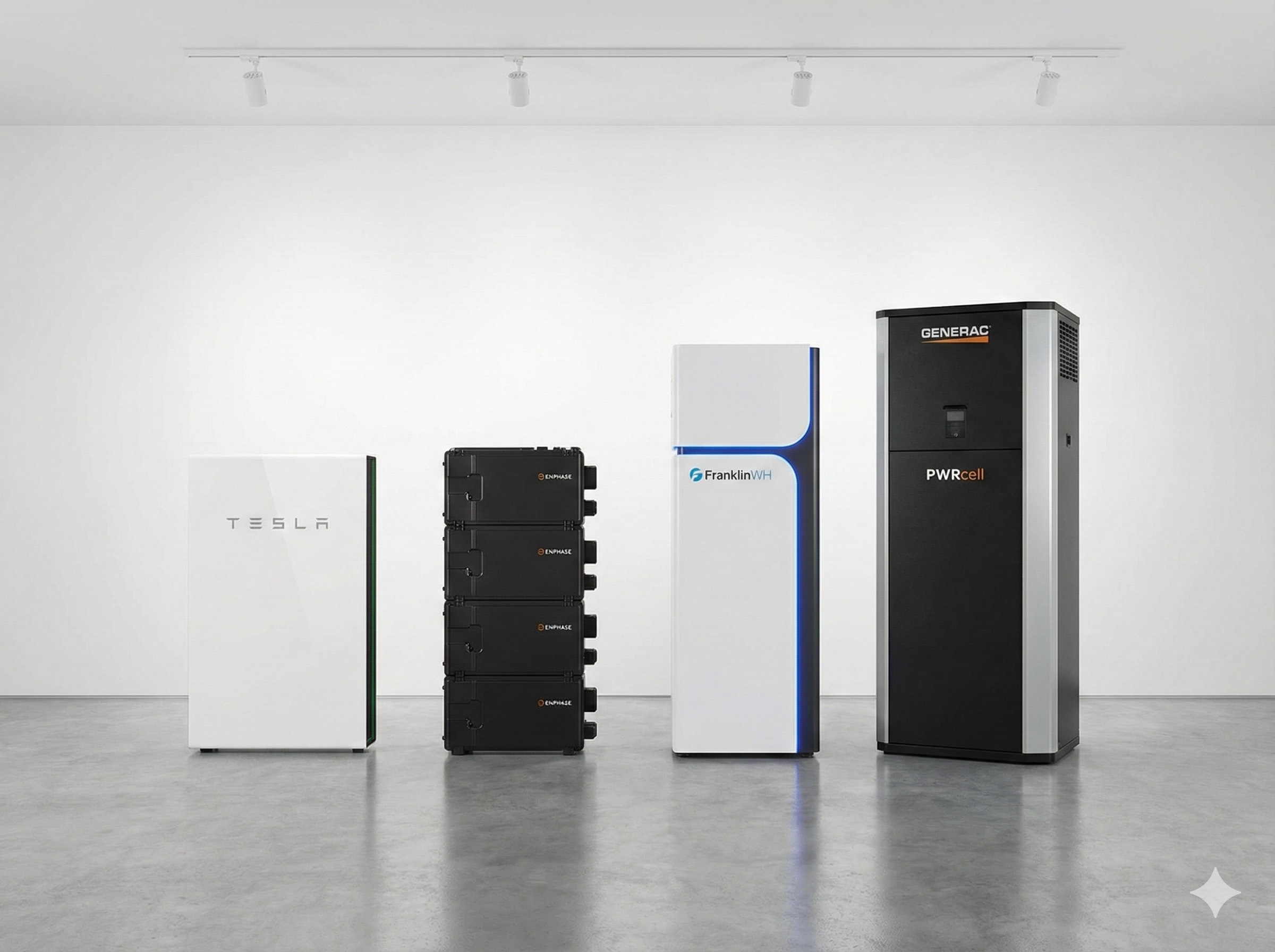
Side-by-side comparison of Tesla Powerwall, Enphase IQ Battery, FranklinWH, and Generac PWRcell home batteries
Major home battery brands compared: Tesla, Enphase, FranklinWH, and Generac

Texas Solar Battery Costs: What to Expect

When comparing solar battery price in Texas, the numbers favor local buyers. According to EnergySage marketplace data from November 2025, Texas homeowners pay an average of $1,344 per kWh for installed solar battery storage—roughly 10–20% below the national average due to competitive labor markets.

Texas System Cost Examples:

System Size Gross Cost After 30% Credit (2025 Installs Only)
10 kWh $13,440 $9,408
13 kWh $17,472 $12,230
20 kWh $26,880 $18,816

Texas has no state-specific battery rebates, and the federal Residential Clean Energy Credit is not available for systems placed in service after December 31, 2025. Even so, competitive pricing and frequent grid instability keep Texas a strong market for home battery investment.

If you have solar panels, pairing them with our solar buyback program can maximize your energy savings while batteries provide security during outages.
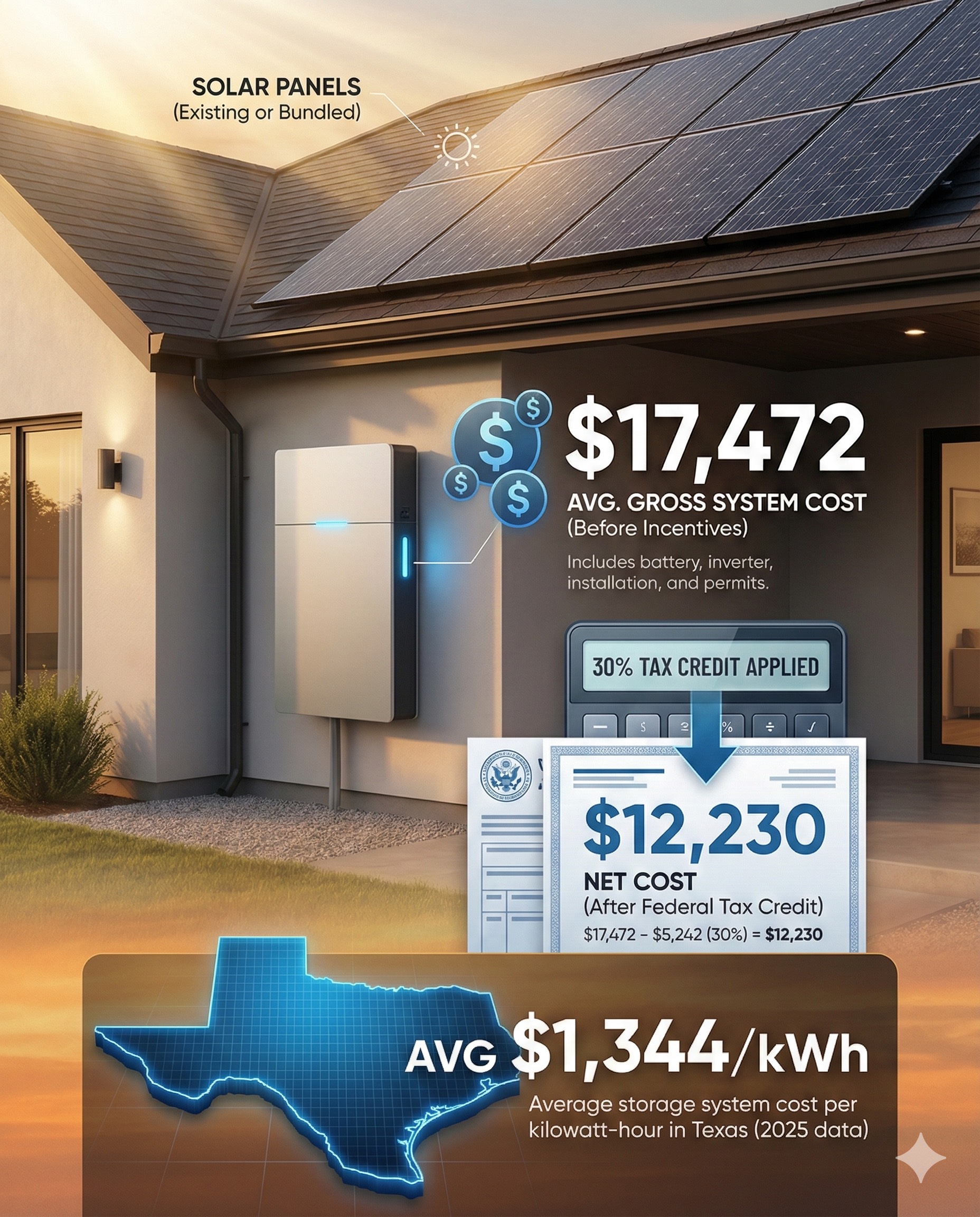
Texas solar battery cost infographic showing $17,472 average cost before 30% tax credit reducing to $12,230
Texas solar battery cost breakdown

Which Solar Battery Is Right for You?

Now that you understand solar battery price differences, here's how to choose the right option for your home.

Choose Tesla Powerwall 3 if:

  • Best value is your top priority
  • You want the lowest solar battery cost per kWh
  • Texas heat tolerance matters for long term performance
  • You're installing a new solar power system

Choose Enphase IQ Battery if:

  • You already have Enphase microinverters
  • Modular expansion is important to your plans
  • You prefer longer warranty coverage (15 years)
  • Gradual investment fits your budget better

Choose FranklinWH if:

  • Whole-home backup power is essential
  • Mid-range budget with solid features
  • Intelligent energy management appeals to you

Choose Generac PWRcell if:

  • You have a large home with high power needs
  • Brand familiarity from generators matters
  • Maximum scalability is required

Our Recommendation

After analyzing every major solar battery price point, the Tesla Powerwall 3 delivers the best combination of value, performance, and reliability for most Texas homeowners.

At $1,140 per kWh installed, it's the most affordable option among major brands. The lithium iron phosphate chemistry handles Texas summers without degradation, and the integrated inverter eliminates additional equipment costs. For systems installed by the end of 2025, the 30% federal tax credit brought that to $9,450–$10,780 for a complete 13.5 kWh system.

Budget Pick: The EG4 at $986 per kWh offers the absolute lowest cost for homeowners willing to work with smaller installers.

Important: The 30% tax credit is not available for systems placed in service after December 31, 2025. A battery installed in 2026 doesn't qualify, so budget for the full system price.

Ready to explore your options? Get your free energy quote to compare solar battery prices for your specific situation.

Frequently Asked Questions

How much does a solar battery cost in 2025?

The average solar battery price ranges from $9,000 to $19,000 nationally. In Texas, the average 13 kWh system costs $17,472 before incentives. Cost per kWh varies from $986 (EG4) to $1,385 (Generac) depending on brand.

What is the cheapest solar battery per kWh?

For the lowest solar battery price per kWh, Tesla Powerwall 3 offers $1,140 installed. For absolute budget buyers, EG4 provides $986 per kWh through select installers. Both use lithium ion batteries with solid warranties.

Is the 30% tax credit still available for batteries?

No. According to the IRS, the federal Residential Clean Energy Credit is not available for systems placed in service after December 31, 2025. Batteries installed by then, including standalone batteries not paired with solar, could qualify.

How long do solar batteries last?

Modern solar batteries last 10–15 years under normal use, with LFP chemistry often reaching 15–20 years. Most manufacturers warranty 6,000–10,000 cycles with guaranteed 70% capacity retention. Lead acid batteries, by comparison, typically last only 3–5 years.

Are solar batteries worth it in Texas?

Yes, particularly given Texas grid reliability concerns and extreme summer temperatures. LFP batteries handle heat better than other chemistry types, and frequent outages make backup power increasingly valuable.


Last updated: December 2025 | Solar battery price data current as of publication

$85.27 per 1,000 kWh: TNMP's New Delivery Rates Top the PUCT Table, and December Bills Add a One-Month Surcharge

TNMP TDU delivery charges are $7.56 a month plus 7.7710 cents per kWh as of October 1, 2026, or $85.27 at 1,000 kWh, the highest on the PUCT's table. Two September steps added $12.75, and December 2026 bills add a one-month Rider IS surcharge.
Read More >>

Texas Picked Its 2027-28 Backup Electricity Providers. How POLR Service Works If Your Provider Shuts Down

Texas approved its 2027-28 provider of last resort list on Oct. 9, 2026. Your power stays on if your provider fails, and you can leave POLR service any time.
Read More >>

ERCOT's December 2026 Outlook Puts Grid Emergency Odds at 2.95% in Its Riskiest Hour. What a Texas Winter Storm Can and Can't Do to Your Electric Bill

ERCOT's December 2026 outlook puts the riskiest hour, 8 a.m. on December's peak-load day, at a 2.95% chance of an Energy Emergency Alert, well under its 10% low-risk line. Here is what a Texas winter storm can and can't do to your electric bill.
Read More >>

Houston Delivery Charges Fell on August 15. They Jumped September 1 and Rose Again for Meters Read September 30. What That Does to Your October Bill.

CenterPoint delivery charges dipped on August 15, jumped back up September 1, and rose again for Houston meters read on or after September 30. Here's what it means for your October bill.
Read More >>

Lubbock Electricity Rates Change November 1: LP&L's New $2.50 Base Charge Means Smaller Homes Pay More and Bigger Homes Pay Less

LP&L adds a $2.50 monthly base charge and cuts delivery to 6.008 cents per kWh on Nov 1, 2026. Homes under 822 kWh a month pay more, bigger homes pay less.
Read More >>

How to Dispute an Electric Bill in Texas: What the PUCT's New Complaint Process Changes, and What It Doesn't

To dispute an electric bill in Texas, write to your provider first (21 days to answer), then file with the PUCT. On October 21, 2026 the PUCT ends formal complaints. Here is what changes and what stays the same.
Read More >>

Direct Energy Free Nights Review: What the EFL Actually Charges After the Free Window

Direct Energy free nights (Twelve Hour Power) is free 9 p.m. to 9 a.m. As of September 29, 2026, the 12-month EFLs charge 34.5 to 35.4 cents per kWh after the free window. Here is the break-even math.
Read More >>

27 Texas Electricity Plans Got Withdrawn on September 12 Alone. Here Is the Best Time to Renew Your Contract This Fall.

Best time to renew a Texas electricity contract: the fall shoulder window and the 14 days before your end date. 27 plans got pulled Sept 12. Here is the clock.
Read More >>

SmartEnergy Just Launched a $200 Bill Credit Plan on September 3. Here Is How Bill Credit Plans Actually Work in Texas (And When You Lose the Credit)

SmartEnergy launched a $200 bill credit plan on September 3, 2026. Here is how Texas bill credit plans actually work, and the four conditions that forfeit the credit.
Read More >>

No Deposit Light Companies in Texas: What You Actually Qualify For Without a Credit Check

Four legal ways to skip a Texas electricity deposit as of September 2026: soft-check plans, PUCT Rule 25.478 waivers, letters of credit, or prepaid Rule 25.498 plans. What each costs and who qualifies.
Read More >>

Every Ambit Energy Plan Compared for 2026: Rates, Terms, Fees and Who Each One Actually Suits

Compare every Ambit Energy plan in Texas for 2026 side by side: Lone Star Classic 12 and 24, Flex, Free and Clear Nights, Solar Buyback, small business TSC. Rates, fees, terms and who each one actually suits.
Read More >>

Your Oncor Delivery Charge Went Down on August 1. Your Bill Still Went Up $2.73. Here Is Where the Money Went.

Oncor's per-kWh delivery rate dropped on August 1, 2026, but a new PUCT-approved Rider IS surcharge started the same day. Here is the exact math on the $2.73 bill increase.
Read More >>

TXU Free Nights and Weekends vs Ambit Free and Clear Nights: The Break-Even Math on Both Plans

Comparing TXU Free Nights and Weekends vs Ambit Free and Clear Nights: hours, rates, ETFs, and the smart-meter break-even math your bill actually needs.
Read More >>

Should Texans Lock In a Fixed-Rate Electricity Plan This August? Here Is What the Forward Price Curve Says

August 2026 fixed vs variable Texas electricity rates. What the ERCOT forward curve says about winter 2026-2027 and a five-filter lock-in decision framework.
Read More >>

Commercial Electricity Rates in Texas Are Repricing Right Now. A Small Business Renewal Guide for August 2026

Texas commercial electricity rates average 5.98 to 8.35 cents per kWh in August 2026 as TDU charges reset. Here is when to lock and what to compare on renewal.
Read More >>

Texas Electric Bill Too High After the July Heat Wave? The 4 Assistance Programs That Actually Help in 2026

Four Texas assistance programs will actually pay part of your summer electric bill: CEAP, Texas Utility Help, 2-1-1, and Salvation Army. 2026 eligibility, benefit amounts, and how to apply.
Read More >>
1 2 … 16