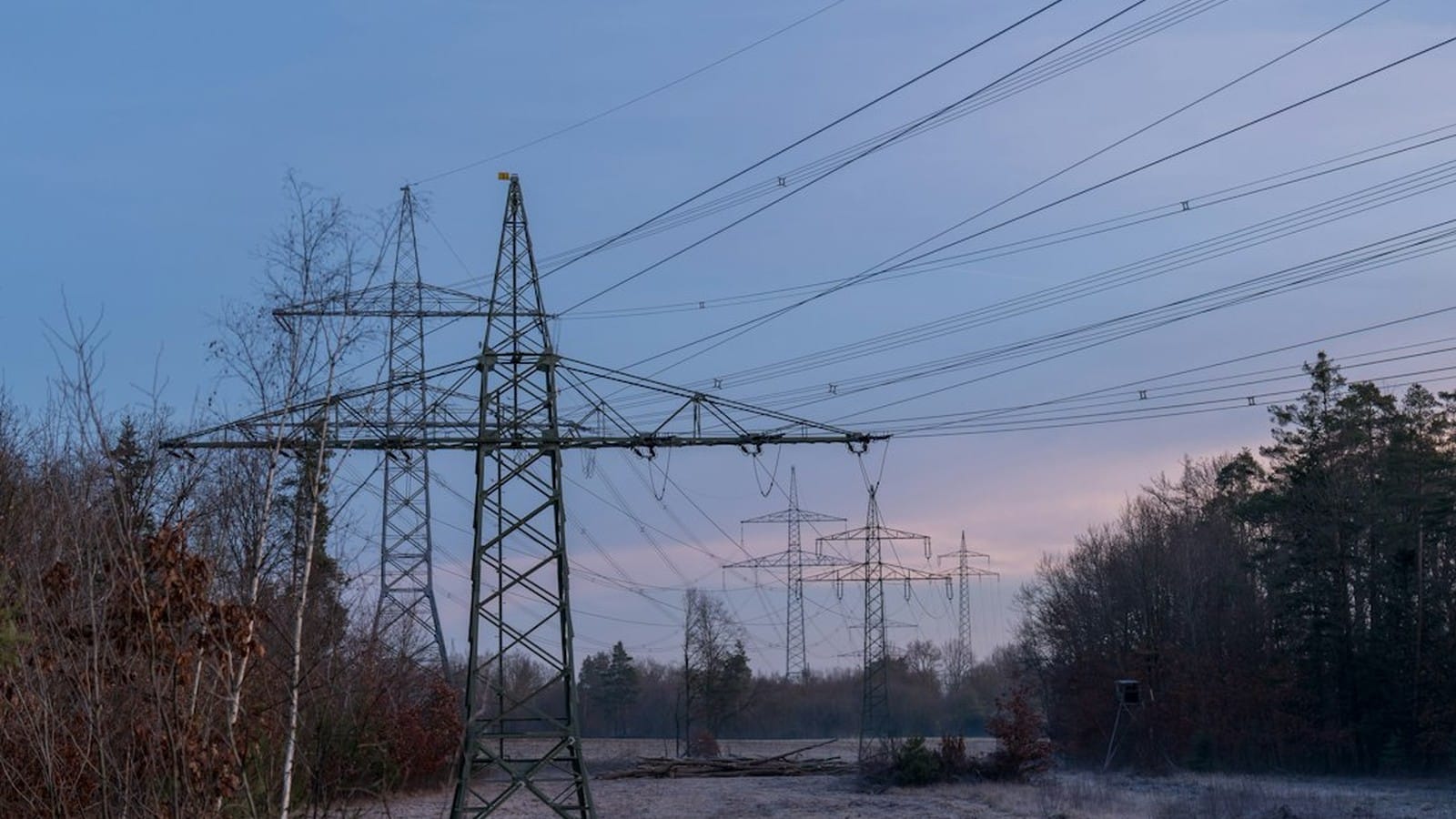
Texas Just Approved $166 Million in Energy Bill Assistance. Here's Who Qualifies and How to Save Before It Starts.

Texas Just Approved $166 Million in Energy Bill Assistance. Here's Who Qualifies and How to Save Before It Starts.

July 14, 2026
by
Shawn Cornett

Many Texans are feeling the heat this summer when they open the electricity bill. Family budgets are being tested by the high cost of cooling a home through record heat, leaving households wondering how to balance the budget with keeping the A/C running. Some relief is on the way. Governor Greg Abbott recently announced a historic amount of energy assistance funding for Texas households.

Governor Abbott announced on June 9, 2026 that Texas would receive $166 million in federal energy assistance funds. The Texas Department of Housing and Community Affairs (TDHCA) administers these federally funded energy assistance programs. Beginning January 1, 2027, eligible Texans can receive funds to pay utility bills, weatherize homes, and upgrade heating and cooling appliances.

This post is written for Ambit Brand customers, which is Texas households and small businesses shopping for retail electricity plans on the deregulated ERCOT market. It explains what the state is funding, who qualifies, how to apply, and what a Texas family can do until the TDHCA funds become available in January.

Funding Breakdown

Texas received $166 million in federal funding from two long-standing programs. TDHCA administers both at the local level. CEAP is the LIHEAP-funded utility bill assistance program, and the Weatherization Assistance Program (WAP) funds work that makes homes more energy efficient.

Per the Governor's June 9 announcement and the follow-up notice from TDHCA, funds may be used for: assistance with utility bills (past due or future electric, gas, or propane bills), weatherization work (insulation, air sealing, duct sealing), repair or replacement of health and safety related heating, cooling, and refrigeration equipment, and consumer counseling and case management for budgeting energy costs.

TDHCA does not take applications directly. Each of Texas' 254 counties has a local subrecipient agency (usually a city, county, or nonprofit community action agency) that distributes all funds. Related context: Texas utility shutoffs are rising, and knowing your relief options before a notice lands makes a real difference.

Who Is Eligible for CEAP and Weatherization Assistance

LIHEAP sets a national income ceiling of 150 percent of the Federal Poverty Level, and TDHCA uses that for CEAP. For 2026, a one person household is approximately $29,480; two people is $39,920; three is $50,360; and four is $60,800. For larger households, add about $10,440 for each additional person. TDHCA will release the 2027 income table before the funds become available in January.

To qualify, you do not need to already be behind on your bill. Households with a disconnection notice, a scheduled shutoff, or a documented medical need are prioritized, but any Texas family with income under the requirement may apply for help with a future bill. Both renters and homeowners qualify.

You still qualify if your income is below the limit, whether you own solar, are a customer on Texas Solar Buyback, or are on a fixed rate through 2027. The program looks at income, not what electricity plan you are on.

When and How to Apply

The best step for Texas families who believe they may qualify is to call 2-1-1 or 800-500-7074. The 2-1-1 line is a free statewide help line, and a case worker will match your ZIP code with the county CEAP provider for your location.

After finding your local agency, ask three questions. First, are you accepting CEAP or LIHEAP applications now, or should I call back after January 1, 2027? Second, what documentation do I need? That is usually a photo ID, proof of income from the last 30 days, a recent copy of your electricity bill, and Social Security cards for everyone in the house. Third, prior to the new funds opening, is there any interim assistance available right now?

Local agencies know what they have in stock. Some still have leftover funds from earlier LIHEAP cycles and can help immediately. Others will start waiting lists for the January 2027 funding. A full list of CEAP contract holders is available at tdhca.texas.gov.

Calling early will not be penalized, and there is no fee to apply. If anyone tries to charge you a fee to help you apply, it is a scam.

What Texas Households Can Do About Their Summer Bill Right Now

Waiting six months is a long time, especially when the hottest bills of the year land between July and September. Here are five practical moves any Texas household can make this week to lower the number on the next bill, no matter what your income is.

Read the Electricity Facts Label on your current plan. Every retail electricity plan in Texas comes with an EFL that lists out the energy charge, the base charge, and the TDU delivery charge by level of usage. A lot of families are on a plan that penalizes high summer usage and never notice. Plans designed for higher usage are the better choice for anyone using above 1,000 kWh per month. If you have never read one carefully, our line-by-line EFL walkthrough shows what to look for. Delivery charges specifically have moved this year, as we covered in why your Texas electric bill jumped in June 2026.

Check your contract expiration date. If your fixed-rate contract has expired and you have rolled to a month-to-month rate, your kWh price may have jumped significantly. Rolled-over month-to-month rates are often the most expensive product a retailer offers. Locking in a new fixed-rate plan like Ambit's Lone Star Classic, or moving to a straightforward variable option like Lone Star Flex, can rein that in. Our fixed vs variable guide walks through which fit which household.

Shift heavy usage into off-peak hours. The 3 to 7 p.m. window is where a lot of households run dishwashing, laundry, pool pumping, and EV charging. If your family already uses a lot of overnight or weekend electricity, a plan with free nights or free weekends may cut a meaningful percentage off your bill without changing anything about the house itself. See our free nights vs free weekends comparison to see which pattern matches your household.

Set the thermostat one to two degrees higher on days when the house is empty. The U.S. Department of Energy notes that raising the thermostat during hot weather delivers meaningful cooling savings, especially when the house is empty for eight hours a day.

Ask your current provider about a payment plan before you fall behind. Every retail electric provider in Texas has to offer a deferred payment plan under Public Utility Commission of Texas rules if you request one in good faith. Getting on a plan before a shutoff notice arrives is easier than fighting one after.

The Bigger Picture

$166 million is real help, but it is not a full solution for a Texas summer. Think of it as a safety net for the households that need it most while the rest of the state deals with rising delivery charges, a growing grid, and record peak demand. Plan choice is still the single biggest lever a Texas family controls, and the summer months are when a poorly matched plan hurts the most.

Households within the income limits should put a reminder on the calendar for January 1, 2027 and make the 2-1-1 call now to get on the local agency's list. Households above the income limits should use the summer to review the Electricity Facts Label, the contract expiration date, and the household's usage pattern. Both paths lead to the same place: a lower bill in August.

Rates and plan availability change. Plan details and Electricity Facts Labels are provided upon request as of July 14, 2026, and enrollment is subject to credit approval. Ambit Energy offers Lone Star Classic, Lone Star Flex, Free and Clear Nights, and Texas Solar Buyback plans through vipenergyservice.com. Earnings vary for Ambit consultants, and this article covers Ambit Brand plan choices for Texas customers, not the consultant opportunity.

Sources

ERCOT's December 2026 Outlook Puts Grid Emergency Odds at 2.95% in Its Riskiest Hour. What a Texas Winter Storm Can and Can't Do to Your Electric Bill

ERCOT's December 2026 outlook puts the riskiest hour, 8 a.m. on December's peak-load day, at a 2.95% chance of an Energy Emergency Alert, well under its 10% low-risk line. Here is what a Texas winter storm can and can't do to your electric bill.
Read More >>

Houston Delivery Charges Fell on August 15. They Jumped September 1 and Rose Again for Meters Read September 30. What That Does to Your October Bill.

CenterPoint delivery charges dipped on August 15, jumped back up September 1, and rose again for Houston meters read on or after September 30. Here's what it means for your October bill.
Read More >>

Lubbock Electricity Rates Change November 1: LP&L's New $2.50 Base Charge Means Smaller Homes Pay More and Bigger Homes Pay Less

LP&L adds a $2.50 monthly base charge and cuts delivery to 6.008 cents per kWh on Nov 1, 2026. Homes under 822 kWh a month pay more, bigger homes pay less.
Read More >>

How to Dispute an Electric Bill in Texas: What the PUCT's New Complaint Process Changes, and What It Doesn't

To dispute an electric bill in Texas, write to your provider first (21 days to answer), then file with the PUCT. On October 21, 2026 the PUCT ends formal complaints. Here is what changes and what stays the same.
Read More >>
Direct Energy Free Nights Review: What the EFL Actually Charges After the Free Window

Direct Energy free nights (Twelve Hour Power) is free 9 p.m. to 9 a.m. As of September 29, 2026, the 12-month EFLs charge 34.5 to 35.4 cents per kWh after the free window. Here is the break-even math.
Read More >>
27 Texas Electricity Plans Got Withdrawn on September 12 Alone. Here Is the Best Time to Renew Your Contract This Fall.

Best time to renew a Texas electricity contract: the fall shoulder window and the 14 days before your end date. 27 plans got pulled Sept 12. Here is the clock.
Read More >>

SmartEnergy Just Launched a $200 Bill Credit Plan on September 3. Here Is How Bill Credit Plans Actually Work in Texas (And When You Lose the Credit)

SmartEnergy launched a $200 bill credit plan on September 3, 2026. Here is how Texas bill credit plans actually work, and the four conditions that forfeit the credit.
Read More >>

No Deposit Light Companies in Texas: What You Actually Qualify For Without a Credit Check

Four legal ways to skip a Texas electricity deposit as of September 2026: soft-check plans, PUCT Rule 25.478 waivers, letters of credit, or prepaid Rule 25.498 plans. What each costs and who qualifies.
Read More >>
Every Ambit Energy Plan Compared for 2026: Rates, Terms, Fees and Who Each One Actually Suits

Compare every Ambit Energy plan in Texas for 2026 side by side: Lone Star Classic 12 and 24, Flex, Free and Clear Nights, Solar Buyback, small business TSC. Rates, fees, terms and who each one actually suits.
Read More >>
Your Oncor Delivery Charge Went Down on August 1. Your Bill Still Went Up $2.73. Here Is Where the Money Went.

Oncor's per-kWh delivery rate dropped on August 1, 2026, but a new PUCT-approved Rider IS surcharge started the same day. Here is the exact math on the $2.73 bill increase.
Read More >>

TXU Free Nights and Weekends vs Ambit Free and Clear Nights: The Break-Even Math on Both Plans

Comparing TXU Free Nights and Weekends vs Ambit Free and Clear Nights: hours, rates, ETFs, and the smart-meter break-even math your bill actually needs.
Read More >>

Should Texans Lock In a Fixed-Rate Electricity Plan This August? Here Is What the Forward Price Curve Says

August 2026 fixed vs variable Texas electricity rates. What the ERCOT forward curve says about winter 2026-2027 and a five-filter lock-in decision framework.
Read More >>

Commercial Electricity Rates in Texas Are Repricing Right Now. A Small Business Renewal Guide for August 2026

Texas commercial electricity rates average 5.98 to 8.35 cents per kWh in August 2026 as TDU charges reset. Here is when to lock and what to compare on renewal.
Read More >>
Texas Electric Bill Too High After the July Heat Wave? The 4 Assistance Programs That Actually Help in 2026

Four Texas assistance programs will actually pay part of your summer electric bill: CEAP, Texas Utility Help, 2-1-1, and Salvation Army. 2026 eligibility, benefit amounts, and how to apply.
Read More >>

How to Read Your Texas Electricity Facts Label: The 6 Numbers That Actually Tell You What a Plan Will Cost

The 6 numbers on every Texas Electricity Facts Label that decide your bill: average price per kWh, base charge, energy charge, TDU delivery, bill credits, and cancellation fees. Worked math plus a real two-plan comparison.
Read More >>
Same-Day Electricity No Deposit in Texas: How to Turn Power On Today Without a Credit Check

Turn on same-day electricity in Texas with no deposit or credit check. Compare provider cutoffs, PUCT deposit-waiver rules, and the 3-Path Same-Day Framework.
Read More >>
1 2 … 16