Unveiling the Hidden Fees on Your Electricity Bill in Texas | Ambit Energy, TX

hidden-fees-on-an-electricity-bill-in-Texas

Unveiling the Hidden Fees on Your Electricity Bill in Texas | Ambit Energy, TX

April 9, 2024
by
Shawn Cornett

In the realm of personal finance, few things can be as frustrating as discovering hidden fees on your bills. Electricity bills, in particular, can be notorious for these sneaky charges that often go unnoticed until they start significantly impacting your monthly expenses. If you're a resident of Texas or any other state with a deregulated energy market, understanding and identifying these hidden fees is crucial for maintaining control over your utility costs.

First and foremost, let's dive into why these hidden fees are a cause for concern. Unlike visible charges like your base rate or taxes, hidden fees often lurk in the fine print of your electricity bill. They can manifest in various forms, from early termination fees to minimum usage charges and tiered pricing structures. The problem with these fees is that they can significantly inflate your bill without you even realizing it, leading to unexpected financial strain.

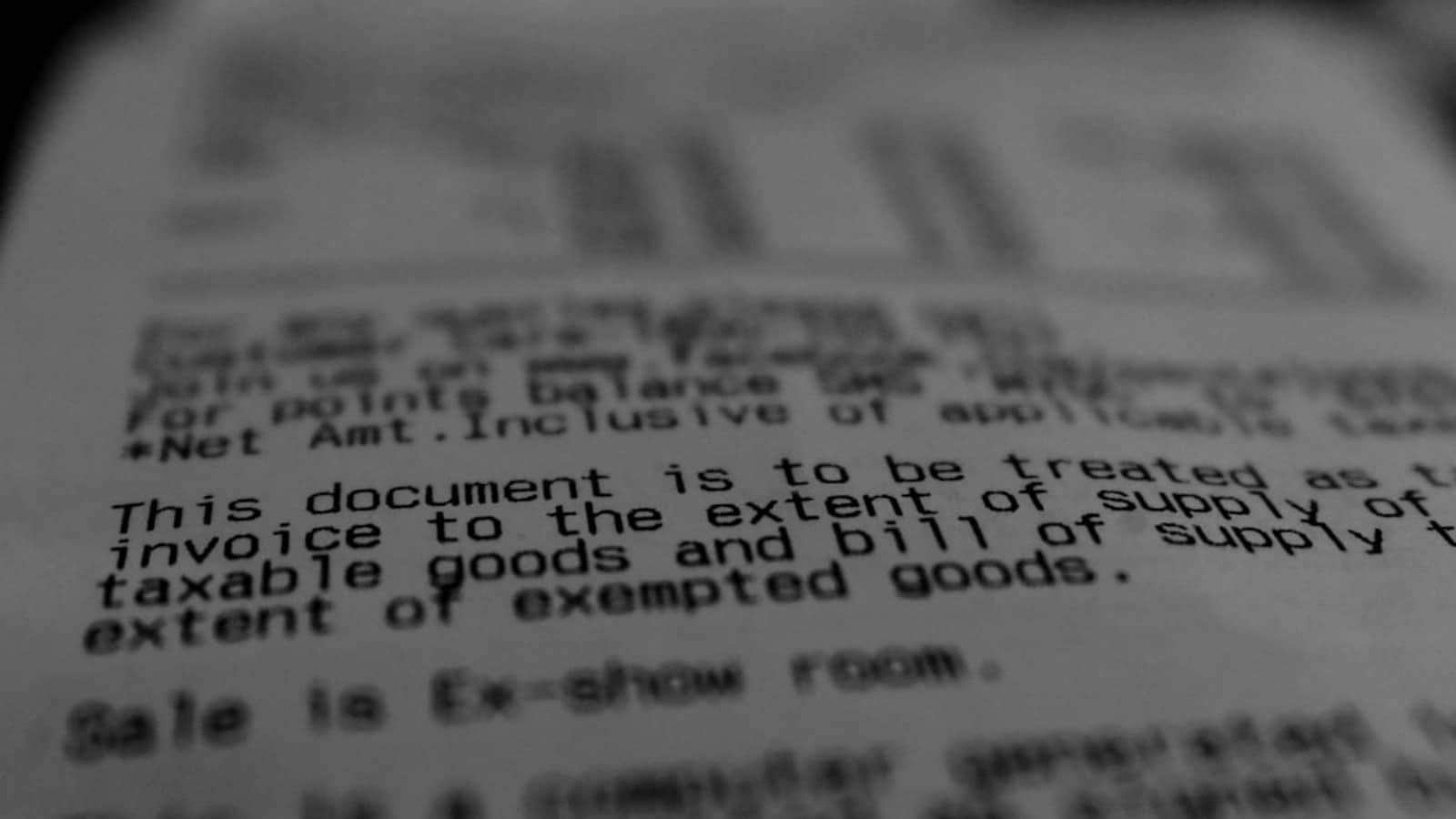
One of the essential steps in protecting yourself from these hidden fees is to obtain and carefully review your Electricity Facts Label (EFL) from your energy provider. The EFL is a standardized document that outlines the key details of your energy plan, including pricing, fees, and terms of service. By comparing the information on your EFL with your actual bill, you can ensure transparency and identify any discrepancies or hidden charges.

"It's important to carefully review your electric bill and understand the charges included. If you have any questions or concerns about specific fees, it's advisable to contact your electricity provider directly for clarification." Source: Hidden Fees and Charges on Your Electric Bill

Let's delve deeper into some of the most common hidden fees found on electricity bills in Texas:

Early Termination Charges

Early termination charges are fees imposed by energy providers when customers switch or cancel their plans before the contract term expires. These fees can be substantial and act as a deterrent for consumers looking to explore better energy options. It's crucial to be aware of these charges before signing up for a plan to avoid unexpected penalties down the line.

Minimum Usage Charges

Some energy plans come with minimum usage requirements, meaning you must use a certain amount of electricity each month to avoid additional fees. While this may seem straightforward, failing to meet the minimum usage threshold can result in extra charges, even if your overall consumption is lower than expected. Understanding your plan's minimum usage requirements is key to avoiding unnecessary fees.

Tiered Pricing Structures

Many electricity plans in Texas and other deregulated markets feature tiered pricing structures, where the rate per kilowatt-hour (kWh) varies based on your usage levels. While lower tiers may offer attractive rates, exceeding a specific usage threshold can trigger higher rates for additional kWh consumed. This tiered pricing system can lead to significant cost fluctuations if you're not mindful of your energy consumption.

Hidden Taxes and Surcharges

Beyond the core energy charges, electricity bills often include various taxes, surcharges, and regulatory fees. While these fees are typically disclosed on your bill, they can still contribute significantly to your overall costs. It's essential to review these charges carefully and understand their purpose to ensure you're not overpaying due to hidden fees.

Green Energy Charges

As more consumers opt for renewable energy plans, some providers may include additional charges for green energy initiatives or renewable energy credits. While supporting sustainability is commendable, it's essential to be aware of any extra fees associated with green energy options and assess whether the benefits align with your budget and environmental goals.

Navigating the complexities of electricity bills in Texas requires diligence and awareness of potential hidden fees. By obtaining and reviewing your Electricity Facts Label, understanding your plan's terms and conditions, and monitoring your energy usage, you can mitigate the risk of falling victim to hidden charges. Remember, staying informed and proactive is the key to maintaining control over your utility expenses and ensuring transparency in your energy billing.



Your Texas Fixed Rate Can Still Change for 3 Reasons. The PUCT Is Now Weighing a Fourth

Fixed rate electricity plans in Texas can change only for TDU charges, ERCOT admin fees or new laws. The PUCT is now weighing a fourth: grid reserve costs.
Read More >>

Budget Billing Won't Lower What You Pay. Here's What Average Monthly Billing Does in Texas

Budget billing won't lower what you pay in Texas. See how Ambit's Average Monthly Billing works, when the carried balance peaks, and who should skip it.
Read More >>

Opening a New Business Location in Texas? How to Set Up Electricity Before Move-In Day

To set up electricity for a new Texas business location, find the ESI ID, confirm the TDU, estimate peak demand, choose a plan and schedule the move-in.
Read More >>

How to Use Smart Meter Texas to Price Your Next Electricity Plan

Smart Meter Texas holds up to two years of your usage. Here's how to register, download it and price any Texas plan's EFL at your real kWh, winter included.
Read More >>

$85.27 per 1,000 kWh: TNMP's New Delivery Rates Top the PUCT Table, and December Bills Add a One-Month Surcharge

TNMP TDU delivery charges are $7.56 a month plus 7.7710 cents per kWh as of October 1, 2026, or $85.27 at 1,000 kWh, the highest on the PUCT's table. Two September steps added $12.75, and December 2026 bills add a one-month Rider IS surcharge.
Read More >>

Texas Picked Its 2027-28 Backup Electricity Providers. How POLR Service Works If Your Provider Shuts Down

Texas approved its 2027-28 provider of last resort list on Oct. 9, 2026. Your power stays on if your provider fails, and you can leave POLR service any time.
Read More >>

ERCOT's December 2026 Outlook Puts Grid Emergency Odds at 2.95% in Its Riskiest Hour. What a Texas Winter Storm Can and Can't Do to Your Electric Bill

ERCOT's December 2026 outlook puts the riskiest hour, 8 a.m. on December's peak-load day, at a 2.95% chance of an Energy Emergency Alert, well under its 10% low-risk line. Here is what a Texas winter storm can and can't do to your electric bill.
Read More >>

Houston Delivery Charges Fell on August 15. They Jumped September 1 and Rose Again for Meters Read September 30. What That Does to Your October Bill.

CenterPoint delivery charges dipped on August 15, jumped back up September 1, and rose again for Houston meters read on or after September 30. Here's what it means for your October bill.
Read More >>

Lubbock Electricity Rates Change November 1: LP&L's New $2.50 Base Charge Means Smaller Homes Pay More and Bigger Homes Pay Less

LP&L adds a $2.50 monthly base charge and cuts delivery to 6.008 cents per kWh on Nov 1, 2026. Homes under 822 kWh a month pay more, bigger homes pay less.
Read More >>

How to Dispute an Electric Bill in Texas: What the PUCT's New Complaint Process Changes, and What It Doesn't

To dispute an electric bill in Texas, write to your provider first (21 days to answer), then file with the PUCT. On October 21, 2026 the PUCT ends formal complaints. Here is what changes and what stays the same.
Read More >>

Direct Energy Free Nights Review: What the EFL Actually Charges After the Free Window

Direct Energy free nights (Twelve Hour Power) is free 9 p.m. to 9 a.m. As of September 29, 2026, the 12-month EFLs charge 34.5 to 35.4 cents per kWh after the free window. Here is the break-even math.
Read More >>

27 Texas Electricity Plans Got Withdrawn on September 12 Alone. Here Is the Best Time to Renew Your Contract This Fall.

Best time to renew a Texas electricity contract: the fall shoulder window and the 14 days before your end date. 27 plans got pulled Sept 12. Here is the clock.
Read More >>

SmartEnergy Just Launched a $200 Bill Credit Plan on September 3. Here Is How Bill Credit Plans Actually Work in Texas (And When You Lose the Credit)

SmartEnergy launched a $200 bill credit plan on September 3, 2026. Here is how Texas bill credit plans actually work, and the four conditions that forfeit the credit.
Read More >>

No Deposit Light Companies in Texas: What You Actually Qualify For Without a Credit Check

Four legal ways to skip a Texas electricity deposit as of September 2026: soft-check plans, PUCT Rule 25.478 waivers, letters of credit, or prepaid Rule 25.498 plans. What each costs and who qualifies.
Read More >>

Every Ambit Energy Plan Compared for 2026: Rates, Terms, Fees and Who Each One Actually Suits

Compare every Ambit Energy plan in Texas for 2026 side by side: Lone Star Classic 12 and 24, Flex, Free and Clear Nights, Solar Buyback, small business TSC. Rates, fees, terms and who each one actually suits.
Read More >>

Oncor Delivery Charges Rose $8.38 on October 4, 2026. Here's What Changed on Your Bill.

As of October 4, 2026, Oncor's residential delivery charge is 6.8673 cents per kWh, about $8.38 more a month at 1,000 kWh. Here's the rider math, what August really did, and what you can control.
Read More >>
1 2 … 16

Important message regarding earnings: Ambit Energy makes no guarantee or promise of income or business. Anyone considering building a full-time or part-time Ambit business should have realistic expectations of their potential income. Learn more at goambit.com/disclaimer.