Understanding Energy Deregulation in Texas: A Path to Consumer Choice | Ambit Energy, TX

Understanding Energy Deregulation in Texas: A Path to Consumer Choice

Understanding Energy Deregulation in Texas: A Path to Consumer Choice | Ambit Energy, TX

April 9, 2024
by
Shawn Cornett

Energy is a vital component of modern life, powering everything from our homes to our businesses. In Texas, residents enjoy a unique privilege: the ability to choose their energy provider. This freedom of choice stems from a concept known as energy deregulation, a policy that has had a significant impact on the energy landscape in the Lone Star State. In this blog post, we will delve into the intricacies of energy deregulation in Texas, exploring its history, implications, and benefits for consumers.

The Origins of Energy Deregulation

The story of energy deregulation in Texas dates back to the late 1990s, a period marked by significant shifts in energy policy across the United States. In 1997 and 1998, the country underwent a process of deregulation for electricity, aiming to introduce competition into the energy market and provide consumers with more options. However, it's essential to understand that this deregulation was not a uniform, nationwide policy but rather a framework that allowed individual states to decide how to implement it.

"SB 7 was one of the most important laws ever adopted for the Texas energy market," said R. A. Dyer, a policy analyst at the Texas Coalition for Affordable Power, a nonpartisan group that has tracked the effects of deregulation." Source : Texas's deregulated electricity market explained

Statewide Implementation

Unlike many other states, Texas embraced the concept of energy deregulation and implemented it on a statewide basis. This decision was pivotal, as it laid the foundation for a competitive energy market where multiple providers could offer their services to consumers. The key principle behind energy deregulation is to break the monopoly that traditional utilities often hold, fostering innovation, affordability, and choice.

The Benefits of Energy Deregulation

One of the primary benefits of energy deregulation in Texas is the freedom it gives consumers to choose their energy provider. Instead of being limited to a single utility company, Texans can shop around and compare different plans, rates, and services offered by various providers. This competition drives providers to offer competitive pricing, improved customer service, and innovative energy solutions tailored to consumers' needs.

Another advantage of energy deregulation is the promotion of renewable and sustainable energy sources. With the market open to multiple providers, consumers have the option to select renewable energy plans that align with their environmental values. This shift towards cleaner energy sources contributes to Texas' position as a leader in renewable energy production, particularly in wind and solar power.

Navigating the Deregulated Energy Market

For Texans, navigating the deregulated energy market involves understanding the options available and making informed choices. When shopping for an energy provider, consider factors such as pricing structures, contract terms, customer reviews, and the provider's commitment to renewable energy. Many providers offer fixed-rate plans, variable-rate plans, and green energy options, allowing consumers to tailor their energy plans to suit their preferences.

It's essential to compare multiple offers and read the fine print before signing up with an energy provider. Pay attention to factors like early termination fees, billing practices, and any additional services or perks offered. Additionally, take advantage of online tools and resources that can help you compare energy plans, estimate your energy usage, and track your energy consumption.

The Role of Regulation and Oversight

While energy deregulation opens up opportunities for consumer choice, it's crucial to recognize the role of regulation and oversight in ensuring a fair and transparent energy market. Regulatory bodies such as the Public Utility Commission of Texas (PUCT) play a vital role in overseeing energy providers, enforcing consumer protections, and resolving disputes. Consumers should familiarize themselves with their rights and responsibilities under energy deregulation and stay informed about regulatory developments that may impact their energy choices.

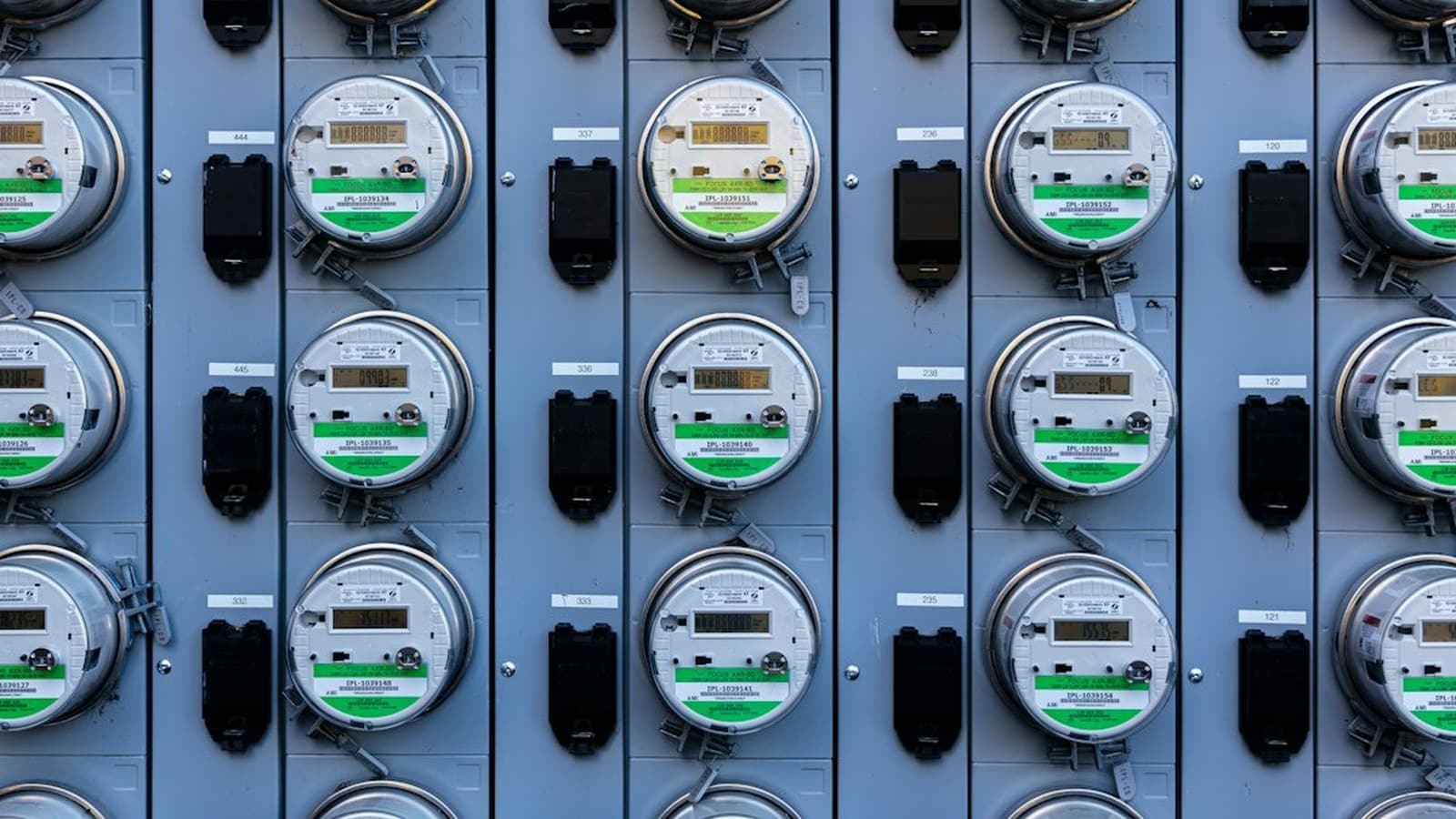
As Texas continues to embrace energy deregulation, the future of the state's energy market looks dynamic and promising. Advances in technology, such as smart meters, energy-efficient appliances, and grid modernization, will further enhance the consumer experience and promote sustainable energy practices. By staying informed, actively comparing energy plans, and advocating for a clean energy future, Texans can leverage the benefits of energy deregulation for years to come.



Your Texas Fixed Rate Can Still Change for 3 Reasons. The PUCT Is Now Weighing a Fourth

Fixed rate electricity plans in Texas can change only for TDU charges, ERCOT admin fees or new laws. The PUCT is now weighing a fourth: grid reserve costs.
Read More >>

Budget Billing Won't Lower What You Pay. Here's What Average Monthly Billing Does in Texas

Budget billing won't lower what you pay in Texas. See how Ambit's Average Monthly Billing works, when the carried balance peaks, and who should skip it.
Read More >>

Opening a New Business Location in Texas? How to Set Up Electricity Before Move-In Day

To set up electricity for a new Texas business location, find the ESI ID, confirm the TDU, estimate peak demand, choose a plan and schedule the move-in.
Read More >>

How to Use Smart Meter Texas to Price Your Next Electricity Plan

Smart Meter Texas holds up to two years of your usage. Here's how to register, download it and price any Texas plan's EFL at your real kWh, winter included.
Read More >>

$85.27 per 1,000 kWh: TNMP's New Delivery Rates Top the PUCT Table, and December Bills Add a One-Month Surcharge

TNMP TDU delivery charges are $7.56 a month plus 7.7710 cents per kWh as of October 1, 2026, or $85.27 at 1,000 kWh, the highest on the PUCT's table. Two September steps added $12.75, and December 2026 bills add a one-month Rider IS surcharge.
Read More >>

Texas Picked Its 2027-28 Backup Electricity Providers. How POLR Service Works If Your Provider Shuts Down

Texas approved its 2027-28 provider of last resort list on Oct. 9, 2026. Your power stays on if your provider fails, and you can leave POLR service any time.
Read More >>

ERCOT's December 2026 Outlook Puts Grid Emergency Odds at 2.95% in Its Riskiest Hour. What a Texas Winter Storm Can and Can't Do to Your Electric Bill

ERCOT's December 2026 outlook puts the riskiest hour, 8 a.m. on December's peak-load day, at a 2.95% chance of an Energy Emergency Alert, well under its 10% low-risk line. Here is what a Texas winter storm can and can't do to your electric bill.
Read More >>

Houston Delivery Charges Fell on August 15. They Jumped September 1 and Rose Again for Meters Read September 30. What That Does to Your October Bill.

CenterPoint delivery charges dipped on August 15, jumped back up September 1, and rose again for Houston meters read on or after September 30. Here's what it means for your October bill.
Read More >>

Lubbock Electricity Rates Change November 1: LP&L's New $2.50 Base Charge Means Smaller Homes Pay More and Bigger Homes Pay Less

LP&L adds a $2.50 monthly base charge and cuts delivery to 6.008 cents per kWh on Nov 1, 2026. Homes under 822 kWh a month pay more, bigger homes pay less.
Read More >>

How to Dispute an Electric Bill in Texas: What the PUCT's New Complaint Process Changes, and What It Doesn't

To dispute an electric bill in Texas, write to your provider first (21 days to answer), then file with the PUCT. On October 21, 2026 the PUCT ends formal complaints. Here is what changes and what stays the same.
Read More >>

Direct Energy Free Nights Review: What the EFL Actually Charges After the Free Window

Direct Energy free nights (Twelve Hour Power) is free 9 p.m. to 9 a.m. As of September 29, 2026, the 12-month EFLs charge 34.5 to 35.4 cents per kWh after the free window. Here is the break-even math.
Read More >>

27 Texas Electricity Plans Got Withdrawn on September 12 Alone. Here Is the Best Time to Renew Your Contract This Fall.

Best time to renew a Texas electricity contract: the fall shoulder window and the 14 days before your end date. 27 plans got pulled Sept 12. Here is the clock.
Read More >>

SmartEnergy Just Launched a $200 Bill Credit Plan on September 3. Here Is How Bill Credit Plans Actually Work in Texas (And When You Lose the Credit)

SmartEnergy launched a $200 bill credit plan on September 3, 2026. Here is how Texas bill credit plans actually work, and the four conditions that forfeit the credit.
Read More >>

No Deposit Light Companies in Texas: What You Actually Qualify For Without a Credit Check

Four legal ways to skip a Texas electricity deposit as of September 2026: soft-check plans, PUCT Rule 25.478 waivers, letters of credit, or prepaid Rule 25.498 plans. What each costs and who qualifies.
Read More >>

Every Ambit Energy Plan Compared for 2026: Rates, Terms, Fees and Who Each One Actually Suits

Compare every Ambit Energy plan in Texas for 2026 side by side: Lone Star Classic 12 and 24, Flex, Free and Clear Nights, Solar Buyback, small business TSC. Rates, fees, terms and who each one actually suits.
Read More >>

Oncor Delivery Charges Rose $8.38 on October 4, 2026. Here's What Changed on Your Bill.

As of October 4, 2026, Oncor's residential delivery charge is 6.8673 cents per kWh, about $8.38 more a month at 1,000 kWh. Here's the rider math, what August really did, and what you can control.
Read More >>
1 2 … 16

Important message regarding earnings: Ambit Energy makes no guarantee or promise of income or business. Anyone considering building a full-time or part-time Ambit business should have realistic expectations of their potential income. Learn more at goambit.com/disclaimer.