Understanding Electricity Prices per kWh: What Determines Your Rates and How to Save on Your Bill | Ambit Energy, TX

Energy service new feature graphic 1

Understanding Electricity Prices per kWh: What Determines Your Rates and How to Save on Your Bill | Ambit Energy, TX

November 1, 2024
by
Shawn Cornett

Introduction

Ever wondered why your electricity bill fluctuates, or how the cost per kilowatt-hour (kWh) is calculated? Understanding electricity prices per kWh can empower consumers to make smarter energy choices, lower their bills, and navigate the complexities of energy costs. This knowledge equips you with insights into what drives these prices and offers practical ways to manage your monthly expenses better.

What Does “Electricity Prices per kWh” Mean?

What is a Kilowatt-Hour?

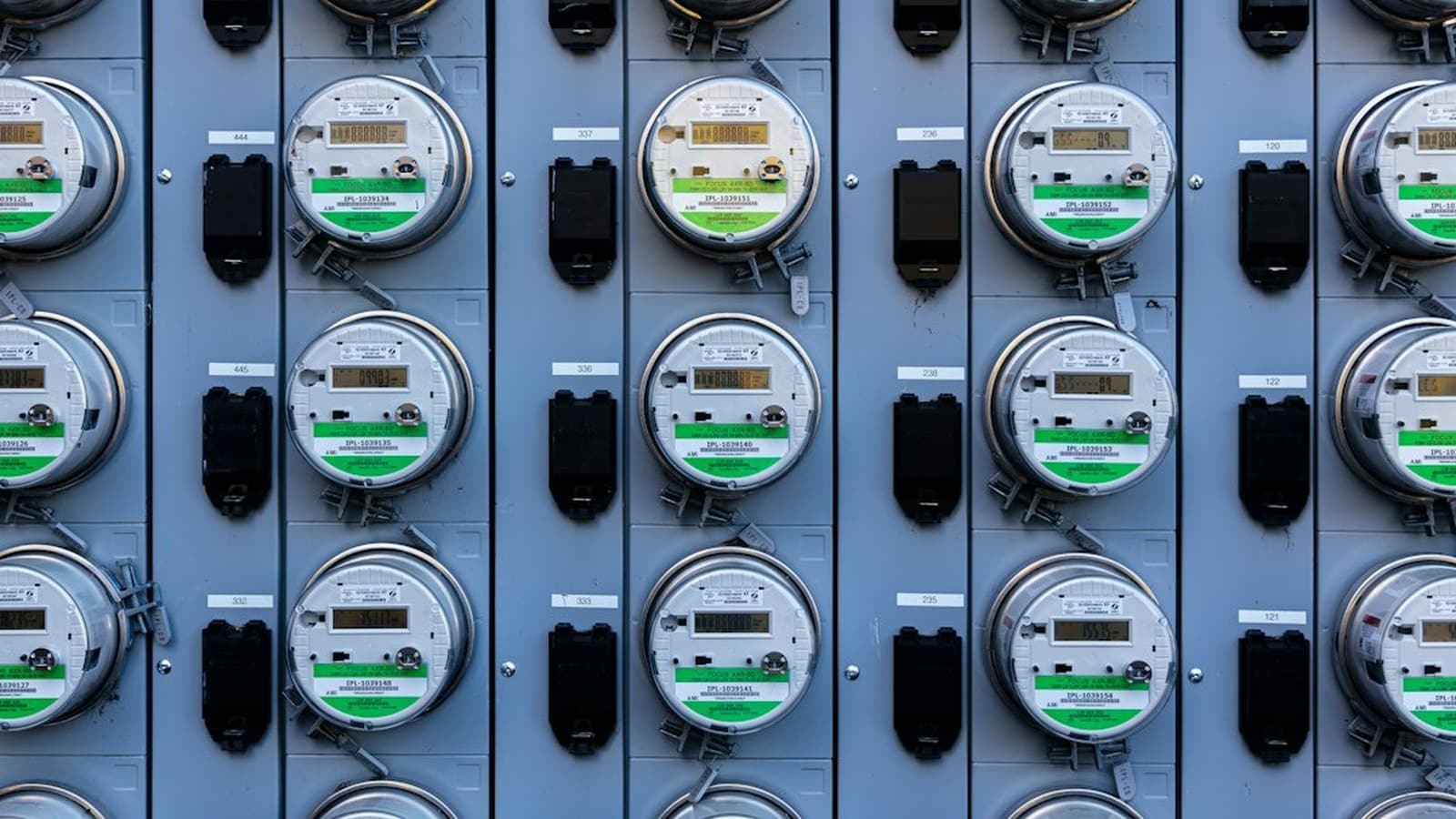
A kilowatt-hour (kWh) measures the amount of energy used over time. Essentially, one kWh is equivalent to using 1,000 watts of power for one hour. For example, if you have a 100-watt light bulb running for 10 hours, it consumes 1 kWh of electricity. This standardized unit helps utility companies bill customers based on their actual energy consumption, making it easy to compare energy use over time.

Why is Electricity Priced per kWh?

Electricity pricing per kWh allows consumers to see how much energy they are using and gives utility companies a fair way to charge for consumption. This standardized billing makes it easier to monitor usage patterns, encouraging users to adopt energy-saving measures and conserve energy when possible.

Factors Influencing Electricity Prices per kWh

Several factors can cause electricity prices to fluctuate, including the type of energy source, regional utility regulations, and market conditions. Here’s a closer look at the main elements that affect your electricity costs:

1. Energy Source

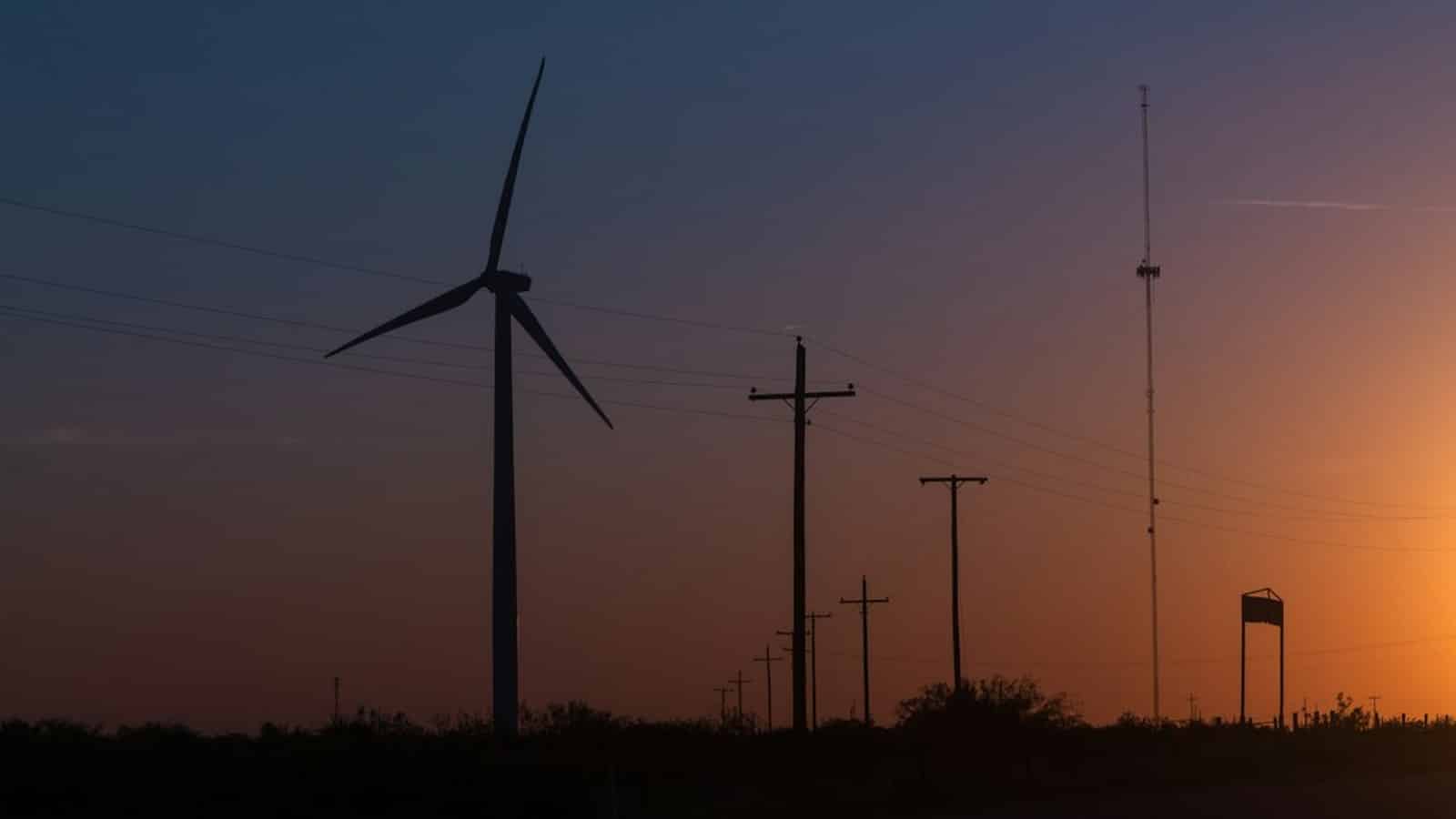
  • Coal, Natural Gas, and Renewables: The type of energy source impacts prices significantly. Renewable sources like solar or wind are becoming more competitive, often reducing costs over time. However, coal and natural gas prices fluctuate due to market demand, directly impacting electricity rates.

2. Location and Utility Regulations

  • Regional Differences, Taxes, and Fees: Electricity rates vary based on location due to differences in regulatory policies, taxes, and fees imposed by local authorities. States that rely heavily on imported fuel sources generally face higher electricity prices, while those with abundant natural resources may enjoy lower rates.

3. Seasonal Demand

  • Impact of Hot Summers and Cold Winters: Seasonal demand changes can spike electricity rates. For instance, hot summer months see increased air conditioning use, driving demand and potentially raising rates. Similarly, colder regions might experience rate increases in winter due to heating needs.

4. Market Prices and Energy Supply Chains

  • Economic Factors: Global events, natural disasters, and economic shifts can disrupt energy supply chains, affecting electricity prices. When energy supply is limited, prices per kWh tend to increase due to heightened demand.

Understanding Your Electricity Bill: Fixed vs. Variable Rates

Electricity pricing plans can be broken down into fixed and variable rates. Each has its benefits depending on usage patterns and market conditions.

Fixed Rates

With a fixed-rate plan, your cost per kWh remains constant throughout the contract period. This offers predictable billing and shields consumers from seasonal price hikes. Fixed rates are ideal for households with consistent energy usage.

Variable Rates

Variable-rate plans fluctuate based on the energy market. While these plans can offer savings during low-demand periods, they also expose consumers to potential rate hikes. Variable rates are best suited for those who can adjust their usage according to market conditions or during off-peak hours.

How Do Prices per kWh Vary by State and Region?

Electricity prices per kWh vary considerably across the United States. Factors like local energy sources, infrastructure, and regulations cause these differences. For instance:

  • States Rich in Renewable Resources: Regions like California and Texas, which have significant solar and wind infrastructure, often offer lower rates due to renewable energy production.
  • High-Demand Areas: Densely populated states with high demand, like New York and Massachusetts, may experience higher electricity costs per kWh due to the need for imported energy and infrastructure maintenance.

For specific pricing details, referring to reliable sources such as the U.S. Energy Information Administration (EIA) offers insights into regional pricing trends.

Top Tips for Saving on Your Electricity Bill

Reducing electricity costs involves managing your kWh usage effectively. Here are some actionable tips to help:

1. Energy-Efficient Appliances

  • Upgrade Appliances: Invest in energy-efficient appliances that use less electricity to perform the same tasks. Look for the Energy Star label, which indicates that a device meets energy efficiency guidelines set by the U.S. Environmental Protection Agency.

2. Smart Thermostats

  • Automate Temperature Control: A smart thermostat can help you control your heating and cooling systems efficiently, adjusting based on occupancy and peak usage hours. This simple change can reduce your monthly energy usage significantly.

3. Off-Peak Usage

  • Shift Usage Times: Many utility companies offer lower rates during off-peak hours, like late evenings or early mornings. Shifting high-energy tasks, like laundry or dishwasher use, to these hours can yield savings.

4. Consider Alternative Providers or Community Solar Options

  • Explore Options with Ambit Energy: Alternative energy providers like Ambit Energy often offer competitive rates and flexible plans, helping you find a suitable option for your household. Additionally, community solar programs allow consumers to benefit from renewable energy at reduced costs, even if they can’t install solar panels directly.

Looking Ahead: The Future of Electricity Prices per kWh

The energy market is evolving rapidly, with trends emerging that could impact electricity prices in the future:

Increased Renewable Energy Adoption

As renewable energy sources become more widespread, electricity costs may continue to decrease. Solar, wind, and other renewables often provide more stable pricing, especially as technology advances and infrastructure improves.

Smart Grids and Energy Management

The rise of smart grids, networks that use digital technology to monitor and manage energy distribution, could help stabilize prices and offer more predictable billing. With smart grids, utilities can detect and address outages faster, reducing operational costs that might otherwise be passed on to consumers.

Regulatory Changes

Changes in government policies or tax incentives can also affect electricity prices. Initiatives promoting green energy or offering subsidies for energy-efficient upgrades can reduce household energy costs and incentivize sustainable practices.

Why is understanding this important?

Understanding electricity prices per kWh empowers consumers to make informed energy choices, manage expenses, and contribute to sustainable energy practices. By staying aware of your rate options, evaluating energy-saving measures, and exploring competitive providers like Ambit Energy, you can make cost-effective energy choices for the long term.

 

Your Texas Fixed Rate Can Still Change for 3 Reasons. The PUCT Is Now Weighing a Fourth

Fixed rate electricity plans in Texas can change only for TDU charges, ERCOT admin fees or new laws. The PUCT is now weighing a fourth: grid reserve costs.
Read More >>

Budget Billing Won't Lower What You Pay. Here's What Average Monthly Billing Does in Texas

Budget billing won't lower what you pay in Texas. See how Ambit's Average Monthly Billing works, when the carried balance peaks, and who should skip it.
Read More >>

Opening a New Business Location in Texas? How to Set Up Electricity Before Move-In Day

To set up electricity for a new Texas business location, find the ESI ID, confirm the TDU, estimate peak demand, choose a plan and schedule the move-in.
Read More >>

How to Use Smart Meter Texas to Price Your Next Electricity Plan

Smart Meter Texas holds up to two years of your usage. Here's how to register, download it and price any Texas plan's EFL at your real kWh, winter included.
Read More >>

$85.27 per 1,000 kWh: TNMP's New Delivery Rates Top the PUCT Table, and December Bills Add a One-Month Surcharge

TNMP TDU delivery charges are $7.56 a month plus 7.7710 cents per kWh as of October 1, 2026, or $85.27 at 1,000 kWh, the highest on the PUCT's table. Two September steps added $12.75, and December 2026 bills add a one-month Rider IS surcharge.
Read More >>

Texas Picked Its 2027-28 Backup Electricity Providers. How POLR Service Works If Your Provider Shuts Down

Texas approved its 2027-28 provider of last resort list on Oct. 9, 2026. Your power stays on if your provider fails, and you can leave POLR service any time.
Read More >>

ERCOT's December 2026 Outlook Puts Grid Emergency Odds at 2.95% in Its Riskiest Hour. What a Texas Winter Storm Can and Can't Do to Your Electric Bill

ERCOT's December 2026 outlook puts the riskiest hour, 8 a.m. on December's peak-load day, at a 2.95% chance of an Energy Emergency Alert, well under its 10% low-risk line. Here is what a Texas winter storm can and can't do to your electric bill.
Read More >>

Houston Delivery Charges Fell on August 15. They Jumped September 1 and Rose Again for Meters Read September 30. What That Does to Your October Bill.

CenterPoint delivery charges dipped on August 15, jumped back up September 1, and rose again for Houston meters read on or after September 30. Here's what it means for your October bill.
Read More >>

Lubbock Electricity Rates Change November 1: LP&L's New $2.50 Base Charge Means Smaller Homes Pay More and Bigger Homes Pay Less

LP&L adds a $2.50 monthly base charge and cuts delivery to 6.008 cents per kWh on Nov 1, 2026. Homes under 822 kWh a month pay more, bigger homes pay less.
Read More >>

How to Dispute an Electric Bill in Texas: What the PUCT's New Complaint Process Changes, and What It Doesn't

To dispute an electric bill in Texas, write to your provider first (21 days to answer), then file with the PUCT. On October 21, 2026 the PUCT ends formal complaints. Here is what changes and what stays the same.
Read More >>

Direct Energy Free Nights Review: What the EFL Actually Charges After the Free Window

Direct Energy free nights (Twelve Hour Power) is free 9 p.m. to 9 a.m. As of September 29, 2026, the 12-month EFLs charge 34.5 to 35.4 cents per kWh after the free window. Here is the break-even math.
Read More >>

27 Texas Electricity Plans Got Withdrawn on September 12 Alone. Here Is the Best Time to Renew Your Contract This Fall.

Best time to renew a Texas electricity contract: the fall shoulder window and the 14 days before your end date. 27 plans got pulled Sept 12. Here is the clock.
Read More >>

SmartEnergy Just Launched a $200 Bill Credit Plan on September 3. Here Is How Bill Credit Plans Actually Work in Texas (And When You Lose the Credit)

SmartEnergy launched a $200 bill credit plan on September 3, 2026. Here is how Texas bill credit plans actually work, and the four conditions that forfeit the credit.
Read More >>

No Deposit Light Companies in Texas: What You Actually Qualify For Without a Credit Check

Four legal ways to skip a Texas electricity deposit as of September 2026: soft-check plans, PUCT Rule 25.478 waivers, letters of credit, or prepaid Rule 25.498 plans. What each costs and who qualifies.
Read More >>

Every Ambit Energy Plan Compared for 2026: Rates, Terms, Fees and Who Each One Actually Suits

Compare every Ambit Energy plan in Texas for 2026 side by side: Lone Star Classic 12 and 24, Flex, Free and Clear Nights, Solar Buyback, small business TSC. Rates, fees, terms and who each one actually suits.
Read More >>

Oncor Delivery Charges Rose $8.38 on October 4, 2026. Here's What Changed on Your Bill.

As of October 4, 2026, Oncor's residential delivery charge is 6.8673 cents per kWh, about $8.38 more a month at 1,000 kWh. Here's the rider math, what August really did, and what you can control.
Read More >>
1 2 … 16

Important message regarding earnings: Ambit Energy makes no guarantee or promise of income or business. Anyone considering building a full-time or part-time Ambit business should have realistic expectations of their potential income. Learn more at goambit.com/disclaimer.