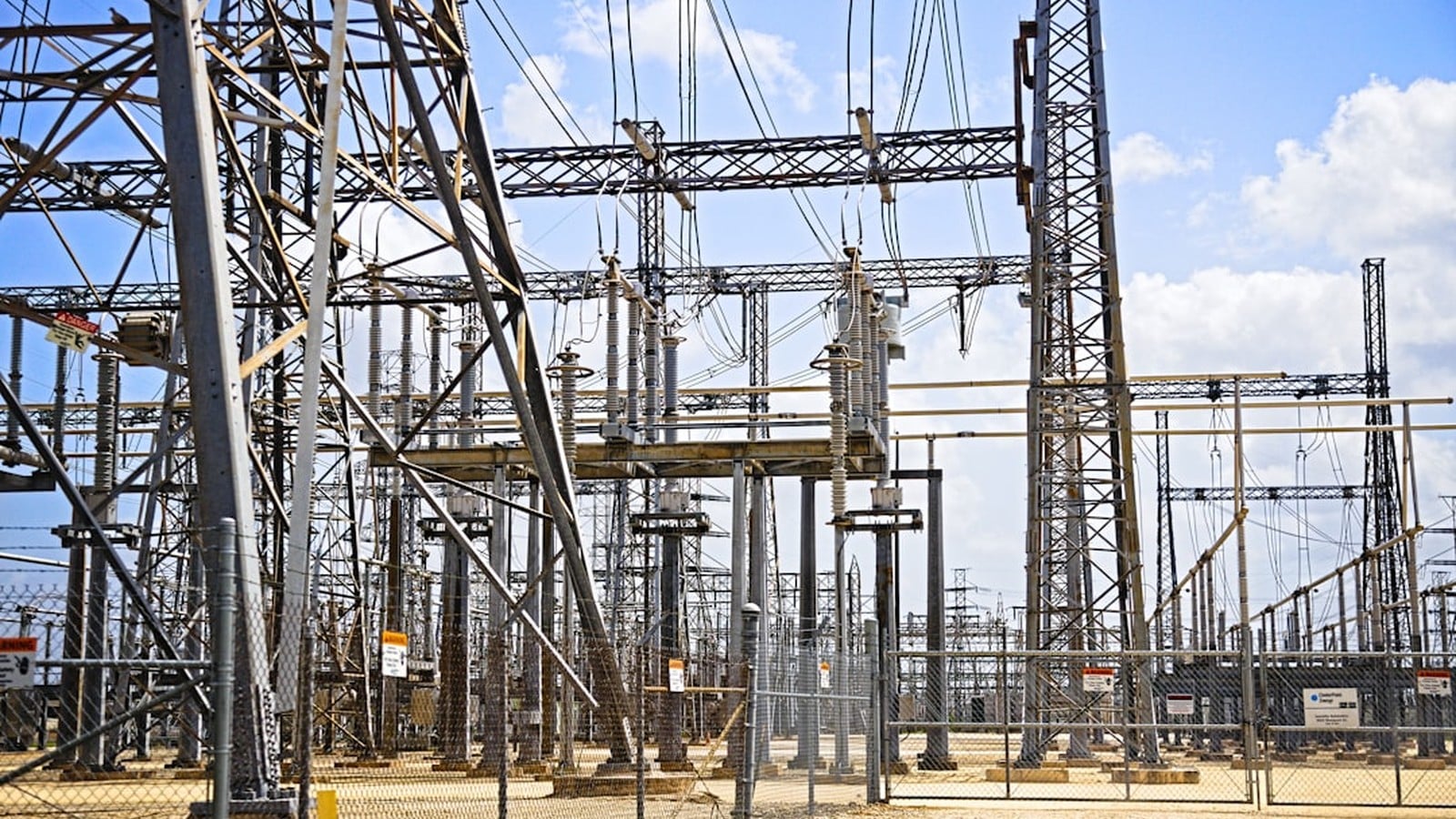
Did you know that the average electric bill in the United States is approximately $120? If you're a resident of Texas, your electric bill can be much higher due to the state's hot climate. There's a good chance that the property you own is substantially larger than what you would find in other states, as well.
Luckily, there are several ways to lower your Texas electric bill and save money each month. Let's take a closer look at how you can lower electricity costs in Texas.

1. Unplug Appliances and Electronics When Not in Use
Even if they are turned off, many modern electronic devices still draw electricity when plugged in. This is referred to as “phantom” or “vampire” power.
Make sure you unplug all appliances, electronics, and chargers when not in use to maximize your savings.
2. Change Your Air Filters Regularly
Keeping your air conditioning unit well maintained is essential to keep energy costs low.
Make sure you are changing the air filter every 1-3 months as recommended by the manufacturer. A dirty filter will reduce airflow and requires more energy to cool your home, leading to higher electric bills.
Changing your air filter on a regular basis will also help prevent health issues that could otherwise arise.
3. Utilize Ceiling Fans More Often
Ceiling fans use significantly less energy than air conditioners and can help circulate the air in your home throughout the day.
If you regularly turn on a fan before turning on an AC, you may be able to reduce or even avoid using an AC altogether. Many ceiling fans often have a "summer" and "winter" setting. The former blows cool air, while the latter setting makes the room warmer.
Be sure to check that your fan is adjusted to the correct setting — otherwise, you might be making the room hotter than it needs to be.
4. Program Your Thermostat For Optimal Efficiency
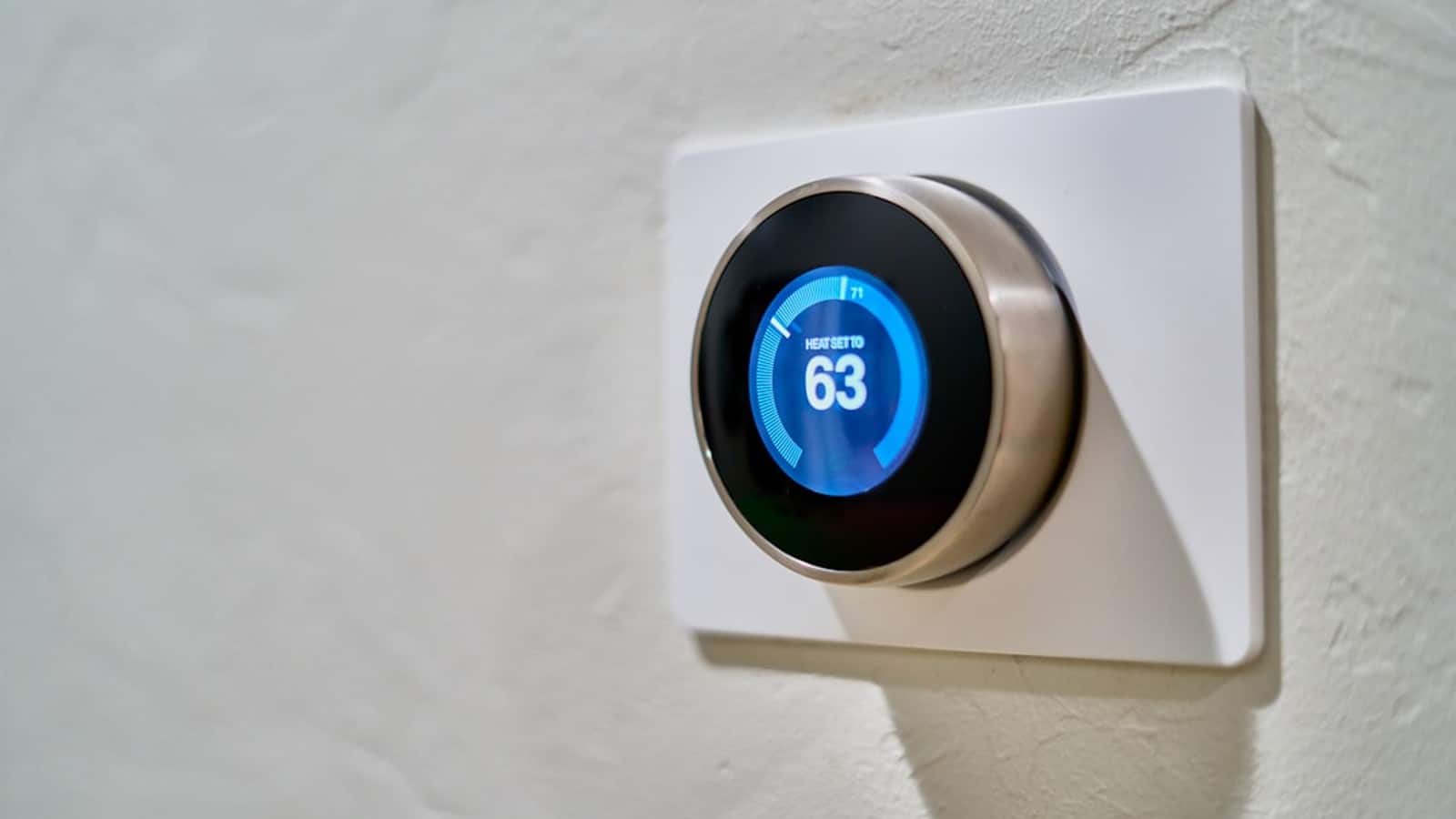
If you have a programmable thermostat, you can configure it so that your AC runs less throughout the day.
Consider programming the AC to run for a few hours in the morning and evening, but not during peak hours when energy usage is highest. If you don't have a programmable AC unit, try your best to remain vigilant when it comes to adjusting the temperature.
For example, if nobody is going to be at your house during the workday, you can turn off the unit before you leave.
5. Use LED Bulbs Instead of Incandescent or Halogen Bulbs
LED bulbs can save a substantial amount of energy compared to traditional bulbs and tend to last much longer. They also emit less heat than other bulbs, which could help lower your electric bill even further. Keep this in mind when moving forward — small adjustments like these will add up over time.
6. Don't Leave the Water Running
Water is one of the biggest culprits when it comes to energy waste. Make sure you turn off all taps, showers, and other water sources when not in use.
Additionally, consider investing in a low-flow showerhead or faucet aerator if possible. When showering, consider turning the water off while you wash your hair and body. Then, you can turn the water back on to rinse yourself.
Not only will this save a significant amount of water, but it will also help you reduce your overall time in the shower. Many people spend longer than they should simply because they enjoy the warmth of the water.
7. If You Have Children, Educate Them
This is especially important if you have young children who may not understand t,mhe importance of conserving energy. Educate them on how electricity works and why it's important to save energy whenever possible.
It's also important to inform them on how reducing energy consumption can help minimize their carbon footprint. Instilling these values at a young age will help them minimize their impact on the environment as they get older.
8. Considered Renewable Energy Sources
Renewable energy sources such as solar or wind power can help you significantly reduce your electric bill. Investigate the pros and cons of these options to see if they are right for you.
For instance, not everybody has a property that can accommodate solar panels. The good news, though, is that using renewable energy can prove to be one of the most reliable ways to reduce your energy bill.
9. Work With a New Electricity Provider
Shopping around for a new electricity provider can help you get the best rate possible. All too often, people stay with the same provider they have always had simply because that provider is familiar to them. You can drastically change your bill by finding someone new.
How Do I Find a Provider Right For Me?
Choosing the right provider for your needs is a crucial step when it comes to lowering your electricity bill.
When making your decision, consider the provider's rates, terms of service, and customer satisfaction ratings. Comparing all these factors can help you make an informed decision. You should also consider any special offers or promotions available from the provider.
Of course, you can't overlook the level of customer service they offer, as this will be important should you experience any issues with your electricity in the future.
Reducing Your Texas Electric Bill Is Easier Than It Seems
While it might seem complicated at first, minimizing your Texas electric bill is quite simple. With just a few small changes, you can drastically reduce your energy usage and save money each month.
Start making these changes today to start seeing the savings tomorrow! Looking for more information on how we can help? Feel free to get in touch with us today to see what we can do.