Green Energy Modernization: Transforming Our Power Infrastructure for a Sustainable Future
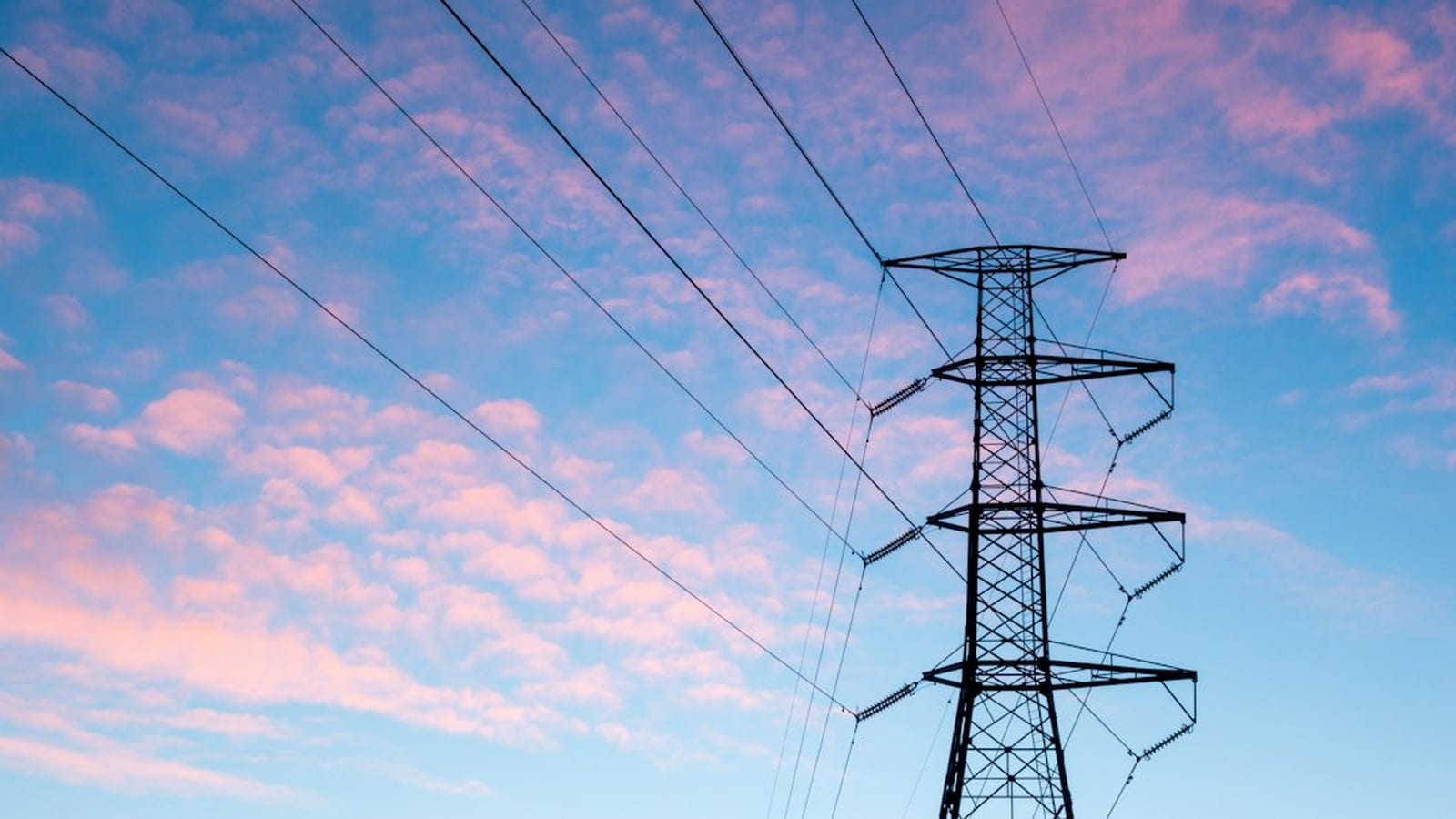
Green energy modernization is the key revolution transforming our way of producing, transmitting, and consuming electricity as we go forward in an ever-changing energy landscape. As the world battles for survival with carbon emissions that have led to climate change, transforming our electrical grid becomes a crucial battleground against carbon emissions.
The electrical grid, which had once been a static and unidirectional system, is now undergoing an excellent metamorphosis. Contemporary grid infrastructure is not simply about the transmission of electricity but creating a complex intelligent network that can harmonize renewable sources of energy especially solar with reliability efficiency, and sustainability.
Grid Modernization Matters More than you can imagine
Green energy modernization represents a fundamental transformation of our electrical infrastructure, moving from traditional, centralized power systems to intelligent, flexible, and sustainable networks. This approach goes beyond simple technological upgrades, addressing critical global challenges by:
- Technological Innovation: Integrating smart technologies like AI, IoT, and advanced sensors to create more responsive and efficient energy systems.
- Renewable Integration: Enabling seamless incorporation of renewable energy sources, particularly solar power, into the electrical grid.
- Economic and Environmental Benefits: Creating new job opportunities, reducing carbon emissions, and improving energy security while lowering production costs.
- Global Collaboration: Involving stakeholders from governments, private sector, and local communities in a unified effort to redesign energy infrastructure.
Frequently Asked Questions (FAQs) About Green Energy Modernization
What exactly is grid modernization?
A: Grid modernization is the comprehensive upgrade of electrical infrastructure to create a more intelligent, flexible, and sustainable energy distribution system. It involves implementing advanced technologies like smart meters, sensors, and automated control systems to manage energy more efficiently.
Why is grid modernization important?
A: Grid modernization is crucial because it:
- Supports increased renewable energy integration
- Improves energy reliability
- Reduces carbon emissions
- Enhances grid resilience
- Creates economic opportunities
- Enables more efficient energy management
How much is being invested in grid modernization globally?
A: According to the International Energy Agency (IEA), global investments in grid modernization are projected to reach $600 billion by 2030. Key regions like the United States, European Union, and China are making significant financial commitments.
What technologies are driving grid modernization?
A: Key technologies include:
- Artificial Intelligence
- Internet of Things (IoT)
- Advanced energy storage systems
- Smart meters and sensors
- Predictive maintenance technologies
- Distributed energy management systems
How does grid modernization impact solar power?
A: Grid modernization directly supports solar power by:
- Managing intermittent energy production
- Enabling efficient energy storage
- Providing real-time grid balancing
- Supporting distributed solar installations
- Reducing energy transmission losses
What challenges exist in implementing grid modernization?
A: Major challenges include:
- High initial infrastructure costs
- Technological complexity
- Integration with legacy systems
- Regulatory and policy inconsistencies
- Need for standardized technologies
How can individuals support grid modernization?
A: Individuals can:
- Consider residential solar installations
- Support local green energy initiatives
- Advocate for renewable energy policies
- Reduce personal energy consumption
- Stay informed about energy technologies
What are the economic benefits of grid modernization?
A: Economic benefits include:
- Job creation in the energy sector
- Reduced energy production costs
- Increased energy system efficiency
- New technology development opportunities
- Potential for lower consumer energy prices
How does grid modernization contribute to climate change mitigation?
A: Grid modernization helps mitigate climate change by:
- Facilitating renewable energy integration
- Reducing reliance on fossil fuels
- Improving energy efficiency
- Enabling more accurate energy consumption tracking
- Supporting decarbonization goals
What is the future outlook for grid modernization?
A: The future of grid modernization includes:
- Increased global collaboration
- More decentralized energy systems
- Advanced AI and machine learning integration
- Cross-border energy sharing
- Continuous technological innovation
Understanding Grid Modernization
Defining the Modern Grid
Grid modernization represents a holistic reimagining of electrical infrastructure. Traditional grids were designed for one-way electricity transmission from centralized power plants. In contrast, modern grids are dynamic, two-way systems capable of:
- Integrating multiple energy sources
- Managing distributed energy resources
- Enabling real-time monitoring and adjustment
- Supporting renewable energy integration
Core Components of Modern Grid Technology
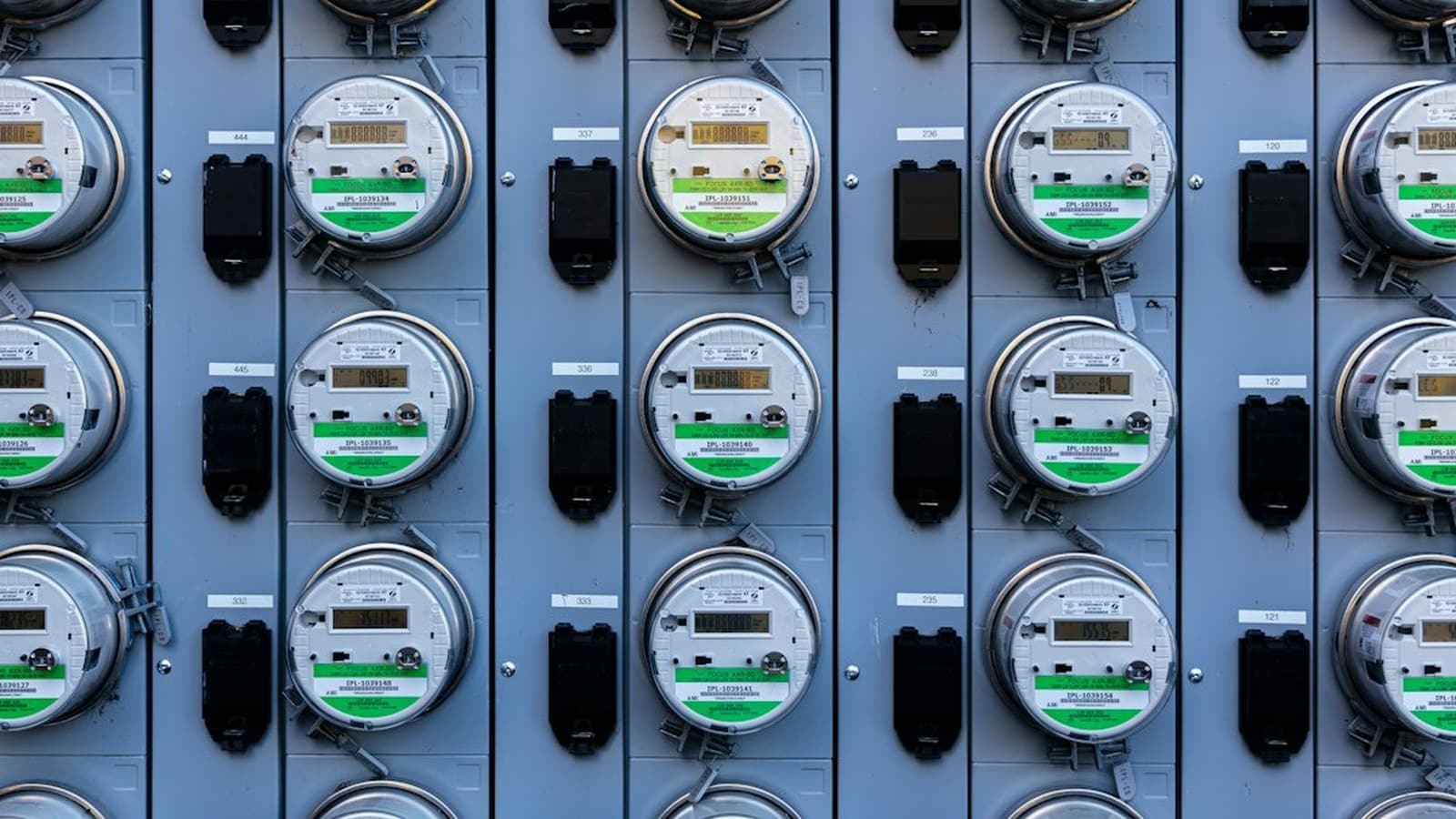
- Smart Meters: Advanced digital devices providing real-time energy consumption data
- Advanced Sensors: Monitoring grid performance and detecting potential issues
- Energy Storage Systems: Balancing intermittent renewable energy supply
- Automated Control Systems: Optimizing energy distribution and reducing waste
The core components of modern grid technology represent an advanced ecosystem designed to change the face of energy management. Smart meters act as digital sentinels, providing real-time energy consumption insights, and advanced sensors continuously monitor the grid's performance and prevent problems before they arise. Energy storage systems serve as critical buffers, skillfully balancing the intermittent supply of renewable energy sources like solar and wind. Underpinning the components are automated control systems that optimize energy distribution with unprecedented precision, thereby slashing waste and improving the grid's overall efficiency. This all forms a new, dynamic electrical infrastructure that is intelligent, responsive, and able to follow the ever-changing demands in modern renewable energy production and consumption.
The Solar Power Connection
Solar Integration Challenges
Integrating solar power into the electrical grid presents unique challenges:
- Intermittent energy production
- Variability in power generation
- Complex distribution management
Modern grid technologies address these challenges through:
- Advanced forecasting algorithms
- Distributed energy storage
- Intelligent load balancing
- Real-time grid management systems
Modern grid technologies solve renewable energy integration challenges through a sophisticated, multi-layered approach that transforms how we manage electricity distribution. By combining advanced forecasting algorithms, distributed energy storage, intelligent load balancing, and real-time grid management systems, these technologies create a responsive and flexible electrical infrastructure capable of handling the variable nature of solar and other renewable energy sources.
Sample Data and Performance Metrics
Forecasting Algorithm Accuracy
- Prediction Accuracy: 92-95% for solar energy generation
- Forecast Timeframe: 4-24 hours in advance
- Reduction in Energy Waste: Up to 30%
Energy Storage Capabilities
- Average Battery Storage Capacity: 100-500 MWh per large-scale installation
- Response Time: Less than 100 milliseconds
- Grid Stability Improvement: 40-50% reduction in power fluctuations
Load Balancing Performance
- Peak Demand Management: 25-35% more efficient than traditional grids
- Energy Redistribution Speed: Near-instantaneous
- Cost Savings: Estimated 15-20% reduction in transmission costs
Frequently Asked Questions (FAQs)
Q1: What makes modern grid technologies different from traditional systems?
A: Modern grid technologies are dynamic, two-way systems that can predict, adapt, and respond to energy generation and consumption in real-time, unlike traditional one-way transmission systems.
Q2: How do advanced forecasting algorithms work?
A: These algorithms use machine learning and historical data to predict solar energy generation, weather patterns, and electricity demand with high accuracy, helping grid operators plan and manage energy distribution more effectively.
Q3: What is distributed energy storage?
A: Distributed energy storage involves strategically placing battery systems across the grid to store excess renewable energy during peak generation times and release it when needed, ensuring a stable and consistent power supply.
Q4: How does intelligent load balancing improve grid performance?
A: Intelligent load balancing dynamically adjusts electricity distribution across the grid, redirecting power from areas of surplus to areas of high demand, reducing waste and improving overall system efficiency.
Q5: What are real-time grid management systems?
A: These are advanced software and hardware systems that monitor grid performance continuously, detecting and responding to changes in energy generation, consumption, and potential issues instantaneously.
Q6: Can these technologies handle the variability of solar power?
A: Yes, modern grid technologies are specifically designed to manage the intermittent nature of solar power through advanced forecasting, rapid energy storage, and intelligent redistribution mechanisms.
Q7: What are the economic benefits of these technologies?
A: Benefits include reduced energy waste, lower transmission costs, improved grid reliability, and the ability to integrate more renewable energy sources, potentially leading to lower electricity prices.
Q8: Are these technologies expensive to implement?
A: While initial investments are significant, long-term benefits include reduced operational costs, improved energy efficiency, and support for sustainable energy transition.
Q9: How do these technologies support decarbonization?
A: By enabling greater integration of renewable energy sources like solar, these technologies help reduce reliance on fossil fuels and support global efforts to lower carbon emissions.
Q10: What is the future of grid management technologies?
A: The future involves even more advanced AI, machine learning, blockchain for peer-to-peer energy trading, and increasingly decentralized and resilient grid systems.
Economic and Environmental Benefits
Green energy modernization offers substantial advantages:
- Reduced carbon emissions
- Lower energy production costs
- Increased grid reliability
- Enhanced energy independence
Modernizing energy systems with green technologies delivers multiple advantages. It reduces carbon emissions, helps mitigate climate change, and lowers energy production costs through efficient renewable technologies. Modernized grids enhance reliability, minimizing outages, and improve energy independence by reducing reliance on imported fossil fuels.
Data Sources
- International Renewable Energy Agency (IRENA): Reports on renewable energy’s role in reducing emissions and costs.
IRENA Website
- U.S. Department of Energy: Studies on grid modernization and renewable energy integration.
DOE Website
- World Economic Forum: Insights on global energy independence and renewable energy’s economic impact.
WEF Website
- IEA (International Energy Agency): Data on the reliability and efficiency of modern energy systems.
IEA Website
Investment Landscape
Global Commitment to Grid Modernization
According to the International Energy Agency (IEA), global investments in grid modernization are projected to reach $600 billion by 2030. Key regions leading this transformation include:
- United States:
- Investing $170 billion in grid infrastructure upgrades
- Focus on resilience and renewable integration
- European Union:
- Committing €580 billion to green energy infrastructure
- Targeting 32% renewable energy by 2030
- China:
- Developing world's largest smart grid network
- Investing over $250 billion in grid modernization
Technological Innovations
Emerging Technologies Driving Change
- Artificial Intelligence
- Predictive maintenance
- Demand forecasting
- Optimal energy routing
- Internet of Things (IoT)
- Real-time grid monitoring
- Automated response systems
- Enhanced energy efficiency
- Advanced Energy Storage
- Solid-state batteries
- Flow battery technologies
- Distributed storage solutions
Overcoming Implementation Challenges
Key Barriers to Grid Modernization
- High Initial Costs
- Estimated $1-2 million per grid upgrade project
- Requires long-term investment perspective
- Technological Complexity
- Need for standardized protocols
- Interoperability challenges
- Legacy system integration
- Regulatory Hurdles
- Inconsistent policy frameworks
- Slow regulatory adaptation
Practical Recommendations
For Different Stakeholders
Policymakers:
- Develop clear, long-term renewable energy policies
- Create financial incentives for grid modernization
- Support research and development
Energy Companies:
- Invest in smart grid technologies
- Develop flexible infrastructure
- Collaborate with technology providers
Consumers:
- Consider residential solar installations
- Support local green energy initiatives
- Advocate for grid modernization
Future Outlook
Emerging Trends
- Decentralized Energy Systems
- Community microgrids
- Peer-to-peer energy trading
- Localized renewable generation
- Global Grid Interconnection
- Cross-border energy sharing
- International renewable energy networks
- Continuous Technological Evolution
- Machine learning integration
- Advanced predictive technologies
- Enhanced energy management systems
The future of green energy is shaped by emerging trends in decentralization, globalization, and technological evolution. Decentralized energy systems like community microgrids and peer-to-peer energy trading empower localized renewable generation, while global grid interconnection fosters cross-border energy sharing and international renewable networks. Continuous technological advancements, such as machine learning, predictive analytics, and enhanced energy management systems, further optimize energy use and system efficiency.
Data Sources
- International Renewable Energy Agency (IRENA): Research on decentralized energy systems and global grid interconnection.
IRENA Website
- World Bank Group: Insights into community microgrids and peer-to-peer energy trading initiatives.
World Bank Website
- International Energy Agency (IEA): Reports on cross-border energy sharing and renewable energy networks.
IEA Website
- MIT Energy Initiative: Studies on machine learning and advanced energy management in renewable systems.
MIT Energy Initiative
Conclusion
Green energy modernization represents a transformative journey towards a sustainable, efficient, and resilient energy future. By reimagining our electrical infrastructure, we're not just upgrading technology: we're building a foundation for a cleaner, more intelligent world.
The path forward requires collaborative effort, sustained investment, and a shared vision of a decarbonized energy landscape. Every step towards grid modernization is a step towards a more sustainable planet.
References
- International Energy Agency (IEA) Grid Modernization Report, 2023
- U.S. Department of Energy Grid Transformation Study
- European Commission Renewable Energy Directive
- Bloomberg New Energy Finance (BNEF) Infrastructure Report
Disclaimer: Data and projections are based on reports available as of 2024 and are subject to change.