
Did you know that the United States alone emits more than 5,100 million metric tons of energy-related carbon dioxide a year? With global awareness of climate change growing, many citizens are looking for anything they can do to reduce greenhouse gas emissions. But what's the link between generating electricity and climate change?
If you're curious to learn more about global warming, we're here to help. Read on to learn more about generating electricity and how it can affect climate change.
The first step is to understand how we generate energy.
The process for generating energy differs depending on what the source is. Windmills and hydropower plants don't generate energy in the same way, for example. However, there are similarities, such as both requiring the turning of a turbine.
Generally speaking, we generate electricity with a turbine generator. These sets convert mechanical energy to electrical energy. The energy of the turbine turning is the source of mechanical energy, which helps send power across a community.
Fossil fuels are the most well-known and common contributors to energy. For much of electricity's history, fossil fuels were the only way to generate power.
Fossil fuel is a blanket term for multiple sources of energy. These include, but are not limited to:
- Coal and coal products
- Natural and derived gas
- Crude oil
- Petroleum products
- Non-renewable wastes
We call these sources fossil fuels due to originating from plants and animals that existed in the past. They also serve as enormous deposits of carbon.
When burned, fossil fuels release this carbon, creating one of the main sources of greenhouse gas emissions. While burning, they generate steam, which can power the turbine that generates electricity.
Fossil fuels make up the vast majority of the world's energy generation. Studies show that as much as 80% of the world's current energy supply is from fossil fuels.
Additionally, fossil fuels are present in more than only the energy industry. They're used in virtually every industry in the world, including transportation, manufacturing, and military actions. As such, replacing fossil fuels is difficult and strongly opposed by those that profit off of them despite the downsides.
The alternative to fossil fuels is renewable energy. Renewable energy is a blanket term for several sources of alternative energy. These include, but are not limited to:
- Solar power
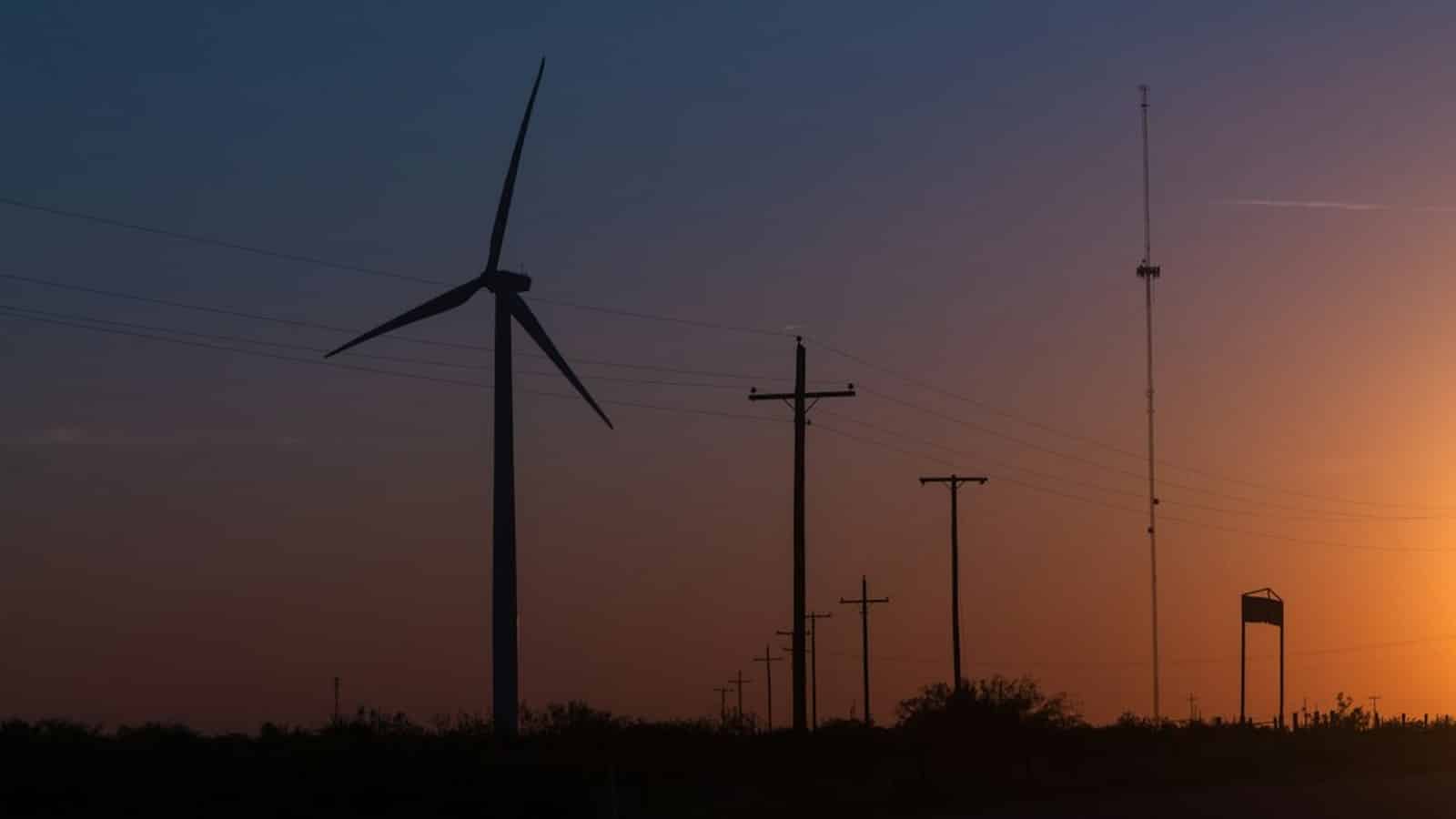
- Wind power
- Hydroelectric power
- Bioenergy
As the name suggests, renewable energy is infinitely renewable. Solar power will work for as long as Earth has a sun, making it effectively unlimited. The same is true for wind power.
Many people favor renewable energy for its lack of greenhouse gas emissions. Solar panels do not give off emissions while converting sunlight to energy, for example. Wind turbines also give off no emissions, while the emissions of hydroelectric and bioenergy power plants are relatively negligible.
However, detractors of renewable energy are quick to point out there are some emissions. Renewable energy will cause emissions during manufacturing.
Creating solar panels will cause emissions, despite their use not causing them. Any construction effort to install these sources will also cause emissions.
Still, these emissions are currently unavoidable. Most believe it's better to accept a small amount of emissions to transition to generating none whatsoever. Fossil fuels and non-renewable energy generates the same emission during construction.
Now that we better understand how we generate electricity, we can look into climate change. Yes, electricity and climate change have a strong relationship.
There is no effective form of generating electricity that does not contribute to climate change. Fossil fuels are by far the largest contributor to climate change.
Studies show that the worldwide emissions of CO2 from fossil fuels are about 34 billion tons. Of this amount, 45% is from coal, 35% from oil, and 20% from gas. These sources generate CO2 in other ways before and after their burning as well.
In contrast, renewable energies have much lower greenhouse gas emissions. As such, most people significantly favor switching to renewable sources to combat climate change.
An NREL study found that generating 35% of the western U.S.'s power with wind and solar would cut CO2 emissions by as much as 45%.
The reason for this is that most renewable energies do not cause emissions after manufacturing. A solar panel's "carbon footprint" is about 50g of CO2 per kilowatt-hour. Meanwhile, the same energy produced by a coal-powered source would create 20 times that amount.
In short, yes, all electricity generation contributes to climate change. Fossil fuels generate much more than renewable sources. Renewable sources such as solar, wind, and water produce less than 20 times the amount of CO2 fossil fuels generate.
When we look at greenhouse gas emission statistics, we often don't think of the sources. If solar power doesn't create any emissions, why is it "20 times less than coal" instead of simply zero?
Greenhouse gas emissions don't start and stop at the generation process. Here are some of the major factors that will affect the carbon footprint of the energy industry.
One major factor in greenhouse gas emissions is the transportation of fuel and parts.
When companies create turbines, they need transportation to where Texas intends to install them. You may have seen the massive flatbed trucks on I-10 carrying turbine blades.
Many trucks are necessary to transport these components to the construction site. The same is true for installing solar panels. These renewable sources are not always constructed on-site, increasing the carbon emissions of transportation.
However, while some use this to prove that renewable energies are inferior, this transportation pales in comparison to fossil fuels.
Fossil fuels require much more transportation. For example, think of the lifespan of a piece of coal.
The first step is to remove coal from a mine and take it to a coal plant. Once there, it's transported to a larger truck. That truck then takes that coal to another transportation network, possibly a cargo ship or railway.
From there, the larger transportation moves it to a distribution plant, where it's once again loaded onto trucks. It may take several more steps to reach a coal plant. Therefore, when adding up the emissions, you must add all of these vehicles together.
The same is true for oil and other fossil fuels. Keep these emissions in mind when looking at the link between electricity, climate change, and global warming.
Once we have the energy, how is it distributed?
Distribution rarely affects emissions deeply, but there are some exceptions. Distribution relates to how that energy gets to the people in a community.
All energy is sent throughout the community the same way regardless of how we generate the electricity. Due to this, the cost of distributing renewable or non-renewable sources isn't considerably different. You won't need to worry about this source of emissions.
The same can't be said for the maintenance of these sources.
Solar farms are relatively simple. While the generating, power banking, and distribution networks are complex, the farms themselves are simple.
Solar panels are placed in a field with ample sunlight. These require relatively little maintenance, mostly consisting of repairs and cleaning when necessary. Solar panels are so low maintenance that many homes have installed them without issues.
Maintenance of fossil fuel sources is more complex. The enormous furnaces and generators require full teams of engineers and technicians, all of whom come with their own emissions. While this is a relatively minor source of greenhouse gas emissions, these large teams and their equipment are far from negligible.
It's sometimes difficult to find ways to lower greenhouse gas emissions, but there are plenty of methods to try. Here are some of the best ways to lower greenhouse gas emissions.
The best way to reduce emissions is to switch to renewable energy.
On a societal scale, this is more difficult, as much of the United States is built to run on coal and fossil fuels. However, studies show that younger generations are in favor of this change.
For the personal scale, consider installing solar panels in your home if you can. These will help your home consume less non-renewable energy and generate clean energy instead.
Along with using renewable sources, you should use energy more responsibly. A great way to do so is to use as little as possible.
Try to conserve energy when you can. Only use your home's air conditioning and lighting when you're home and need them.
Driving as little as possible is another great way to reduce your emissions. Try to walk, bike, or carpool whenever you can.
The link between electricity, climate change, and global warming is undeniable. Generating electricity in any capacity will cause emissions. Using clean renewable energy will create significantly less greenhouse gas emissions than fossil fuels.
For more information on how to reach energy independence, be sure to contact us. We can help you shift to a contract-free energy plan to increase your independence from electricity companies.












Copyright © 2026 VIPEnergyService.com. All rights reserved | PUCT# 10117