Revolutionizing Energy Consumption
In today's dynamic living environments, consumers demand flexibility and cost-effectiveness in their utility services. Month-to-month utility plans have emerged as a game-changing solution for renters, budget-conscious individuals, and those seeking adaptable energy options.
Choosing the right utility provider isn't just about power: it's about empowerment. With innovative offerings from companies like Ambit Energy, consumers can now enjoy unprecedented control over their energy consumption and expenses.
Understanding Month-to-Month Utility Plans
What Exactly Are Month-to-Month Utility Plans?
Month-to-month utility plans represent a modern approach to energy consumption, offering:
- No Long-Term Commitments: Unlike traditional fixed-rate contracts, these plans allow consumers to change providers without penalties
- Market Responsiveness: Rates can adjust according to current market conditions
- Ultimate Flexibility: Perfect for renters, frequent movers, and those with unpredictable living situations
Key Advantages and Considerations
Pros
- Immediate plan modifications
- No termination fees
- Adaptable to changing energy needs
Potential Drawbacks
- Possible rate fluctuations
- Requires active market monitoring
Benefits That Matter
1. Unparalleled Flexibility
Month-to-month plans cater specifically to:
- Short-term renters
- Individuals in career transitions
- Those anticipating lifestyle changes
Month-to-month utility plans offer unmatched flexibility, making them ideal for various life situations. These plans are particularly beneficial for short-term renters who don’t want to commit to long-term contracts, individuals undergoing career transitions that might require relocation, or those anticipating lifestyle changes such as moving, downsizing, or traveling. For instance, someone renting for six months could avoid the cancellation fees often associated with fixed-rate plans, potentially saving $150-$300 in penalties. Similarly, a professional relocating for a temporary work assignment could maintain utility services without worrying about breaking a contract.
- Bonus Tip: Look for providers like Ambit Energy that offer user-friendly tools to track energy usage, allowing you to adapt consumption habits to align with your short-term needs, further enhancing cost savings.
2. Precise Budget Control
Advanced tracking tools enable consumers to:
- Monitor real-time energy consumption
- Identify potential savings opportunities
- Make informed decisions about usage patterns
Month-to-month utility plans equipped with advanced tracking tools provide precise budget control, empowering consumers to manage their energy costs effectively. These tools allow users to monitor real-time energy consumption, identify appliances or habits that drive up usage, and make adjustments to save money. For example, tracking data might reveal that running an outdated dishwasher during peak hours costs $30 more per month, prompting a shift to off-peak use or upgrading to an energy-efficient model. Additionally, identifying energy spikes can lead to actions like unplugging devices in standby mode, saving up to $100 annually.
- Bonus Tip: Providers like Ambit Energy offer mobile apps with detailed usage reports, enabling consumers to set personalized alerts for high consumption periods, ensuring better control over monthly expenses.
3. Financial Freedom
By avoiding long-term contracts, customers gain:
- No early termination penalties
- The ability to switch providers quickly
- Greater control over monthly expenses
Month-to-month utility plans provide financial freedom by eliminating the constraints of long-term contracts, allowing customers to adjust their energy services to fit changing circumstances. These plans remove the burden of early termination penalties, which can range from $150 to $300 in many fixed-rate agreements. Additionally, the flexibility to switch providers quickly ensures customers can always find competitive rates or better services without being locked in. For example, a customer who moves or finds a lower rate with Ambit Energy can transition seamlessly without financial penalties, ensuring greater control over monthly expenses.
- Bonus Tip: To maximize financial freedom, monitor energy market trends to identify the best time to switch providers, often during seasons of lower demand, such as spring or fall, when rates are typically more competitive.
Selecting the Ideal Month-to-Month Plan: Expert Strategies
Rate Comparison Techniques
- Understand Rate Structures
- Flat rates
- Variable rates
- Hybrid options
Effectively comparing utility rates requires understanding the different rate structures: flat rates, variable rates, and hybrid options. Flat rates provide consistent pricing per kilowatt-hour, ensuring predictable monthly bills. For instance, a flat rate of $0.12/kWh might result in a $120 bill for a household using 1,000 kWh. Variable rates fluctuate with market conditions, potentially offering lower rates during off-peak times but exposing users to price spikes. Hybrid options combine features of both, such as a fixed base rate with variable charges for excess usage. These are ideal for those with predictable baseline consumption but variable additional needs.
- Bonus Tip: When evaluating energyproviders, use online tools to simulate potential monthly costs under different rate structures based on your usage history, ensuring you select the most cost-effective plan for your energy habits.
- Compare Provider Offerings
- Analyze per-kilowatt-hour (kWh) pricing
- Examine additional fees
- Review contract terms
Comparing utility provider offerings involves analyzing several key elements to ensure you choose the best plan for your needs. Start by reviewing per-kilowatt-hour (kWh) pricing, which directly affects your monthly bill. For example, a provider charging $0.12/kWh versus another at $0.15/kWh could save a household using 1,000 kWh monthly up to $30. Next, examine additional fees like base charges, connection fees, or penalties for late payments, as these can significantly increase costs. Finally, carefully review contract terms, looking for flexibility in cancellation policies and understanding any hidden fees or minimum usage requirements. Providers like Ambit Energy often emphasize transparent terms and competitive rates, making it easier to avoid surprises.
- Bonus Tip: Create a comparison spreadsheet to log pricing, fees, and contract details from multiple providers. This visual comparison can highlight the best option quickly and ensure you don’t overlook critical details when choosing a plan.
Critical Evaluation Criteria
- Customer service quality
- Billing transparency
- Technological infrastructure
- Renewable energy options
When selecting a utility provider, evaluating a critical criteria ensures you choose a plan that aligns with your needs and values. Customer service quality is paramount, as responsive support can quickly resolve billing or service issues; for instance, a provider with a 24/7 helpline and high customer satisfaction ratings stands out. Billing transparency prevents unexpected charges, with clear breakdowns of usage, rates, and fees helping you track expenses accurately. A robust technological infrastructure, such as mobile apps for real-time usage tracking and automated billing, simplifies energy management. Finally, providers offering renewable energy options, like Ambit Energy’s green plans, allow environmentally conscious consumers to reduce their carbon footprint.
- Bonus Tip: Check online reviews and ratings on platforms like Google or Better Business Bureau to gauge real customer experiences, focusing on feedback about service quality and billing accuracy.
Debunking Common Myths
Myth: Month-to-Month Plans Are Always Expensive
Reality: With providers like Ambit Energy, consumers can often secure competitive rates that rival or beat traditional long-term contracts.
Myth: These Plans Lack Stability
Reality: Modern month-to-month plans offer robust features and predictable pricing mechanisms.
Pro Tips for Maximizing Savings
Energy Efficiency Strategies
- Smart Device Management
- Unplug electronics when not in use
- Use smart power strips
- Invest in energy-efficient appliances
- Seasonal Optimization
- Adjust thermostat settings
- Utilize natural heating/cooling
- Implement zone-based temperature control
Adopting energy efficiency strategies can significantly lower utility bills and promote sustainable energy use. Smart device management is key: unplugging electronics when not in use can save up to $100 annually in phantom energy costs. Smart power strips automate this process, cutting power to idle devices. Investing in energy-efficient appliances, such as ENERGY STAR-rated refrigerators, can save households an additional $50-$100 annually. Seasonal optimization further enhances efficiency: adjusting thermostat settings by 1-2 degrees can reduce heating and cooling costs by 10%, while utilizing natural methods like opening curtains for sunlight or cross-ventilation can help moderate indoor temperatures. Implementing zone-based temperature control with smart thermostats can save $200-$300 annually, as it allows precise control over heating or cooling specific areas.
- Bonus Tip: Pair a smart thermostat with energy usage tracking apps to analyze patterns and identify further savings opportunities, making your home both comfortable and cost-efficient year-round.
Technological Advantages
Leverage mobile apps and online portals to:
- Track real-time energy consumption
- Receive personalized efficiency recommendations
- Set usage alerts
Leveraging mobile apps and online portals can revolutionize how you manage energy consumption, providing real-time insights and actionable data to reduce utility bills. These tools allow you to track real-time energy usage, identifying high-consumption periods or inefficient devices. For example, an app might show that running a dryer during peak hours costs $1 per load, prompting a switch to off-peak usage for savings. Many apps also provide personalized efficiency recommendations, such as suggesting thermostat adjustments or appliance upgrades based on your patterns. Additionally, setting usage alerts helps you stay within budget by notifying you when consumption exceeds a predefined threshold, ensuring you take corrective action promptly.
Why Choose Providers Like Ambit Energy
Standout Features
Choosing a provider like Ambit Energy offers several standout features that enhance customer satisfaction and energy management:
- Transparent Pricing: Ambit Energy is committed to clear and straightforward pricing, ensuring customers understand their bills without hidden fees or unexpected charges.
VIP Energy Service
- Competitive Market Rates: By offering rates that align with current market conditions, Ambit Energy provides cost-effective energy solutions tailored to diverse customer needs.
Ambit Energy
- Comprehensive Customer Support: Ambit Energy prioritizes customer satisfaction by providing responsive and accessible support through various communication channels, ensuring assistance is readily available when needed.
VIP Energy Service
- Eco-Friendly Energy Options: For environmentally conscious consumers, Ambit Energy offers green energy plans that incorporate renewable sources, allowing customers to reduce their carbon footprint.
Choose Energy
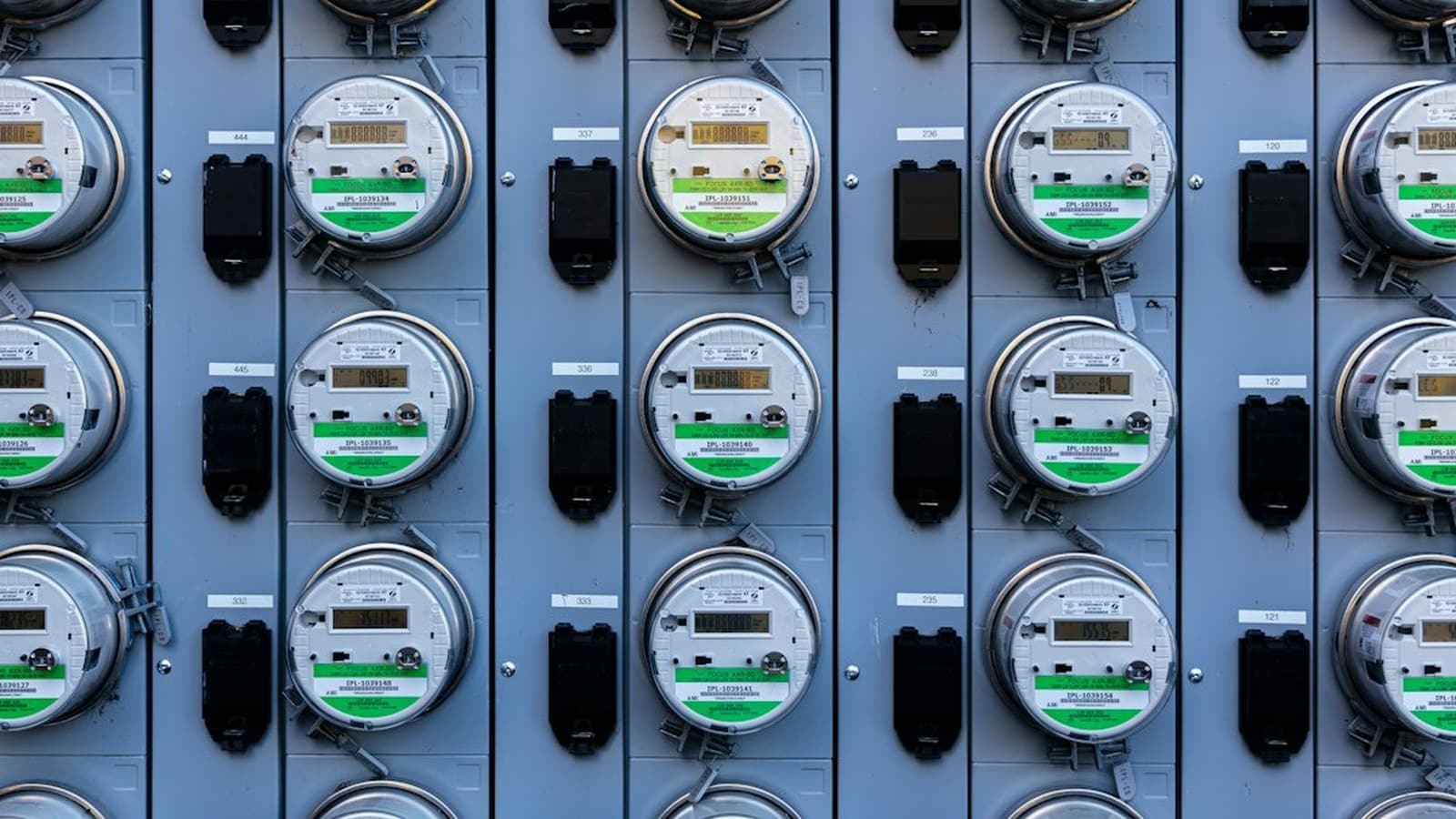
- Advanced Tracking Technologies: Utilizing smart meters and user-friendly online portals, Ambit Energy enables customers to monitor their energy consumption in real-time, promoting informed decisions and efficient energy use.
Wikipedia
Customer Satisfaction Metrics
- 90%+ customer satisfaction rate
- Responsive customer service
- Flexible plan structures
Conclusion: Empowering Your Energy Future
Month-to-month utility plans represent more than just an alternative: they're a strategic approach to modern energy consumption. By prioritizing flexibility, transparency, and consumer choice, these plans enable individuals to take control of their utility expenses.
Take Action Today
Explore month-to-month utility plans with trusted providers like Ambit Energy. Your journey toward smarter, more efficient energy consumption starts now.
Disclaimer: Always conduct personal research and compare multiple providers before making a final decision.