The Complex Reality of Green Energy | Ambit Energy, TX

The Complex Reality of Green Energy

The Complex Reality of Green Energy | Ambit Energy, TX

April 9, 2024
by
Shawn Cornett

Green energy has long been hailed as the savior of our planet, promising to reduce carbon emissions and mitigate the impacts of climate change. However, as we delve deeper into the intricacies of renewable energy sources like wind and solar, it becomes clear that the picture is not as rosy as it seems. In this blog post, we will explore the complexities of green energy, debunk common myths, and shed light on the challenges that come with transitioning to a sustainable energy future.

"When considering the long-term financial benefits, green electricity often works out as being more economical than traditional fossil fuels. The operational costs for renewable energy systems are generally lower, and they offer protection against the volatility of fossil fuel prices. Additionally, investing in green electricity can lead to significant energy savings over time, making it a financially sound choice in the long run." Source: Green electricity myth vs facts

The Myth of Green Energy

One of the prevailing myths about green energy is that it is a total scam. While this statement may be an exaggeration, it is rooted in some fundamental truths that are often overlooked. Let's take wind energy, for example. Wind turbines are touted as one of the best and most efficient forms of green energy, and for good reason. They harness the power of the wind to generate electricity, emitting no greenhouse gases in the process. However, the reality is more nuanced.

The Challenge of Wind Energy

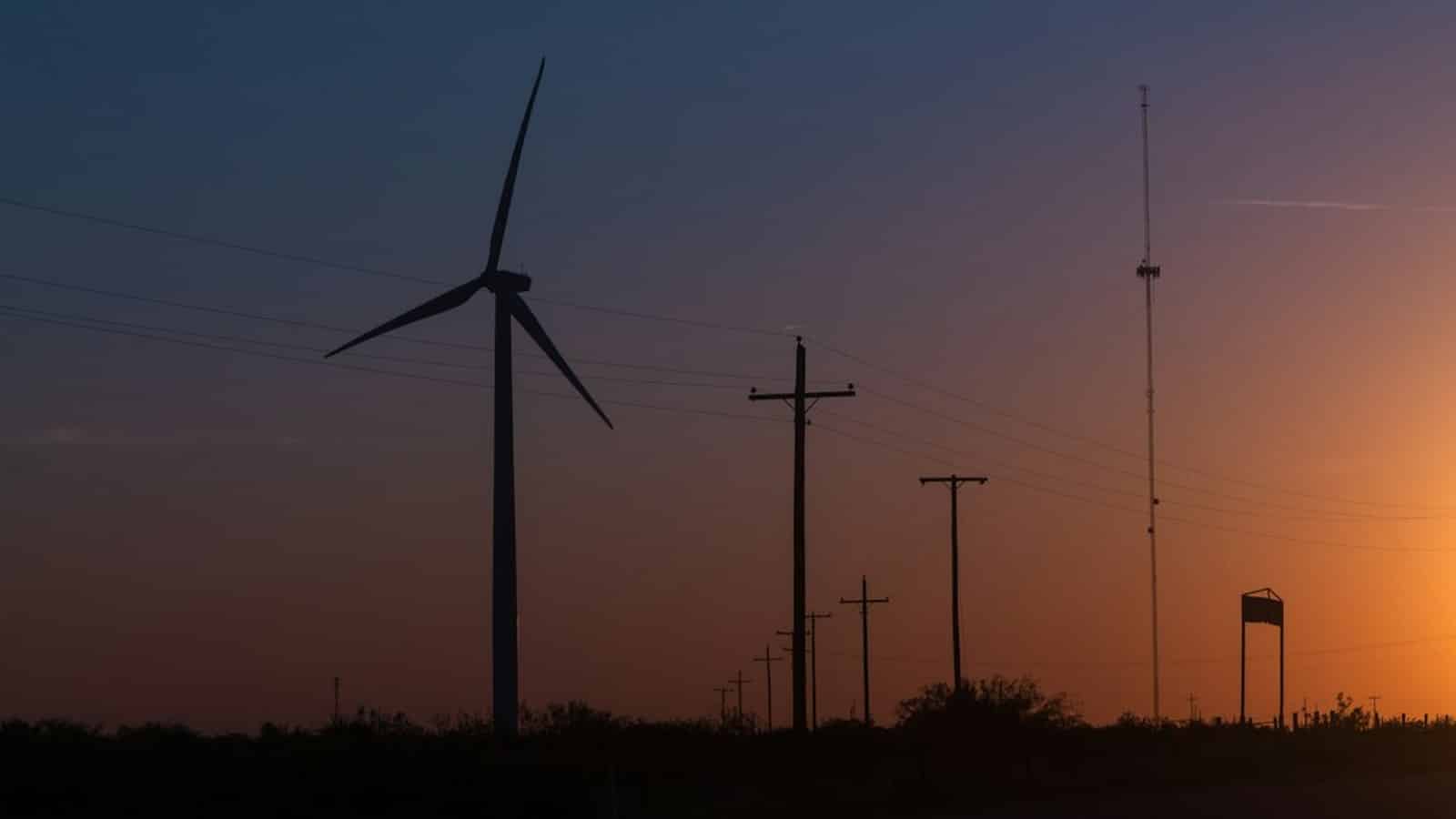
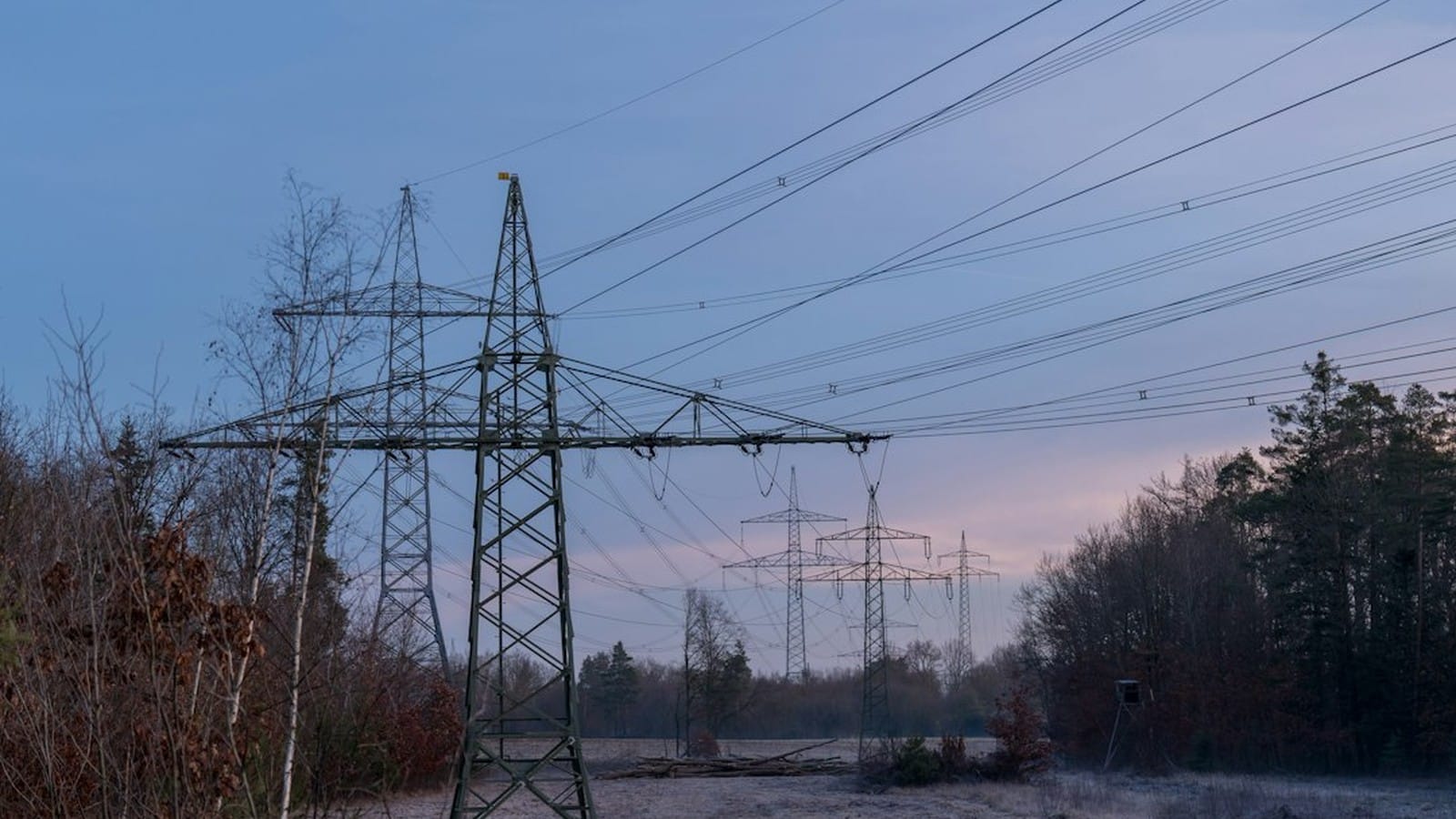
Wind farms are typically located in remote areas, far from population centers where energy demand is highest. This creates a logistical challenge, as we not only have to build the wind turbines themselves but also the infrastructure to transmit the electricity to where it is needed. Additionally, wind energy is intermittent, meaning it is not always available when demand is high. As a result, we still rely on fossil fuel generation to provide backup power, negating some of the environmental benefits of wind energy.

The Truth About Solar Energy

Solar energy is often hailed as a cleaner and more consistent alternative to wind energy. Solar panels harness the power of the sun to generate electricity, and unlike wind, solar energy is available more consistently throughout the day. However, this does not mean that solar energy is without its challenges.

The Toxicity of Solar Panels

One of the lesser-known drawbacks of solar energy is the toxicity of the materials used in solar panels. The production of solar panels involves the use of hazardous chemicals and materials, which can have negative environmental impacts if not managed properly. Additionally, the disposal and recycling of solar panels pose challenges, as we currently lack effective methods for recycling these materials on a large scale.

The Reality of Green Energy

In reality, the transition to green energy is a complex and multifaceted endeavor. While wind and solar energy offer promising solutions to reduce carbon emissions, they come with their own set of challenges that must be addressed. Simply labeling them as "free," "great," or "green" overlooks the nuances and complexities of these technologies.

Moving Forward

As we strive to transition to a more sustainable energy future, it is essential to approach green energy with a critical and informed perspective. We must address the challenges of wind and solar energy while also exploring other renewable energy sources and innovative technologies. By taking a holistic approach and considering the environmental, social, and economic impacts of green energy, we can work towards a more sustainable and equitable energy system for future generations.

Green energy is not a total scam, but it is not without its challenges. Wind and solar energy offer promising solutions to reduce carbon emissions, but they require careful consideration and planning to overcome logistical, environmental, and economic hurdles. By debunking myths and exploring the complexities of green energy, we can work towards a more sustainable and resilient energy future.



Your Texas Fixed Rate Can Still Change for 3 Reasons. The PUCT Is Now Weighing a Fourth

Fixed rate electricity plans in Texas can change only for TDU charges, ERCOT admin fees or new laws. The PUCT is now weighing a fourth: grid reserve costs.
Read More >>

Budget Billing Won't Lower What You Pay. Here's What Average Monthly Billing Does in Texas

Budget billing won't lower what you pay in Texas. See how Ambit's Average Monthly Billing works, when the carried balance peaks, and who should skip it.
Read More >>

Opening a New Business Location in Texas? How to Set Up Electricity Before Move-In Day

To set up electricity for a new Texas business location, find the ESI ID, confirm the TDU, estimate peak demand, choose a plan and schedule the move-in.
Read More >>

How to Use Smart Meter Texas to Price Your Next Electricity Plan

Smart Meter Texas holds up to two years of your usage. Here's how to register, download it and price any Texas plan's EFL at your real kWh, winter included.
Read More >>

$85.27 per 1,000 kWh: TNMP's New Delivery Rates Top the PUCT Table, and December Bills Add a One-Month Surcharge

TNMP TDU delivery charges are $7.56 a month plus 7.7710 cents per kWh as of October 1, 2026, or $85.27 at 1,000 kWh, the highest on the PUCT's table. Two September steps added $12.75, and December 2026 bills add a one-month Rider IS surcharge.
Read More >>

Texas Picked Its 2027-28 Backup Electricity Providers. How POLR Service Works If Your Provider Shuts Down

Texas approved its 2027-28 provider of last resort list on Oct. 9, 2026. Your power stays on if your provider fails, and you can leave POLR service any time.
Read More >>

ERCOT's December 2026 Outlook Puts Grid Emergency Odds at 2.95% in Its Riskiest Hour. What a Texas Winter Storm Can and Can't Do to Your Electric Bill

ERCOT's December 2026 outlook puts the riskiest hour, 8 a.m. on December's peak-load day, at a 2.95% chance of an Energy Emergency Alert, well under its 10% low-risk line. Here is what a Texas winter storm can and can't do to your electric bill.
Read More >>

Houston Delivery Charges Fell on August 15. They Jumped September 1 and Rose Again for Meters Read September 30. What That Does to Your October Bill.

CenterPoint delivery charges dipped on August 15, jumped back up September 1, and rose again for Houston meters read on or after September 30. Here's what it means for your October bill.
Read More >>

Lubbock Electricity Rates Change November 1: LP&L's New $2.50 Base Charge Means Smaller Homes Pay More and Bigger Homes Pay Less

LP&L adds a $2.50 monthly base charge and cuts delivery to 6.008 cents per kWh on Nov 1, 2026. Homes under 822 kWh a month pay more, bigger homes pay less.
Read More >>

How to Dispute an Electric Bill in Texas: What the PUCT's New Complaint Process Changes, and What It Doesn't

To dispute an electric bill in Texas, write to your provider first (21 days to answer), then file with the PUCT. On October 21, 2026 the PUCT ends formal complaints. Here is what changes and what stays the same.
Read More >>

Direct Energy Free Nights Review: What the EFL Actually Charges After the Free Window

Direct Energy free nights (Twelve Hour Power) is free 9 p.m. to 9 a.m. As of September 29, 2026, the 12-month EFLs charge 34.5 to 35.4 cents per kWh after the free window. Here is the break-even math.
Read More >>

27 Texas Electricity Plans Got Withdrawn on September 12 Alone. Here Is the Best Time to Renew Your Contract This Fall.

Best time to renew a Texas electricity contract: the fall shoulder window and the 14 days before your end date. 27 plans got pulled Sept 12. Here is the clock.
Read More >>

SmartEnergy Just Launched a $200 Bill Credit Plan on September 3. Here Is How Bill Credit Plans Actually Work in Texas (And When You Lose the Credit)

SmartEnergy launched a $200 bill credit plan on September 3, 2026. Here is how Texas bill credit plans actually work, and the four conditions that forfeit the credit.
Read More >>

No Deposit Light Companies in Texas: What You Actually Qualify For Without a Credit Check

Four legal ways to skip a Texas electricity deposit as of September 2026: soft-check plans, PUCT Rule 25.478 waivers, letters of credit, or prepaid Rule 25.498 plans. What each costs and who qualifies.
Read More >>

Every Ambit Energy Plan Compared for 2026: Rates, Terms, Fees and Who Each One Actually Suits

Compare every Ambit Energy plan in Texas for 2026 side by side: Lone Star Classic 12 and 24, Flex, Free and Clear Nights, Solar Buyback, small business TSC. Rates, fees, terms and who each one actually suits.
Read More >>

Oncor Delivery Charges Rose $8.38 on October 4, 2026. Here's What Changed on Your Bill.

As of October 4, 2026, Oncor's residential delivery charge is 6.8673 cents per kWh, about $8.38 more a month at 1,000 kWh. Here's the rider math, what August really did, and what you can control.
Read More >>
1 2 … 16

Important message regarding earnings: Ambit Energy makes no guarantee or promise of income or business. Anyone considering building a full-time or part-time Ambit business should have realistic expectations of their potential income. Learn more at goambit.com/disclaimer.