Solar vs Wind Energy: Which is Better for Consumers? | Ambit Energy, TX

July Ambit Energy promotional image 4

Solar vs Wind Energy: Which is Better for Consumers? | Ambit Energy, TX

July 29, 2024
by
Shawn Cornett

As the world shifts towards renewable energy, consumers often find themselves debating between solar versus wind energy. Both options offer significant benefits, but which is better for consumers? This article explores the advantages and disadvantages of solar and wind energy, helping you make an informed decision.

Understanding Solar Energy

What is Solar Energy?

Solar energy harnesses the power of the sun through photovoltaic (PV) panels or solar thermal systems. These systems convert sunlight directly into electricity or use it to heat water and air.

Benefits of Solar Energy

  • Abundant and Renewable: Solar energy is virtually limitless and available everywhere.
  • Low Operating Costs: Once installed, solar panels require minimal maintenance and no fuel costs.
  • Environmental Impact: Solar power produces no greenhouse gasses during operation, significantly reducing your carbon footprint.
  • Scalability: Solar systems can be installed on a small scale for homes or on a larger scale for businesses and solar farms.

Drawbacks of Solar Energy

  • Initial Costs: The upfront cost of solar panel installation can be high, although prices have been decreasing.
  • Intermittent Energy Source: Solar power is only generated during the day and can be affected by weather conditions.
  • Space Requirements: A significant amount of space is needed to install enough solar panels to power a home or business.

Understanding Wind Energy

What is Wind Energy?

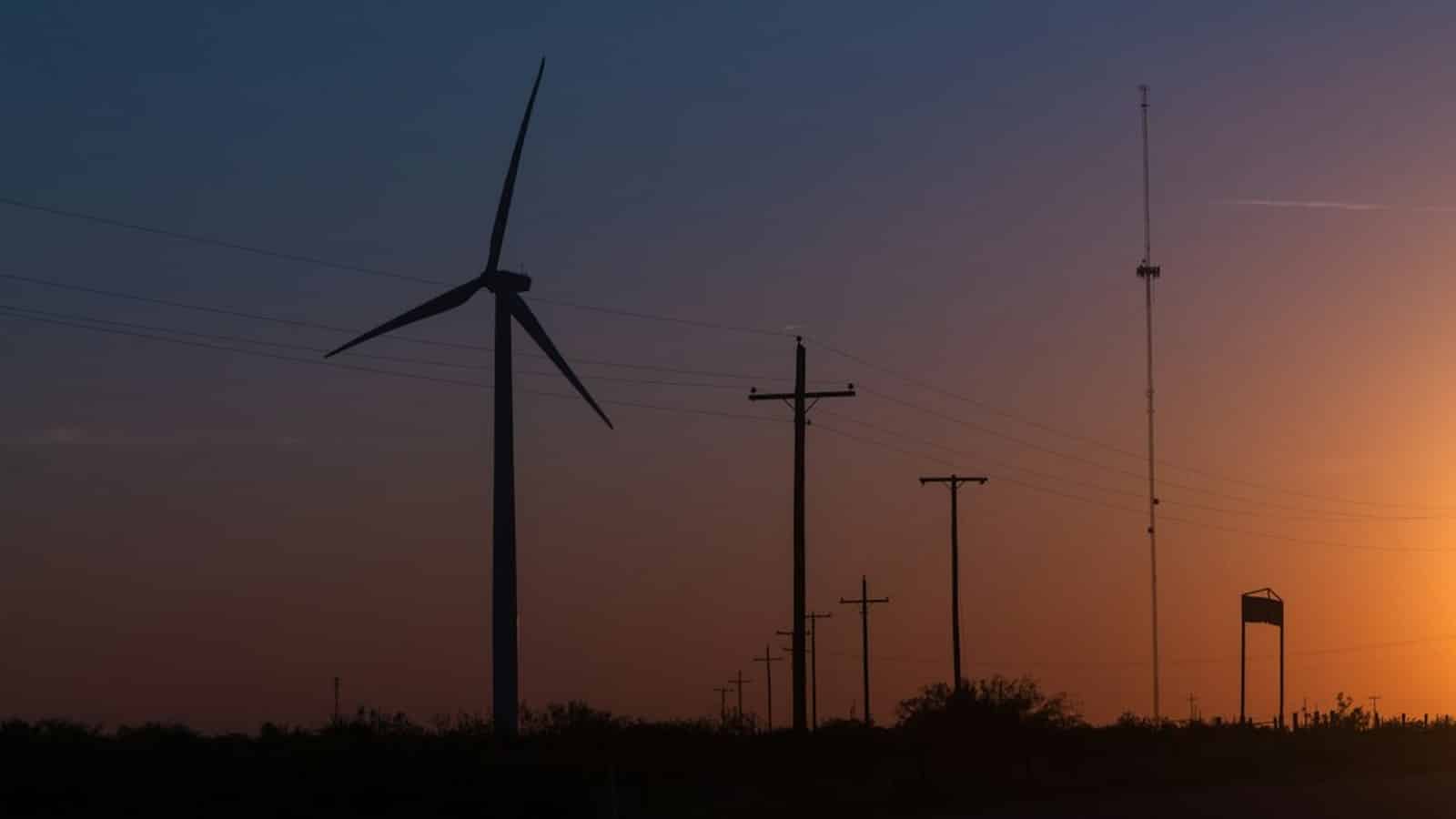
Wind energy is generated using wind turbines that convert the kinetic energy of the wind into electricity. These turbines can be installed onshore or offshore.

Benefits of Wind Energy

  • High Energy Output: Wind turbines can generate large amounts of electricity, especially in areas with strong winds.
  • Renewable and Clean: Wind energy is a renewable resource that produces no emissions during operation.
  • Cost-Effective: Wind energy has become one of the cheapest sources of electricity in many regions.

Drawbacks of Wind Energy

  • Intermittent Energy Source: Wind is not constant and can vary, leading to inconsistent energy production.
  • Noise and Aesthetics: Wind turbines can be noisy and may be considered an eyesore by some people.
  • Wildlife Impact: Wind turbines can pose a threat to birds and bats, although advancements are being made to mitigate these impacts.

Solar Versus Wind Energy: A Comparison

Cost and Investment

  • Solar Energy: The cost of solar panels has decreased significantly over the past decade. Incentives and tax credits can further reduce the initial investment.
  • Wind Energy: Wind turbines also have a high initial cost, but they benefit from economies of scale in larger installations. In many cases, wind energy can be cheaper per kilowatt-hour (kWh) compared to solar.

Efficiency and Energy Production

  • Solar Energy: Solar panels typically have an efficiency rate of 15-20%. They are most effective in sunny regions and can be paired with battery storage to provide power during cloudy days and nighttime.
  • Wind Energy: Wind turbines can achieve efficiency rates of 35-45%. They are most effective in areas with consistent and strong winds.

Environmental Impact

  • Solar Energy: Solar panels produce no emissions during operation but do require energy and resources for manufacturing and disposal.
  • Wind Energy: Wind turbines also produce no emissions during operation but can impact wildlife and require significant land or offshore areas.

Which is Better for Consumers?

The choice between solar versus wind energy depends on various factors, including location, budget, and energy needs.

Best for Residential Use

  • Solar Energy: Solar panels are typically better suited for residential use due to their scalability and ease of installation on rooftops. They are ideal for homeowners looking to reduce their energy bills and carbon footprint.

Best for Large-Scale Use

  • Wind Energy: Wind energy is often more suitable for large-scale applications, such as utility-scale wind farms. These installations can generate significant amounts of electricity for the grid, making them ideal for reducing dependence on fossil fuels on a larger scale.

Conclusion

Both solar and wind energy offer compelling benefits for consumers seeking renewable energy solutions. The best choice depends on individual circumstances and preferences. By understanding the advantages and disadvantages of each, consumers can make informed decisions that align with their energy needs and sustainability goals.

For more detailed comparisons and insights, visit Energy.gov and the Solar Energy Industries Association.


 

Free Nights Plans for EV Owners in Texas: The Smartest Way to Charge

Texas EV owner? A free nights electricity plan can zero out your home charging bill. Here is the break-even math, top providers, and the setup that works.
Read More >>

Texas Summer Electricity Bills: How to Stay Cool and Save Money

TXU's Beat the Heat program signals summer bill season in Texas. Here are practical homeowner tips to compare plans, lock a fixed rate, and lower cooling costs.
Read More >>

How to Shift Your Energy Usage to Nights and Maximize a Free Nights Plan

A step-by-step playbook to shift energy usage to nights and maximize a Texas free nights plan: which appliances to run when, the break-even math, and how to verify savings.
Read More >>

Free Nights vs. Free Weekends: Which Texas Energy Plan Saves More?

Free nights vs free weekends in Texas: a side-by-side comparison, the break-even math, and who saves more on each plan.
Read More >>

Free Nights Energy Plans in Texas: How They Work and Who They're For

Free nights electricity plans in Texas: how they work, who actually saves money, the hidden costs, and the break-even math before you switch.
Read More >>

Solar Buyback vs. Battery Storage: Which Saves Texas Homeowners More Money?

Home › Solar Buyback Plans in Texas › Solar Buyback vs. Battery Storage Which saves more? For Texas homeowners with a competitive solar buyback rate like Ambit Energy's 1:1 at 12.5¢/kWh, buyback-only delivers $934/year with zero capital investment. Battery storage delivers $1,038–$1,376/year but requires $6,400–$7,779 after Oncor rebates. The hybrid approach — both together — […]
Read More >>

Texas Utility Shutoffs Are Rising: What Homeowners Should Know

A new federal report shows Texas leads the nation in electricity shutoffs. Here is what Houston and DFW homeowners can do to protect their service before summer.
Read More >>

Best Solar Buyback Plans in Texas: How to Compare and Choose

Home › Solar Buyback Plans in Texas › Best Solar Buyback Plans in Texas The best solar buyback plan in Texas depends on five factors: rate type (fixed vs. variable vs. 1:1), credit structure, contract length, TDU delivery charges, and your production-to-consumption ratio. As of 2026, Ambit Energy offers the highest fixed buyback rate at […]
Read More >>

Texas $0-Down Home Battery Plan: What Homeowners Should Know

The new Octopus Energy PowerStore plan offers Texas homeowners a 30 kWh battery with no down payment. We break down the real all-in cost for a Houston home and the four questions to ask before signing a 36-month contract.
Read More >>

Beyond Buyback: Why Texas Solar Owners Are Adding Battery Storage Instead

Home › Solar Buyback › Beyond Buyback: Battery Storage Battery backup for solar panels captures 2–6x more value per kilowatt-hour than exporting surplus energy for buyback credits. With buyback rates compressed to 3–7¢/kWh while retail electricity costs 12–18¢/kWh during peak hours, storing solar energy in a battery and using it yourself is the smarter economic […]
Read More >>

Solar Buyback Plans in Texas: A Complete Guide for Solar Homeowners

Home › Solar Buyback › Solar Buyback Plans in Texas Solar buyback plans let Texas homeowners sell surplus solar energy back to their REP for bill
Read More >>

Oncor Rate Increase 2026: What Texas Homeowners Need to Know Before Summer

Oncor filed for a rate increase adding approximately $7 per month to DFW electricity bills. Learn what is driving the increase, how it affects your bill, and the steps Texas homeowners can take to lock in competitive rates before summer 2026.
Read More >>

Solar + Battery + Free Nights: The Texas Triple Play for Lower Electric Bills

Home › Energy Plans › Solar + Battery + Free Nights Triple Play Combining solar panels, battery storage, and a free nights electricity plan create
Read More >>

Are Free Nights Electricity Plans Worth It? A Texas Homeowner's Analysis

Home › Energy Plans › Are Free Nights Plans Worth It? Are free nights electricity plans worth it? For most Texas homes, no. A study of 501 consume
Read More >>

Free Nights Electricity Plans in Texas: The Ultimate Guide to Saving More

Home › Energy Plans › Free Nights Electricity Plans in Texas Free nights electricity plans in Texas charge $0 for energy during off-peak hours (ty
Read More >>

How to Size a Home Battery: How Much Storage Do You Actually Need?

Home › Energy Storage › How to Size a Home Battery: How Much Storage Do You Actually Need? Most Texas homes need a battery energy storage system f
Read More >>
1 2 14