Making the right choice when selecting home appliances has become crucial in today's rapidly changing world where environmental awareness and financial responsibility intersect. Energy-efficient appliances not only help you reduce your carbon footprint but also result in significant savings on your utility bills. At Ambit Energy, we strongly believe that informed decisions regarding your household appliances can have a positive impact on your wallet and the environment.
The Importance of Energy Efficiency
What Home Appliances Use the Most Energy?
Let's start by identifying the leading causes of high energy consumption in most households before discussing the benefits of energy-efficient appliances.
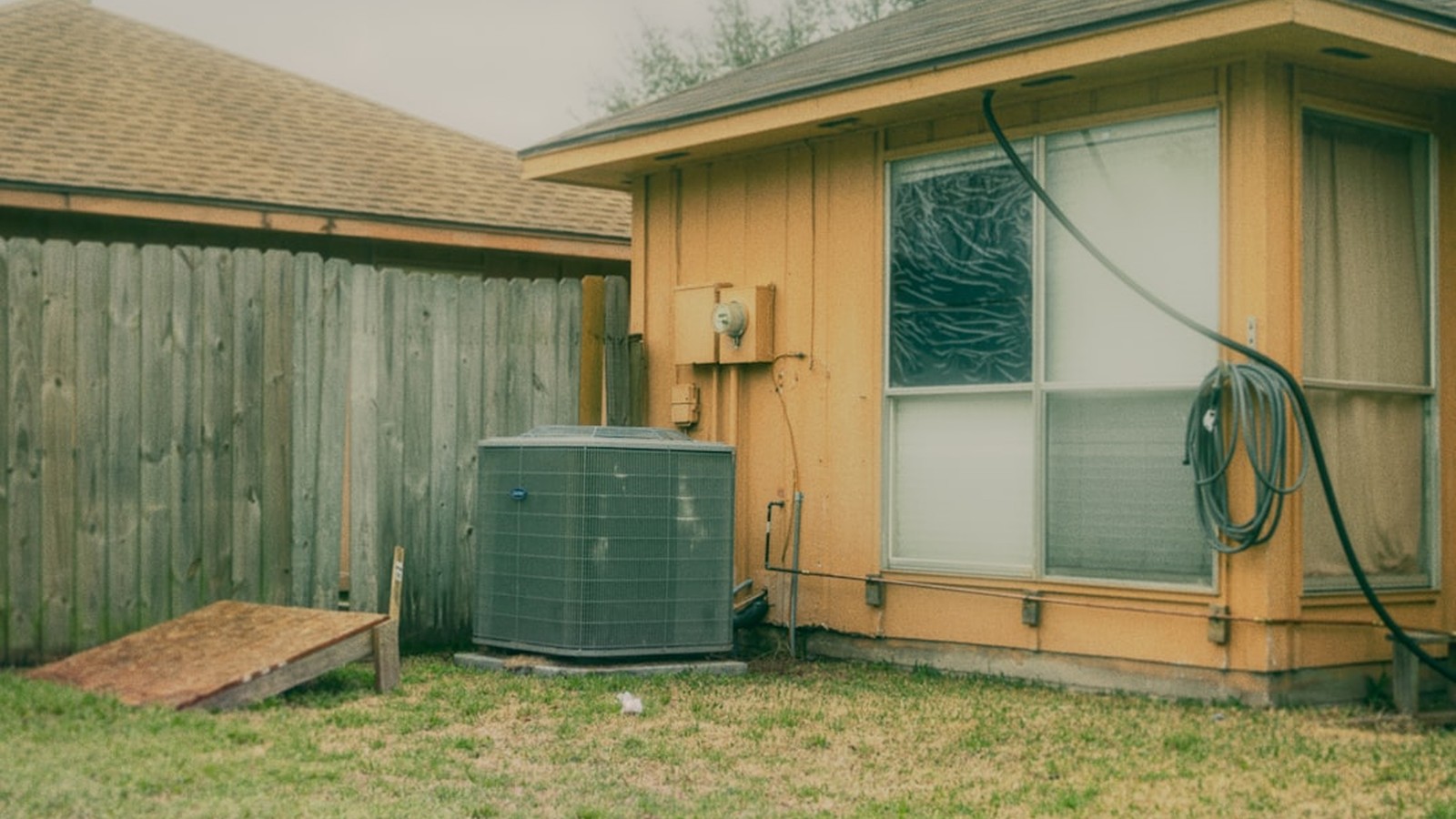
- Air Conditioners: In hot and humid areas like Texas, air conditioning is essential to keep indoor environments comfortable during the scorching summers. However, this comes at a cost, as air conditioners are among the most energy-consuming appliances in homes. When they run non-stop to maintain a cool temperature, they can significantly increase your energy bill. Therefore, using energy-efficient models and maintaining them regularly is important to reduce their impact on your wallet and the environment.
- Refrigerators: Refrigerators are often our kitchen's most hardworking and underappreciated appliances. They work non-stop, day and night, to keep our food fresh and safe. However, older refrigerator models are less energy-efficient and consume more electricity, leading to higher energy bills. By upgrading to an energy-efficient refrigerator, you can reduce your carbon footprint and save a considerable amount of money on your energy bills in the long run. Energy-efficient refrigerators use advanced technologies like digital compressors and improved insulation to reduce energy consumption and maintain optimal temperatures. They also have features like automatic defrosting and LED lighting, reducing energy consumption. If you want to upgrade your refrigerator, consider investing in an energy-efficient model that can help you save money, reduce your environmental impact, and keep your food fresh and safe for longer.
- Water Heaters: Heating water is a necessary part of everyday life but also accounts for a significant portion of your overall energy usage. Therefore, choosing the right water heater can make a huge difference in reducing your energy bills. Opting for a well-insulated, energy-efficient water heater is recommended to help you save money on your monthly utility bills. Such a water heater can prevent heat loss and retain the heat for longer, reducing the energy needed to reheat the water. It is also important to consider the size of the water heater based on your household's hot water needs. A properly sized water heater can ensure enough hot water for your daily needs without wasting energy.
- Clothes Dryers: Did you know that drying your laundry consumes significant energy? Your conventional clothes dryer uses a lot of electricity to heat the air and spin the drum, resulting in high energy bills. To reduce your carbon footprint and save money on your utility bills, consider alternative laundry methods. One option is to air-dry your clothes, an eco-friendly and cost-effective method of drying that requires no electricity. Alternatively, you could invest in energy-efficient dryers that use less energy and emit fewer greenhouse gases than traditional dryers. These dryers are designed to consume less electricity while providing effective drying results. Adopting these simple strategies can reduce your energy consumption and contribute to a healthier planet.
- Lighting: When lighting your space, it's essential to consider energy efficiency. Traditional incandescent bulbs have been used for years, but their thorniest option is that they consume a lot of energy and have a short lifespan compared to newer bulbs. This is where the LED and CFL bulbs come in. LED and CFL bulbs are designed to last longer and use significantly less energy than incandescent bulbs. LED bulbs are remarkably efficient, using up to 75% less energy than incandescent bulbs. CFL bulbs, on the other hand, use up to 80% less energy and last up to 10 times longer than traditional bulbs. By switching to LED or CFL bulbs, you can save money on your energy bills and reduce your carbon footprint, all while enjoying bright and efficient lighting in your home or office.
Energy-Efficient Home Appliances: A Wise Investment
Texas Home Appliance Choices
In Texas, where temperatures can reach excruciatingly high levels, it becomes imperative to select the right kind of appliances to keep your energy bills under control. Energy-efficient appliances are designed to operate at peak efficiency while consuming less energy, which can help lower your electricity bills and reduce your carbon footprint. By investing in energy-efficient appliances, you can not only save money in the long run but also contribute towards a more sustainable future.
- Air Conditioners: Opt for modern, energy-efficient AC units. Look for the coveted ENERGY STAR label, which signifies superior efficiency. Proper installation and regular maintenance are equally crucial to maximize their effectiveness.
- Refrigerators: When shopping for a new fridge, consider its energy rating closely. Models with adjustable temperature settings, efficient compressors, and proper insulation are ideal.
- Water Heaters: Tankless water heaters are game-changers. By heating water on demand, they eliminate standby energy losses. Plus, they occupy less space, making them a practical choice for any home.
- Clothes Dryers: Consider gas-powered dryers—they outperform their electric counterparts regarding energy efficiency. Regularly cleaning the lint filter further enhances its effectiveness.
- Lighting: Bid farewell to incandescent bulbs and embrace LEDs. These energy-efficient alternatives use up to 80% less energy and boast significantly longer lifespans.
Energy-efficient appliances aren’t just environmentally responsible; they’re also financially astute. Making conscious choices can reduce energy consumption while contributing to a greener planet. Whether you reside in Texas or elsewhere, consider upgrading your home appliances to save energy and money simultaneously.
Energy-Efficient Refrigerators
Upgrade your kitchen with an energy-efficient refrigerator, and start saving on both your monthly utility bills and your environmental footprint. Energy-efficient refrigerators are designed to consume less electricity while providing optimal cooling performance. Choosing an energy-efficient refrigerator can reduce your energy consumption and lower your carbon emissions.
One of the critical features of energy-efficient refrigerators is their advanced insulation. These refrigerators are built with high-quality insulation materials that help maintain a consistent temperature inside the fridge, reducing the need for the compressor to work harder. This not only saves energy but also prolongs the lifespan of the refrigerator.
Additionally, energy-efficient refrigerators are equipped with modern technologies such as smart defrosting and adaptive cooling systems. These features optimize the cooling process and minimize energy wastage. Some models even have sensors that detect when the refrigerator isn’t in use and automatically adjust the temperature settings to save energy.
When shopping for an energy-efficient refrigerator, look for the Energy Star label. Energy Star-certified refrigerators meet strict energy efficiency guidelines the Environmental Protection Agency (EPA) set. These refrigerators are approximately 9-10% more energy-efficient than standard models, which translates to significant savings on your electricity bills.
Eco-Friendly Washing Machines
To continue making sustainable choices for your home, consider investing in an eco-friendly washing machine that reduces water and energy consumption and helps minimize your environmental impact. Here are some key features to look for when choosing an eco-friendly washing machine:
- Water Efficiency: Eco-friendly washing machines use less water per cycle. Look for models with adjustable water levels or sensors that optimize water usage based on the load size. Front-loading machines generally consume less water than top-loading ones.
- Energy-Saving Features: Many modern washing machines come with energy-saving options. These include shorter wash times, lower water temperatures, and delayed start settings. By using these features, you can reduce both energy consumption and utility costs.
- High Spin Speeds: Opt for washing machines with increased spin speeds during the final rinse cycle. Higher spin speeds remove more water from your clothes, reducing the drying time and energy needed for drying.
- Cold Water Wash: Most energy washing machines use goes into heating water. Choose a model that performs well with cold water washes. Hard water saves energy and helps preserve the colors and fabric quality of your clothes.
- Front-Loading vs. Top-Loading: Front-loading washing machines are generally more energy-efficient. They use less water, require less detergent, and have faster spin cycles. If space allows, consider a front-loading model.
Smart Home Appliances
In the era of smart homes, energy efficiency meets technological innovation. Smart appliances are designed to optimize energy usage, enhance convenience, and provide real-time insights. Here are some examples of energy-efficient smart appliances:
- Smart Thermostats: These devices learn your heating and cooling preferences and adjust the temperature accordingly. They can be controlled remotely via smartphone apps, allowing you to save energy when you’re away from home.
- Smart Lighting Systems: Replace traditional bulbs with smart LED bulbs. These bulbs can be dimmed, scheduled, and even change color—all while consuming significantly less energy than incandescent bulbs.
- Smart Power Strips: These power strips automatically turn off power to devices that are in standby mode. You can reduce your overall energy consumption by preventing energy vampires (devices that draw power even when not in use).
- Smart Refrigerators: Beyond energy efficiency, smart fridges offer features like inventory management, recipe suggestions, and temperature alerts. Some models even adjust cooling based on usage patterns.
- Smart Dishwashers: These appliances optimize water usage and energy consumption. They can delay cycles to run during off-peak hours when electricity rates are lower.
Conclusion
By incorporating energy-efficient appliances and embracing smart technologies, you’re benefiting your wallet and contributing to a more sustainable future. Visit Ambit Energy to explore our range of energy-efficient solutions and take proactive steps toward a greener home. Remember, every choice matters!