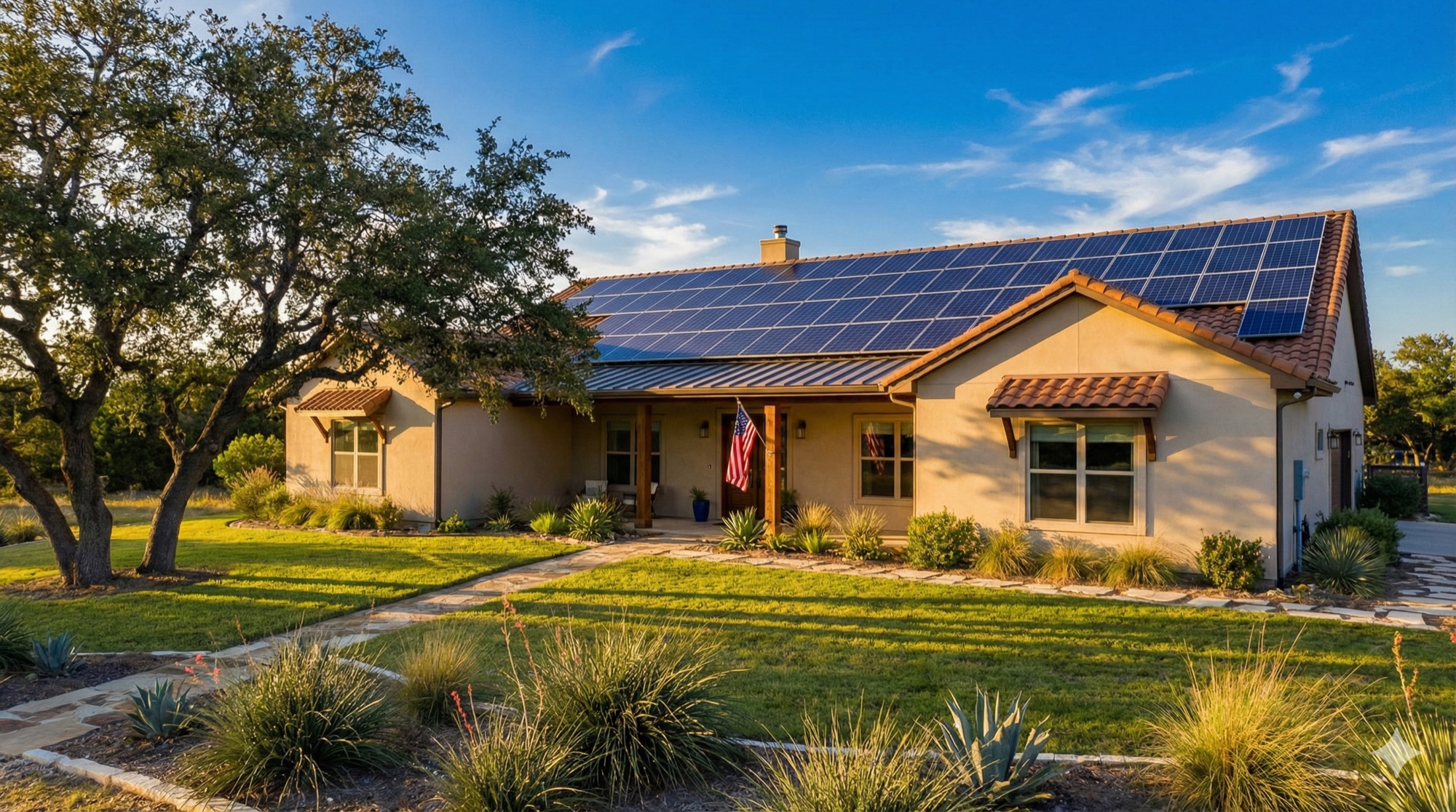
Update, October 2026: According to the IRS, the 30% federal Residential Clean Energy Credit is not available for systems placed in service after December 31, 2025. Mentions of the credit below apply only to systems installed by then. Texas utility rebates and the Texas property tax exemption may still lower your cost.
A green home incentive program provides federal tax credits, state rebates, and utility incentives to Texas homeowners making energy-efficient upgrades. Through programs like the 25C Energy Efficient Home Improvement Credit (up to $3,200/year) and 25D Residential Clean Energy Credit (30% of solar costs), homeowners can save thousands on improvements including solar panels, heat pumps, insulation, and battery storage systems.
Texas homeowners stand to benefit significantly from these green home incentive programs. According to EnergySage, the average Texas solar shopper saves $3,244 through the federal Residential Clean Energy Credit alone. Combined with state property tax exemptions and local utility rebates, you could reduce your total upgrade costs by 40-50%. Texas now ranks third nationally in home solar energy capacity, making our state one of the leading markets for residential renewable energy.
This guide covers everything you need to know about federal tax credits, Texas state incentives, and utility rebate programs available in 2025. We walk you through eligibility requirements, how to stack multiple incentives for maximum savings, and step-by-step instructions for claiming your credits. Whether you are considering solar panels, a heat pump, or whole-home efficiency upgrades, these green home incentive programs can make your investment more affordable.
A green home incentive program is a federal, state, or utility-sponsored initiative that provides financial benefits to property owners who make energy-efficient upgrades. These programs fall into three main categories: tax credits, rebates, and utility incentive programs.
Tax credits reduce your federal or state tax liability dollar-for-dollar. The 25C Energy Efficient Home Improvement Credit offers up to $3,200 per year, covering 30% of eligible costs for improvements like heat pumps, insulation, and energy-efficient windows. The 25D Residential Clean Energy Credit covers 30% of solar panel, battery storage, and geothermal system costs with no annual cap.
Rebates provide direct cash back or point-of-sale discounts. The HOMES rebate program offers up to $8,000 per home for whole-home energy retrofits, with amounts doubled for low-income households. These rebates help offset upfront costs immediately rather than waiting until tax time.
Utility programs vary by provider but typically include installation rebates, equipment discounts, and favorable solar buyback rates. Many Texas utilities offer rebates ranging from $1,500 to $3,000 for qualifying solar installations.
To qualify for most green home incentive programs, you must be a property owner with a primary or secondary residence in the United States. Rental property owners may qualify for some commercial incentives. Eligible improvements must meet specific efficiency standards, often requiring ENERGY STAR certification or manufacturer statements confirming compliance.
The Inflation Reduction Act created the most substantial federal green home incentive programs in U.S. history. Two main tax credits form the foundation of these incentives: the 25C Energy Efficient Home Improvement Credit and the 25D Residential Clean Energy Credit.
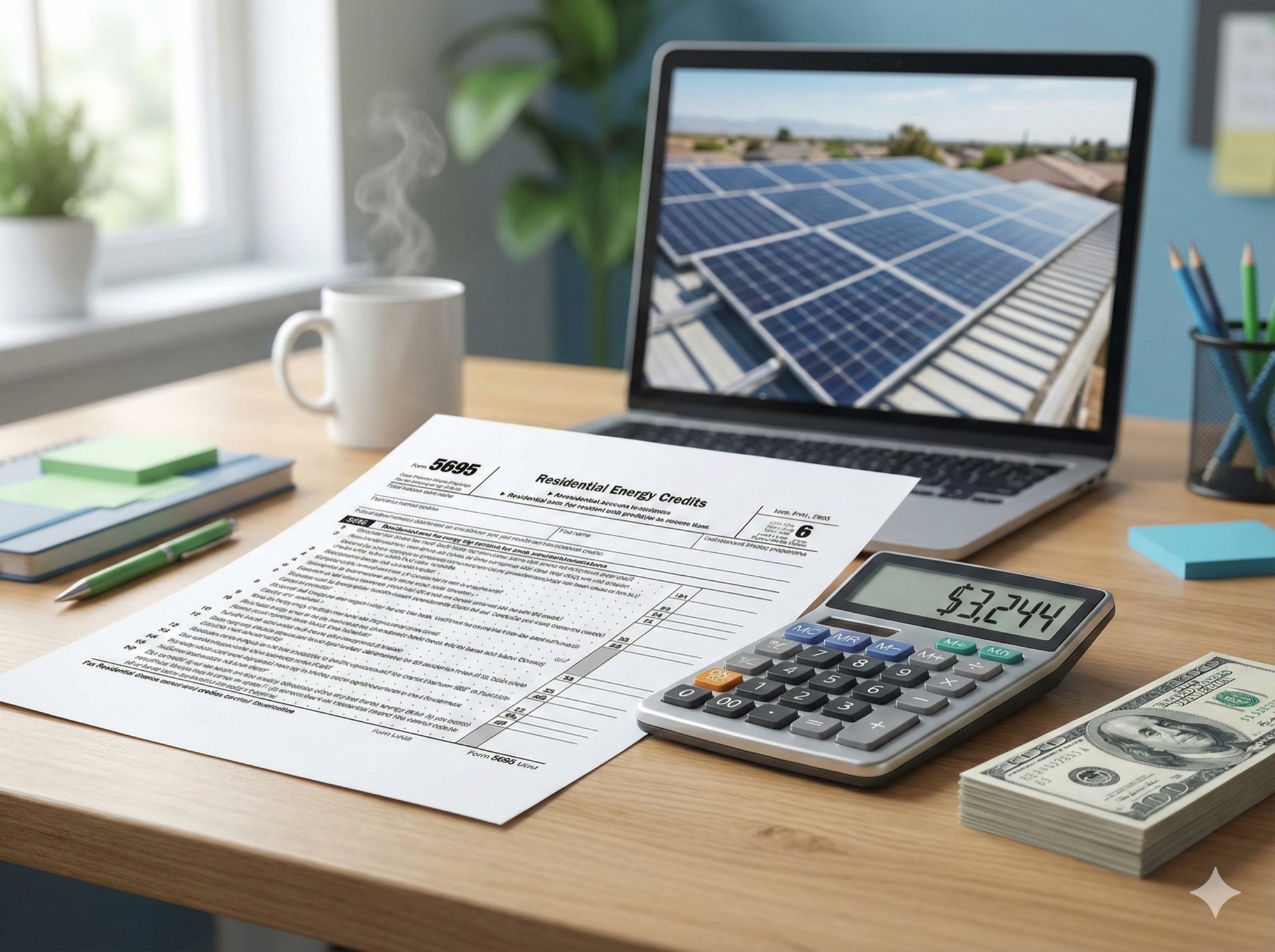
The 25C credit covers 30% of costs for qualifying energy efficiency improvements, with an annual limit of $3,200. This credit resets each tax year, meaning you can claim it multiple years in a row as you make additional upgrades.
Eligible improvements include:
The 25D credit covers 30% of the total cost for clean energy systems, including installation labor. Unlike the 25C credit, there is no annual cap on the 25D credit. According to EnergySage:
"The average Texas solar shopper will save $3,244 on solar panels with rebates and incentives. But act fast—the biggest incentive expires after this year."
Eligible systems include solar photovoltaic panels, battery storage systems (must be at least 3 kWh capacity), geothermal heat pumps, small wind turbines, and fuel cells. The 30% rate applies through 2032, then steps down to 26% in 2033 and 22% in 2034.
Beyond tax credits, the Inflation Reduction Act established two rebate programs administered by states:
HOMES Rebates provide up to $8,000 per home for whole-home energy retrofits. Low-income households may qualify for doubled rebate amounts. According to the Texas Comptroller, these rebates cover insulation, HVAC systems, and air sealing improvements based on modeled or measured energy savings.
HEAR Rebates (High-Efficiency Electric Home Rebate) offer up to $14,000 for low-to-moderate income households upgrading to efficient electrical equipment, including heat pumps, electrical panels, and ENERGY STAR appliances.
To claim federal tax credits, you will need to file IRS Form 5695 with your tax return. If you are considering solar buyback programs in Texas, these federal credits can significantly reduce your initial investment costs.
| Program | Maximum Credit | Eligible Items | Annual Limit |
|---|---|---|---|
| 25C Credit | $3,200/year | Heat pumps, insulation, windows, doors | Yes - resets annually |
| 25D Credit | 30% of costs | Solar, batteries, geothermal | No cap |
| HOMES Rebate | $8,000 ($16,000 low-income) | Whole-home retrofits | One-time |
| HEAR Rebate | $14,000 | Electric equipment upgrades | One-time |
Texas offers several state-level green home incentive programs that complement federal tax credits. The Texas State Energy Conservation Office (SECO) administers many of these programs and serves as the state agency distributing IRA rebate funds.
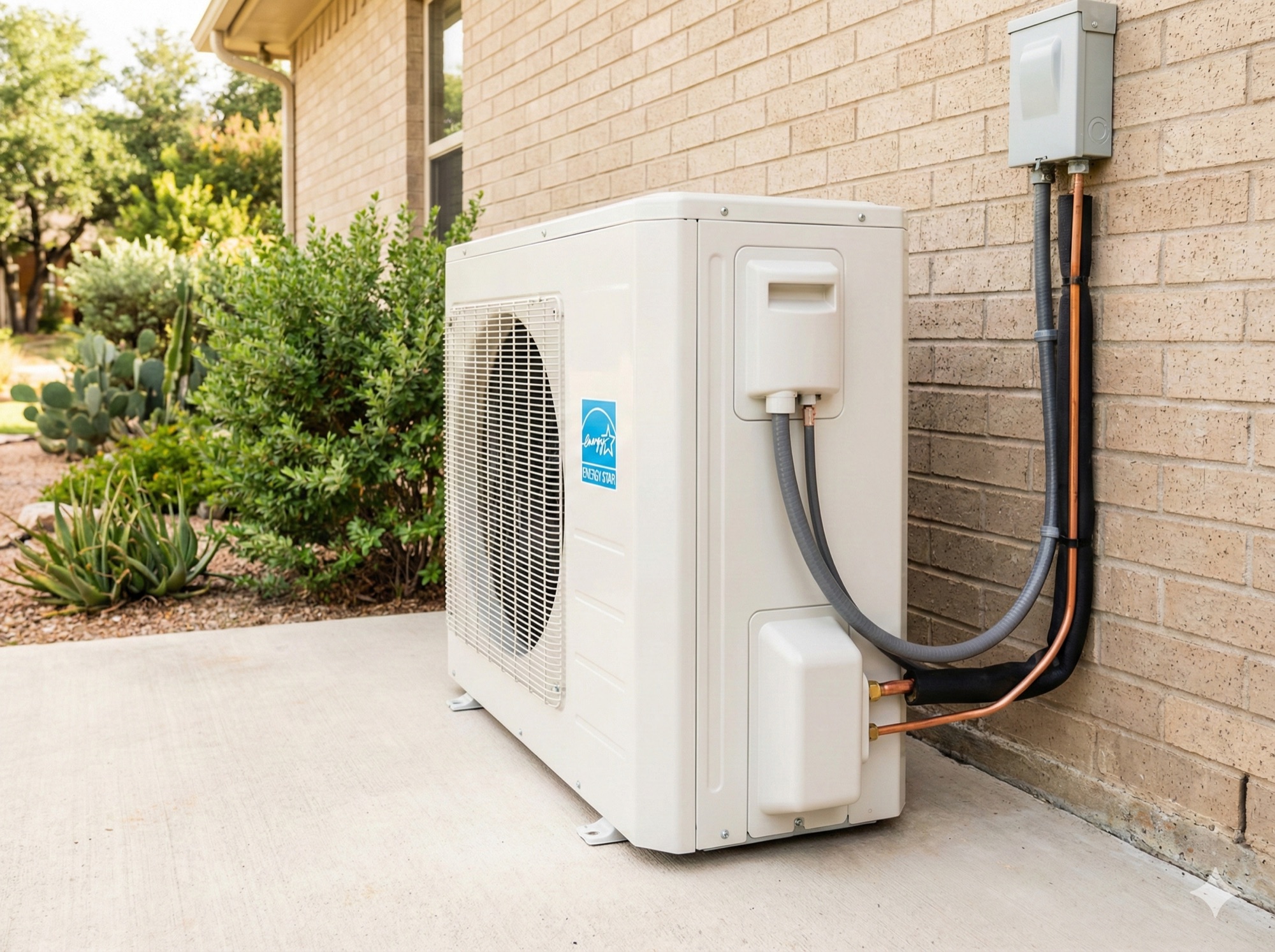
One of the most valuable Texas incentives is the 100% property tax exemption on the added home value from solar installations. According to the Texas Comptroller, if you install a $20,000 solar system that increases your home value by $15,000, you pay zero additional property taxes on that increased value. This exemption applies as long as you own the property.
SECO is responsible for administering the HOMES and HEAR rebate programs in Texas. According to Texas Comptroller guidance, these programs are designed to bolster existing efficiency programs and should be available for Texas homeowners. Check the SECO website for current program status and application procedures.
The Texas Home Energy Efficiency Program (THEEP) provides resources and incentives for whole-home efficiency improvements. This program works alongside federal credits to help Texas homeowners reduce energy consumption through weatherization, HVAC upgrades, and building envelope improvements.
Texas has become a national leader in renewable energy adoption. According to Enphase:
"Texas has surpassed California in large-scale solar power generation, and the Lone Star State now ranks third nationally in home solar energy capacity installed."
This growth means more contractors, better prices, and stronger support infrastructure for homeowners pursuing green upgrades. The competitive market helps drive down installation costs while maintaining quality.
When combining state incentives with federal programs, Texas homeowners can stack the 100% property tax exemption with 25D solar credits and utility rebates. For example, a $25,000 solar installation could yield:
Consider exploring Texas solar buyback plans to maximize your return on investment after installation. Programs like battery backup incentives can further enhance your savings through energy storage benefits.
Texas utilities in the ERCOT grid area offer various green home incentive programs, including solar rebates, efficiency incentives, and favorable buyback rates. These utility programs provide additional savings beyond federal and state incentives.
Austin Energy offers one of the most comprehensive utility rebate programs in Texas. Their solar rebate provides $2,500 for systems of 3 kilowatts or larger. Homeowners must complete an online education course before installation.
For whole-home improvements, Austin Energy states:
"Earn rebates averaging $3,000 and access 0% financing on whole-home energy improvements."
The Home Energy Savings program covers insulation, air sealing, HVAC upgrades, and more. Austin Energy also offers one of Texas's leading solar buyback programs with competitive rates for excess energy production.
AEP Texas operates the SMART Source program with tiered rebates based on system size:
These rebates stack with federal tax credits, potentially saving you over $10,000 on a typical residential solar installation.
New Braunfels Utilities (NBU) offers rebates up to $3,000 for qualifying photovoltaic systems, along with required education courses.
SMTX Utilities provides $1 per watt rebates up to $2,500, with a maximum of 50% of system costs covered.
Many other Texas utilities offer efficiency rebates for heat pumps, smart thermostats, and ENERGY STAR appliances. Contact your local utility directly or search the DSIRE database to find programs specific to your service area.
| Utility | Solar Rebate | Requirements |
|---|---|---|
| Austin Energy | $2,500 | 3kW+ system, education course |
| AEP SMART Source | $1,500-$3,000 | Tiered by system size |
| NBU | Up to $3,000 | PV system + education |
| SMTX | $1/W up to $2,500 | Max 50% of system cost |
To find your utility's specific programs, check your monthly bill for the provider name, then visit their website or call customer service. You can also compare electricity buyback rates in Texas to maximize ongoing savings from your solar investment.
Strategic planning helps you capture the full value of available green home incentive programs. The key is stacking federal, state, and utility incentives while timing your improvements for maximum benefit.
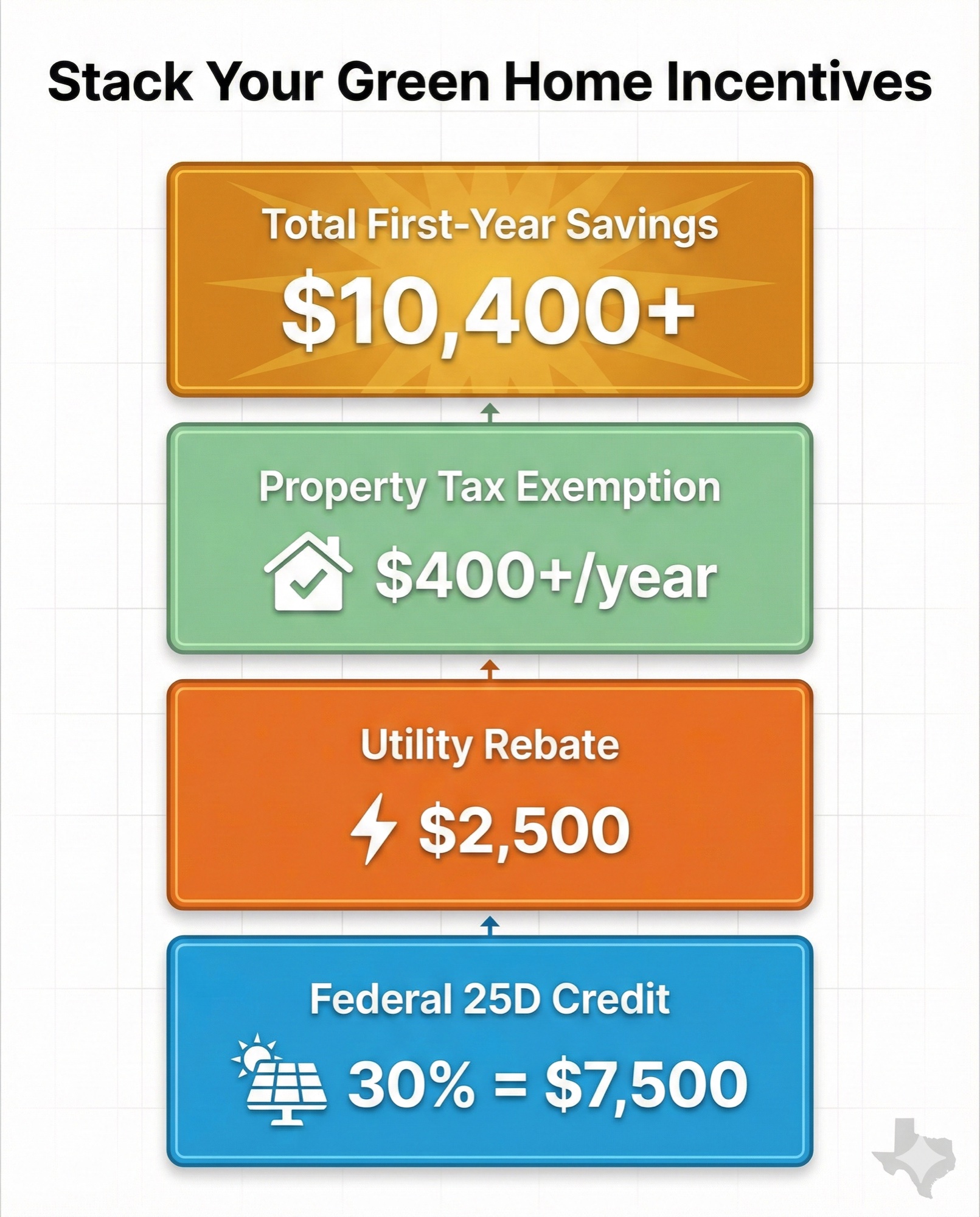
Federal tax credits, state programs, and utility rebates can be combined in most cases. Consider this example for a $25,000 solar installation in Austin:
Total first-year value: Over $11,600, plus ongoing savings
According to Solar United Neighbors, participants in the Solar Switch Dallas program saved an average of over $6,000 per home through group purchasing and incentive optimization.
Not all energy upgrades deliver equal returns. For maximum value in Texas:
The 25D Residential Clean Energy Credit remains at 30% through 2032, but some experts recommend acting sooner. Utility rebate programs can change or end without notice. The 25C credit annual limit resets each January 1, allowing you to spread larger projects across multiple tax years.
Starting in 2025, certain tax credits require installation by qualified contractors. Look for:
Avoid common mistakes like failing to get manufacturer certifications, missing rebate application deadlines, or not documenting improvements properly. Working with experienced contractors helps ensure you capture all available incentives.
Learn more about how to maximize your renewable energy ROI with smart planning and program selection.
Follow these steps to successfully claim your green home incentive program benefits:
Keep all receipts, contracts, and invoices from your energy improvements. Document the installation date, equipment model numbers, and total costs including labor. Take before and after photos of major installations.
Request the Manufacturer's Certification Statement for each piece of equipment. This document confirms your products meet efficiency requirements for tax credit eligibility. Most manufacturers provide these on their websites or upon request.
File IRS Form 5695 with your annual tax return to claim the credit. Part I covers the 25C credit for efficiency improvements. Part II covers the 25D credit for clean energy systems.
Key form tips:
Most utility rebates require applications before or shortly after installation. Check your utility's requirements for:
Submit applications promptly to avoid missing program funding cycles.
Keep all documentation for at least three years after filing your tax return. Store:
If your credit exceeds your tax liability, the 25D credit can carry forward to future tax years. The 25C credit does not carry forward, but the annual limit resets each year for future improvements.
Ready to explore your energy options? Get your free energy quote to see how green home incentive programs can work for your household.
Qualifying improvements include heat pumps, heat pump water heaters, central air conditioning, furnaces, windows, doors, insulation, and electrical panel upgrades. Equipment must meet specific efficiency standards, typically requiring ENERGY STAR certification or manufacturer statements confirming eligibility for the relevant tax credit.
Yes. The 25C and 25D credits cover different types of improvements and can be claimed together. For example, you could claim the 25C credit for a heat pump installation and the 25D credit for solar panels in the same tax year, potentially saving over $10,000.
No. The 25C and 25D credits are nonrefundable tax credits claimed on Form 5695, not deductions. You can claim these credits whether you take the standard deduction or itemize. The credits reduce your tax liability dollar-for-dollar.
For the 25D Residential Clean Energy Credit, excess amounts carry forward to future tax years. For the 25C credit, unused amounts do not carry forward, but the annual limit resets each January 1, allowing you to claim up to $3,200 again the following year.
Generally, no. Federal tax credits require you to own the property where improvements are installed. However, some utility rebate programs may offer incentives for renters through their landlords, and efficiency programs like weatherization assistance may be available regardless of ownership status.
Starting in 2025, certain improvements require installation by qualified contractors to claim the full tax credit. Heat pump installations, electrical work, and some HVAC improvements fall under these requirements. Always verify contractor licensing and certifications before hiring.
Keep all receipts, certifications, and Form 5695 copies for at least three years after filing your tax return. If you carry forward unused credits, maintain records until three years after claiming the final credit amount.
Consider acting in 2025 to take advantage of current incentive levels. The 25D credit remains at 30% through 2032 but steps down afterward. Utility rebate programs can change without notice. Planning improvements across multiple years can maximize your 25C credit claims, which reset annually.
For more details on Texas incentives, Texas Coop Power provides an excellent overview of available programs.
Green home incentive programs offer Texas homeowners substantial savings on energy-efficient upgrades. Between the 25C credit (up to $3,200 annually), 25D credit (30% of solar and battery costs), state property tax exemptions, and utility rebates, you could reduce your upgrade costs by 40-50% or more.
The key to maximizing your savings is strategic planning. Stack federal tax credits with state incentives and utility rebates. Time your improvements to take advantage of annual credit resets. Work with qualified contractors who understand documentation requirements.
Texas ranks among the top states for solar adoption, and our utilities offer some of the country's most competitive rebate programs. Whether you are considering solar panels, heat pumps, or whole-home efficiency improvements, 2025 presents an excellent opportunity to invest in your home's energy future.
Ready to explore your options? An energy consultant can help you identify the best green home incentive programs for your situation and calculate your potential savings.







Copyright © 2026 VIPEnergyService.com. All rights reserved | PUCT# 10117