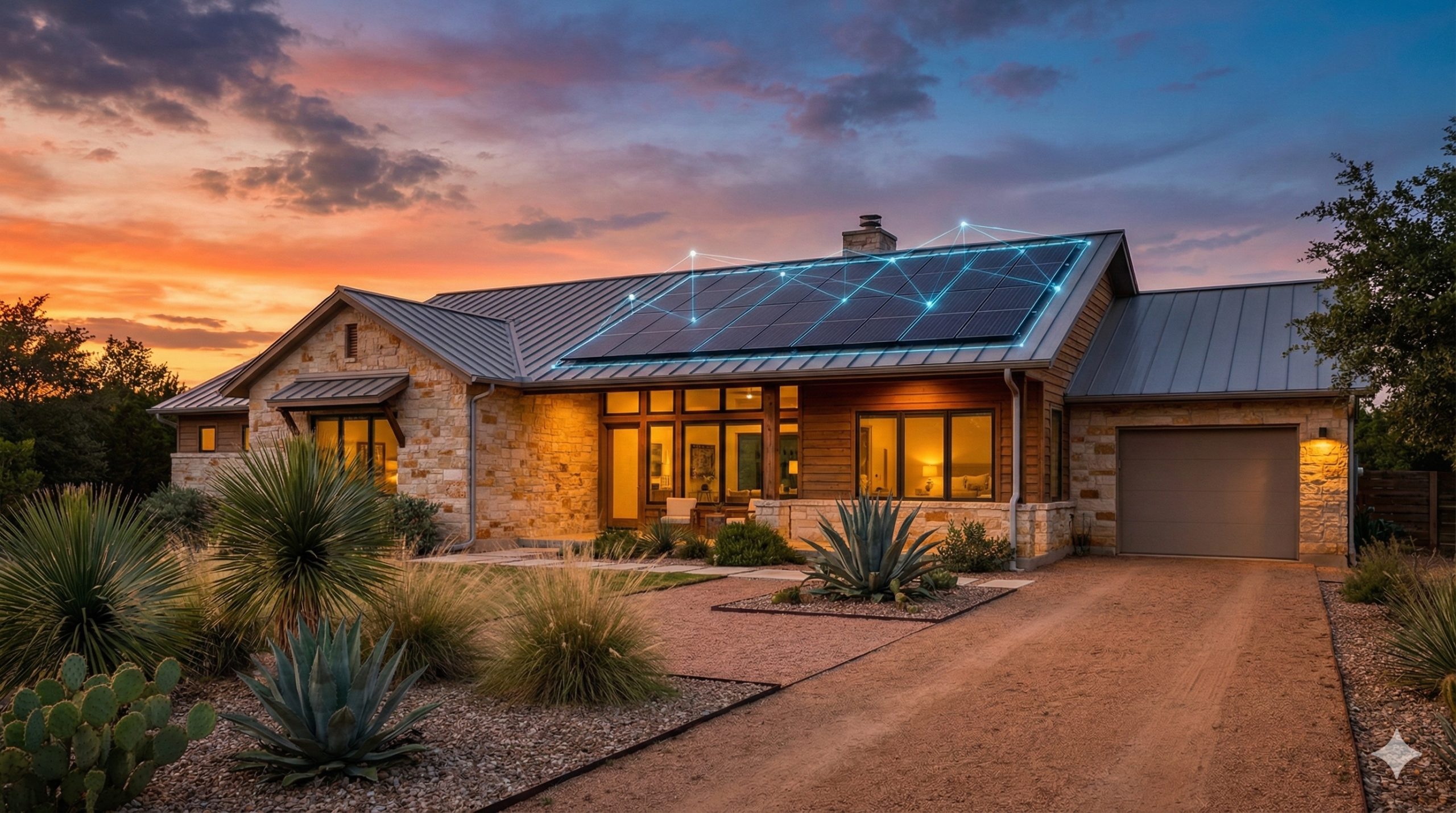
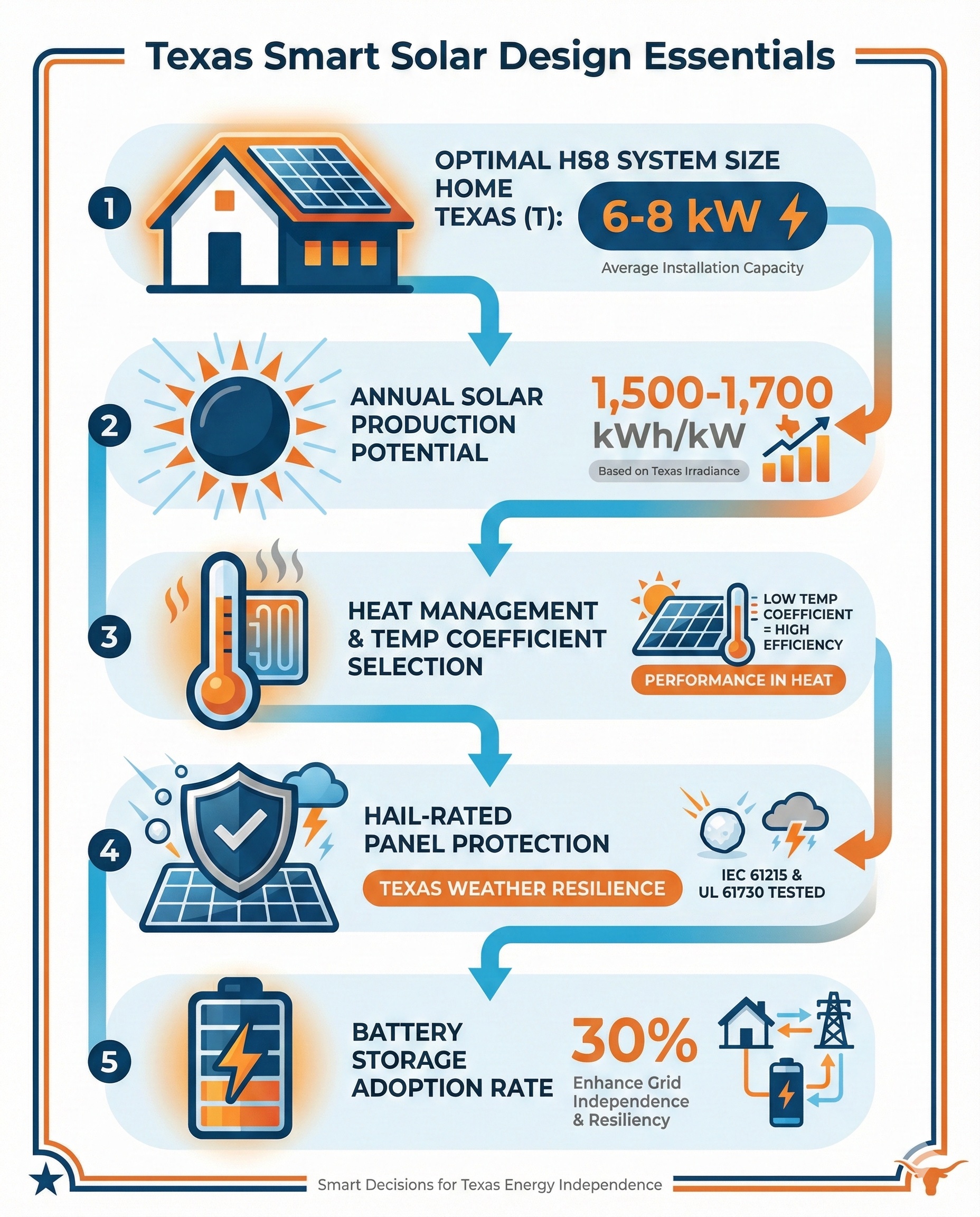
Smart solar design for your home solar system means correctly sizing your panels, optimizing placement for maximum energy production, and integrating battery storage for complete energy independence. The average Texas home needs a 6-8 kW home solar system producing 1,500-1,700 kWh per kilowatt annually. With proper house energy storage, Texas homeowners can reduce electricity bills by 50-90% while gaining backup power reliability during grid outages.
This guide covers everything you need to know about home solar system smart solar design for your Texas home in 2026.
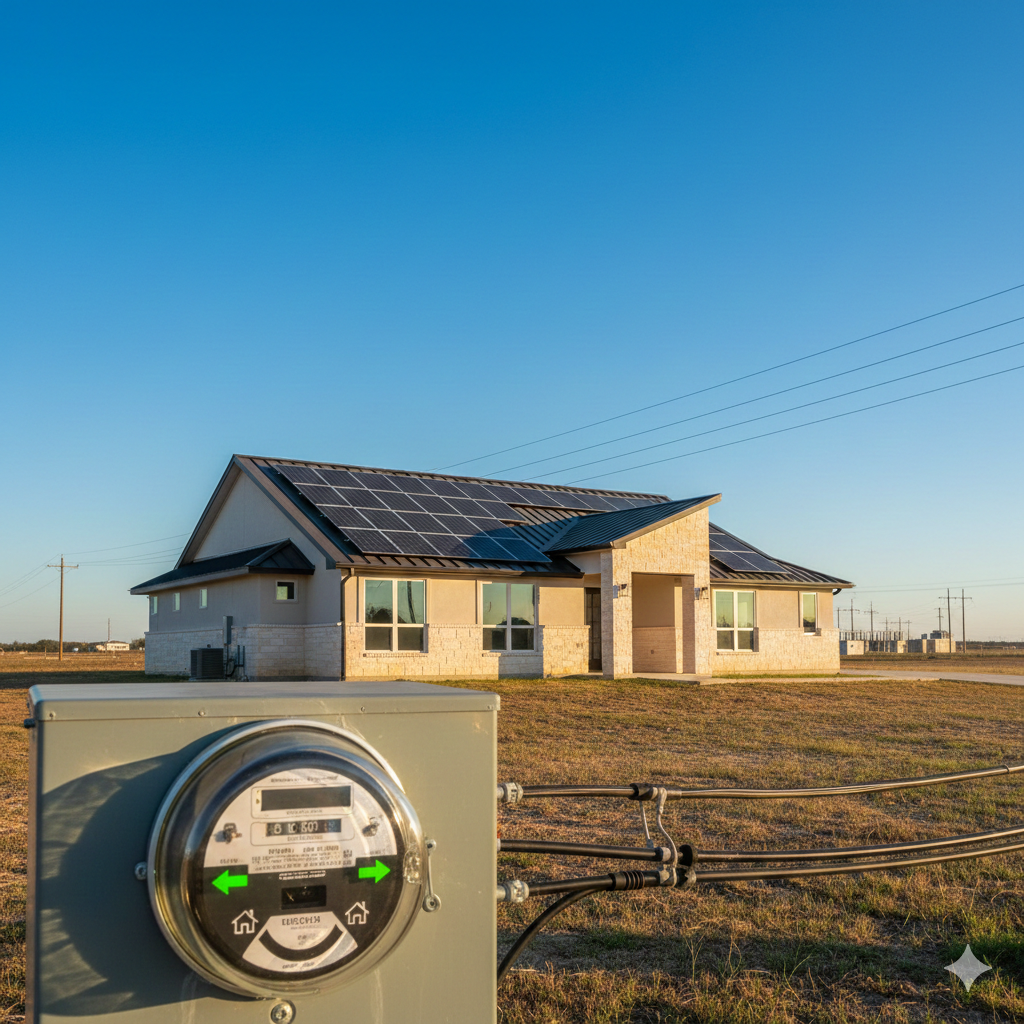
Smart solar design transforms how Texas homeowners approach their home solar system installation. Unlike traditional installations that simply mount panels on available roof space, smart solar design uses AI-optimized tools to determine the ideal system size, panel placement, and battery storage integration for your specific energy needs.
According to the National Renewable Energy Laboratory, Texas enjoys exceptional solar production potential. A home solar system in Dallas produces approximately 1,550 kWh per kilowatt annually, while San Antonio reaches 1,650 kWh/kW and El Paso achieves 1,700 kWh/kW. This superior solar irradiance makes Texas one of the best states for residential solar systems.
The three pillars of smart solar design include:
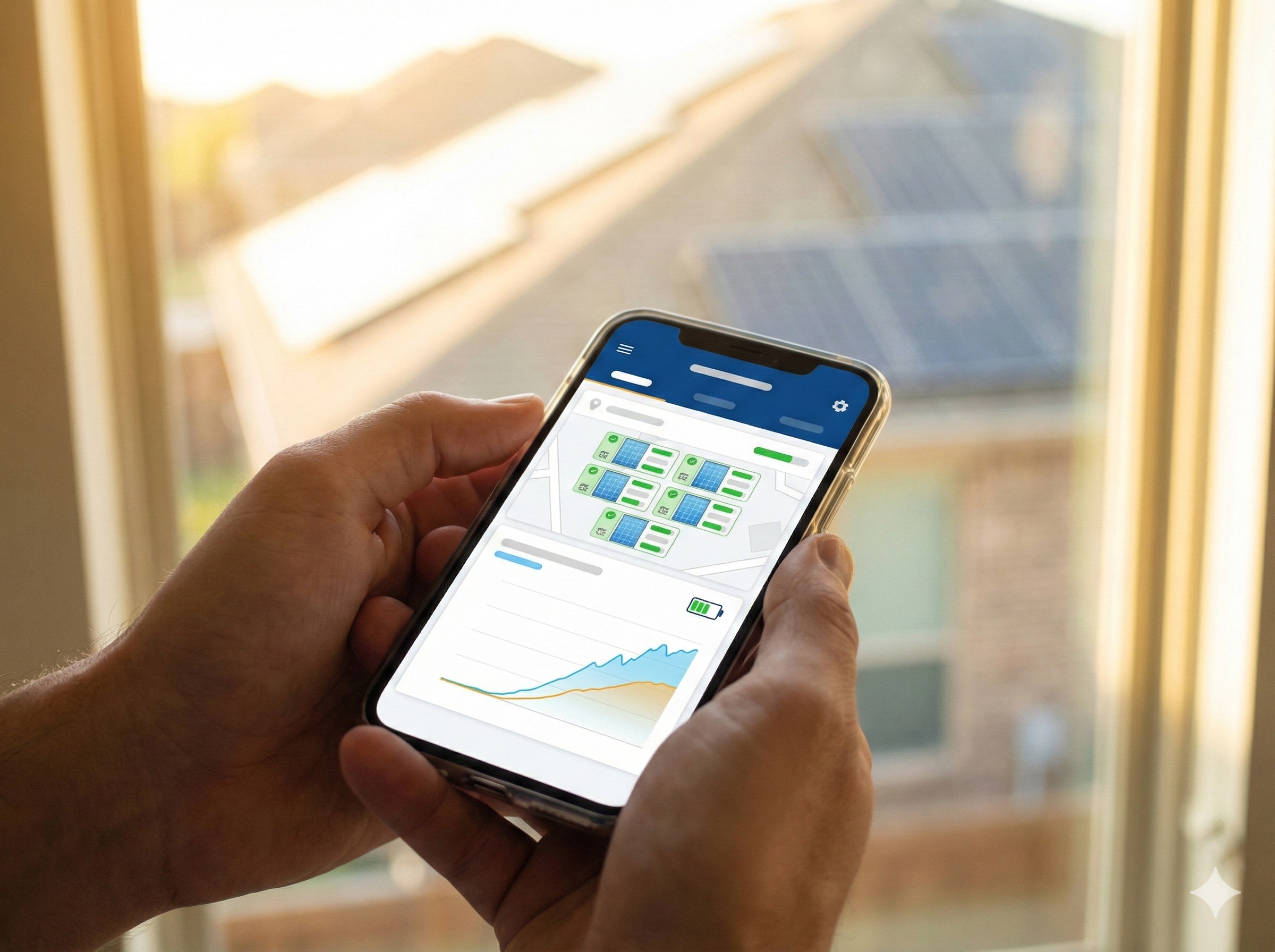
Smart solar technology also incorporates real-time monitoring through apps that track your solar production and energy usage. This data helps homeowners understand their energy patterns and maximize savings from their home solar system.
Proper system size calculation is the foundation of any successful home solar system installation. Getting this right ensures you generate enough electricity to meet your energy goals without overspending on unnecessary capacity.
According to the Lawrence Berkeley National Laboratory's Tracking the Sun report, the median U.S. residential system size reached 7.2 kW in 2023. Texas homeowners typically need systems in the 6-8 kW range for homes between 1,500 and 2,500 square feet.
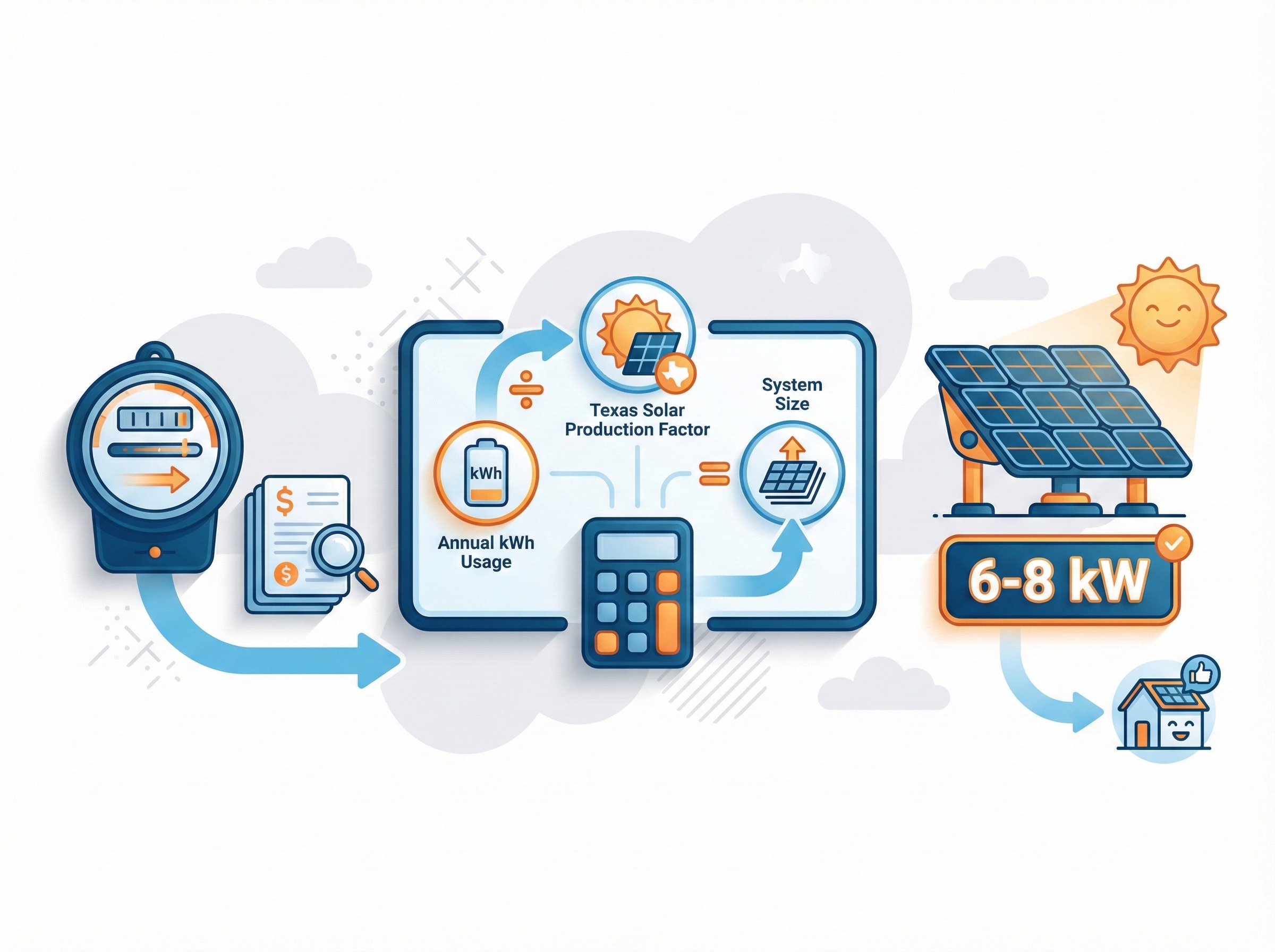
Here's how to calculate your ideal home solar system size:
Step 1: Determine annual energy consumption
Review 12 months of electricity bills to find your total kWh usage. The average Texas home consumes approximately 12,000 kWh annually.
Step 2: Calculate required system size
Divide your annual consumption by your area's solar production factor. For example: 12,000 kWh / 1,600 (Austin average) = 7.5 kW system.
Step 3: Account for future energy needs
Consider adding 10-20% capacity if you plan to purchase an electric vehicle or add battery storage.
The good news for Texas homeowners is that solar costs here remain below the national average. The LBNL reports Texas residential solar costs averaged $2.64 per watt DC in 2023, compared to the national median of $3.28 per watt. Combined with the 30% federal Investment Tax Credit, a typical home solar system costs approximately $13,000-$15,000 after incentives.
Understanding your system size requirements helps you compare quotes from solar installers and ensures you receive a solar cost analysis that accurately reflects your energy needs.
Modern home solar system installations include smart features that dramatically improve energy efficiency and production monitoring. These technologies help Texas homeowners extract maximum value from their solar investment.
Panel-level monitoring and optimization
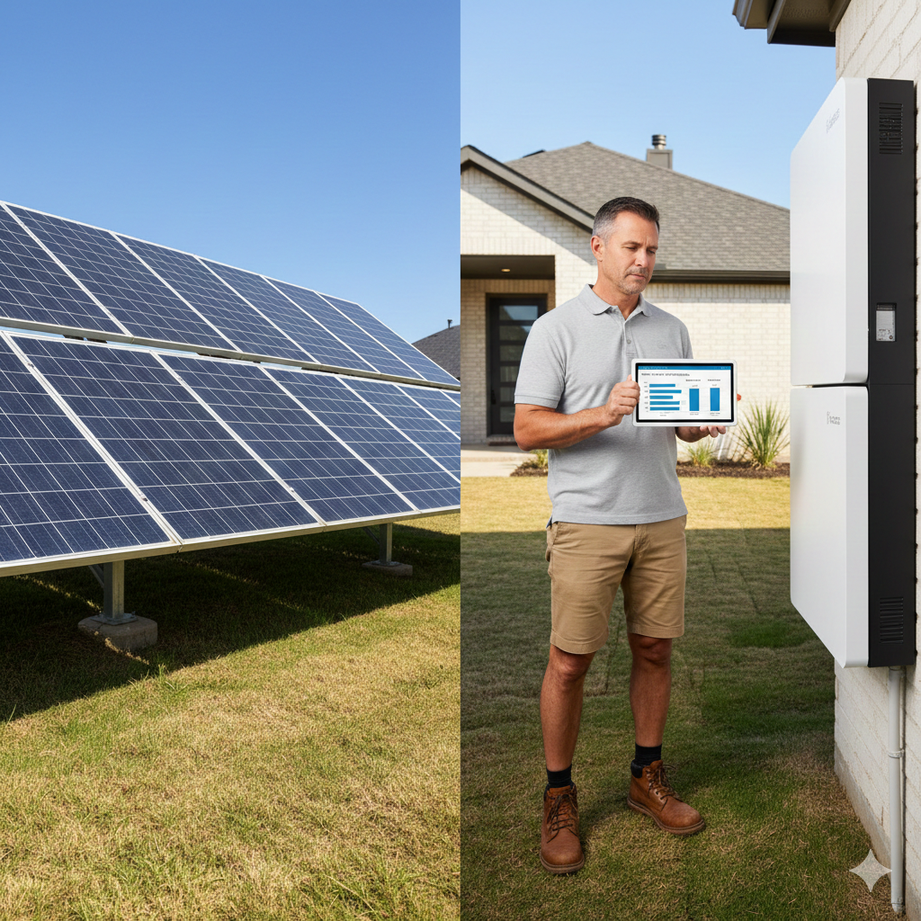
Companies like Enphase and SolarEdge provide microinverters and power optimizers that enable panel-level monitoring. This smart solar technology allows homeowners to identify underperforming panels and track production in real time through smartphone apps.
AI-optimized panel placement
Smart design software analyzes satellite imagery, roof angles, and local weather patterns to determine optimal panel placement. This technology accounts for Texas-specific factors like extreme heat, which can reduce panel efficiency by 10-15% on the hottest summer days.
Battery storage integration
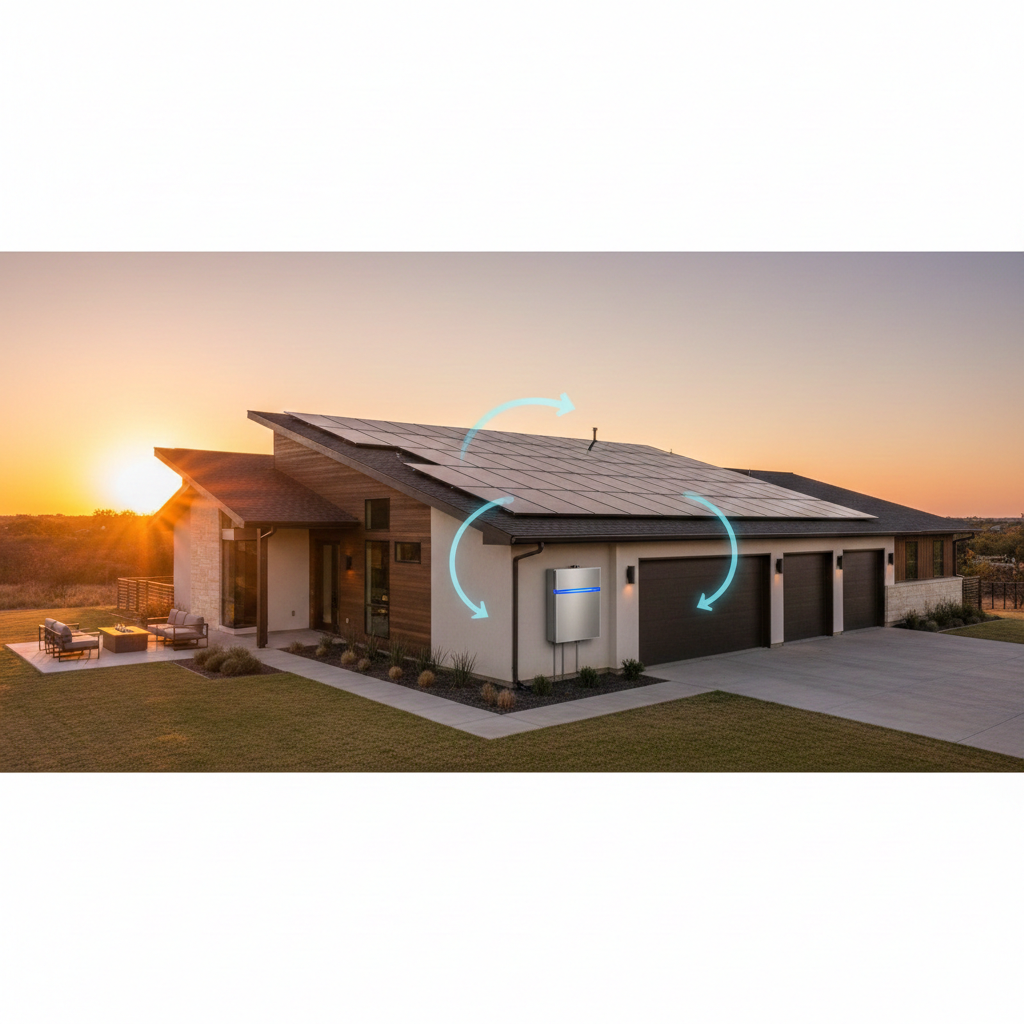
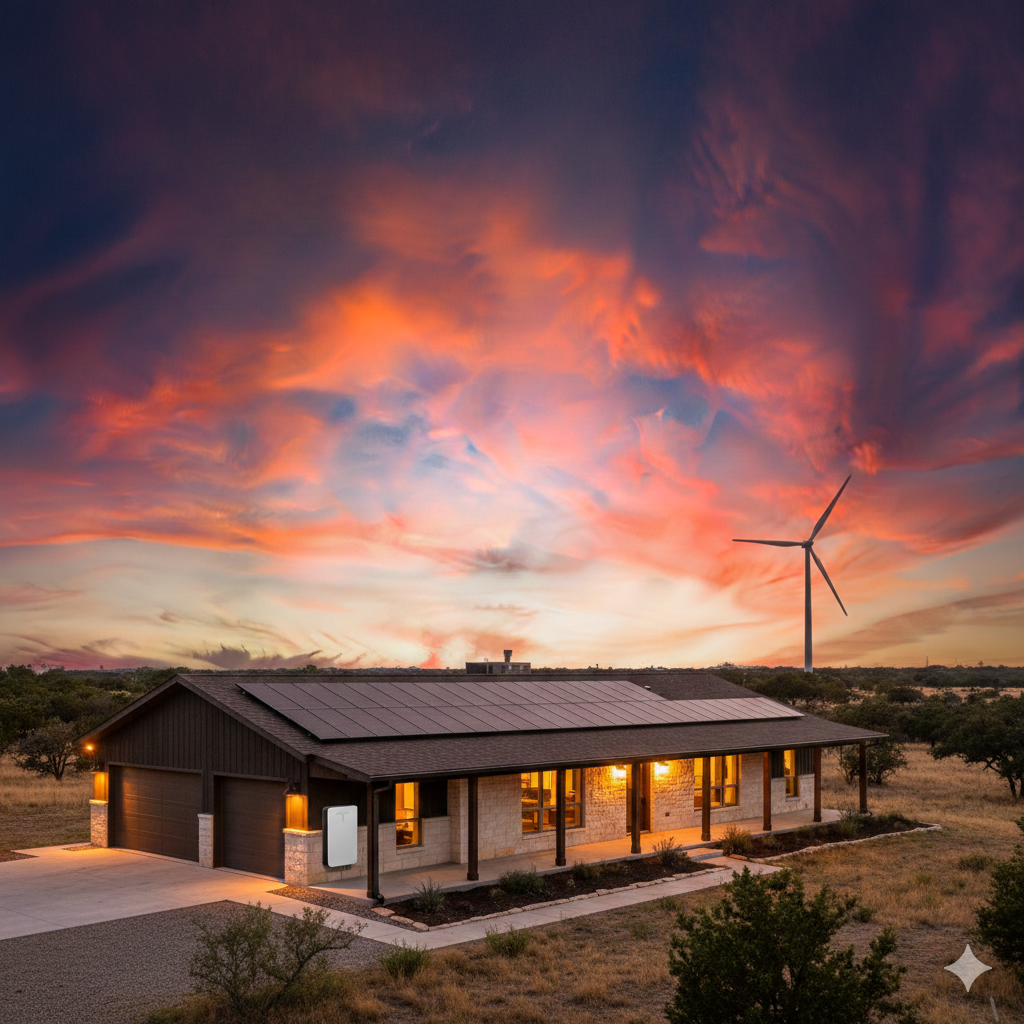
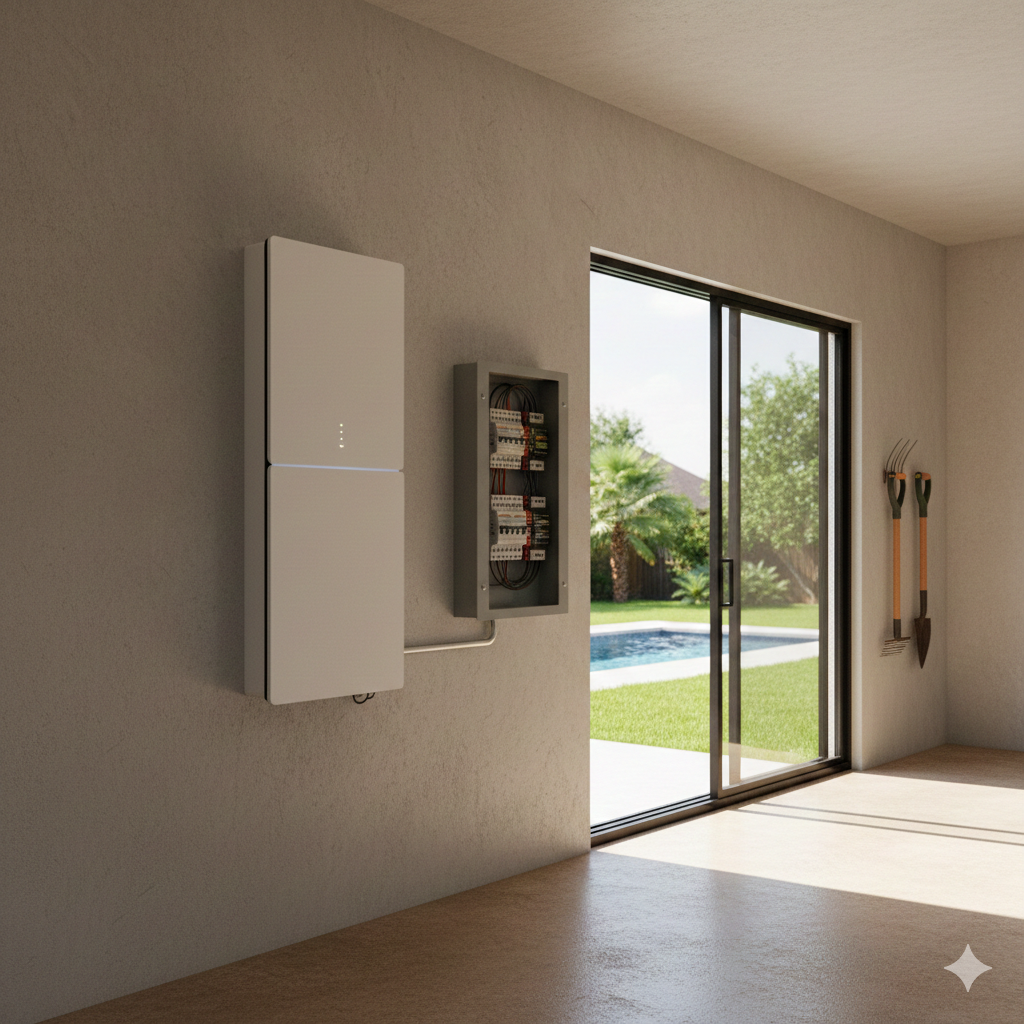
According to the Solar Energy Industries Association, approximately 30% of new U.S. residential solar installations now include battery storage. Texas homeowners increasingly recognize that solar and battery systems work together to provide energy independence and backup power during grid outages.
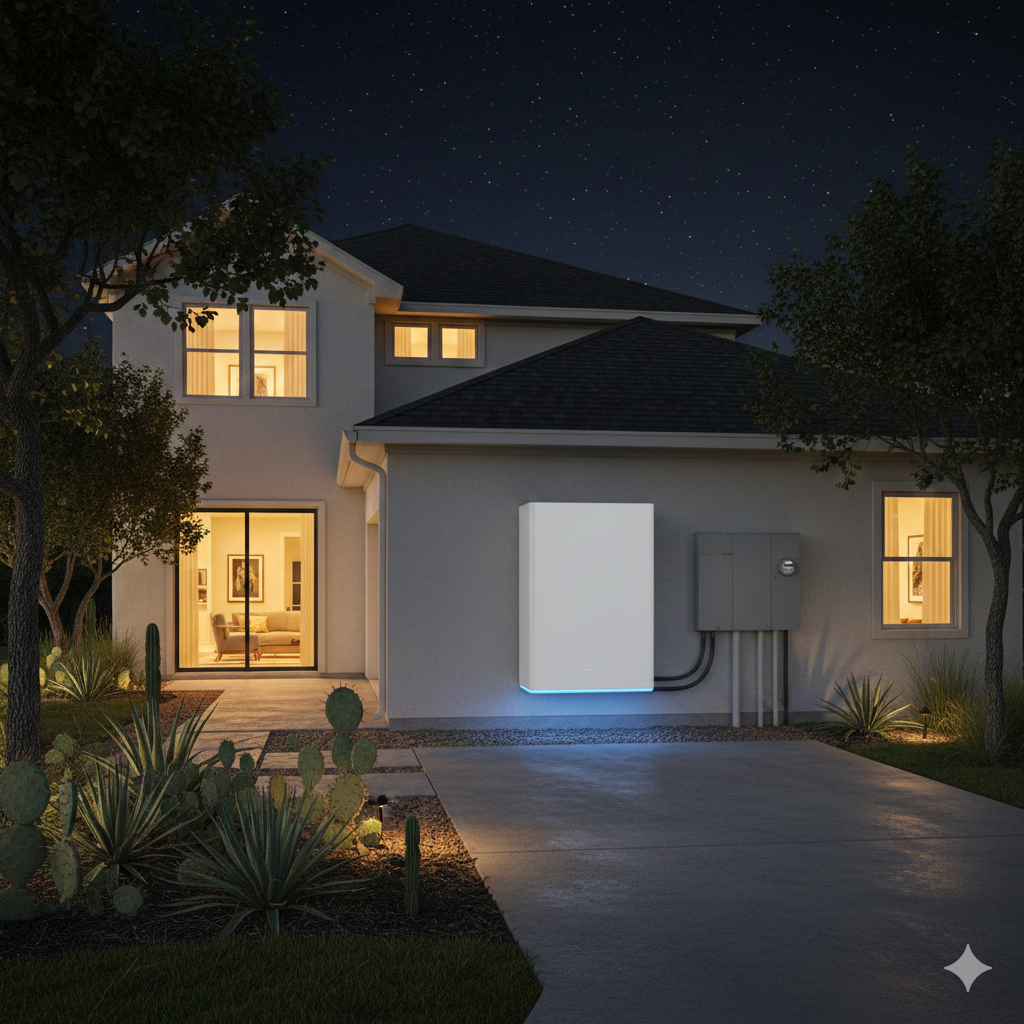
The stored solar energy from battery systems keeps essential appliances running when the grid fails. Smart inverters automatically detect outages and switch to battery power within milliseconds, ensuring continuous electricity for your home solar system.
ERCOT data shows Texas is adding 11.8 GW of battery storage capacity to the grid in 2025, reflecting the growing importance of energy storage across the state.
Designing a home solar system for Texas requires addressing unique regional factors that affect solar production and system longevity.
Heat management
Texas summers push temperatures above 100 degrees for extended periods. Smart solar design selects panels with low temperature coefficients that maintain efficiency in extreme heat. Proper installation spacing allows airflow behind panels for natural cooling.
Storm and hail protection
Texas experiences severe weather including hail storms. Choose hail-rated, tempered-glass solar panels and robust mounting systems designed for high winds. Quality home solar system installations use materials tested to withstand the state's demanding conditions.
Grid integration and buyback programs
According to the Institute for Energy Economics and Financial Analysis, wind and solar produced 40.2% of ERCOT electricity through June 2025. Texas homeowners with Texas solar buyback programs can sell excess solar energy back to the grid and receive credits on their electricity bills.
The Texas market for residential solar systems continues expanding rapidly. Chariot Energy reports that over 100,000 new residential solar systems were installed in Texas during 2023, with installations growing approximately 30% annually between 2020 and 2023.
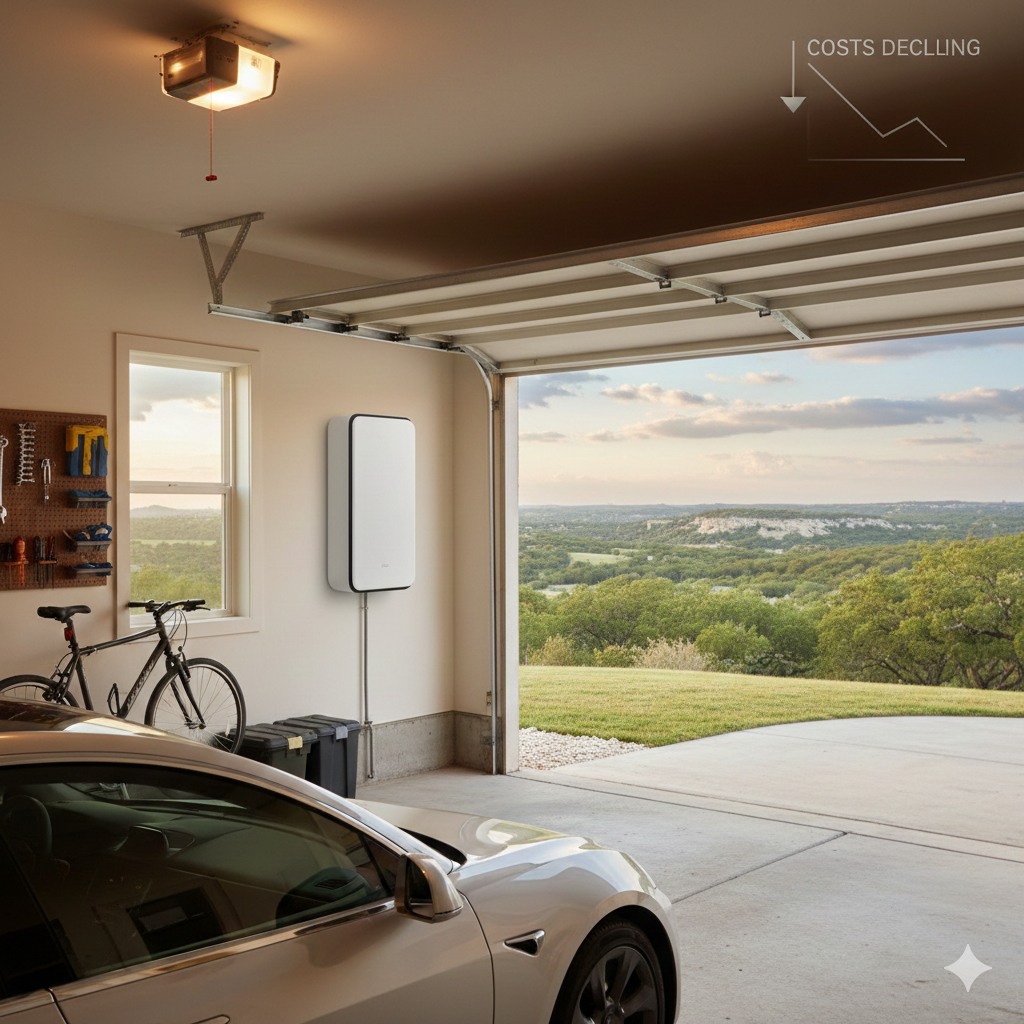
Looking ahead to 2026, expect continued price decreases for both solar panels and battery storage, making smart solar design more accessible for Texas homeowners seeking energy independence.
Ready to explore home solar system smart solar design for your Texas home? Follow these steps to begin your journey toward energy efficiency and independence.
Step 1: Gather your energy data
Collect 12 months of electricity bills to understand your consumption patterns. Note your highest usage months, typically summer when air conditioning drives energy costs.
Step 2: Assess your roof
Evaluate your roof's orientation, age, and available space. South-facing roofs maximize solar production, but east and west orientations also work well for Texas home solar system installations.
Step 3: Compare solar buyback plans
Research retail electric provider plans that offer favorable rates for selling excess solar energy back to the grid. Look for plans with competitive buyback rates that credit your full retail rate for exported energy.
Step 4: Consult qualified installers
Work with experienced Texas solar installers who understand local conditions, permitting requirements, and utility interconnection processes.
At Ambit Energy VIP Energy Service, we help Texas homeowners navigate the path to smart solar design with personalized energy solutions. Our team matches you with the right combination of solar panels, battery storage, and electricity plans to maximize your energy goals.
Ready to start saving with solar? Get your free energy quote today and discover how our competitive solar buyback rate can help you achieve true energy independence with your home solar system.


Copyright © 2026 VIPEnergyService.com. All rights reserved | PUCT# 10117