
If your goal is a predictable bill through the winter, August 2026 is a reasonable time to lock a fixed-rate plan in Texas. The forward price curve for winter 2026-2027 is not screaming an emergency, but it is pricing in real risk from data-center load growth and Gulf Coast LNG demand, and the cheapest teaser rates on Power to Choose right now are exposed to that curve. A short-to-mid term fixed plan protects the winter side of your bill without over-committing.
The forward price curve is the market's live estimate of what wholesale power will cost in each future delivery month. Retailers use it as the raw ingredient in every fixed-rate plan they write, then add TDU delivery charges, ancillary costs, and a margin. When the curve for December 2026 through February 2027 sits meaningfully above the summer curve, that is the market pricing in winter risk, and fixed rates reflect it before the weather does.
Three signals matter right now. Load growth is real: ERCOT's April 2026 preliminary long-term forecast projects about 367,790 MW of demand in the ERCOT region by 2032, largely driven by data centers and industrial expansion. Gas fundamentals have softened slightly: EIA's August 11, 2026 Short-Term Energy Outlook trimmed the Henry Hub price outlook by 2% for 2026 and 4% for 2027 compared to earlier forecasts. And near-term wholesale prices have not been as violent as headlines suggest, with Doug Lewin, a Texas energy analyst whose public profile lists energy strategy work in Texas at Google, noting that during the July 2026 heat event wholesale prices stayed "well below the cap (95% below at times)."
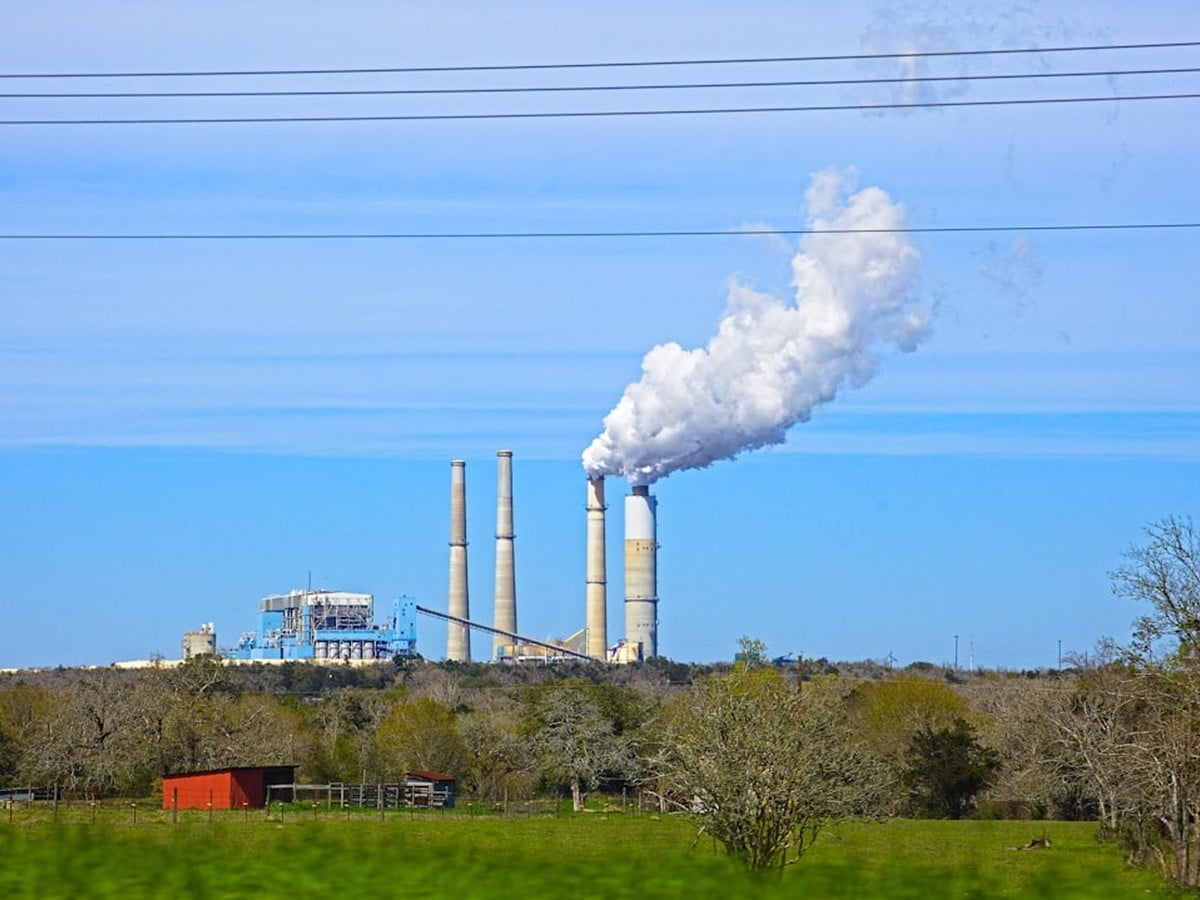
Two of those signals argue for patience. One argues for prudence. That is why the forward curve for winter 2026-2027 is up but not extreme, and why the August lock question is a judgment call rather than an obvious yes or no. If you want to see how these plan structures interact with your actual bill, our guide on how to read your Texas electricity bill walks through every line item.
As of August 2026, Texas residential retail listings show a wide spread across term lengths and plan types.
Two things jump out from those numbers. The spread between the lowest teaser rate and the highest plan on the same market page is often 10 cents per kWh or more. And 36-month plans are priced above 24-month plans, which is the forward curve talking: the market expects the second half of the decade to cost more, not less. Actual rates vary by ZIP code, TDU, plan, and usage level. Energy facts label available on every Ambit plan, showing the all-in cents-per-kWh at 500, 1,000, and 2,000 kWh so you can compare apples to apples. Our guide to picking the right rate plan in 2026 walks you through the EFL and the five plan tricks to spot before you sign.
Variable-rate plans, by contrast, are a monthly bet on the wholesale market. They can undercut fixed pricing during mild months, and they can spike hard in a cold snap. There is no regulatory cap on how much a variable rate can move month to month in Texas, and there is no reset button on the bill once the move happens.
Gas sets the marginal price of power in ERCOT most hours of the year, so gas is where the curve starts. According to Naser Ameen, a principal contributor at the U.S. Energy Information Administration, "We expect prices to rise from $3.52 per million British thermal units (MMBtu) in 2025 to $4.31/MMBtu in 2026 and to $4.38/MMBtu in 2027." Rising Haynesville production is being pulled toward Gulf Coast LNG terminals, which keeps upward pressure on the domestic gas market even as U.S. production hits record highs.
ERCOT's minimum reserve-margin target is 13.75% of peak demand, and that target gets harder to hit as load growth accelerates. ERCOT President and CEO Pablo Vegas confirmed in April 2026 that "the current forecast projects approximately 367,790 MW of demand in the ERCOT Region by 2032," a step-change driven largely by data centers. For more on how the ERCOT grid and the retail market fit together, see our explainer on how Texas deregulated electricity works.
Not everyone thinks the load will arrive on that timeline. Joshua D. Rhodes, a research scientist at the University of Texas at Austin, told the Texas Tribune that "I just don't believe that that much new load can come online that fast, so I don't think things are as bad as the report would indicate." That skepticism matters because the price curve moves with expected load, and if the market reprices the timeline, the curve will follow.
Supply growth is the counterweight. S&P Global's July 2026 grid outlook identified nearly 28 GW of planned ERCOT additions, including 13.3 GW of solar. More solar tends to compress midday prices, and more storage helps flatten evening peaks. Neither eliminates winter or extreme-weather volatility, but both should moderate the daytime average through 2027.
Here is the part homeowners often miss. The energy portion of your bill is what a fixed-rate plan locks. The TDU delivery charges from Oncor, CenterPoint, AEP Texas, or TNMP are separate, and they change on their own regulatory schedule. Locking a fixed energy rate protects the biggest, most volatile line on the bill, but it does not freeze every line. Our breakdown of TDU delivery charges shows how the wires side of your bill is set separately from the energy side.
Walk your household through these five filters before you sign anything.

If four of five filters point to lock, lock. If two or fewer point to lock, stay put and revisit in October, before the first cold front.
Waiting is a defensible strategy for households that use less power, have flexible budgets, and can move quickly if the market shifts. The August 2026 STEO trend of slightly lower gas prices means the downside case for waiting is real, not fantasy. But two things narrow that upside. Retailers reprice fixed plans continuously, so a small drop in the wholesale curve rarely translates into a huge drop in the retail rate you actually see. And waiting exposes you to the winter shoulder, which is where most Texas rate regret lives.
There is also a version of waiting that is really procrastination. Month-to-month customers on a holdover product typically pay the highest rate on the page. Nearly $480 a year in overpayments shows up when Texas households let a fixed term roll off without shopping the market. If your current plan already expired, waiting is not neutral. It is expensive.
Yes, if your priority is bill certainty and you are comfortable with a 12 to 24-month term. The forward curve for winter 2026-2027 is not extreme, but it is up, and locking removes the biggest variable on your bill.
Sometimes, for a month or two during mild weather. A variable rate has no cap and no notice period, so a mild fall can flip to a cold-front spike with no cushion for your household.
Fixed rates run roughly 6.0 to 11.8 cents per kWh on 12-month plans, 6.8 to 7.6 cents on 24-month plans, and 13.1 to 14.0 cents on 36-month plans, per Power to Choose listings as of August 2026. Your ZIP code and usage level make a real difference to the number you actually pay.
The winter curve is priced above the summer curve right now, reflecting expected load growth, LNG-driven gas demand, and the reserve-margin picture ERCOT laid out in its April 2026 long-term forecast.
The forward market is priced that way today, though a mild winter can pull the realized price back. Under EIA's high-demand scenario, 2027 ERCOT wholesale prices could rise about 78.9% versus a $47.39 per MWh baseline.
There is no regulatory cap on how much a variable rate can move between billing cycles in the deregulated Texas market. During a cold snap, wholesale prices can multiply several times over, and a variable retail plan passes that entire move through to your bill with no cushion.
For most Texas households, a 12 or 24-month fixed term is the sweet spot. Longer 36-month terms tend to carry a premium because they push you further out the forward curve, which is priced higher for later years.
Ambit Energy has served Texas households since 2006 and lists every plan's cents-per-kWh at 500, 1,000, and 2,000 kWh on its Electricity Facts Label. Enter your ZIP code, review the plan detail and the EFL, and choose the term length that matches your risk tolerance and household usage.
Plan details and rates subject to change. Energy facts label available on every plan. Subject to credit approval. Rates and offers referenced here are as of August 2026. Ambit also offers a home-based business opportunity through independent Consultants. Earnings vary by Consultant and are not guaranteed. Statement of Independent Contractor and full income disclosure available at ambitenergy.com.












Copyright © 2026 VIPEnergyService.com. All rights reserved | PUCT# 10117