
Did you know that Texans pay an average of 6% more for their energy bills than the rest of the United States? With an average annual bill of about $2,772, it's easy to get overwhelmed by the rising costs of summer and winter.
But how can you manage to lower your bill to more manageable costs as Texas electricity rates increase? The best way is by lowering your monthly usage and switching to a better plan.
If you're curious about learning what sorts of plans are most cost-effective, we're happy to help. Read on to learn more about how to reduce your monthly costs. Afterward, we'll look into electricity plans so you can make an informed decision.
The first and most effective way to lower your costs is by lowering your energy usage.
Electricity rates are most often calculated by cost-per-kilowatt-hour. Abbreviated as kWh, the measurement shows how much you're being charged for every hour's worth of electricity you use. As such, the less electricity you use, the lower your bill will be.
Lowering energy usage won't only affect your bill. By consuming less electricity, you're helping to contribute to sustainability and lowering your environmental impact.
Studies show that about 31% of the United States's CO2 emissions are the result of the electric power sector. A large reason for this is that most states burn fossil fuels to generate electricity. Therefore, reducing your energy usage is as good for the environment as it is for your monthly bill.
Here are some of the most effective ways to reduce your energy consumption.
One effective way to lower your energy consumption is to replace fixtures with alternatives that use less energy.
The most popular method of doing so is by replacing your lightbulbs and lighting fixtures. Many types of low-wattage bulbs consume less electricity.
Some people prefer to avoid these bulbs, as they're often dimmer. However, technology has advanced to the point of these bulbs being as effective and bright as traditional lightbulbs.
Even better, these bulbs last longer than other lightbulbs. While the upfront cost is higher, they'll save on your electricity and won't need replacing as often as other bulbs. Both will combine to save you hundreds over the years.
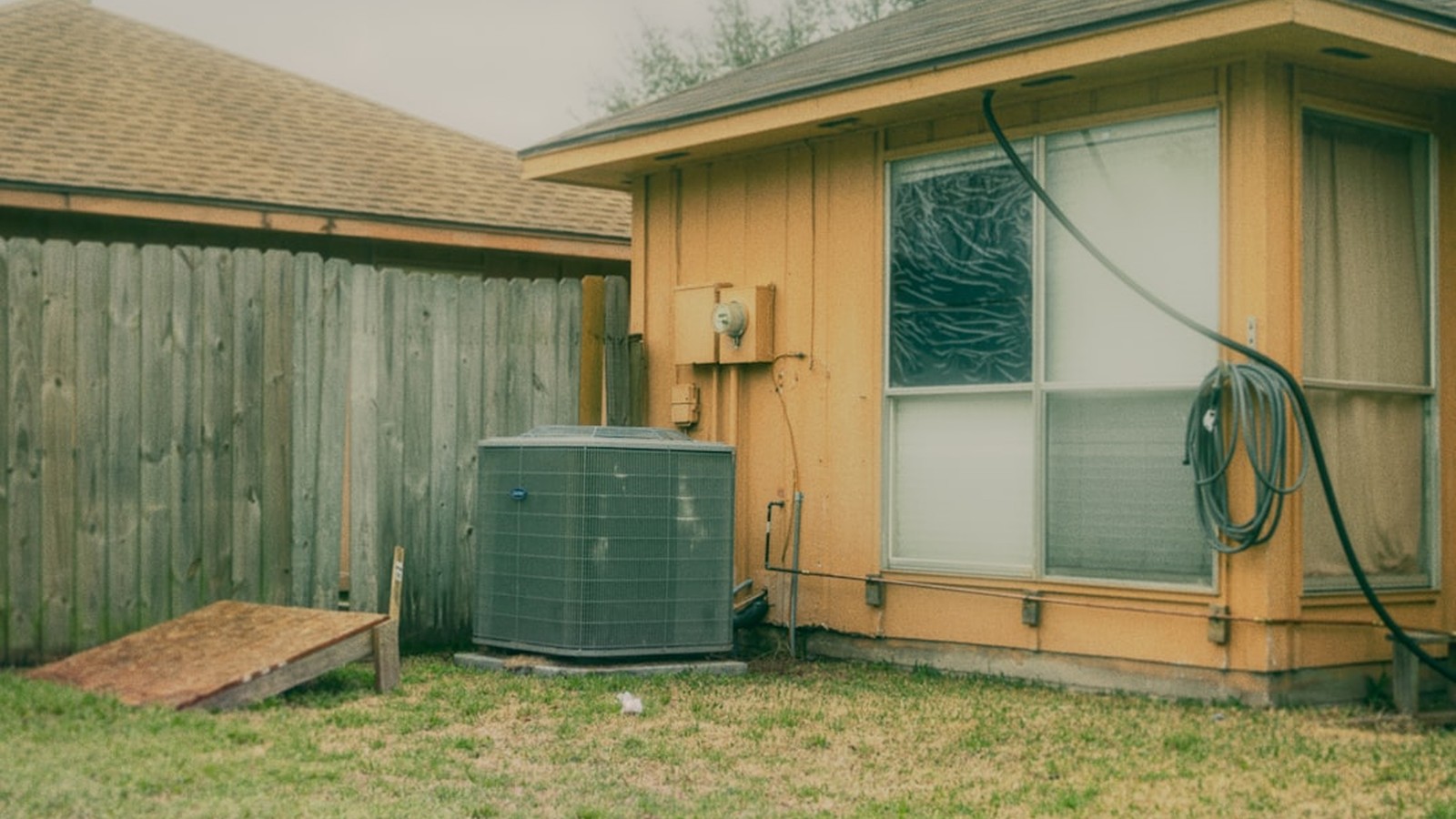
Most energy bills are dominantly decided by the air conditioning. Studies show that more than 98% of Texans have air conditioning in their homes.
During the summer months, most homes crank their air conditioners to keep their homes cool. As the winter months approach, the air conditioner keeps running to keep houses warm. As such, there are only a few points of the year where your AC unit isn't running constantly.
In the Texas electricity market, the use of air conditioning makes up a large chunk of the average consumer's bill. You can reduce this amount by being more tactful about your AC.
For example, always remember to turn it off when the home is vacant. You should also keep it lower during the night, as temperatures outside are colder.
Another trick is to ensure your home's appliances are up-to-date and efficient. Older models can consume more electricity trying to keep your home conditioned. Poorly kept models will struggle to keep up with the demand.
Speaking of AC units, do you know how much energy your appliances are using?
Next to your lighting, appliances are what spend most of your energy. Appliances are fixtures such as washing machines, dishwashers, air conditioners, ovens, refrigerators, and freezers.
If your home has too many appliances, you may be spending extra energy on them. For example, some homes have multiple refrigerators or freezers. While these are convenient, powering them all is drastically increasing costs.
A good way the average person can reduce their energy costs is by not using their dryer. Clothes dryers consume a high amount of energy but are rarely necessary.
Instead, consider air drying your clothes on a clothesline. You can also hang clothes, towels, and more on hangers and leave them in a room to dry.
Unfortunately, no matter how much you reduce your consumption, some plans are simply too expensive.
Companies that charge high kWh costs will always keep your bill high. Even worse, some plans may charge you for energy you aren't using.
As such, it's critical to know how to understand your plan. Furthermore, you should know when it's time to switch to another plan.
The Texas electricity markets are rich with options, making it unnecessary to stay with a company that keeps your electricity bill artificially high.
Don't hesitate to find a Texas power company that will work better for your budget.
Switching plans is fine, but how can you understand your plan?
Plans come in two main forms: fixed and variable. Each plan has pros and cons, and none is truly "better" than the other. However, there's a good chance that one type will work better for you than another type.
Here is all the information you need to make an informed decision on your plan.
A fixed plan is a plan that has a locked, fixed price. These prices are charged by kWh, making it more predictable.
As such, with a fixed plan, you won't have the benefit of a bill being lower than expected. The price will always be the agreed-upon rate.
However, a great benefit is that you won't need to worry about conserving electricity. On your peak month, your kWh and fuel costs are still the same as in your lowest month.
If you're constantly using your home's energy, a fixed bill is a good way to have a lower bill. You'll never need to worry about accidentally raising your bill. Still, in most cases, a variable or traditional plan may be better.
It's unlikely that you'll consistently use more energy than your bill is charging you for. Think of how much energy you use every month and how the plan works. One of our featured plans may likely prove more useful.
For fixed plans, we suggest our Lone Star Classic. The simple plan offers 12 or 24-month contracts with low additional charges and lower early termination fees.
Variable plans are superior if you need month-to-month flexibility. These plans are often contractless or have short month-long contracts instead.
A variable plan is ideal if you aren't living in your home full-time. For example, if you often leave Texas to visit other states, you may want a variable plan to avoid a fixed rate.
Another common reason is if you're working on selling the home. Why would you want to lock yourself into a year-long contract if the home will be vacant for the next six months?
Our Lone Star Flex plan is ideal for customers who desire this flexibility. The month-to-month contract comes with minimal additional charges and no early termination fees whatsoever. The rates change frequently, so call us today for the latest prices.
One of the first things you should look for in any contract is what sort of fees you'll handle. Most electricity providers will include fuel costs and other hidden fees that may increase your bill.
The most common fee is the early termination fee. Providers charge this fee if you decide to cancel your plan early. As such, you should try to avoid signing a contract for longer than you intend to use the electricity.
Another way to avoid termination fees is to make sure you know as much as possible about the plan before you sign. Many customers choose to cancel a plan after signing the contract only to find the rates considerably higher than expected.
Electricity rates will also fluctuate for some plans, such as variable plans. It's rare that such a plan will have a consistent kWh cost. If you feel this isn't the best choice for your needs, fixed plans will have a more consistent cost.
Overall, it's critical to be knowledgeable about your plan so you aren't locked into a painful contract. You shouldn't fear contracts, but make sure they work to your benefit.
Choosing a plan solely comes down to your preferences and needs. The best way to choose is to spend a few months narrowing down your energy costs and consumption.
By knowing your average consumption, you can compare how much different plans will cost. With such information, you can make a more informed choice on what bill works best for you.
We recommend reading through our featured plans to find some unique and simple plans that work for most customers.
As Texas electricity rates increase, having the right plan is critical to your finances. Do your best to lower your electricity consumption both for the environment and for your monthly costs. Afterward, calculate your monthly costs so you know which of our excellent plans works best for you.
Interested in discussing our flexible plans? Be sure to sign up for more information.












Copyright © 2026 VIPEnergyService.com. All rights reserved | PUCT# 10117