The Misconception of Renewable Energy | Ambit Energy, TX

Misconception of Renewable Energy

The Misconception of Renewable Energy | Ambit Energy, TX

April 9, 2024
by
Shawn Cornett

Renewable energy has long been hailed as the solution to our environmental and energy challenges. The idea of harnessing natural sources like the sun, wind, and water to power our world without depleting finite resources is undeniably attractive. However, amidst the enthusiasm for renewables, there lies a critical misconception: that most renewable energy sources are truly renewable. In this blog post, we will delve into this misconception, exploring why some forms of renewable energy may not be as sustainable as they seem and what steps can be taken to address these challenges.

"Every technology has its advantages and disadvantages, and alternative technologies carry the burden of proving overwhelming advantages over current technologies and ideas on several different fronts. Renewable energy is no different. The advantages of renewable energy have been demonstrated clearly and have earned significant momentum over the past decade.  Renewable energy shows nearly limitless upside in terms of technical improvements, economics and finance, resource availability, and human health. " Source : Renewable energy: Top 5 most common misconceptions

Understanding the Issue

At the core of the problem lies a lack of holistic thinking in assessing renewable energy. Yes, the sun, wind, and hydroelectric power are indeed renewable sources. However, when we zoom out to consider the entire ecosystem of renewable energy production, a different picture emerges. Let's take solar and wind energy, for example. While the energy generated from these sources is renewable, the infrastructure required to harness it is not entirely sustainable.

The Hidden Costs

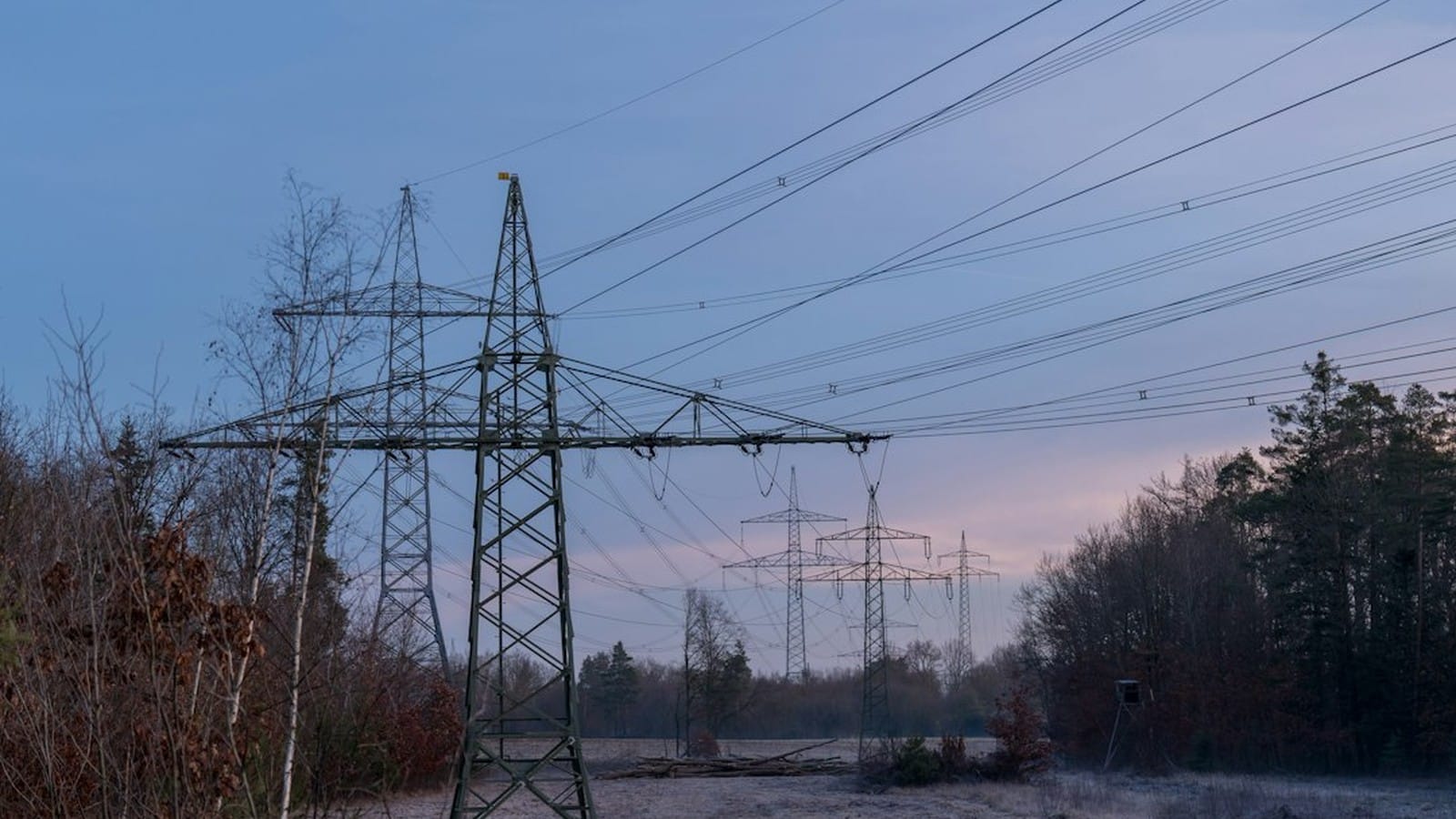
One of the critical factors often overlooked in discussions about renewable energy is the cost of building and maintaining the infrastructure. Solar panels, wind turbines, transmission lines: all these components require significant resources and energy to manufacture and install. The environmental footprint of producing these components, including mining for raw materials and manufacturing processes, can be substantial.

Furthermore, the intermittency of wind and solar power poses a significant challenge. Unlike traditional fossil fuel power plants that can operate consistently, wind and solar energy generation is dependent on weather conditions. When the wind isn't blowing or the sun isn't shining, energy production drops, necessitating backup power sources or energy storage solutions.

The Storage Conundrum

Energy storage is often touted as the key to unlocking the full potential of renewable energy. However, current storage technologies come with their own set of challenges. Batteries used for energy storage, such as lithium-ion batteries, require rare earth minerals and have limited lifespans. The manufacturing and disposal of these batteries contribute to environmental degradation and resource depletion.

Moreover, the environmental impact of energy storage goes beyond batteries. Pumped hydro storage, another common storage method, can have significant ecological consequences, including habitat disruption and water usage.

Rethinking Renewable Energy

So, where does this leave us in our quest for truly renewable energy? It's clear that a paradigm shift is needed. We must move beyond the narrow focus on individual energy sources and consider the entire life cycle of renewable energy production.

One approach is to prioritize energy efficiency and conservation measures. By reducing overall energy consumption and optimizing energy use, we can lessen the demand for new renewable energy infrastructure. Energy efficiency upgrades in buildings, transportation, and industrial processes can yield substantial energy savings.

Additionally, investing in research and development of advanced energy storage technologies is crucial. Innovations in long-duration energy storage, grid-scale batteries, and renewable hydrogen production could revolutionize how we store and utilize renewable energy.

Policy and Market Solutions

Policy frameworks play a vital role in shaping the trajectory of renewable energy development. Governments can incentivize sustainable practices and technologies through subsidies, tax credits, and regulations. Carbon pricing mechanisms can internalize the environmental costs of energy production, encouraging the adoption of cleaner alternatives.

On the market front, consumer demand for sustainable energy solutions is driving innovation. Companies are increasingly committing to renewable energy procurement and carbon neutrality goals. The rise of community solar projects, peer-to-peer energy trading platforms, and decentralized energy systems reflects a shift towards more sustainable energy models.

The journey towards truly renewable energy is multifaceted and requires a holistic approach. While the sun, wind, and water offer abundant renewable resources, realizing their full potential hinges on addressing the challenges of infrastructure, storage, and environmental impact. By reimagining our energy systems, embracing innovation, and adopting sustainable practices, we can pave the way towards a cleaner, more resilient energy future.



Your Texas Fixed Rate Can Still Change for 3 Reasons. The PUCT Is Now Weighing a Fourth

Fixed rate electricity plans in Texas can change only for TDU charges, ERCOT admin fees or new laws. The PUCT is now weighing a fourth: grid reserve costs.
Read More >>

Budget Billing Won't Lower What You Pay. Here's What Average Monthly Billing Does in Texas

Budget billing won't lower what you pay in Texas. See how Ambit's Average Monthly Billing works, when the carried balance peaks, and who should skip it.
Read More >>

Opening a New Business Location in Texas? How to Set Up Electricity Before Move-In Day

To set up electricity for a new Texas business location, find the ESI ID, confirm the TDU, estimate peak demand, choose a plan and schedule the move-in.
Read More >>

How to Use Smart Meter Texas to Price Your Next Electricity Plan

Smart Meter Texas holds up to two years of your usage. Here's how to register, download it and price any Texas plan's EFL at your real kWh, winter included.
Read More >>

$85.27 per 1,000 kWh: TNMP's New Delivery Rates Top the PUCT Table, and December Bills Add a One-Month Surcharge

TNMP TDU delivery charges are $7.56 a month plus 7.7710 cents per kWh as of October 1, 2026, or $85.27 at 1,000 kWh, the highest on the PUCT's table. Two September steps added $12.75, and December 2026 bills add a one-month Rider IS surcharge.
Read More >>

Texas Picked Its 2027-28 Backup Electricity Providers. How POLR Service Works If Your Provider Shuts Down

Texas approved its 2027-28 provider of last resort list on Oct. 9, 2026. Your power stays on if your provider fails, and you can leave POLR service any time.
Read More >>

ERCOT's December 2026 Outlook Puts Grid Emergency Odds at 2.95% in Its Riskiest Hour. What a Texas Winter Storm Can and Can't Do to Your Electric Bill

ERCOT's December 2026 outlook puts the riskiest hour, 8 a.m. on December's peak-load day, at a 2.95% chance of an Energy Emergency Alert, well under its 10% low-risk line. Here is what a Texas winter storm can and can't do to your electric bill.
Read More >>

Houston Delivery Charges Fell on August 15. They Jumped September 1 and Rose Again for Meters Read September 30. What That Does to Your October Bill.

CenterPoint delivery charges dipped on August 15, jumped back up September 1, and rose again for Houston meters read on or after September 30. Here's what it means for your October bill.
Read More >>

Lubbock Electricity Rates Change November 1: LP&L's New $2.50 Base Charge Means Smaller Homes Pay More and Bigger Homes Pay Less

LP&L adds a $2.50 monthly base charge and cuts delivery to 6.008 cents per kWh on Nov 1, 2026. Homes under 822 kWh a month pay more, bigger homes pay less.
Read More >>

How to Dispute an Electric Bill in Texas: What the PUCT's New Complaint Process Changes, and What It Doesn't

To dispute an electric bill in Texas, write to your provider first (21 days to answer), then file with the PUCT. On October 21, 2026 the PUCT ends formal complaints. Here is what changes and what stays the same.
Read More >>

Direct Energy Free Nights Review: What the EFL Actually Charges After the Free Window

Direct Energy free nights (Twelve Hour Power) is free 9 p.m. to 9 a.m. As of September 29, 2026, the 12-month EFLs charge 34.5 to 35.4 cents per kWh after the free window. Here is the break-even math.
Read More >>

27 Texas Electricity Plans Got Withdrawn on September 12 Alone. Here Is the Best Time to Renew Your Contract This Fall.

Best time to renew a Texas electricity contract: the fall shoulder window and the 14 days before your end date. 27 plans got pulled Sept 12. Here is the clock.
Read More >>

SmartEnergy Just Launched a $200 Bill Credit Plan on September 3. Here Is How Bill Credit Plans Actually Work in Texas (And When You Lose the Credit)

SmartEnergy launched a $200 bill credit plan on September 3, 2026. Here is how Texas bill credit plans actually work, and the four conditions that forfeit the credit.
Read More >>

No Deposit Light Companies in Texas: What You Actually Qualify For Without a Credit Check

Four legal ways to skip a Texas electricity deposit as of September 2026: soft-check plans, PUCT Rule 25.478 waivers, letters of credit, or prepaid Rule 25.498 plans. What each costs and who qualifies.
Read More >>

Every Ambit Energy Plan Compared for 2026: Rates, Terms, Fees and Who Each One Actually Suits

Compare every Ambit Energy plan in Texas for 2026 side by side: Lone Star Classic 12 and 24, Flex, Free and Clear Nights, Solar Buyback, small business TSC. Rates, fees, terms and who each one actually suits.
Read More >>

Oncor Delivery Charges Rose $8.38 on October 4, 2026. Here's What Changed on Your Bill.

As of October 4, 2026, Oncor's residential delivery charge is 6.8673 cents per kWh, about $8.38 more a month at 1,000 kWh. Here's the rider math, what August really did, and what you can control.
Read More >>
1 2 … 16

Important message regarding earnings: Ambit Energy makes no guarantee or promise of income or business. Anyone considering building a full-time or part-time Ambit business should have realistic expectations of their potential income. Learn more at goambit.com/disclaimer.