How to Shift Your Energy Usage to Nights and Maximize a Free Nights Plan

How to Shift Your Energy Usage to Nights and Maximize a Free Nights Plan

June 5, 2026
by
Shawn Cornett
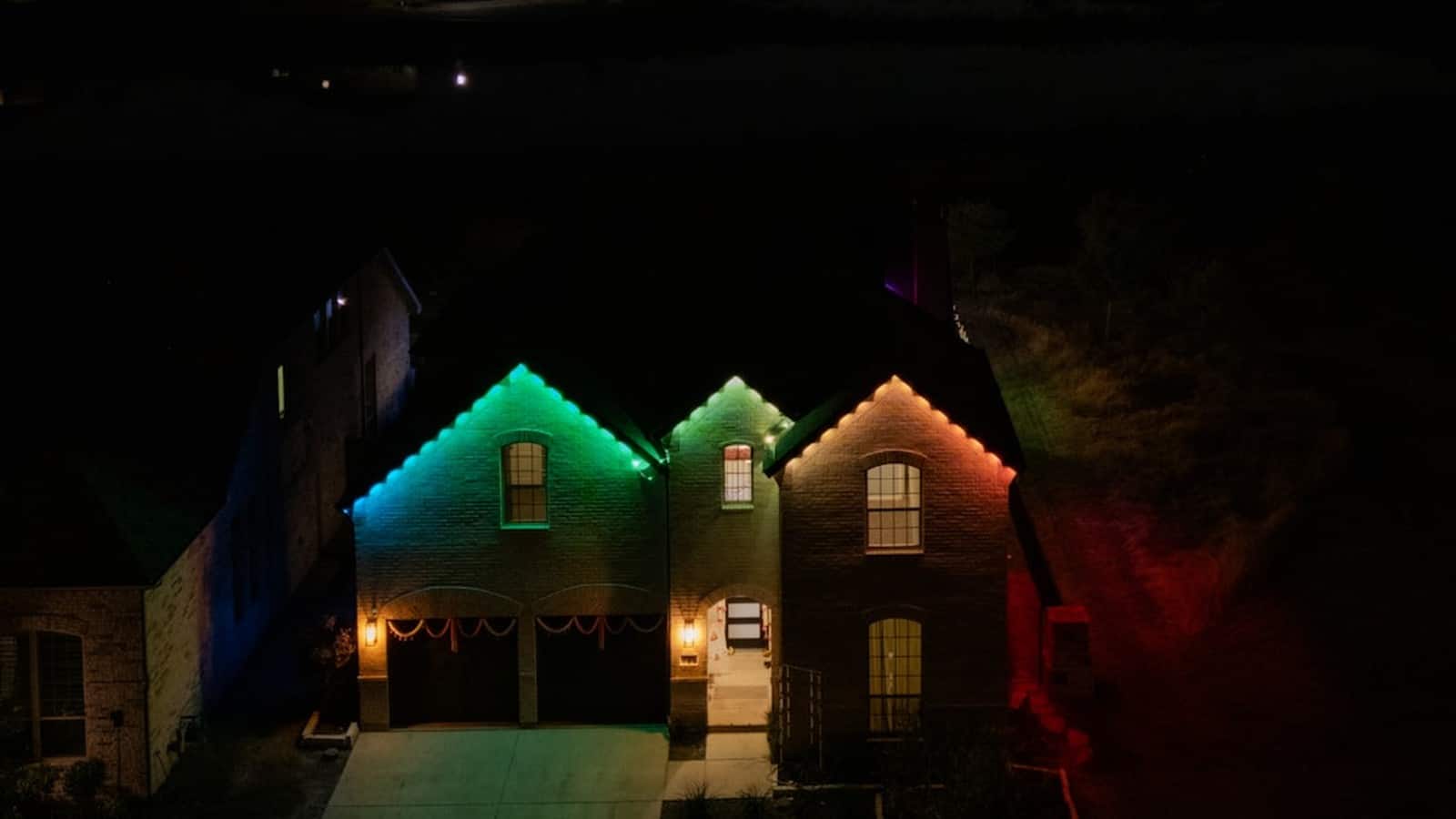
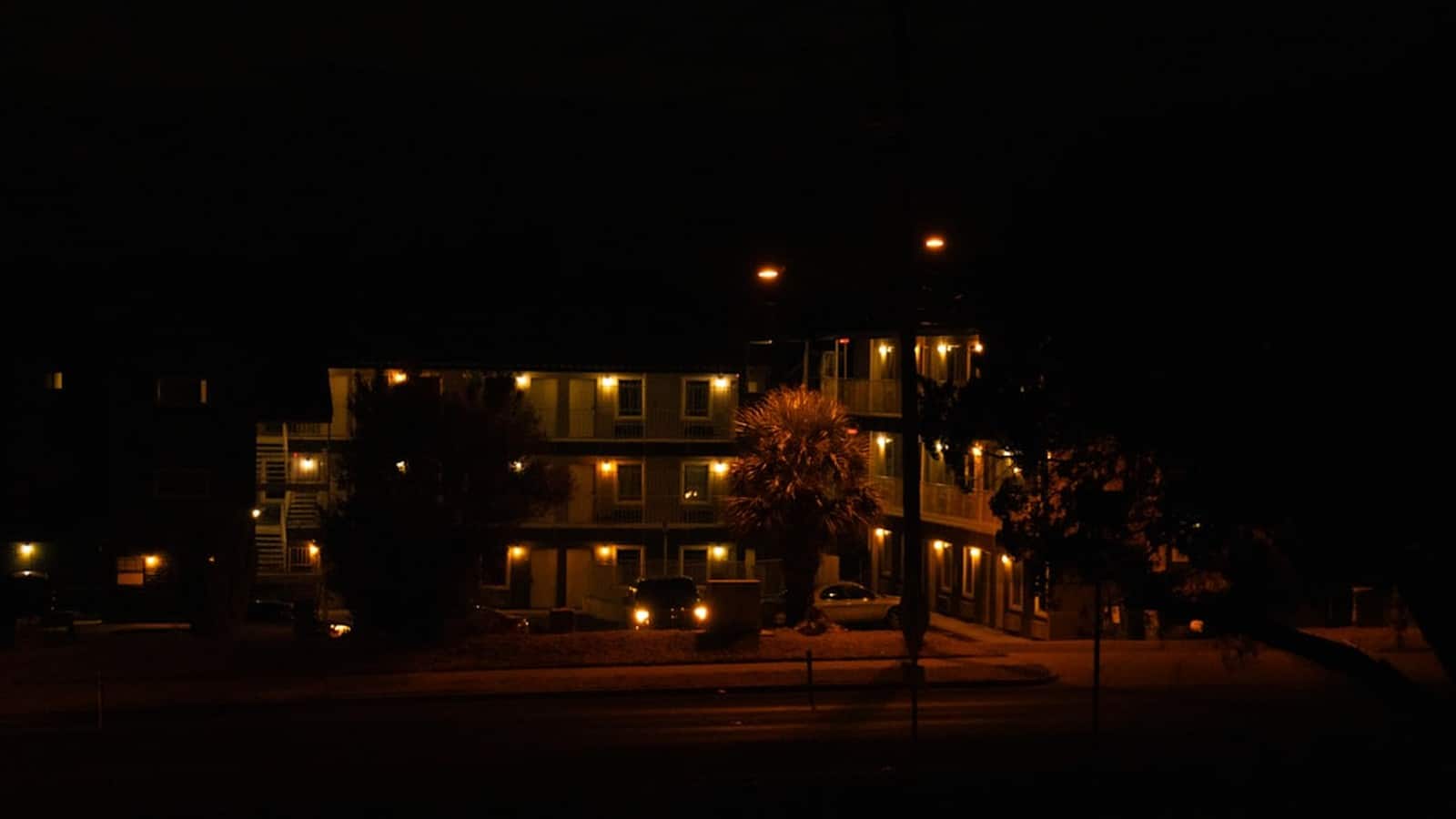
A Texas home glowing warmly at night, when free nights electricity hours begin
The free window is where your savings live. The trick is getting your usage to show up there.

You already made the smart move and signed up for a free nights plan. Here is the part nobody tells you at signup: those free overnight hours only save you money if your electricity use actually shows up inside them. The plan does not move your usage for you. You do. The good news is that for most Texas homes, the work takes about ten minutes to set up and then runs on autopilot.

This guide is the playbook for how to use a free nights plan to its full potential. We will walk through exactly how to shift energy usage to nights, appliance by appliance, with the real kilowatt-hours each one moves and the timer tricks that do the heavy lifting. If you are still deciding whether one of these plans fits your home, start with our guide to free nights electricity plans in Texas, then come back here to put it to work. The whole idea is simple: shift energy usage to nights, where it costs you nothing, and keep daytime use modest.

Quick Wins: Five Things to Do Tonight

  • Set your EV to start charging after the free window opens. It is the single biggest lever you have.
  • Load the dishwasher after dinner and hit the delay-start button so it runs overnight.
  • Put the pool pump on a timer and move its full daily run into the free hours.
  • Pre-cool the house just before your paid window begins, then let it coast.
  • Run the dryer before bed, not at 3 a.m., so it finishes while you are awake.

How "Free" Nights Actually Work (in 30 Seconds)

A free nights plan zeroes out the energy charge during a set overnight window, usually somewhere between 8 or 9 p.m. and 6 or 9 a.m. To pay for that, the provider charges a higher rate during the day. Your delivery charges from the local utility, like Oncor or CenterPoint, still apply around the clock. According to ElectricityPlans, free windows range from a nine-hour overnight block up to a full twelve hours, so the exact hours matter.

Your plan's free hours are printed on its Electricity Facts Label. Pull that up before you do anything else. For the steps below we use a 9 p.m. to 6 a.m. window as the example, so just slide the times to match your own label.

The Night-Shift Playbook: Nine Steps to Capture the Free Window

Here is the full sequence, ordered from biggest impact to smallest. You do not need all nine. Start at the top and stop when the effort stops feeling worth it.
Plugging in an electric vehicle to charge overnight during the free electricity window
Overnight EV charging is the single biggest load you can move into the free hours.
  1. Charge your electric vehicle overnight. This is the heaviest load most homes can move, and it is the easiest. A Level 2 charger delivers roughly 7 to 10 kilowatt-hours an hour, so a four-hour session adds about 30 free kilowatt-hours every night. In your car's app or your charger's app, turn off charging on plug-in and set the window to start at 9 p.m. An EV can nearly double a home's electricity use, so moving it into the free hours is what makes these plans pay.
  2. Delay-start the dishwasher. Load it after dinner, then press the delay button so it runs once the free window opens. A modern cycle uses about one kilowatt-hour, and almost every dishwasher built in the last decade has a delay timer, often a simple 4-hour or 8-hour button.
  3. Run laundry as a night block. Start the washer right as the window opens, then move the load straight to the dryer so both finish inside the free hours. A high-efficiency washer sips around half a kilowatt-hour, while an electric dryer is the bigger prize at 2.5 to 3 kilowatt-hours a load. Most newer washers and dryers offer delay-start in one-hour steps.
  4. Put the pool pump on a night timer. A single-speed pump pulls 1 to 2 kilowatts while it runs, and Texas pools often run eight hours or more a day. Shift that turnover to 10 p.m. through 6 a.m. and you move 5 to 12 kilowatt-hours into the free window daily. Nearly every pool already has a timer, so this is a five-minute change.
  5. Shift your electric water heater. A standard tank heater quietly uses 10 to 15 kilowatt-hours a day. A smart switch or a Wi-Fi-enabled breaker lets you heat mostly during the free hours and lean on the tank's stored hot water through the day. Heat-pump water heaters usually have a built-in time-of-use mode that does this for you.
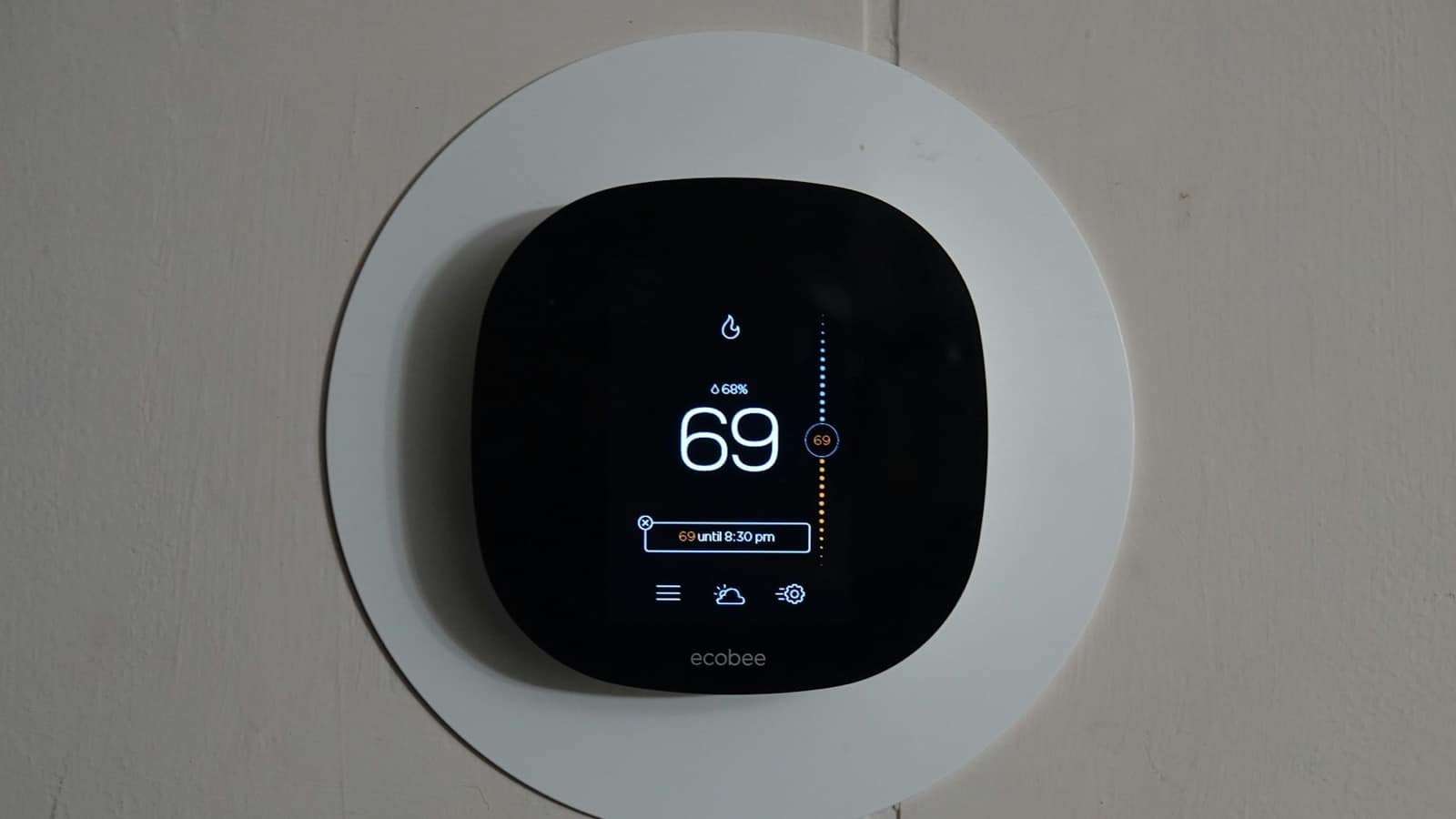
A smart thermostat scheduled to pre-cool a home before the paid electricity window
A smart thermostat lets you pre-cool during the free hours, then ease off when power gets pricey.
  1. Pre-cool the house before the paid window. Air conditioning is the largest load in most Texas homes, and you cannot move all of it to the night. You can move some. With a smart thermostat, drop the temperature a few degrees during the free hours, then let it drift up during the expensive daytime. PowerWizard and other Texas providers point to pre-cooling as one of the most effective free-nights habits, especially in a well-insulated home.
  2. Schedule the dehumidifier and other always-on plug loads. A dehumidifier running at 500 watts adds up to 4 to 6 kilowatt-hours a day. Use its built-in timer or a smart plug to run it overnight, with a short daytime boost only on very humid days.
  3. Batch the small stuff. Robot vacuums, phone and laptop charging, and power-tool batteries barely move the needle, but there is no reason to run them during the pricey daytime. Schedule the vacuum for early morning and plug devices in at bedtime.
  4. Automate it once, then forget it. Set these schedules a single time. Between appliance delay timers, a smart thermostat, an EV charging window, and a couple of smart plugs, your home will shift energy usage to nights every evening without you lifting a finger.

The Break-Even Test: Is the Shift Actually Saving You Money?

To save money on free nights electricity, enough of your usage has to land in the free window to cover the higher daytime rate. A free nights plan only beats a plain fixed-rate plan when that math works out. That premium is real. According to Texas Electricity Ratings, paid-hours rates on free plans often run well above a standard plan, sometimes 50 percent higher. So the more your daytime rate jumps, the more usage you need to move just to break even.

Daytime premium over a fixed plan Free-window share you need to break even
About 3 cents more Around 20%
About 5 cents more Around 29%
About 7 cents more Around 37%
About 10 cents more Around 45%

How much can a normal home realistically move? With ordinary effort, most households land 20 to 40 percent of their usage in the free window. Homes with an EV or a pool can push past 50 percent. And there is more at stake in Texas than almost anywhere: the U.S. Energy Information Administration puts the average Texas home near 1,096 kilowatt-hours a month, about a quarter higher than the national average, thanks to our cooling load. More usage means a bigger reward when the plan fits.
Run Appliances Overnight Safely

Setting the delay-start timer on a dishwasher to run during free overnight hours
A delay-start timer does the work for you, running the cycle once the free window opens.

One honest caution, because most guides skip it. Fire-safety authorities advise against running a clothes dryer while you are asleep or out of the house, since lint and vent fires are a leading cause of home fires and need someone awake to catch them early. So run the dryer first thing in the free window and let it finish before bed, rather than scheduling it for the middle of the night. Clean the lint filter before every load and keep the vent duct clear. For dishwashers and washers, glance at the hoses now and then, and make sure your smoke alarms work. These habits cost nothing and keep the savings worry-free.

Verify Your Night Share with Smart Meter Texas

You do not have to guess whether the shift is working. Texas smart meters record your usage in 15-minute intervals, and Smart Meter Texas data lets you view and download it. Log in, export a month of intervals, add up the kilowatt-hours that fall inside your free window, and divide by your total. That night share is the number that tells you, in plain math, whether your new habits are paying off.

Let Us Match the Plan to Your Usage

Here is where we come in. Because VIP Energy Service offers both free nights options and steady fixed-rate plans, we have no reason to push you toward one over the other. If your usage shifts easily, a free nights plan can be a genuine winner. If it does not, an affordable fixed rate may treat you better. Either way, we will run the numbers with you. You can request a free quote or view current rates and plans any time. And if you want the full picture on how these plans work, our free nights electricity plans guide walks through it from the ground up.

Frequently Asked Questions

What time do free nights start in Texas?

Most plans start between 8 and 9 p.m. and end around 6 to 9 a.m., though the exact window varies by provider. A few offer a full twelve free hours. Your plan's Electricity Facts Label lists the precise hours, so confirm them before you build your schedule.

When should I run appliances on a free nights plan?

Run power-hungry appliances like the dishwasher, washer, dryer, and pool pump inside your free window. Use delay-start timers so they begin shortly after the window opens and finish before it closes, which puts nearly all of their energy in the free period.

Do I still pay delivery charges at night?

Yes, on most plans. Only the energy charge from your provider drops to zero during the free window. Delivery charges from your local utility and any fixed monthly fees still apply around the clock, so nights are free on the energy portion, not the entire bill.

Is a free nights plan worth it without an EV?

It can be, if you can move a good share of your usage with laundry, dishwashing, the pool pump, water heating, and pre-cooling. Without an EV you have to be more deliberate, but homes that shift 30 percent or more of their use often still come out ahead.

Is it safe to run the dryer overnight?

Run it before bed rather than in the middle of the night. Fire-safety guidance discourages running a dryer while you sleep because lint and vent fires need someone awake to respond. Clean the lint filter every load and keep the vent clear.

How do I know if shifting is actually saving me money?

Pull your 15-minute interval data from Smart Meter Texas, total the kilowatt-hours inside your free window, and divide by your total usage. Compare that night share against the break-even table above for your plan's daytime premium. If you are over the line, you are saving.

Rates and plan details vary by location and usage and are subject to change. Review the Electricity Facts Label for each plan, and note that free electricity plans are available only in deregulated Texas (ERCOT) service areas.

Photos via Unsplash: Devon MacKay, Priscilla Du Preez, Ostbacher Stern, Sean.
How to Shift Your Energy Usage to Nights and Maximize a Free Nights Plan

A step-by-step playbook to shift energy usage to nights and maximize a Texas free nights plan: which appliances to run when, the break-even math, and how to verify savings.
Read More >>

Free Nights vs. Free Weekends: Which Texas Energy Plan Saves More?

Free nights vs free weekends in Texas: a side-by-side comparison, the break-even math, and who saves more on each plan.
Read More >>

Free Nights Energy Plans in Texas: How They Work and Who They're For

Free nights electricity plans in Texas: how they work, who actually saves money, the hidden costs, and the break-even math before you switch.
Read More >>

Solar Buyback vs. Battery Storage: Which Saves Texas Homeowners More Money?

Home › Solar Buyback Plans in Texas › Solar Buyback vs. Battery Storage Which saves more? For Texas homeowners with a competitive solar buyback rate like Ambit Energy's 1:1 at 12.5¢/kWh, buyback-only delivers $934/year with zero capital investment. Battery storage delivers $1,038–$1,376/year but requires $6,400–$7,779 after Oncor rebates. The hybrid approach — both together — […]
Read More >>

Texas Utility Shutoffs Are Rising: What Homeowners Should Know

A new federal report shows Texas leads the nation in electricity shutoffs. Here is what Houston and DFW homeowners can do to protect their service before summer.
Read More >>

Best Solar Buyback Plans in Texas: How to Compare and Choose

Home › Solar Buyback Plans in Texas › Best Solar Buyback Plans in Texas The best solar buyback plan in Texas depends on five factors: rate type (fixed vs. variable vs. 1:1), credit structure, contract length, TDU delivery charges, and your production-to-consumption ratio. As of 2026, Ambit Energy offers the highest fixed buyback rate at […]
Read More >>

Texas $0-Down Home Battery Plan: What Homeowners Should Know

The new Octopus Energy PowerStore plan offers Texas homeowners a 30 kWh battery with no down payment. We break down the real all-in cost for a Houston home and the four questions to ask before signing a 36-month contract.
Read More >>

Beyond Buyback: Why Texas Solar Owners Are Adding Battery Storage Instead

Home › Solar Buyback › Beyond Buyback: Battery Storage Battery backup for solar panels captures 2–6x more value per kilowatt-hour than exporting surplus energy for buyback credits. With buyback rates compressed to 3–7¢/kWh while retail electricity costs 12–18¢/kWh during peak hours, storing solar energy in a battery and using it yourself is the smarter economic […]
Read More >>

Solar Buyback Plans in Texas: A Complete Guide for Solar Homeowners

Home › Solar Buyback › Solar Buyback Plans in Texas Solar buyback plans let Texas homeowners sell surplus solar energy back to their REP for bill
Read More >>

Oncor Rate Increase 2026: What Texas Homeowners Need to Know Before Summer

Oncor filed for a rate increase adding approximately $7 per month to DFW electricity bills. Learn what is driving the increase, how it affects your bill, and the steps Texas homeowners can take to lock in competitive rates before summer 2026.
Read More >>

Solar + Battery + Free Nights: The Texas Triple Play for Lower Electric Bills

Home › Energy Plans › Solar + Battery + Free Nights Triple Play Combining solar panels, battery storage, and a free nights electricity plan create
Read More >>

Are Free Nights Electricity Plans Worth It? A Texas Homeowner's Analysis

Home › Energy Plans › Are Free Nights Plans Worth It? Are free nights electricity plans worth it? For most Texas homes, no. A study of 501 consume
Read More >>

Free Nights Electricity Plans in Texas: The Ultimate Guide to Saving More

Home › Energy Plans › Free Nights Electricity Plans in Texas Free nights electricity plans in Texas charge $0 for energy during off-peak hours (ty
Read More >>

How to Size a Home Battery: How Much Storage Do You Actually Need?

Home › Energy Storage › How to Size a Home Battery: How Much Storage Do You Actually Need? Most Texas homes need a battery energy storage system f
Read More >>

How Much Does Home Battery Storage Cost in 2026?

Home battery storage costs $9,000-$18,000 installed. Texas averages $17,472 for 13 kWh. Compare top systems, incentives, and payback periods for 2026.
Read More >>

Home Battery Backup Without Solar: What Texas Homeowners Need to Know

Learn how home battery backup works without solar panels. Texas homeowners can charge from the grid, use Free Nights plans for savings, and get instant outage p
Read More >>
1 2 14