Can a House Run on Solar Power Alone? Texas Homeowner Guide

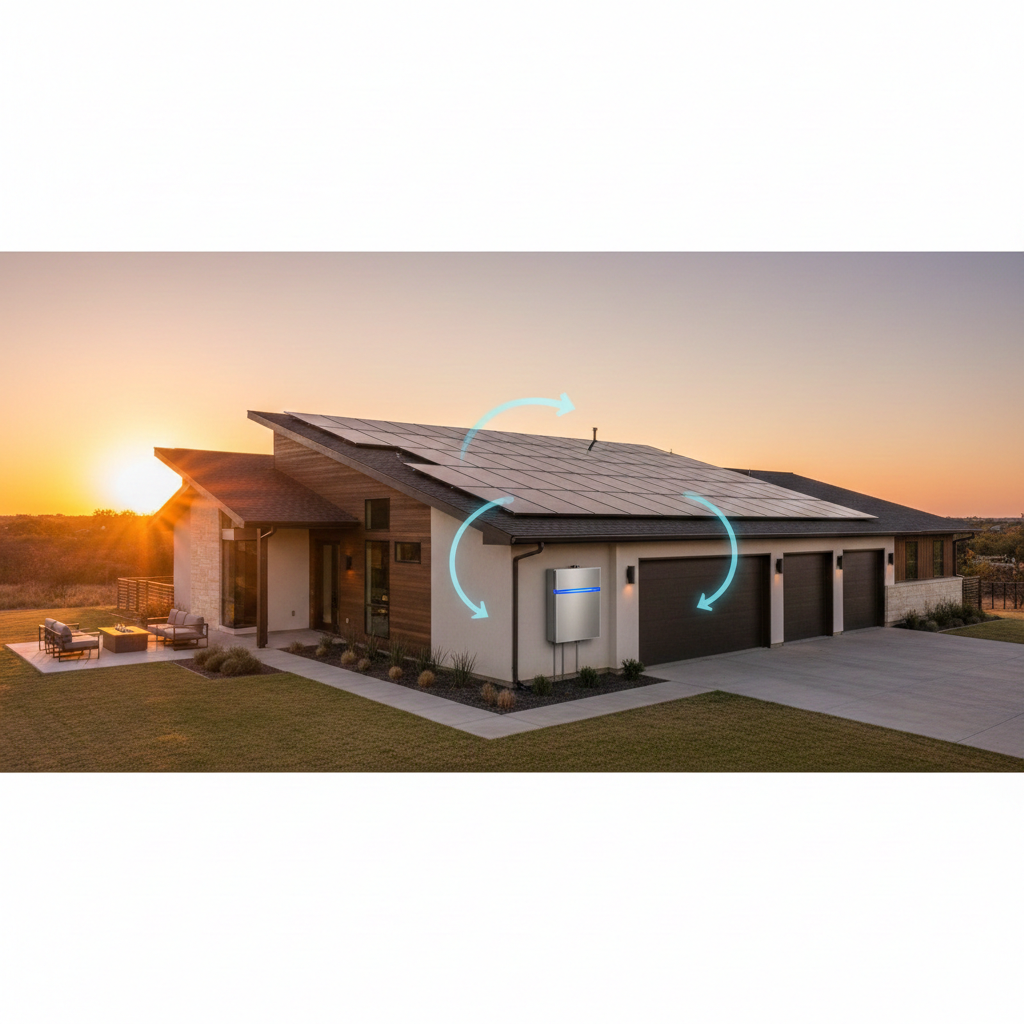
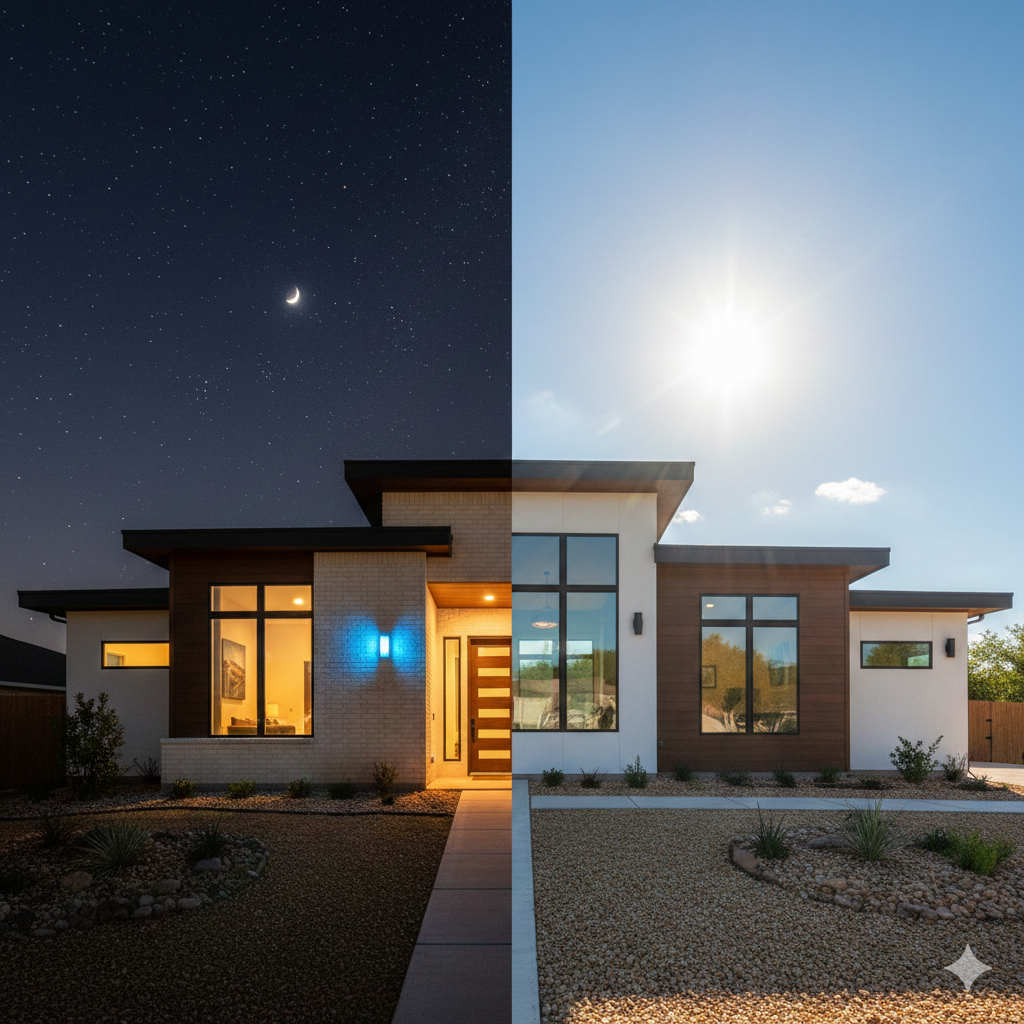
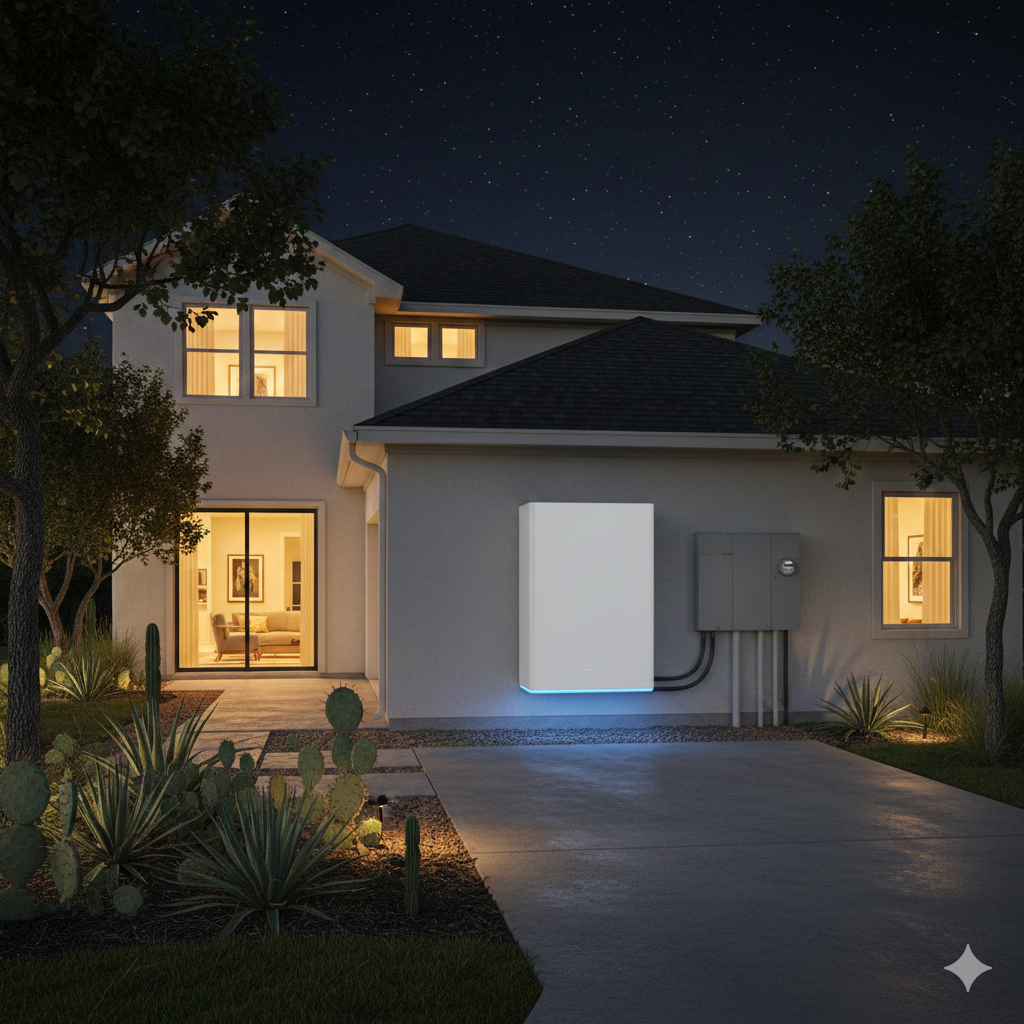
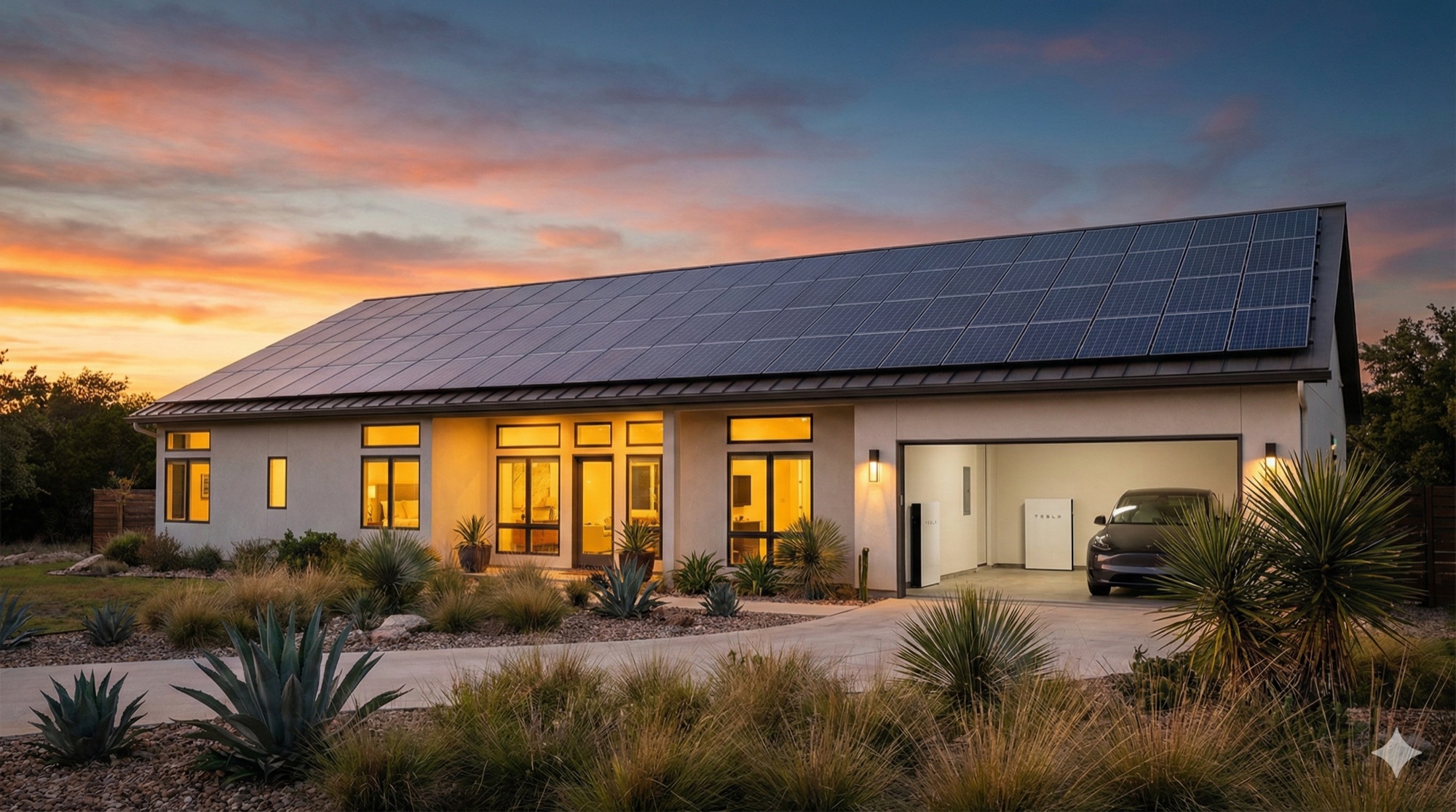
Modern Texas home with solar panel array on roof and battery storage system, representing complete solar energy independence

Can a House Run on Solar Power Alone? Texas Homeowner Guide

December 17, 2025
by
Shawn Cornett

Yes, a house can run on solar power alone with the right combination of solar panels and battery storage. The average Texas home needs a 6-8 kW solar panel system and 20-40 kWh of battery capacity for full energy independence. While going completely off-grid requires significant investment, many Texas homeowners achieve near-100% solar coverage with grid-tied systems that include house energy storage for backup reliability during outages.

What Does It Take to Run a House on Solar Power Alone?

Running your house on solar power alone requires three essential components working together: adequately sized solar panels, sufficient battery storage, and a smart backup strategy. According to the U.S. Energy Information Administration, the average American home uses approximately 10,791 kWh of electricity per year—roughly 30 kWh per day.

Texas homeowners have a significant advantage when it comes to running a house on solar power. The state's excellent solar irradiance means solar panel systems generate more electricity per panel than in most other regions. In fact, solar now provides 13.3% of all ERCOT electricity generation, demonstrating that solar power systems work exceptionally well in the Texas climate.

The question isn't whether you can run your house on solar power alone—it's understanding what system size and solar battery storage capacity you need to power your home reliably.
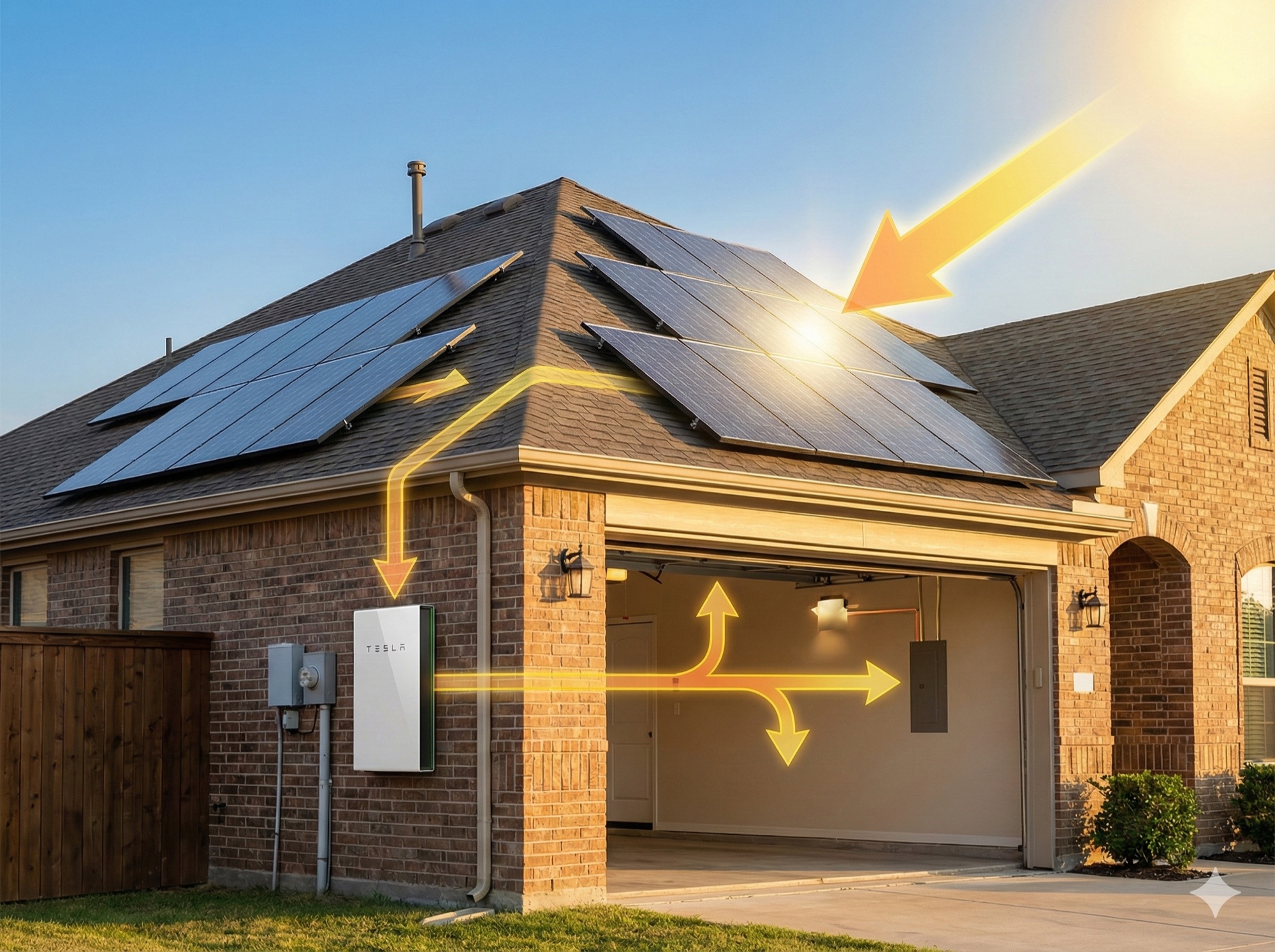
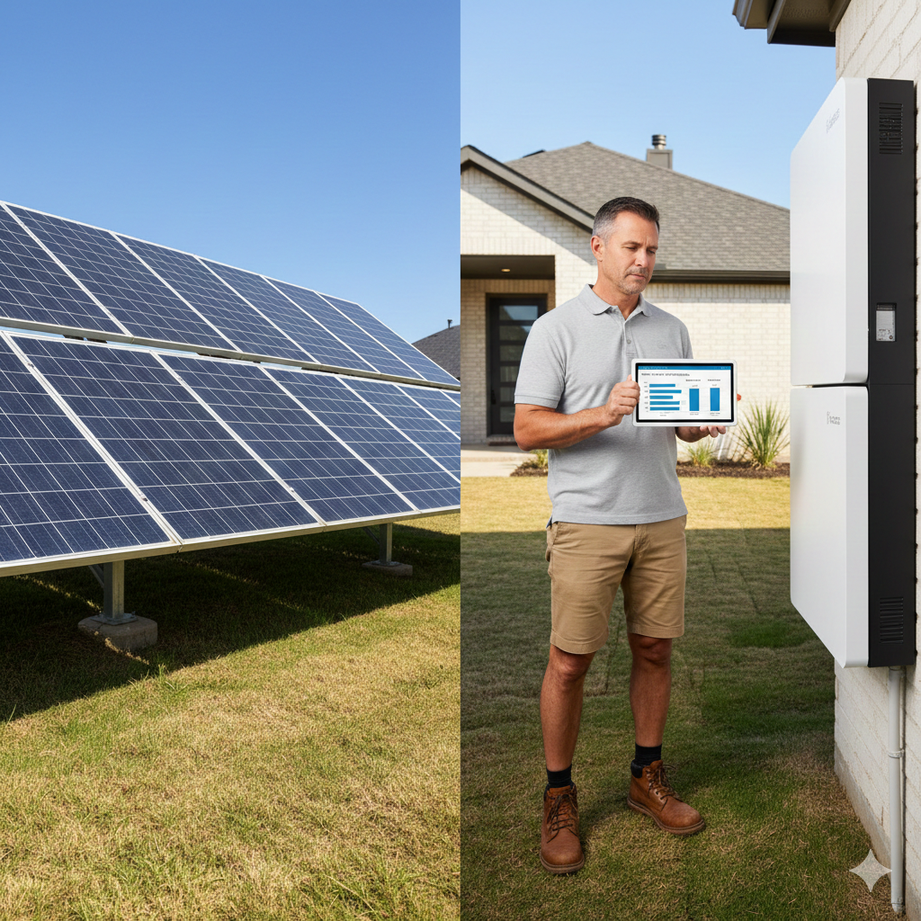
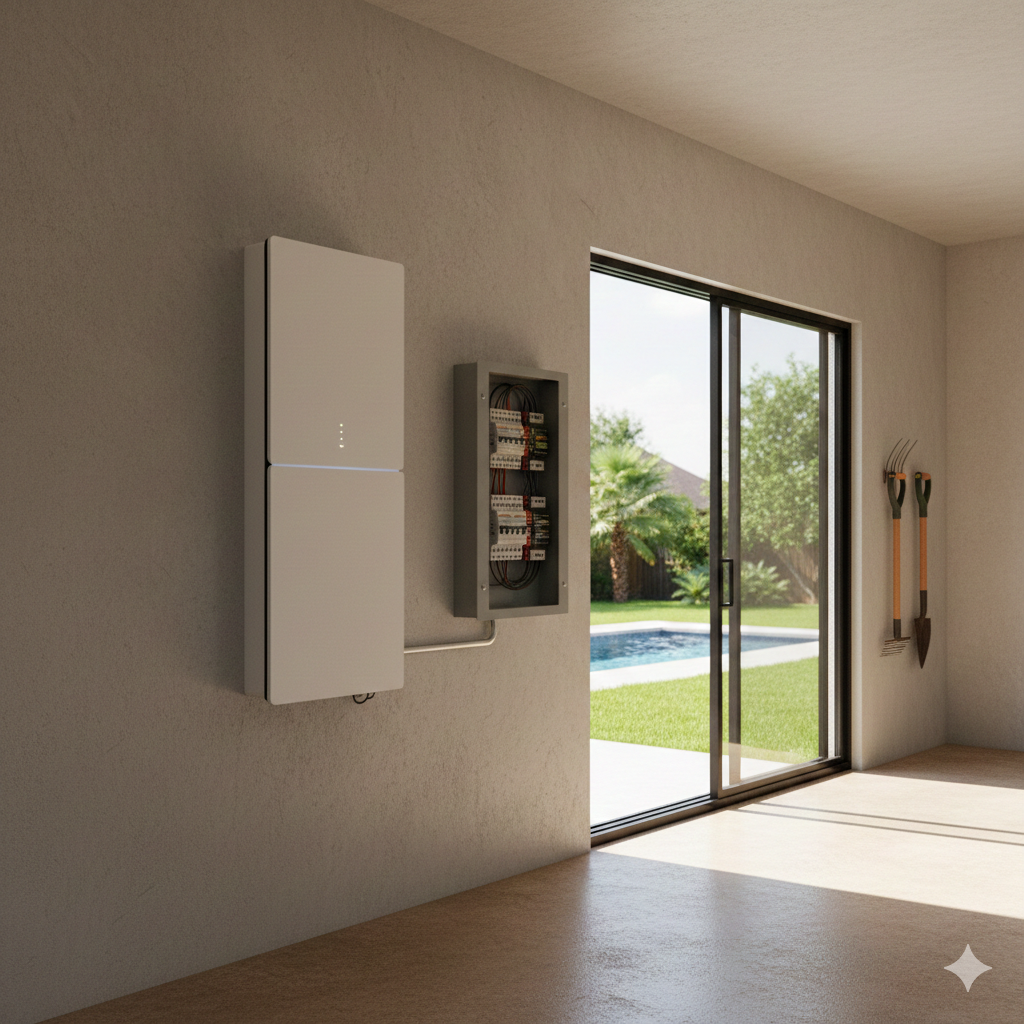
Solar panel system diagram showing panels on roof, inverter, and battery storage working together
The three essential components for running a house on solar power alone: panels, battery, and smart energy management

How to Size Your Solar System for Complete Energy Independence

Sizing your solar panel system correctly is the foundation of running your house on solar power alone. Start by reviewing your utility bills to calculate your daily energy consumption. Most Texas homes need between 6-8 kW of solar capacity to meet their electricity needs.

Here's a simple sizing formula: divide your daily kWh usage by your area's sun-hours multiplied by 0.78 (accounting for system efficiency losses). For example, if you use 30 kWh daily with 5 peak sun hours, you'd need approximately 7.7 kW of solar panels.

Battery storage requirements depend on how many days of autonomy you want. According to SEIA, battery costs have dropped to around $115 per kWh, making energy storage more accessible than ever. For grid-tied backup, 10-30 kWh covers evening loads plus one night. To run your house on solar power alone off-grid, you'll need 40-100+ kWh of stored solar energy.

The 30% federal Investment Tax Credit remains available through 2025, effectively reducing your solar panel system costs by nearly one-third.

Grid-Tied vs. Off-Grid: Which Is Right for Your Texas Home?

Most Texas homeowners find that a grid-tied system with battery storage offers the best balance of energy independence and practicality. This approach lets you run your house on solar power for most needs while maintaining grid connection as backup.
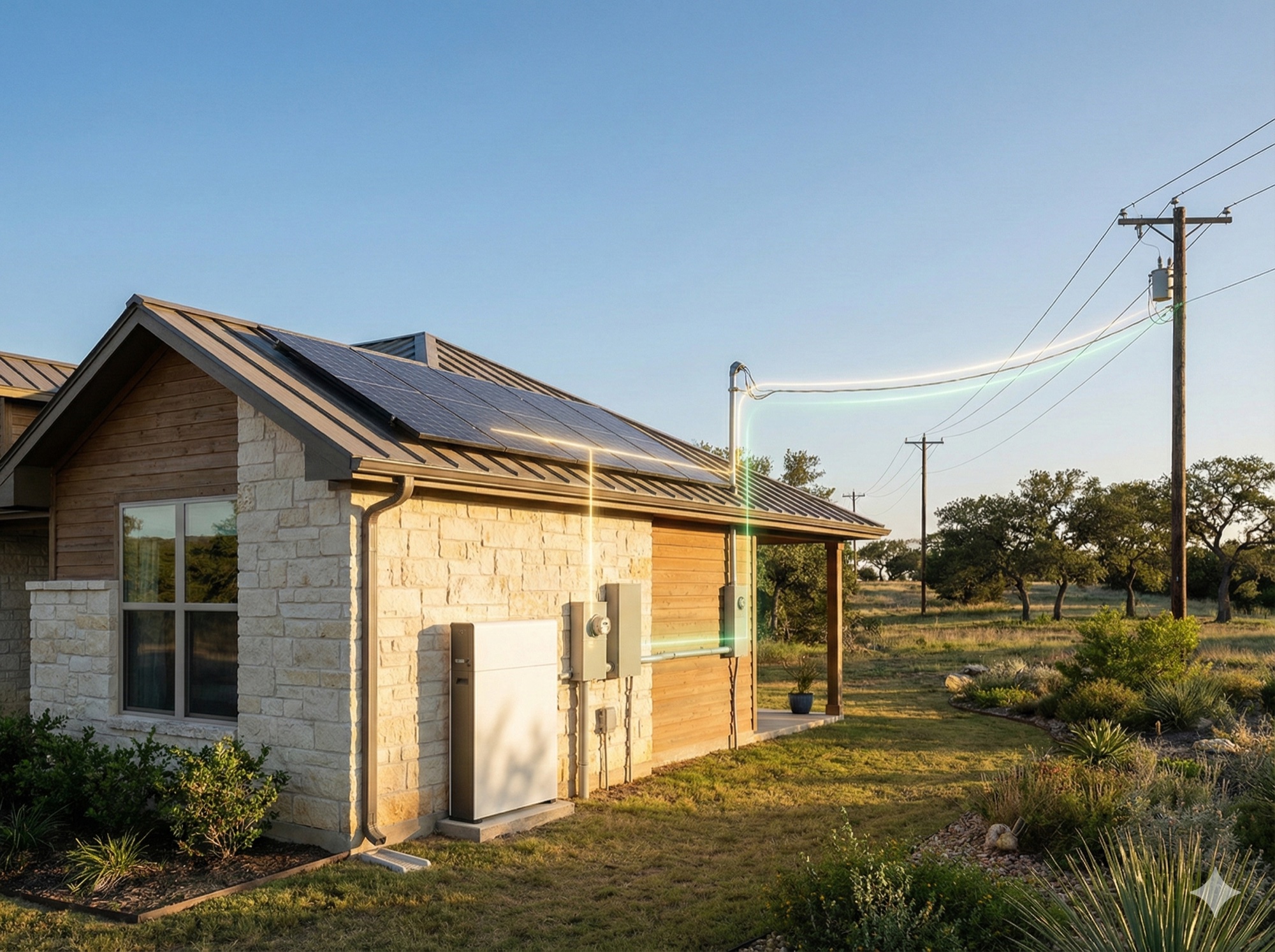
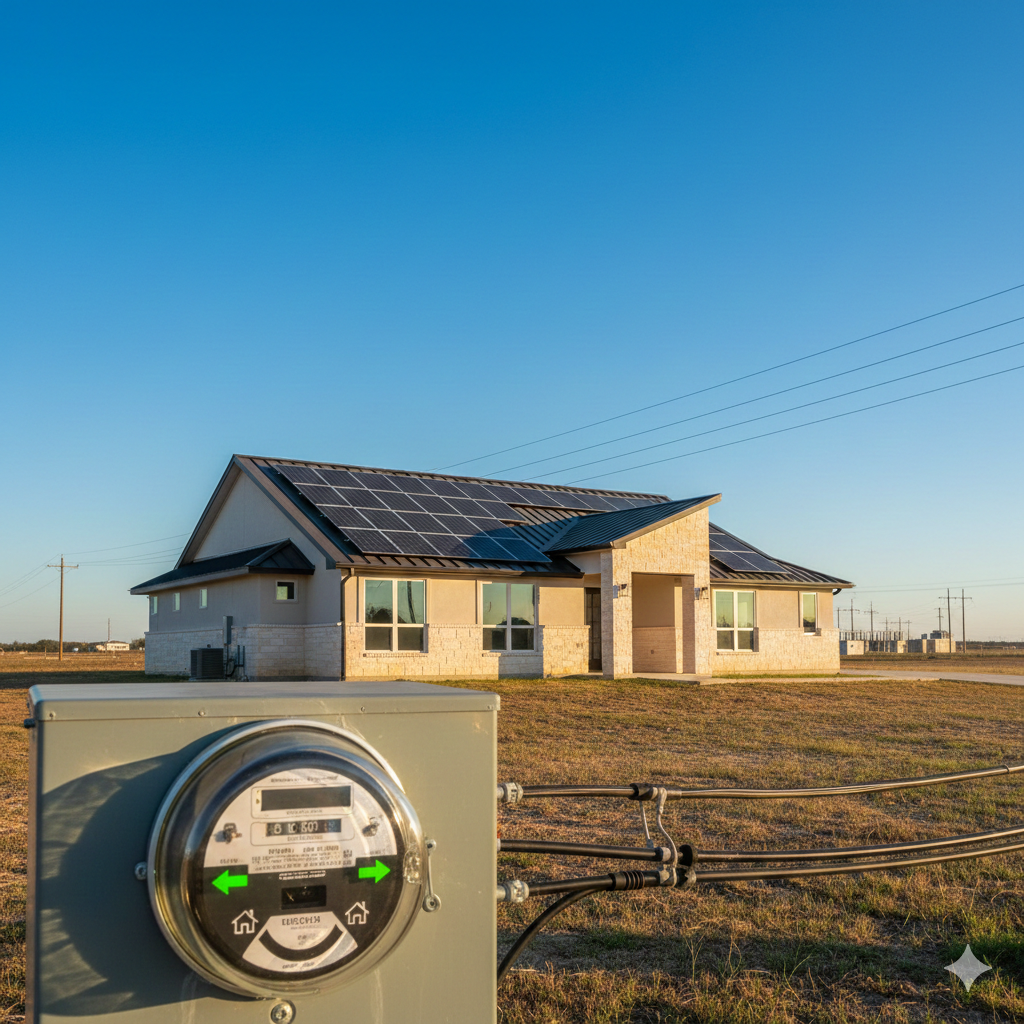
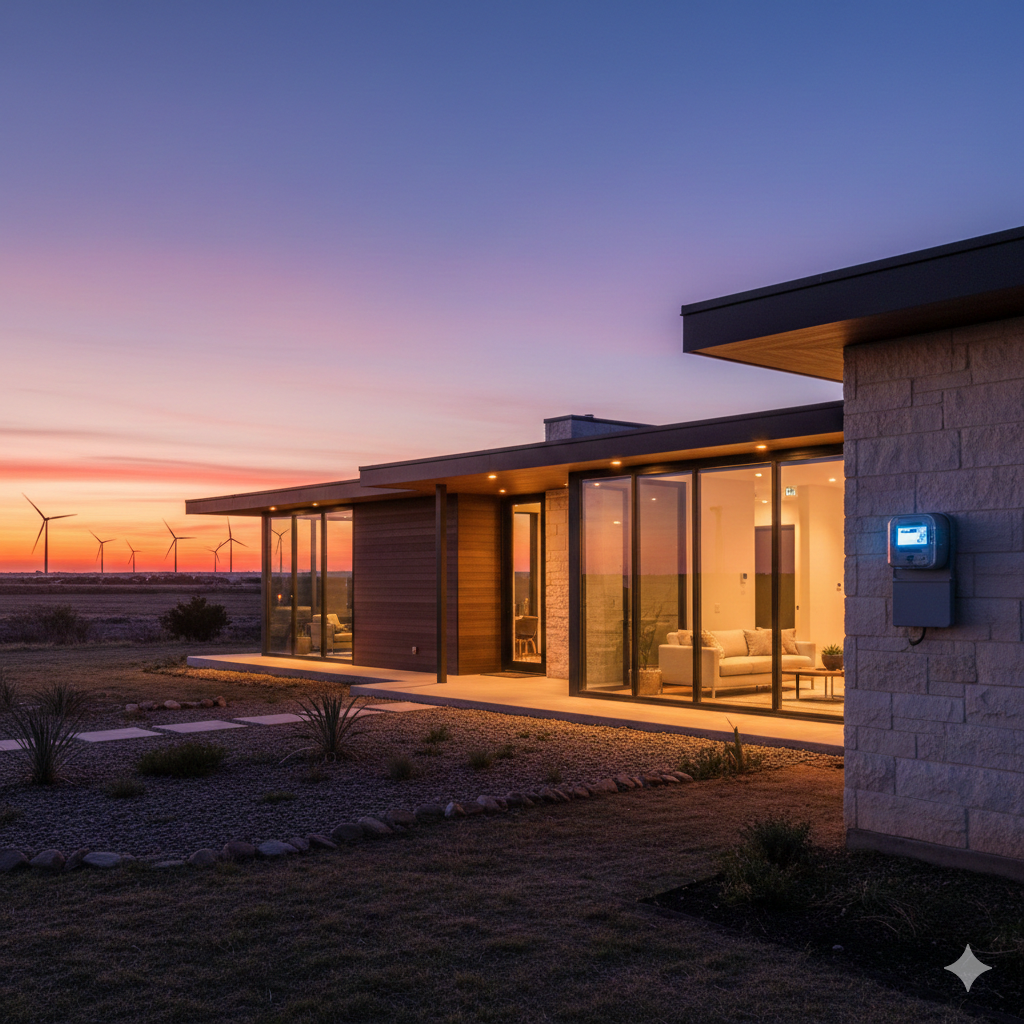
Texas home with solar panels showing grid connection option and battery backup for reliability
Grid-tied systems with battery backup offer Texas homeowners the best of both worlds: solar independence with grid reliability

Texas solar buyback programs make grid-tied systems especially attractive. With competitive solar buyback rates, excess electricity your solar panels generate earns full credit toward your electric bills. Net metering essentially uses the grid as free battery storage—you export excess energy during sunny hours and draw it back when needed.

Winter Storm Uri taught many Texans a hard lesson about grid reliability. That's why backup power options with battery storage have become essential. According to the Institute for Energy Economics, Texas wind and solar generated 40.2% of ERCOT electricity through June 2025, but having your own battery storage ensures your house can run on solar power even when the grid fails.

"There will never be a better time to go solar than right now. Systems installed by the end of 2025 will still be eligible for the tax credit."

Aurora Solar

What Texas Homeowners Should Expect in 2026

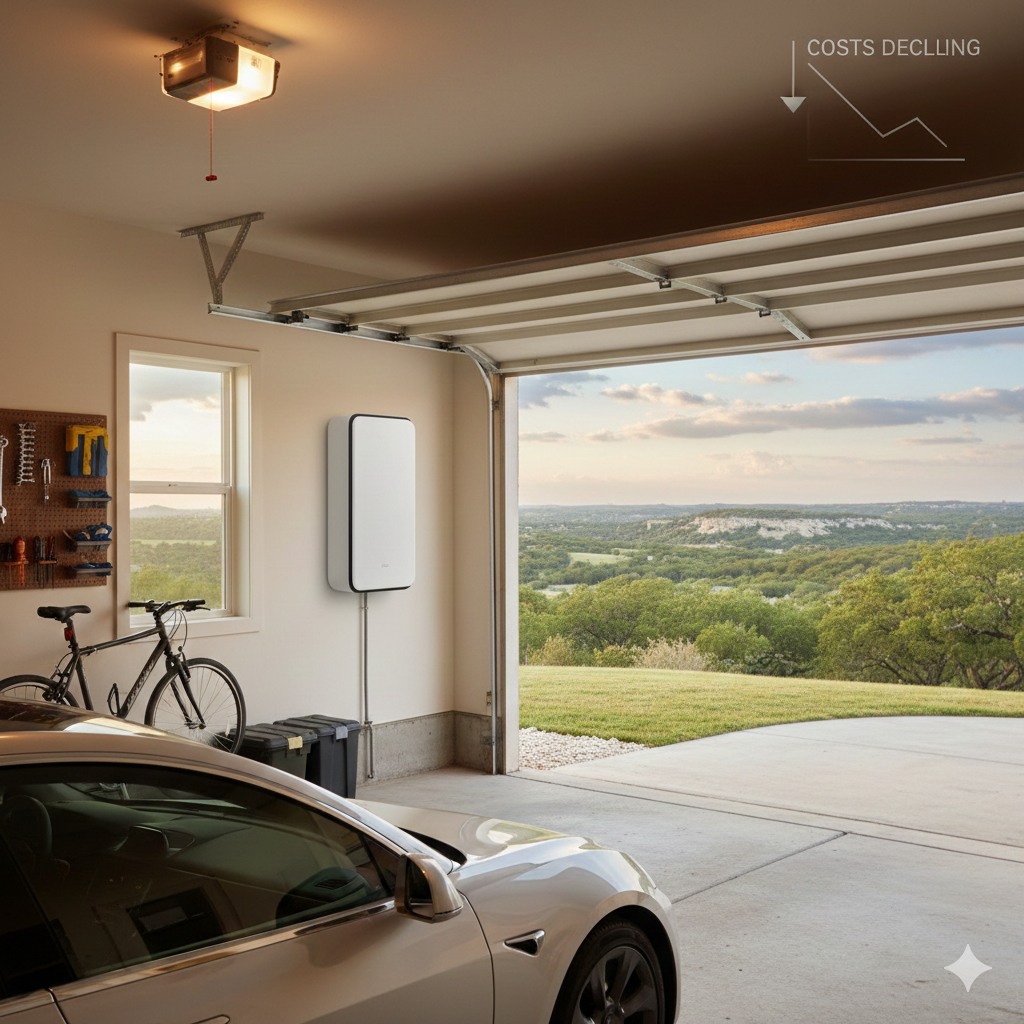
Solar panel system costs in 2026 continue trending downward. Current installed prices range from $2.50-$3.50 per watt, meaning a typical 7.2 kW system costs around $21,600 before incentives—or approximately $15,120 after the 30% federal tax credit.

Battery prices are dropping even faster at roughly 20% annually. This means running your house on solar power alone becomes more affordable each year. According to industry data, solar panel prices have dropped 60% since 2010.

Growing concerns about grid reliability are making solar plus storage the new standard for Texas homes. Energy independence isn't just about saving on electric bills—it's about ensuring your family has power your home can rely on.
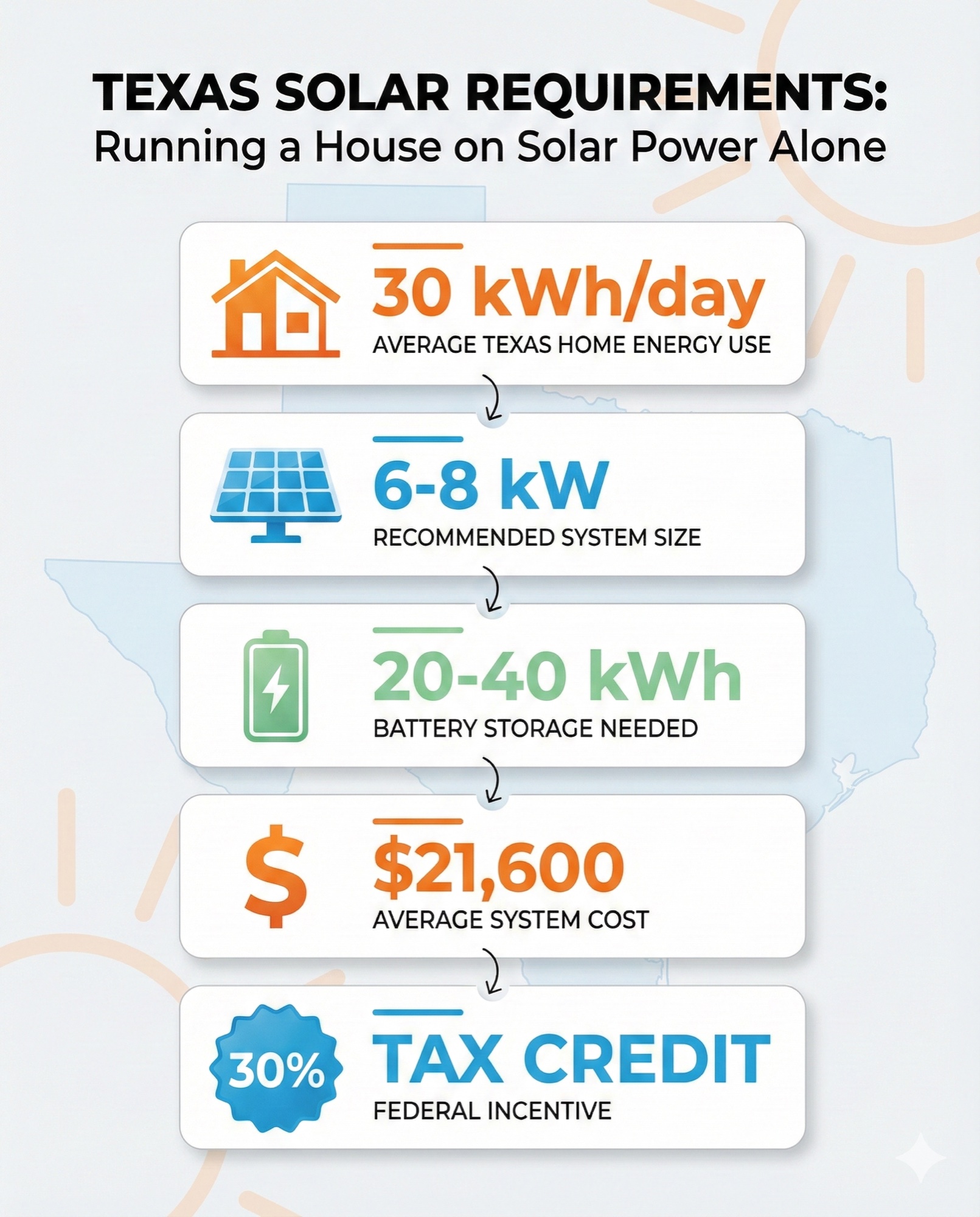
Infographic showing Texas solar requirements including system size, battery capacity, and cost estimates
Key requirements for running a Texas home on solar power alone

Your Next Steps Toward Solar Energy Independence

Ready to explore whether you can run your house on solar power alone? Start by assessing your energy consumption and roof space. Then consult with Texas energy experts who understand local conditions and solar buyback programs.

Get your free energy quote to compare Texas electricity plans that support your solar goals. Our team at Ambit Energy VIP can help you find the right combination of solar installs, battery storage, and energy plans to achieve true energy independence.

Whether you want to run your house on solar power completely off-grid or maintain a grid connection with maximum solar coverage, there's a solution for your Texas home.

Ready to explore solar energy independence? Get your free energy quote today and discover how Ambit Energy VIP can help you run your house on solar power with Texas's best competitive solar buyback rates.
Sources

How to Shift Your Energy Usage to Nights and Maximize a Free Nights Plan

A step-by-step playbook to shift energy usage to nights and maximize a Texas free nights plan: which appliances to run when, the break-even math, and how to verify savings.
Read More >>

Free Nights vs. Free Weekends: Which Texas Energy Plan Saves More?

Free nights vs free weekends in Texas: a side-by-side comparison, the break-even math, and who saves more on each plan.
Read More >>

Free Nights Energy Plans in Texas: How They Work and Who They're For

Free nights electricity plans in Texas: how they work, who actually saves money, the hidden costs, and the break-even math before you switch.
Read More >>

Solar Buyback vs. Battery Storage: Which Saves Texas Homeowners More Money?

Home › Solar Buyback Plans in Texas › Solar Buyback vs. Battery Storage Which saves more? For Texas homeowners with a competitive solar buyback rate like Ambit Energy's 1:1 at 12.5¢/kWh, buyback-only delivers $934/year with zero capital investment. Battery storage delivers $1,038–$1,376/year but requires $6,400–$7,779 after Oncor rebates. The hybrid approach — both together — […]
Read More >>

Texas Utility Shutoffs Are Rising: What Homeowners Should Know

A new federal report shows Texas leads the nation in electricity shutoffs. Here is what Houston and DFW homeowners can do to protect their service before summer.
Read More >>

Best Solar Buyback Plans in Texas: How to Compare and Choose

Home › Solar Buyback Plans in Texas › Best Solar Buyback Plans in Texas The best solar buyback plan in Texas depends on five factors: rate type (fixed vs. variable vs. 1:1), credit structure, contract length, TDU delivery charges, and your production-to-consumption ratio. As of 2026, Ambit Energy offers the highest fixed buyback rate at […]
Read More >>

Texas $0-Down Home Battery Plan: What Homeowners Should Know

The new Octopus Energy PowerStore plan offers Texas homeowners a 30 kWh battery with no down payment. We break down the real all-in cost for a Houston home and the four questions to ask before signing a 36-month contract.
Read More >>

Beyond Buyback: Why Texas Solar Owners Are Adding Battery Storage Instead

Home › Solar Buyback › Beyond Buyback: Battery Storage Battery backup for solar panels captures 2–6x more value per kilowatt-hour than exporting surplus energy for buyback credits. With buyback rates compressed to 3–7¢/kWh while retail electricity costs 12–18¢/kWh during peak hours, storing solar energy in a battery and using it yourself is the smarter economic […]
Read More >>

Solar Buyback Plans in Texas: A Complete Guide for Solar Homeowners

Home › Solar Buyback › Solar Buyback Plans in Texas Solar buyback plans let Texas homeowners sell surplus solar energy back to their REP for bill
Read More >>

Oncor Rate Increase 2026: What Texas Homeowners Need to Know Before Summer

Oncor filed for a rate increase adding approximately $7 per month to DFW electricity bills. Learn what is driving the increase, how it affects your bill, and the steps Texas homeowners can take to lock in competitive rates before summer 2026.
Read More >>

Solar + Battery + Free Nights: The Texas Triple Play for Lower Electric Bills

Home › Energy Plans › Solar + Battery + Free Nights Triple Play Combining solar panels, battery storage, and a free nights electricity plan create
Read More >>

Are Free Nights Electricity Plans Worth It? A Texas Homeowner's Analysis

Home › Energy Plans › Are Free Nights Plans Worth It? Are free nights electricity plans worth it? For most Texas homes, no. A study of 501 consume
Read More >>

Free Nights Electricity Plans in Texas: The Ultimate Guide to Saving More

Home › Energy Plans › Free Nights Electricity Plans in Texas Free nights electricity plans in Texas charge $0 for energy during off-peak hours (ty
Read More >>

How to Size a Home Battery: How Much Storage Do You Actually Need?

Home › Energy Storage › How to Size a Home Battery: How Much Storage Do You Actually Need? Most Texas homes need a battery energy storage system f
Read More >>

How Much Does Home Battery Storage Cost in 2026?

Home battery storage costs $9,000-$18,000 installed. Texas averages $17,472 for 13 kWh. Compare top systems, incentives, and payback periods for 2026.
Read More >>

Home Battery Backup Without Solar: What Texas Homeowners Need to Know

Learn how home battery backup works without solar panels. Texas homeowners can charge from the grid, use Free Nights plans for savings, and get instant outage p
Read More >>
1 2 14