According to information published by the U.S. Energy Information Administration, Texas residents can expect no relief from high electricity rates this summer, with average prices increasing to 15.71 cents per kWh in 2023.
There's little you can do about the escalating costs of natural resources or decreasing demand that drive prices higher. But there are steps every Texas homeowner can take to keep their electricity bills as low as possible during these trying times.
Keep reading for some ideas on how to reduce your electric bill this Texas summer.

Plug the Leaks
Statistics from the Environmental Protection Agency show that heating and cooling occupy the top spot when it comes to consuming residential electricity, amounting to 50% of the energy used in homes.
The quality of insulation in your home has the biggest impact on how much you spend on electricity every month. Cracks in windows, ducts, and doors, as well as the type of attic insulation you have, all impact your indoor temperatures.
Hot and cold air move freely through even the tiniest opening, forcing your HVAC to use more electricity as it works harder to keep temperatures at your desired levels.
Get an expert to check your attic insulation. If it's incorrectly rated for your area, you're losing hot air through your roof, too.
To save money on electricity this summer, seal any cracks in your windows and doors with caulk and upgrade your insulation. Wrapping your home's ductwork in batting will keep hot and cold air where it belongs, too.
While you're focused on heating and cooling, it's a good idea to change your HVAC filters in the spring. This simple task ensures optimum efficiency when summer rolls around.
Adjust Your Thermostat
One of the simplest energy-saving tips is to adjust your thermostat according to your daily routine. Turning your thermostat back 7° to 10°F from the usual setting when you're away from home or asleep will cut your electricity costs considerably.
A programmable thermostat is an excellent investment if you want to save on your electricity bill. You can set it to reduce your home's heating and cooling requirements during these times to use less electricity when you're not at home.
Be Water-Wise
Managing your hot water usage helps you cut down on expenses associated with running your water heater. For starters, set your water heater to a maximum temperature of 120°F.
Alternatively, invest in a tankless water heater or a gas-fueled water heater to enjoy substantial savings on electricity. These appliances heat water instantly on demand, so you don't pay the costs associated with keeping a tank of water hot 24 hours a day.
Use a dishwasher for full loads of dishes instead of washing them by hand. Air-drying your dishes will also help save on energy costs.
A load-sensing washer and washing only full loads of laundry help keep hot water use to a minimum. Low-flow faucets help reduce hot water use for bathing and cleaning.
Smart Lighting Saves You Money
Get rid of your halogen lightbulbs and replace them with LED lights. These modern lights use much less energy than traditional light bulbs, and they last a lot longer, too.
LED lights create abundant light but less heat, keeping your rooms cooler.
Switch off the lights when you're not using them. A smart lighting system and motion sensor lighting can help cut your electricity costs considerably if you're prone to forgetting the lights on in empty rooms.
Keep your blinds and drapes closed when you're not at home or don't need natural light in a room. By blocking the heat from the sun, you'll keep your rooms cool and ease the load on your HVAC.
Manage Your Electronics and Appliances
Unplug any appliances and electronics you're not using. They still use electricity when they're plugged in.
It's easiest to do this by using power strips for areas like home offices, home theaters, and small kitchen appliances. That way, one flip of the switch cuts off everything in a room.
Smart strips will power only the devices you need, and timers can help keep everything switched off when you're at work.
Fans can help reduce your cooling bills, but remember to switch them off when you leave a room. Fans don't cool your room; they cool the people inside the room.
Shop Around for the Best Texas Electricity Rates
Once you've set up your home for maximum efficiency, there's only one thing left to do: search online for Texas electricity plans with better per-kWh rates.
There are some excellent specials available from power companies, with plans to suit a wide variety of homeowners. Some power companies offer free electricity, subject to terms and conditions.
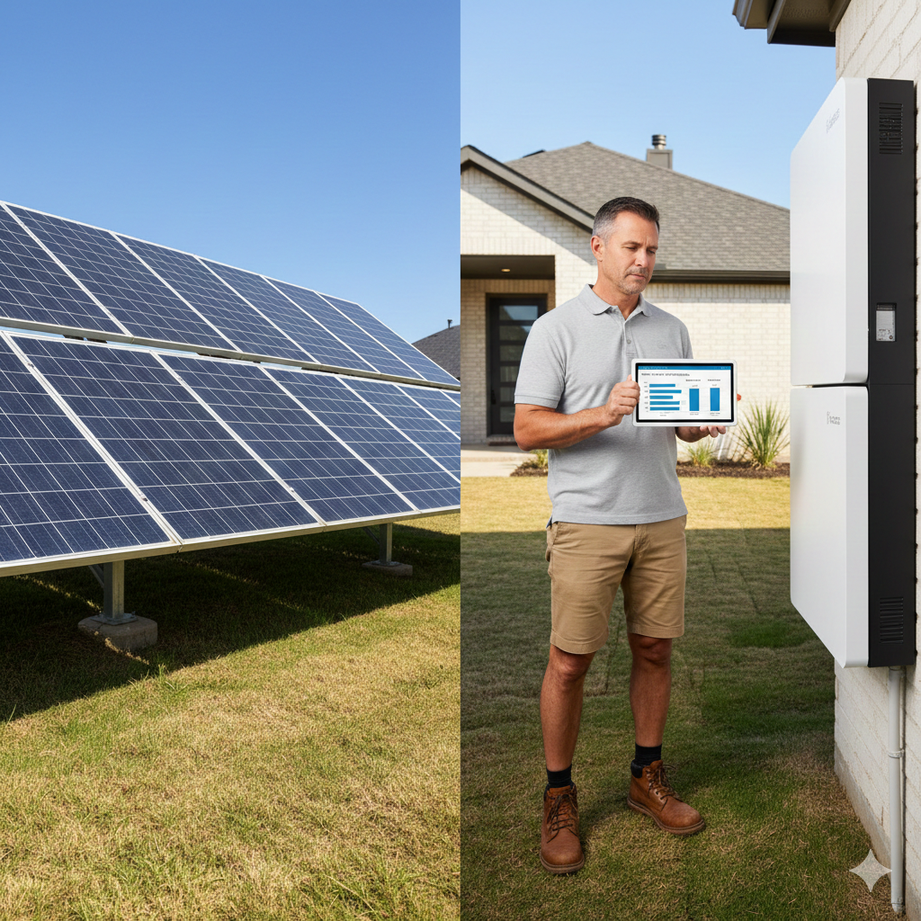
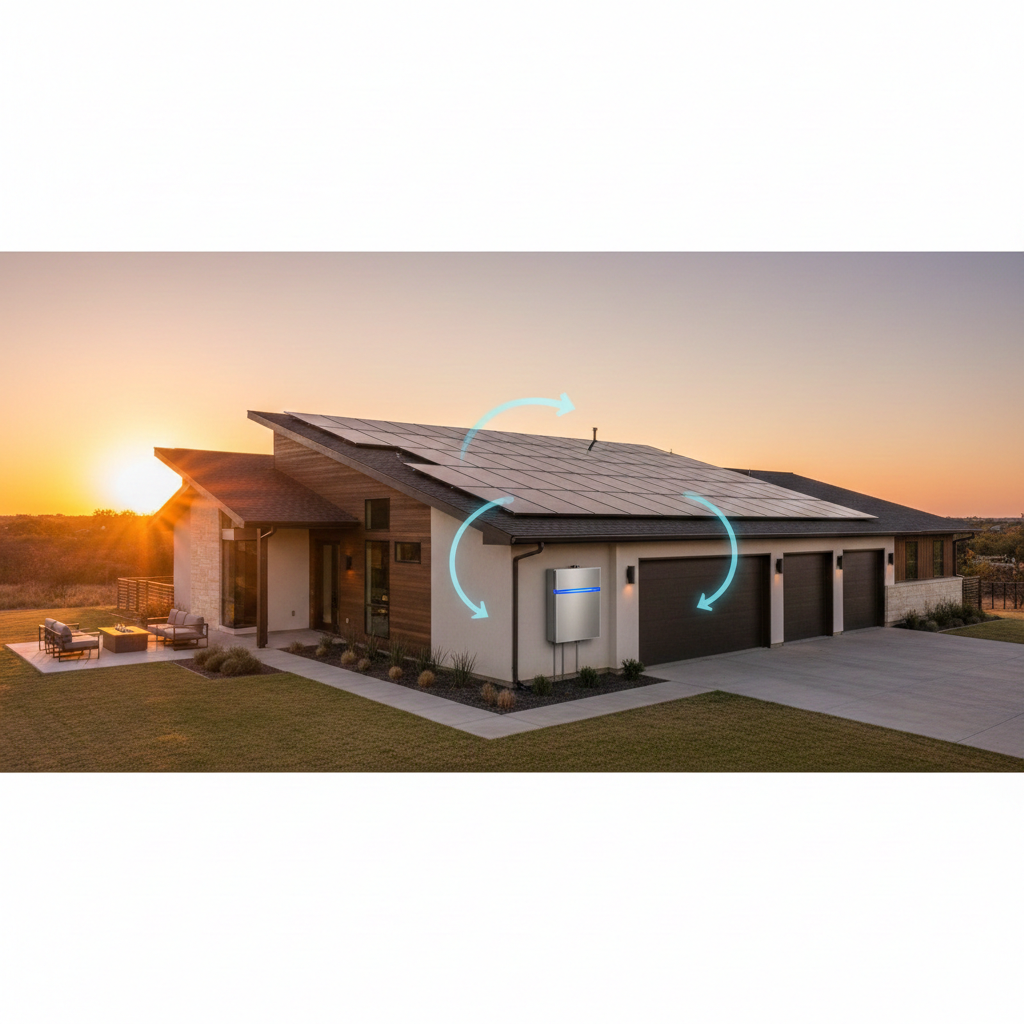
Homeowners in deregulated areas who own solar energy systems should compare feed-in tariffs to ensure even greater savings this summer. If you're savvy about electricity usage, you could use your solar panels to create an additional income stream.
Switch Up Your Electric Bill this Texas Summer
Our month-to-month Lone Star Flex package is perfect for those who require flexibility with variable rates, low additional charges, and no early termination fee.
A featured or fixed plan is the best option for most homeowners. Variable rate plans make sense for those who need month-to-month flexibility, such as property managers refurbishing a house for a few months before renting it.
Having a fixed plan contract isn't a bad thing. If you move, you don't need to pay a cancellation fee, and with Ambit Energy, you can change your plan at any time.
Call or click for the latest pricing from Ambit Energy and reduce your electric bill this Texas summer.