Electricity prices per kWh are a significant concern for households, businesses, and homeowners alike. Understanding these rates can empower you to make cost-effective decisions, choose the best energy plan, and even reduce your monthly energy bill. Below, we’ve answered some of the most frequently asked questions about electricity prices per kWh to help you navigate this essential topic.
What is the Cost per kWh of Electricity?
Electricity is measured in kilowatt-hours (kWh), the standard unit that quantifies the amount of energy used. Simply put, one kWh represents the energy consumed by using 1,000 watts for one hour.
- Current U.S. Rates: The average electricity price per kWh in the U.S. hovers around 10 to 15 cents, though prices fluctuate by region and energy provider. Some areas see rates as low as 8 cents, while others pay over 20 cents per kWh.
- Factors Affecting Cost: Regional availability, infrastructure, and fuel type significantly impact these rates.
Why Are Electricity Prices per kWh Vary by State or Region?
Electricity prices can differ widely across states and regions, driven by factors such as energy sources, demand, and regulatory structures.
- Local Energy Sources: States that produce energy locally, especially from renewable sources like solar or wind, often have lower rates. In contrast, states that rely on imported energy may experience higher prices due to added transportation and transmission costs.
- Infrastructure & Regulations: States with advanced infrastructure or renewable energy incentives may offer more competitive rates, while those with fewer renewable sources or older grids may have higher prices.
Example: California’s heavy investment in renewables contributes to its higher prices due to the costs associated with transitioning to sustainable sources. Conversely, states like Texas, with a deregulated market and ample natural gas resources, often offer lower rates.
What Factors Influence My Electricity Price per kWh?
Electricity rates are determined by multiple components that affect both production and distribution.
- Fuel Costs: Whether the energy source is coal, natural gas, or renewables, fluctuations in fuel prices directly impact electricity costs.
- Supply and Demand: Seasonal changes can raise prices, particularly during peak demand in summer and winter months.
- Government Policies and Taxes: Energy-related taxes or policies promoting renewable energy can influence local costs.
- Infrastructure Maintenance: Utilities must cover costs for maintaining and updating infrastructure, which is passed to consumers through their bills.
How Can I Find Out My Current Price per kWh?
Your utility bill typically displays the price per kWh, but understanding it requires a closer look.
- Steps: Locate the “Rate per kWh” section on your bill, which may vary based on your plan (fixed vs. variable rate).
- Variable Rates: Keep in mind that some providers charge different rates based on usage or time of day, which could impact your final cost per kWh.
Tip: Ambit Energy provides transparent billing information, making it easier to understand your rate and usage.
What Are Fixed vs. Variable Rate Plans, and Which is Better?
Electricity plans generally fall into two categories: fixed and variable rates.
- Fixed Rate Plans: These plans offer a constant rate per kWh, regardless of market changes. They provide price stability, ideal for budgeting and long-term planning.
- Variable Rate Plans: Rates fluctuate based on market conditions, which can result in savings during off-peak seasons but may lead to higher costs when demand is high.
When to Choose Each:
If you prefer predictability, a fixed-rate plan may be best. Variable-rate plans, however, can be advantageous if you’re willing to monitor market trends and adjust your usage accordingly.
How Can I Reduce My Electricity Costs per kWh?
Reducing your energy bills doesn’t necessarily mean changing providers; instead, adopting energy-saving practices can significantly lower costs.
- Switch to Energy-Efficient Appliances: Use LED bulbs and smart thermostats to manage energy more efficiently.
- Time-Based Pricing: Take advantage of off-peak hours, when electricity rates are often lower.
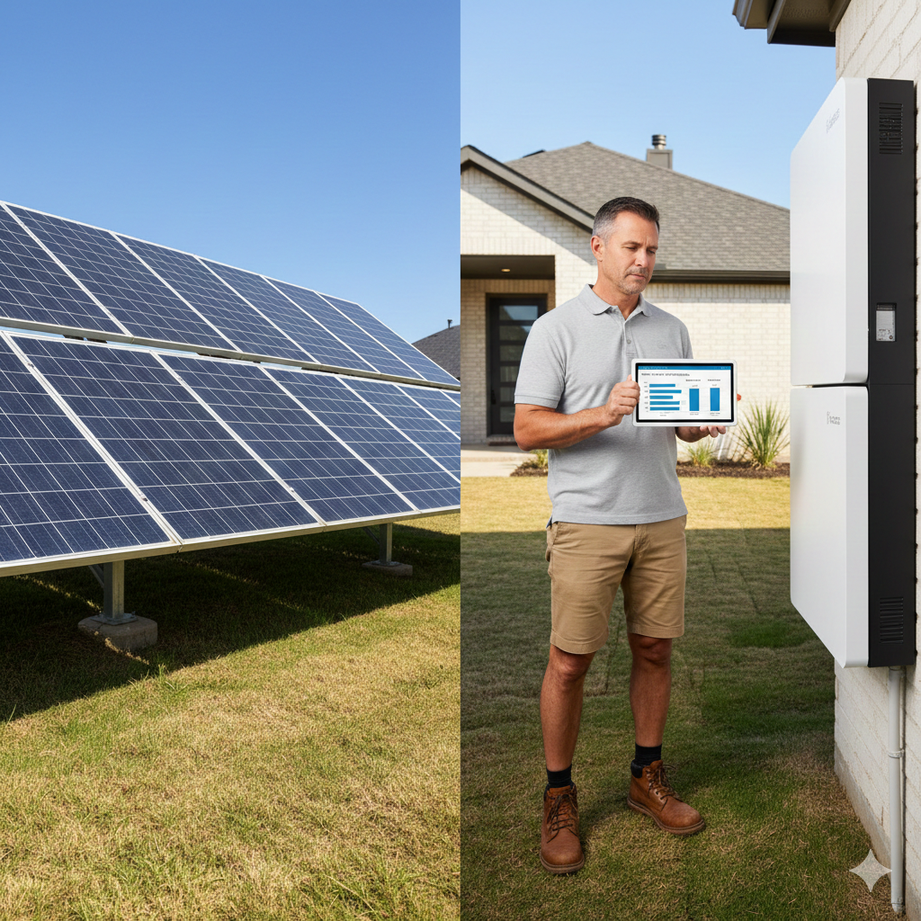
- Explore Community Solar Programs: Some areas offer community solar options, allowing you to benefit from solar power without installing panels.
Will Electricity Prices per kWh Increase in the Future?
Several factors suggest that electricity prices may rise in the future, although renewable energy could help mitigate increases.
- Potential Price Drivers: Inflation, fuel price hikes, and growing energy demand are all factors likely to drive prices up.
- Trends to Watch: Renewable energy sources, like wind and solar, are expanding and could lower long-term prices by reducing dependency on costly fuels.
Data Insight: The U.S. Department of Energy notes that renewable energy costs are declining yearly, a trend likely to stabilize rates over time.
How Does Renewable Energy Impact Electricity Prices per kWh?
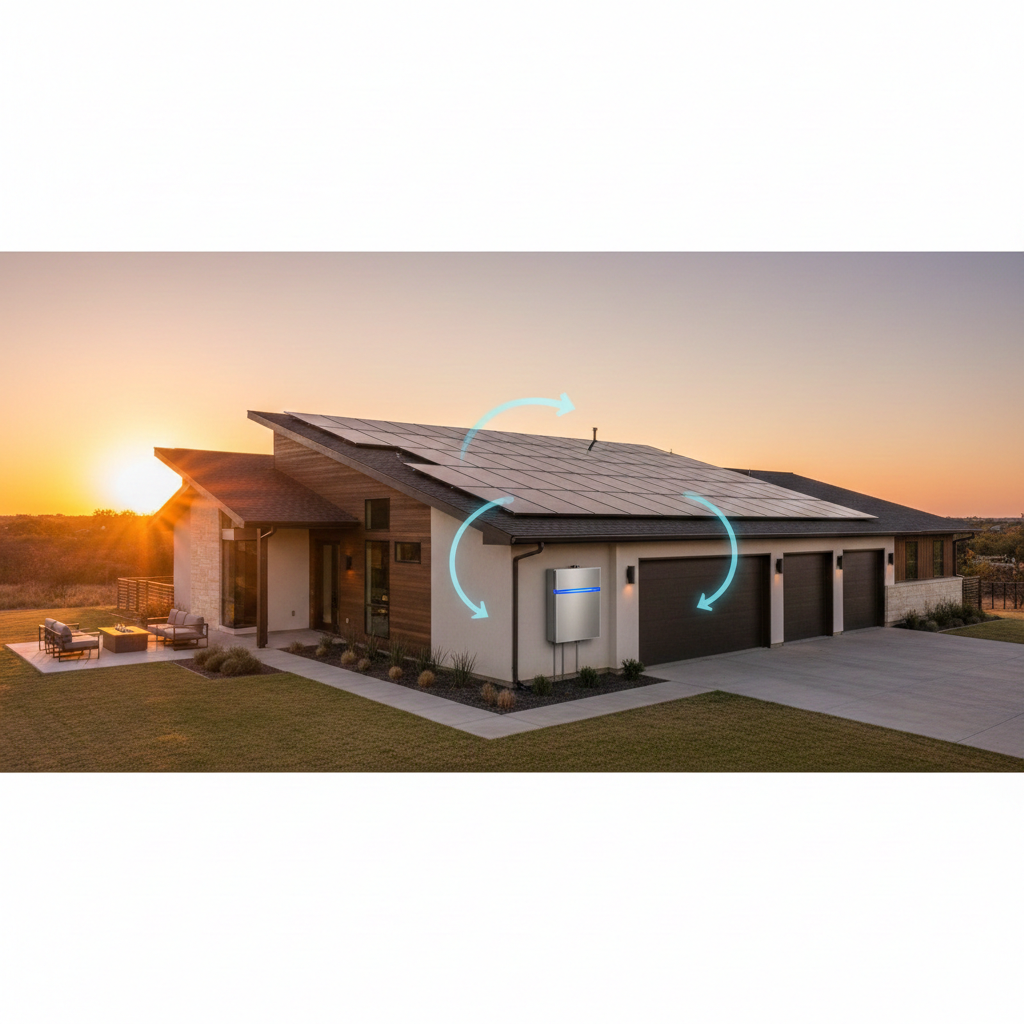
Renewable energy sources like solar and wind provide a sustainable alternative, potentially lowering prices in the long run.
- Lower Fuel Costs: Since renewables do not require traditional fuel, their costs remain relatively stable.
- Challenges in Integration: However, integrating renewables into the grid can lead to short-term price fluctuations due to infrastructure requirements.
Example: In Texas, renewable energy has reduced dependence on natural gas, contributing to generally lower electricity prices across the state.
Where Can I Compare Electricity Prices per kWh from Different Providers?
In deregulated states, consumers have the advantage of shopping around for competitive rates.
- Comparison Sites: Platforms like EnergyBot, Power to Choose, or local government websites allow you to view various providers and their rates in one place.
- Deregulated Markets: States like Texas and Ohio offer open markets where consumers can compare and select from multiple providers, often resulting in competitive prices.
Are There Discounts or Programs to Help Lower My Electricity Rate?
Several programs can help consumers lower their electricity costs, particularly for those who qualify for income-based assistance.
- Assistance Programs: Some utility companies provide reduced rates for low-income households or seasonal discounts.
- Incentives for Upgrades: Rebates and tax incentives for energy-efficient home upgrades, like improved insulation or ENERGY STAR appliances, are widely available and can reduce monthly costs.
Tip: Ask Ambit Energy about available incentives or time-of-use plans that could help you manage energy costs effectively.
By exploring these FAQs, you’ll be better equipped to make informed decisions about your electricity plan and find ways to reduce costs. Whether choosing a fixed or variable rate, investing in energy-efficient appliances, or understanding the impact of renewable energy.