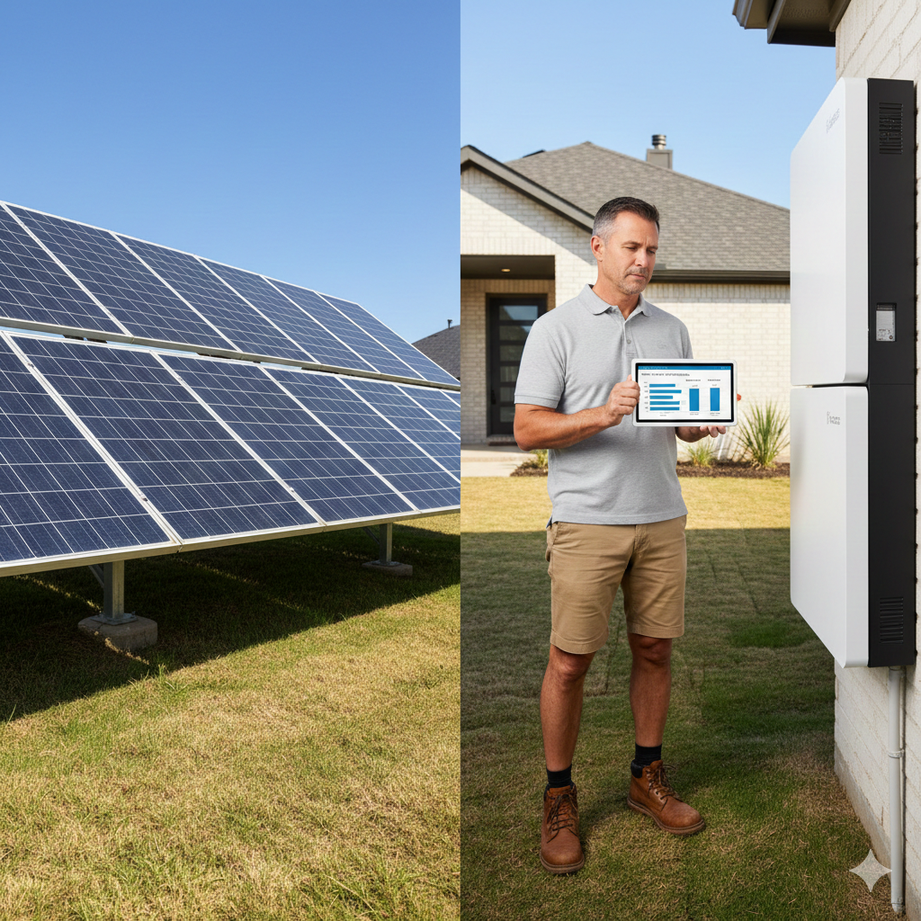
Which saves more? For Texas homeowners with a competitive solar buyback rate like Ambit Energy's 1:1 at 12.5¢/kWh, buyback-only delivers $934/year with zero capital investment. Battery storage delivers $1,038–$1,376/year but requires $6,400–$7,779 after Oncor rebates. The hybrid approach — both together — produces the highest savings at $1,311–$1,649/year. The right choice depends on your buyback rate, system size, and whether you need backup power.
If you have solar panels in Texas, you face a critical financial decision: sell surplus energy back through a solar buyback plan, store it in a battery, or combine both strategies. Our solar buyback plans in Texas complete guide breaks down how solar buyback programs work. But which approach actually saves you the most money? The answer depends on your solar buyback rates, system size, and whether grid reliability matters to your household. Here are the real numbers.
For a typical 8 kW solar system in Texas producing approximately 11,500 kWh per year, here is how the three strategies compare:
| Factor | Buyback-Only | Battery-Only | Hybrid (Both) |
|---|---|---|---|
| Annual Savings | $934 | $1,038–$1,376 | $1,311–$1,649 |
| Additional Cost | $0 | $6,400–$7,779* | $6,400–$7,779* |
| Payback Period | Immediate | 4.6–7.5 years | 3.9–5.9 years |
| Backup Power | No | Yes | Yes |
| Self-Consumption | 25–40% | 60–90% | 60–90% |
*After Oncor rebate of up to $9,000. Without rebate: $12,000–$16,779.
The solar buyback column uses Ambit Energy's 1:1 rate of 12.5 cents per kWh — the highest fixed solar buyback rate in Texas. At wholesale solar buyback rates of 3 to 5 cents per kWh, buyback-only annual savings drop to $224 to $374, according to Quick Electricity.
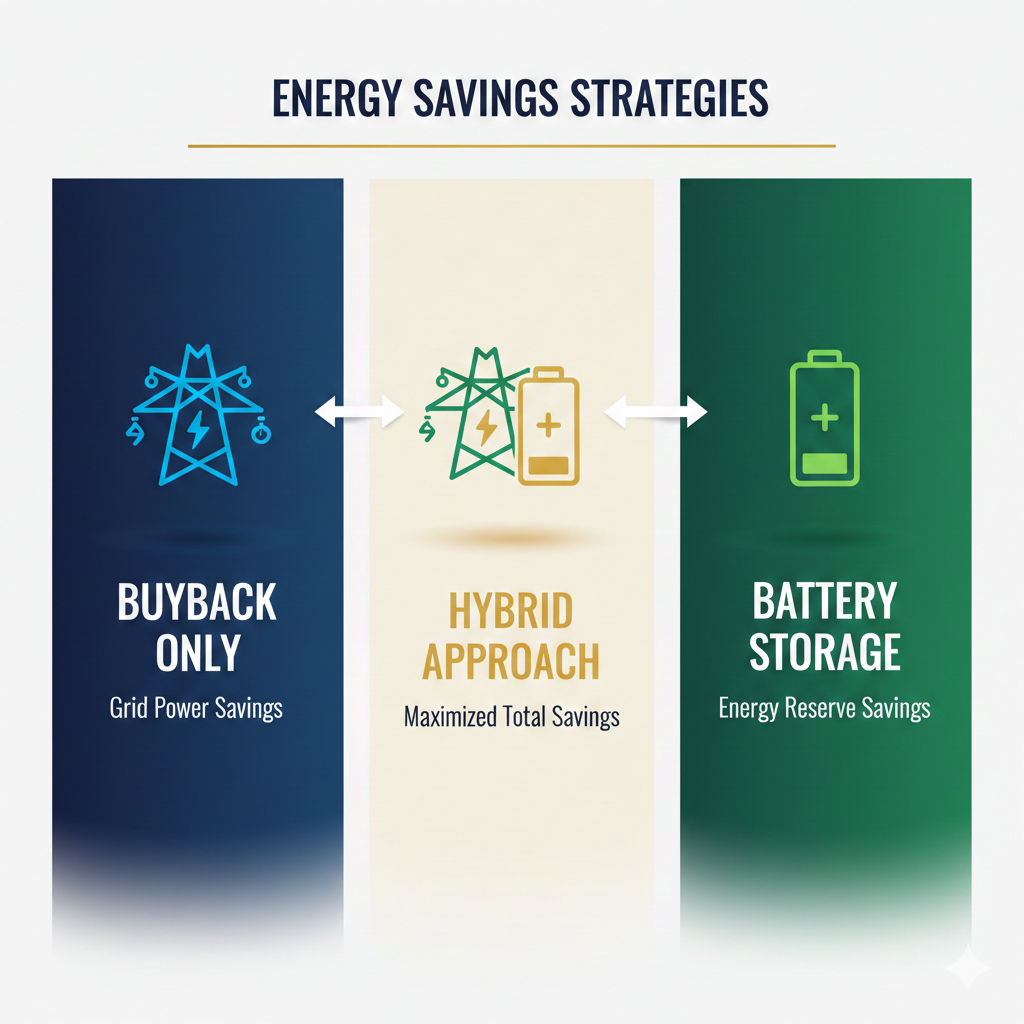
Solar buyback programs deliver the strongest return when three conditions align: you have a small-to-medium solar system (5 to 7 kW), you've secured a competitive solar buyback rate above 10 cents per kWh, and you cannot or prefer not to invest $12,000 to $16,779 in battery storage.
This math is especially clear in 2026. The federal 30 percent Residential Clean Energy Credit expired December 31, 2025, meaning homeowners now pay full retail for batteries, according to EnergySage. Without that credit, the battery investment takes longer to recover. Budget-conscious homeowners on a strong solar power buyback plan like Ambit's 1:1 program earn $934 per year in credits with zero additional capital.
For help evaluating solar buyback programs, see our guide on how to compare and choose the right buyback plan.
Battery storage pulls ahead when solar buyback rates are low and your system is large enough to generate significant surplus. At wholesale solar buyback rates of 3 to 5 cents per kWh — which is what most Texas solar power buyback plans now pay — you are selling energy worth 12 to 18 cents for a fraction of its value.
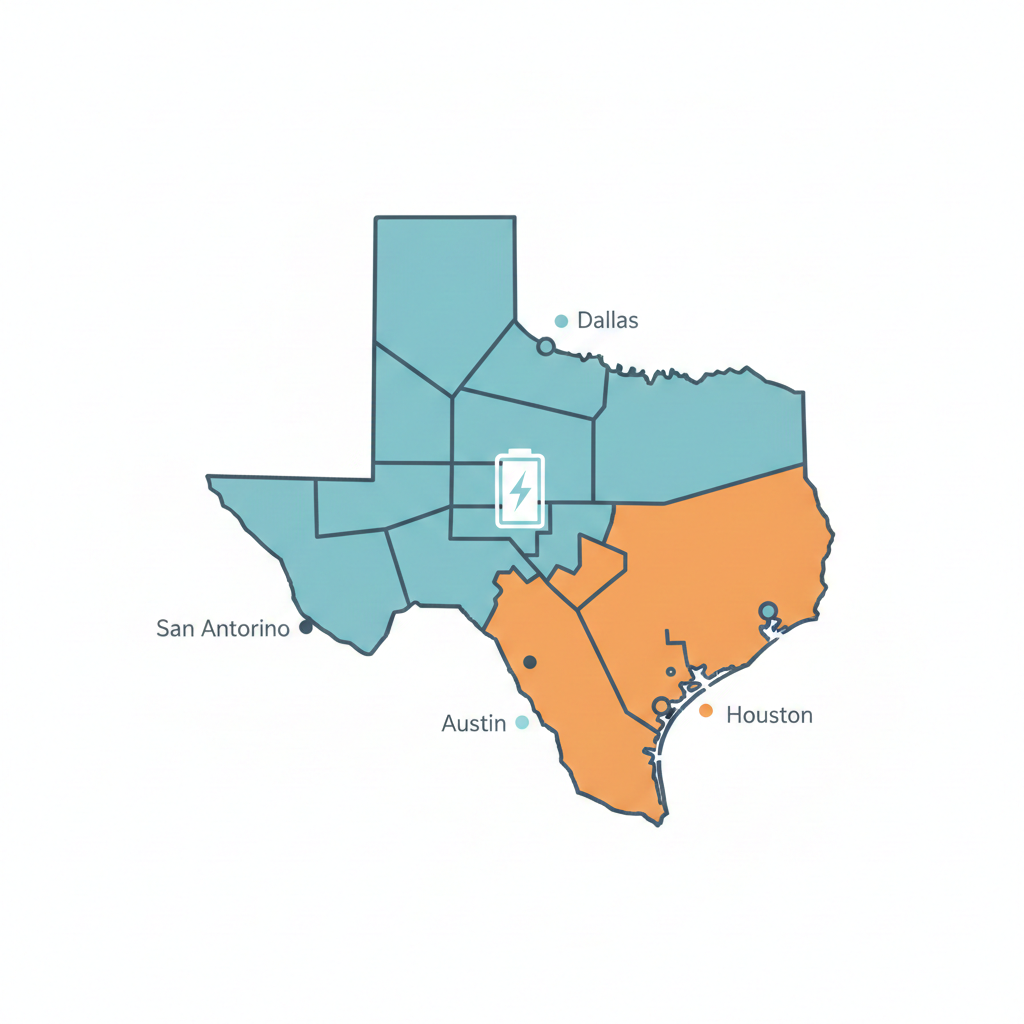
A battery changes that equation. Instead of exporting at a discount, you store surplus solar and use it during peak evening hours, avoiding both the energy charge and the TDU delivery charge of 5.58 to 6.00 cents per kWh, according to Quick Electricity. Battery owners in Oncor territory can claim up to $9,000 in rebates, and virtual power plant programs pay $400 to $600 per year in additional income.
For homeowners who experienced Winter Storm Uri, batteries also provide backup power during ERCOT grid events. Battery storage delivered over 7,000 MW during Winter Storm Fern in January 2026, according to the Dallas Federal Reserve. For a deeper look at the battery case, read our analysis on adding battery storage to your solar system.
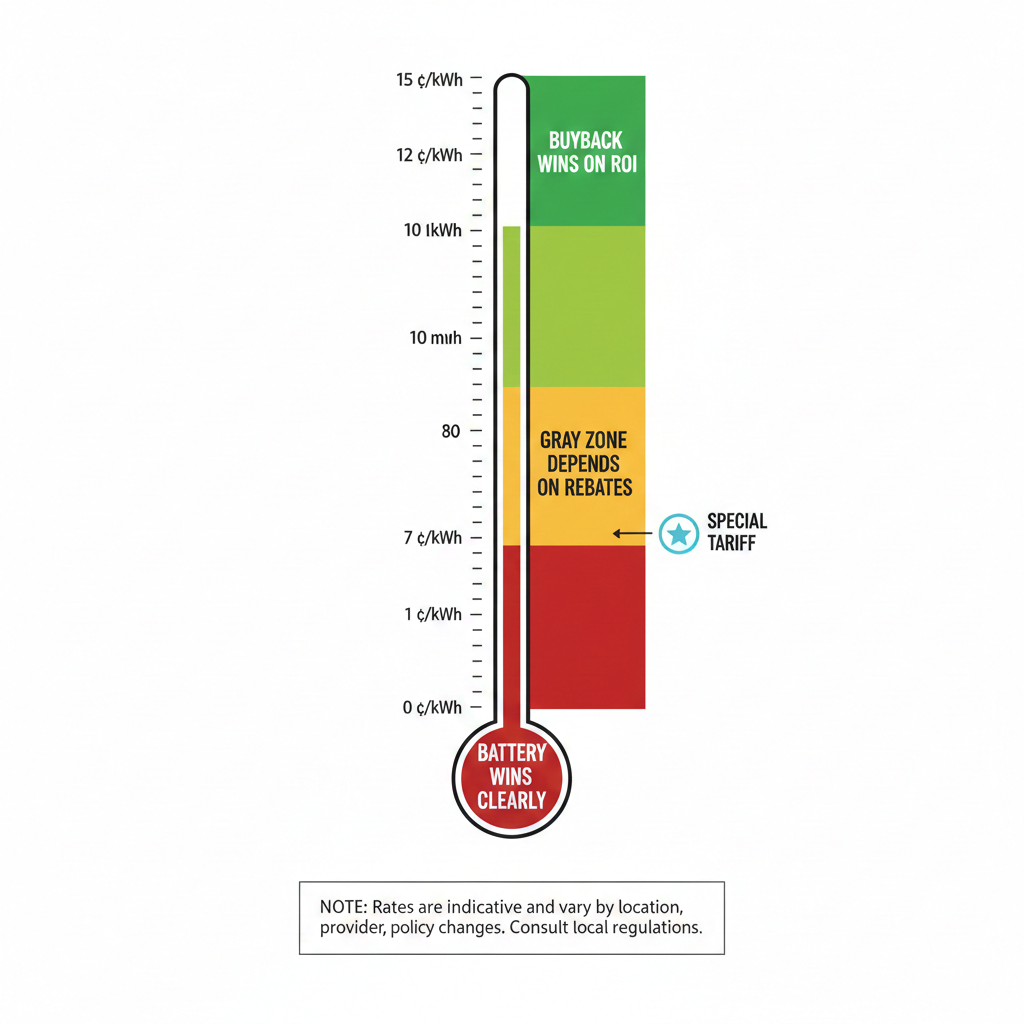
Here is the question that determines your best path: at what solar buyback rate does battery storage become the better investment?
Using 10-year cost analysis with Oncor rebates, battery storage wins when your solar buyback rate falls below approximately 10 cents per kWh. Above 12.5 cents — like Ambit's 1:1 solar power buyback — buyback-only is difficult to beat on pure ROI because the additional capital requirement is zero.
But the hybrid approach wins at every solar buyback rate. With Ambit's 1:1 program plus battery storage, you earn full-value credits on exports that exceed battery capacity while self-consuming 60 to 90 percent of your production. Battery costs have fallen to $108 per kWh in 2025, a 93 percent decline since 2010, according to BloombergNEF. Texas homes averaging 1,146 kWh per month in consumption have significant room to optimize with the right combination of solar buyback programs and current battery storage costs, according to the EIA.
Whether you choose solar buyback alone, battery storage, or a hybrid approach, the foundation is the same: a competitive solar buyback rate. Ambit Energy's 1:1 solar power buyback at 12.5 cents per kWh ensures every exported kilowatt-hour earns full retail value — the strongest baseline for any solar strategy in Texas.
Maximize your solar energy credits in Texas by starting with the right plan. Compare Ambit Energy rates and plans to find the best fit for your home.
Ready to Maximize Every Kilowatt-Hour?
Compare solar buyback, battery storage, or both — and start with Ambit Energy's 1:1 buyback at 12.5¢/kWh.
For systems under 7 kW with moderate export volume, solar buyback programs generally deliver better ROI — especially at competitive solar buyback rates like Ambit's 12.5 cents per kWh. The additional $12,000 to $16,779 battery investment is harder to justify when export volume is limited. Focus on securing the highest solar buyback rate available and monitor battery prices as they continue declining.
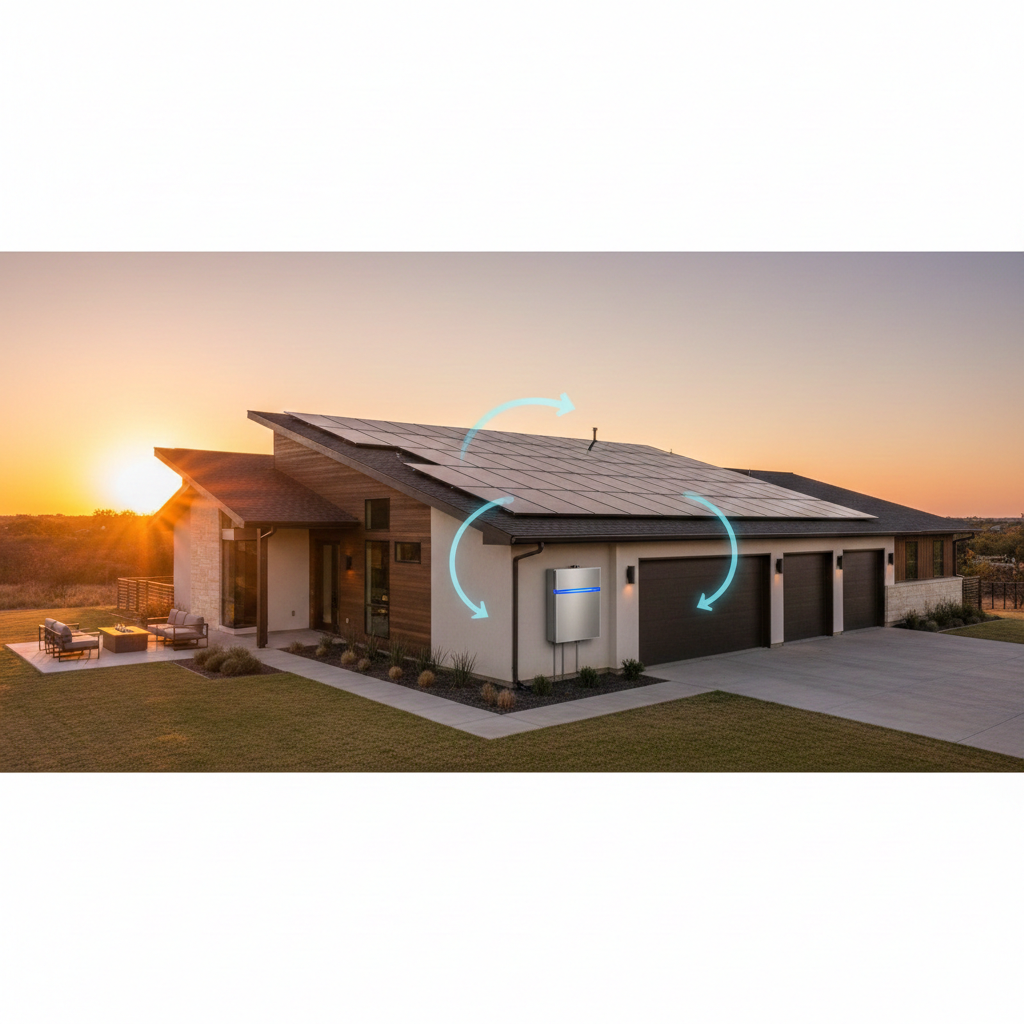
Yes, and this hybrid approach produces the highest total savings. Your battery stores surplus solar for peak self-consumption while any excess beyond battery capacity exports to the grid at your solar buyback rate. With Ambit's 1:1 program, the hybrid strategy delivers $1,311 to $1,649 per year in combined value — 40 to 76 percent more than buyback alone.
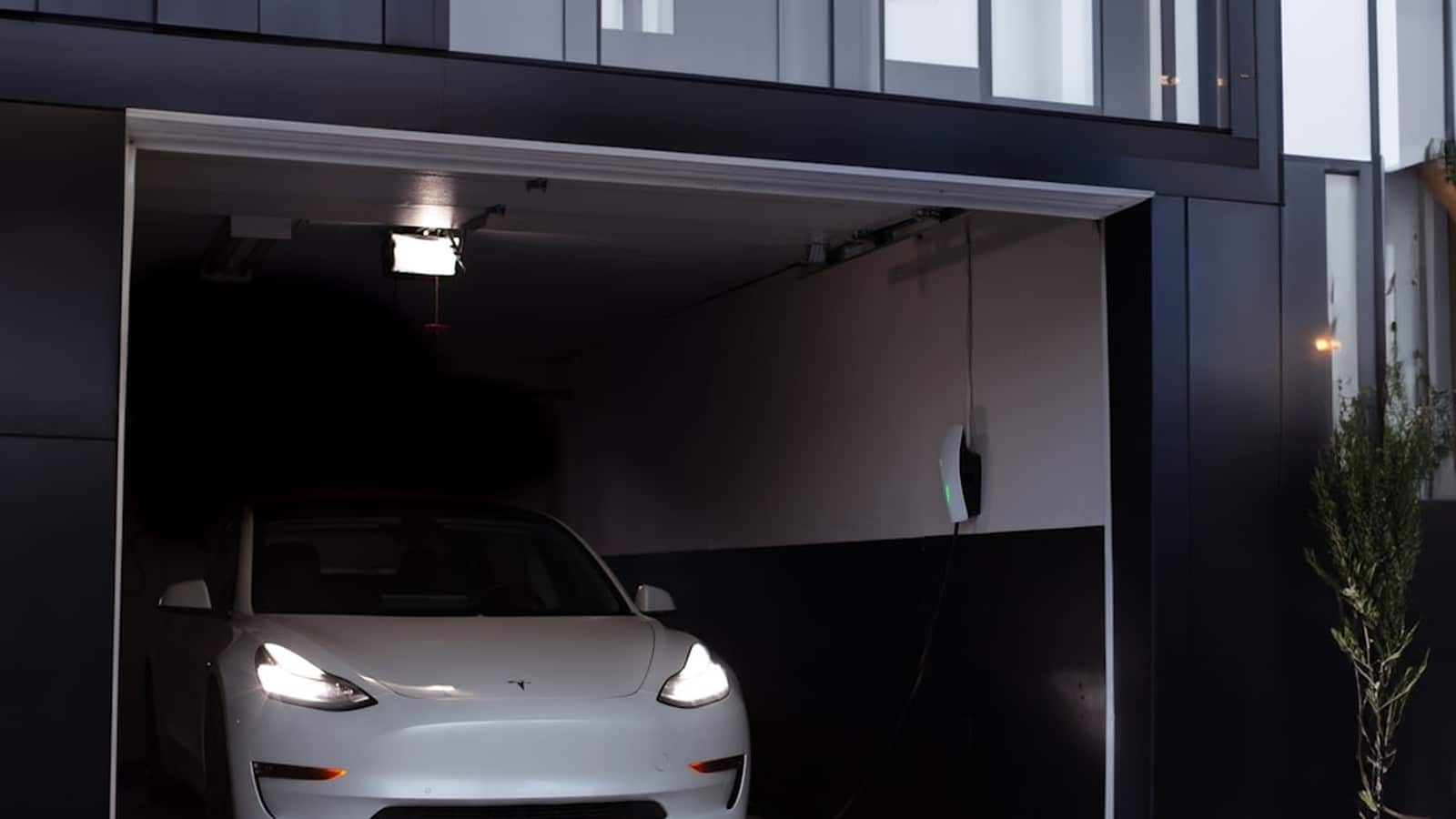
A typical 13.5 kWh home battery like the Tesla Powerwall 3 costs approximately $15,400 installed. The federal 30 percent ITC expired December 31, 2025, so homeowners pay full retail in 2026. However, Oncor offers up to $9,000 in rebates for qualifying new solar-plus-battery installations, reducing the net cost to $6,400 to $7,779. The program closes November 2026 or when budget is depleted.
Sources: BloombergNEF · EIA · Quick Electricity · Oncor · Dallas Federal Reserve · EnergySage
Rates and incentives referenced above are subject to change. Verify current offers with your Retail Electric Provider and check the Public Utility Commission of Texas for the latest Electricity Facts Labels.









Copyright © 2026 VIPEnergyService.com. All rights reserved | PUCT# 10117