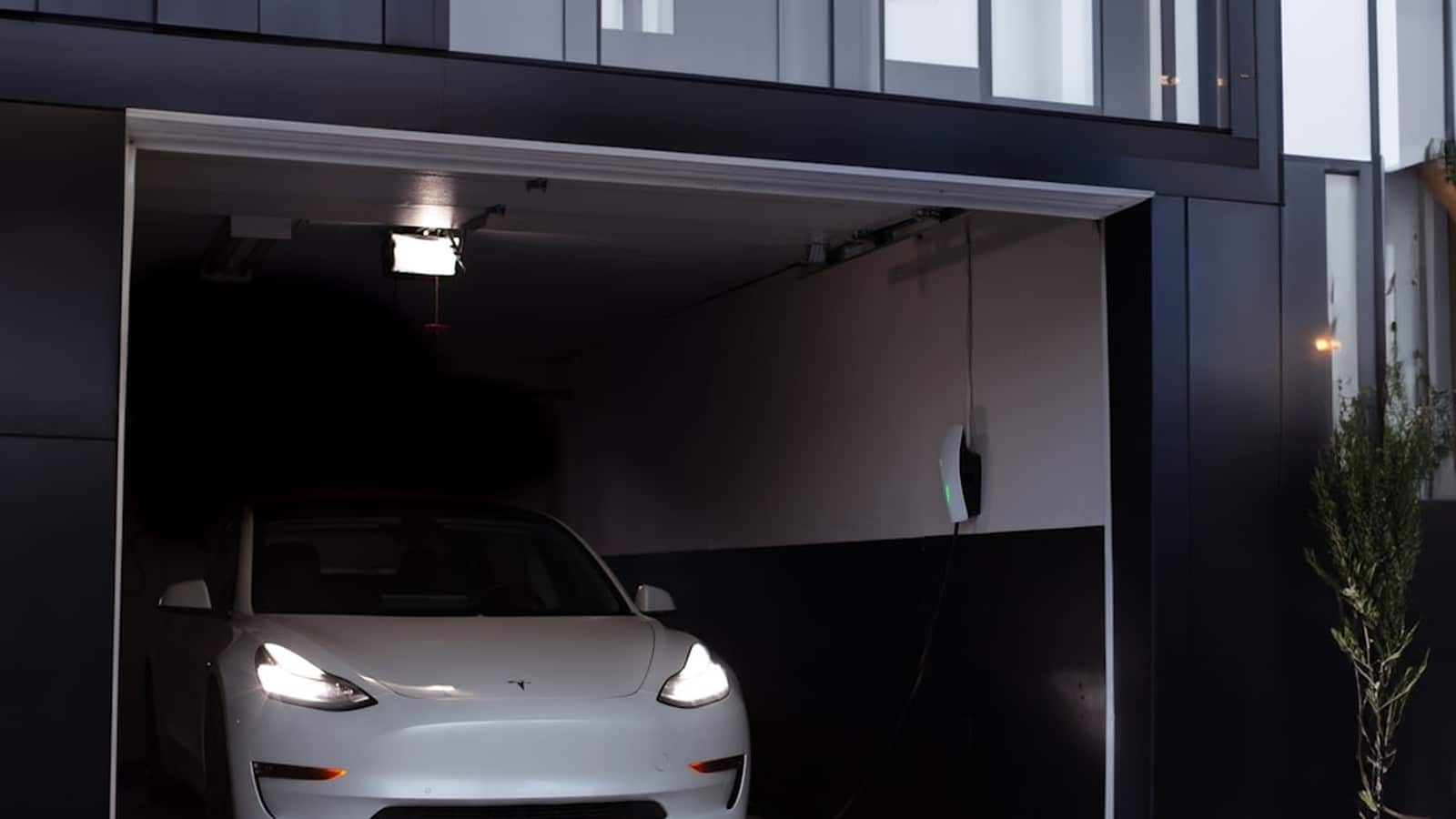
Texas residents with electric vehicles that charge primarily at home can use free nights electricity plans to eliminate one of the largest expenses on their power bill: charging their EV. The answer to how much you can save depends on three variables: your power provider, the amperage rating of your Level 2 charger, and whether your EV is programmed to charge during free windows. I have watched Texas homeowners save hundreds of dollars a year by getting those three pieces right, and I have watched others lose money because they signed up for a free nights plan and then ran the dishwasher at 4 p.m.
This guide walks through the decision the same way I would help a neighbor. I will explain how the rate structure actually works, how to do the break even math for an EV household, how to set up scheduled charging in the major car apps, and the hidden charges that quietly shrink the savings. By the end, you will know whether a free nights plan is the right move for your home, and if it is, how to set it up so the savings stick.
Public charging stations in the United States are at least three times more expensive than home charging on a standard residential plan, so it is unsurprising that about 80 percent of all electric vehicle charging in the country happens at home (Qmerit). For a Texas household that drives an EV daily, the home meter is doing real work. According to the DFW Clean Cities Coalition, Texas crossed 491,000 registered electric vehicles by June 2026, with the bulk of that fleet concentrated in the Dallas, Houston, Austin, and San Antonio metros (DFW Clean Cities).
Free nights plans exist because the ERCOT grid produces more wind energy at night than it can sell. Modo Energy reported that ERCOT curtailed more than 8 terawatt hours of wind and solar in 2024 because the grid could not absorb it (Modo Energy). Retail electric providers (REPs) buy that surplus cheap and use the free window as a marketing hook. The catch is that they make their margin back on the daytime rate. An EV driver who pulls a big block of overnight kilowatt hours is exactly the customer who tips that trade in the household's favor.
Now here is the framework I use to decide if it actually pays.
Before you compare a single Electricity Facts Label (EFL), run what I call the 9 to 9 Window Test. It is the fastest way to tell whether your household profile fits a free nights plan at all.
If you answered yes to all four, a free nights plan is probably the right call. If you answered no to any of them, I would point you to a flat rate plan or a solar buyback plan instead. We will get into the WHY behind each of these in the sections below.

The basic structure is simple: during the free window, the energy charge and the delivery (TDU) energy charge are billed at $0 per kilowatt hour. Outside the free window, you pay an elevated rate per kilowatt hour. Most Texas residents know the flat rate model, where the cost per kilowatt hour stays the same all day. Free nights plans take a flat rate and trade it for two rates, one of them zero.
As of mid 2026, here is how the top providers structure their free windows:
Before you sign anything, there are two important wrinkles you must understand.
First, the TDU delivery base charge (a fixed monthly fee from Oncor, CenterPoint, AEP Texas, or TNMP) applies 24 hours a day. The "free" only covers the per kilowatt hour energy charge and the per kilowatt hour TDU delivery charge during the window. The base charge, typically $3 to $5 per month, is still on your bill.
Second, many free nights plans use a tiered minimum usage structure. Reliant's plan, for example, applies an extra charge when monthly usage falls below 1,000 kWh. If you travel often or live in a small apartment, that minimum can erase the free hours quickly. EV households almost never trip this threshold because the car alone pulls 300 to 450 kWh a month, but it matters if you snowbird out of Texas in the winter.
For a deeper walk through of how these plans are priced, my ultimate guide to free nights electricity plans in Texas covers the rate mechanics in more detail.
This section matters more than any other. The main reason most Texas households do NOT save money on a free nights plan is that they cannot shift enough of their usage into the free window. Industry data suggests you need roughly 65 percent of your total monthly consumption to land inside the free hours for the plan to beat a comparable flat rate (ElectricRates.org). For a typical Texas family that runs the AC during the day, that is a tall order.
Now look at the same math with an EV in the driveway.
A standard 1,200 kWh per month Texas household running 25 percent of its load at night (so 300 kWh during the free window) does not break even. Add a single Tesla Model Y that drives 1,000 miles per month at 3.8 miles per kilowatt hour, and you add about 263 kWh of demand. If that load shifts entirely into the free window, the household night share moves from 25 percent (300 of 1,200) to about 38 percent (563 of 1,463). Add a Ford F 150 Lightning at 600 monthly miles and 2.0 miles per kilowatt hour, and you add another 300 kWh of overnight load. Now you are at 59 percent. Pair that with running the dishwasher and laundry after 9 p.m., and you cross the 65 percent threshold without sacrificing comfort.
In dollar terms: at an Oncor zone flat rate of roughly 17 cents per kilowatt hour (ElectricityPlans.com Texas trends), 263 kWh of EV charging costs about $44.71 a month. On a free nights plan with that charging shifted to the free window, the energy and TDU energy charges for those 263 kWh are zero. Over a year, that is roughly $536 of savings on a single Tesla Model Y, before counting any kilowatt hours from dishwasher, dryer, water heater, or pool pump runs you also shift to the free window.
That is the EV advantage. The savings come from a single block of demand you can mechanically schedule to land inside the free window every night, every week, every month, without thinking about it.
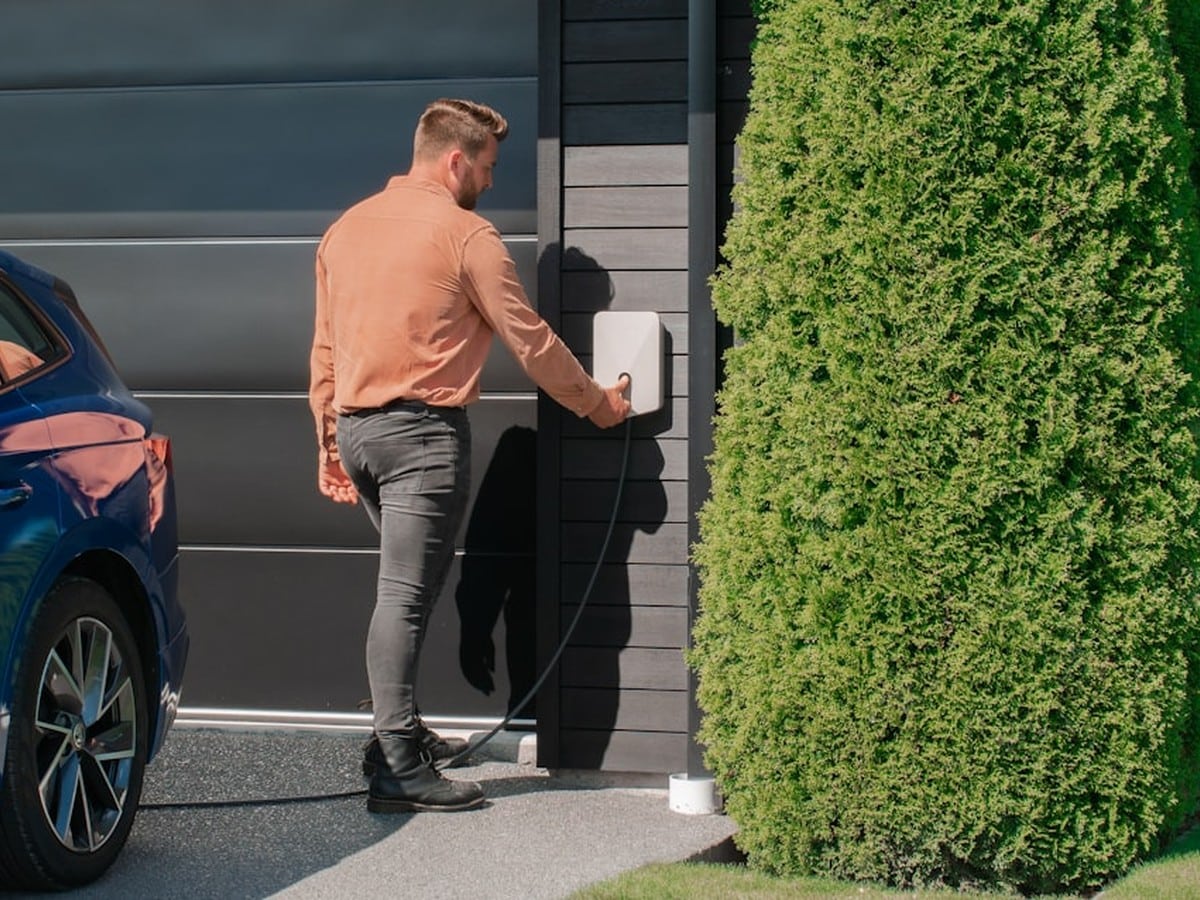
This is where most homeowners drop the ball. They sign up for the free nights plan, plug the car in at 6 p.m., and let it charge at full price for three hours before the free window starts. Every major EV sold in Texas allows scheduled charging, but the settings differ by brand. Here is how to set them right.
Use Scheduled Departure instead of Scheduled Charging. Scheduled Departure is the smarter option: you tell the car when you need to leave in the morning, and it works backwards to start charging during off peak hours. In the Tesla app, go to Charging, set Schedule, choose Departure, and set your morning departure time. Make sure Off Peak Charging is set to start at 9:01 p.m. to give the meter a one minute buffer in case the provider clock is slightly behind yours.
In the FordPass app, open Manage EV, then Manage Charging. Set Preferred Charge Times to your free window (9 p.m. to 6 a.m. for Reliant or TXU, 9 p.m. to 7 a.m. for Just Energy). Also set a Departure Time. Some Lightning owners have reported the Preferred Charge Times feature occasionally drifting from the scheduled start, so I recommend checking the app once a week for the first month.
GM vehicles use the Ultium Charge 360 feature inside the brand specific mobile app (myChevrolet, myGMC, myCadillac). Set a Charge Schedule that matches your provider's free window. GM also offers a Time of Use bill pay integration that lets the car cross check your provider's rate windows, but it does not yet support every Texas REP.
In Hyundai Bluelink or Kia Connect, set the charging schedule to start at 9:01 p.m. and end at your free window's close. Some owners prefer to set it inside the car's infotainment system instead because the in car settings are more reliable when the mobile network signal is weak in the garage.
In the Rivian app, set a Charging Schedule under Vehicle Settings. Rivian supports a single recurring schedule, so set it once and verify it triggered the next morning by checking the charging history.
One universal tip: set the start time one to two minutes after the free window opens (so 9:01 p.m. or 9:02 p.m., not 9:00 p.m. sharp) so your provider's meter clock is past the boundary. A few minutes of full price charging at 9 p.m. on the dot can add up over a year.
For non EV homeowners who want to push more of their household consumption into the free window, my colleague's guide on how to shift your energy usage to nights walks through the appliance level moves.
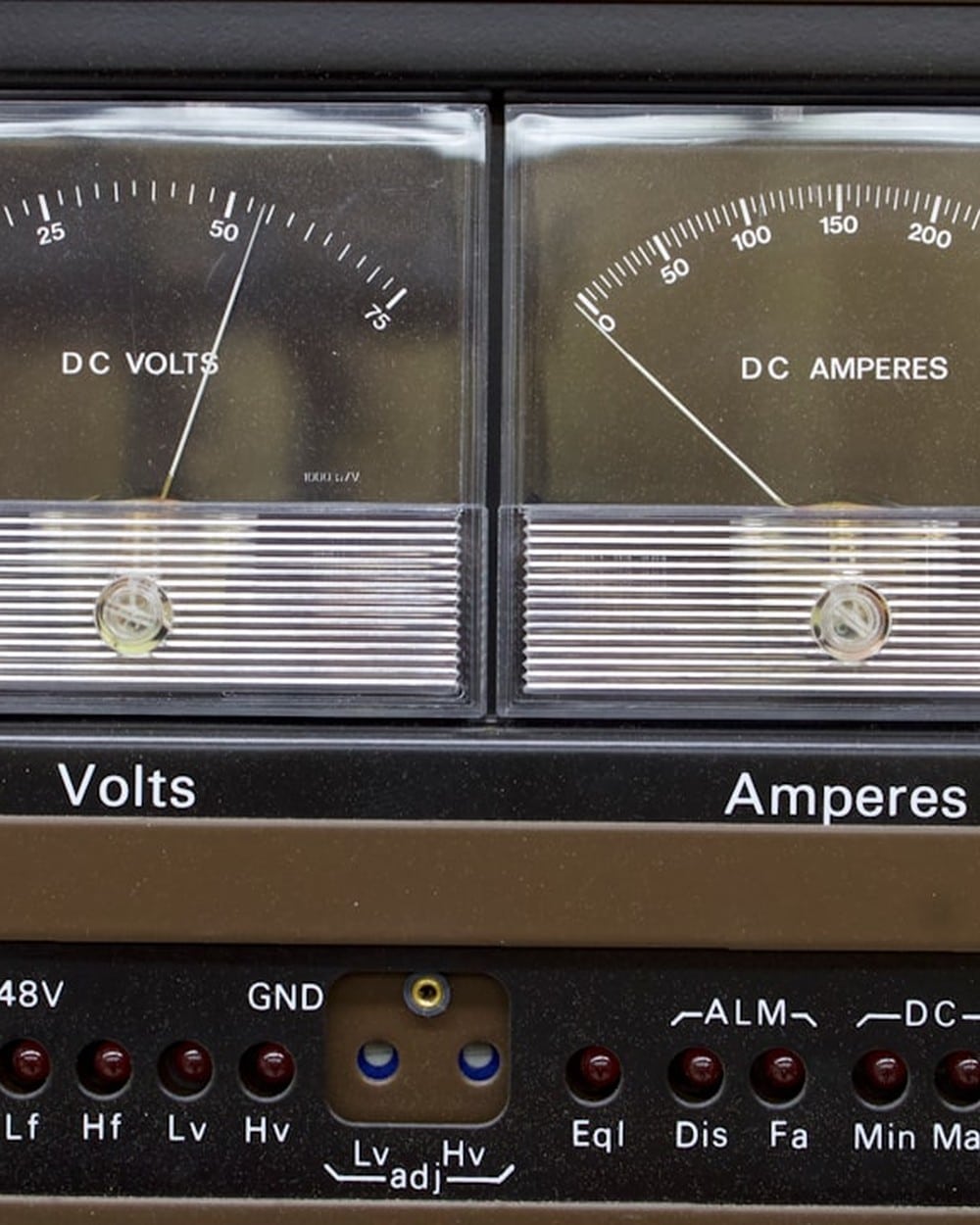
The free window is finite. Most plans give you 9 to 11 hours overnight, and the math on what you can add depends entirely on your Level 2 charger amperage. Here is what a typical 11 hour free window (9 p.m. to 8 a.m.) actually delivers, assuming a 240 volt circuit:
For most one EV households, a 32 amp or 40 amp Level 2 charger covers a full week of driving in a single overnight session. If you have two EVs that both need charging, a 48 amp or 60 amp circuit becomes important so you can split the window between them and still finish before sunrise.
Notes on the popular Texas EVs you might be running:
I have walked Texas homeowners through three common ways a free nights plan goes sideways. Pay attention here, because this is where most of the "I tried it and it cost me more" stories come from.
A fourth, smaller one: the TDU delivery base charge applies every month, including during the free window. It is small (usually $3 to $5), but it is real, and it is the reason your "free" hours never zero out the bill entirely.
When a Texas EV owner asks me whether a free nights plan is right for them, I walk them through five questions. I call this the Ambit Free Nights EV Break Even Test. If you answer yes to all five, you are a fit.
If you check all five, the math will work. If you fail on one, talk to a Texas electricity broker (myself included) before you sign.
A few situations where I steer EV owners away from free nights and toward a flat rate or solar buyback plan:
The decision is rarely "free nights versus everything else." It is "which Texas plan structure matches my real usage profile, my EV count, and my solar setup." For a side by side of two of the most common alternatives, see my comparison of free nights versus free weekends in Texas.
Can I really charge my EV for free in Texas at night?
Yes. On plans like Reliant Free Overnight (9 p.m. to 6 a.m.) and Just Energy NightsFree (9 p.m. to 7 a.m.), the energy charge and the TDU per kilowatt hour delivery charge are $0 during the free window. You still pay a small monthly TDU base charge and daytime rates for any electricity used outside the window.
What is the best free nights plan for a Tesla owner in Texas?
The best plan depends on your TDU zone (Oncor, CenterPoint, AEP, or TNMP), your monthly usage tier, and the EFLs filed that month. Reliant and TXU both run 9 p.m. to 6 a.m. windows that comfortably cover a Model Y overnight charge. Just Energy adds an extra hour with its 9 p.m. to 7 a.m. window, which helps if you are charging two EVs back to back.
Does the free nights window include TDU charges?
The per kilowatt hour TDU delivery charge is included in the "free" during the window. The monthly TDU base charge (usually $3 to $5) is billed regardless.
How do I make sure my EV only charges during the free window?
Use scheduled charging in your EV's app. Tesla uses Scheduled Departure or Off Peak Charging. Ford uses Preferred Charge Times in FordPass. GM uses Ultium Charge 360. Hyundai uses Bluelink, Kia uses Kia Connect, and Rivian uses the Rivian app charging schedule. Set the start time at 9:01 p.m. or 9:02 p.m. to give your provider's meter clock a buffer.
Is a free nights plan worth it if I drive less than 8,000 miles a year?
It can be, but you have to model the daytime usage too. If your EV adds only 175 kWh a month and your household runs heavy daytime AC, the daytime rate may eat your savings. Run my Free Nights EV Break Even Test above first.
A free nights electricity plan paired with a Texas EV is one of the cleanest household savings setups I have seen. The savings are mechanical, predictable, and largely automatic once your charger schedule is set. The trap is that the same plan can lose you money if your household pattern does not fit, or if you skip the scheduled charging step.
If you want me to run the numbers on your real usage and your EV charging profile before you sign, request a personalized plan match through Ambit Energy and I will pull the EFLs that fit your TDU zone, your usage tier, and your vehicle. Texas families have been with Ambit since 2006, and matching the right plan to the right household is the part of the job I take most seriously.
Rates and plan structures referenced in this guide reflect publicly filed EFLs available as of June 2026. Always verify current pricing in the EFL before enrolling.



Copyright © 2026 VIPEnergyService.com. All rights reserved | PUCT# 10117