Net Metering in Texas: How It Works and Why It Matters for Homeowners

Ambit Energy promotional image

Net Metering in Texas: How It Works and Why It Matters for Homeowners

February 12, 2025
by
Shawn Cornett

Introduction: Understanding Net Metering in Texas

Net metering is an essential concept for homeowners with solar power systems, especially in Texas, where the vast amount of sunlight makes solar energy a viable option for reducing electricity costs. In Texas, homeowners have the opportunity to earn credits for excess energy they generate and send back to the grid. Understanding how net metering works in Texas, along with the associated benefits, can help homeowners make informed decisions about their energy use and investments.

This article will explore the ins and outs of net metering in Texas, from how it works to why it matters. We’ll also focus on the best solar buyback rates in Texas, explain how to take advantage of Texas solar incentives for homeowners, and discuss selling excess solar power in Texas. Lastly, we will explore how Ambit Energy stands out as a provider that offers favorable solar buyback rates, making it a top choice for homeowners in Texas.

What Is Net Metering?

Understanding Net Metering

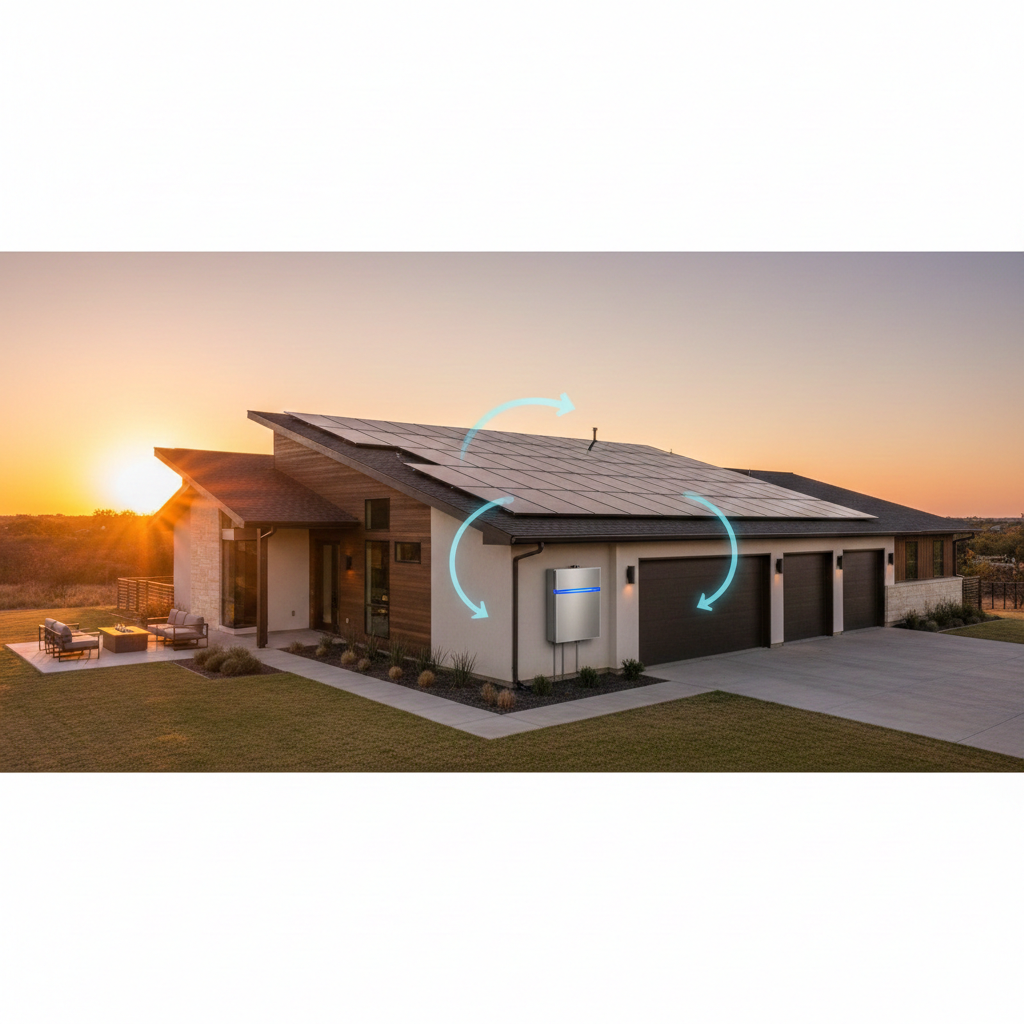
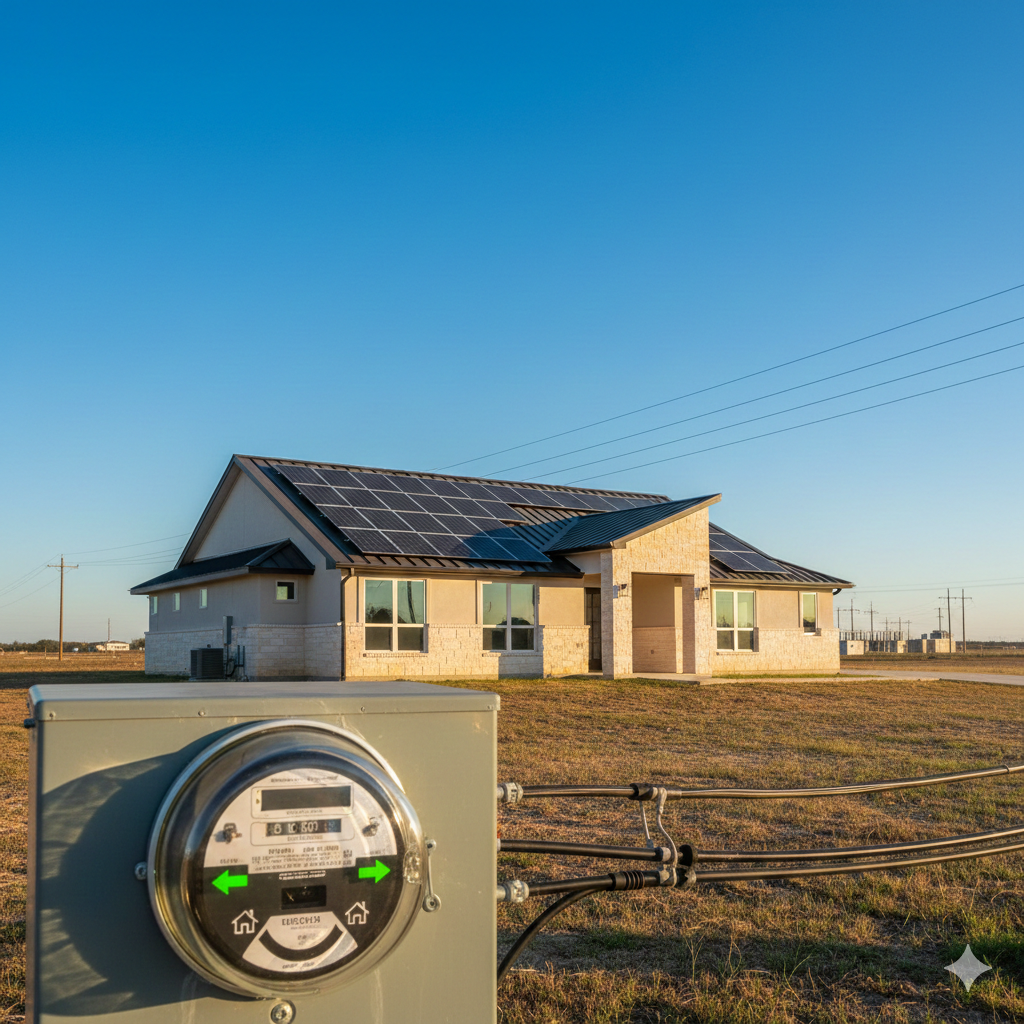
Net metering is a billing mechanism that allows homeowners with solar energy systems to receive credits for the surplus electricity they generate and send back to the grid. This means that when your solar panels produce more electricity than your household needs, the excess is sent to the utility grid, and you earn credits that offset your electricity usage at times when your system isn't producing enough power, such as during the night.

These credits help reduce your electricity bill, providing significant savings for solar-powered homes. In Texas, net metering isn’t mandated by state law but is offered by many Texas electricity providers with net metering programs. Homeowners can choose the best solar buyback rates in Texas to maximize their savings.

How Net Metering Works in Texas

In Texas, the concept of net metering works similarly to other states, although not all electricity providers offer this feature. Here's how it works:

  1. Your solar panel system generates electricity: During daylight hours, your solar panels produce electricity. If you're generating more power than you consume, the surplus is sent to the grid.
  2. Excess power is credited: The energy provider tracks how much energy you send to the grid and gives you credits for that energy.
  3. Credits offset your future bills: When your system isn't producing power (such as at night), your energy provider pulls electricity from the grid to meet your needs. The credits you’ve earned are used to offset these costs.

Homeowners should always consider the best solar buyback rates in Texas when choosing a provider, as buyback rates can vary. Ambit Energy offers competitive rates for homeowners in Texas, providing an excellent opportunity for solar customers to maximize their savings.

The Best Solar Buyback Rates in Texas

What Are Solar Buyback Rates?

Solar buyback rates refer to the amount of money or credits you receive for the excess solar energy you send to the grid. These rates are crucial for homeowners looking to offset their energy bills through net metering in Texas.

The best solar buyback rates in Texas can significantly influence how much you earn for the energy you provide to the grid. Rates are typically determined by electricity providers, and the price per kilowatt-hour (kWh) can vary. Some companies may offer a lower buyback rate, while others, like Ambit Energy, have competitive rates that help homeowners save more.

Factors Influencing Solar Buyback Rates

  • Utility company policies: Different Texas electricity providers with net metering may offer different rates and terms.
  • Time of year: Rates may vary based on demand for electricity during different seasons.
  • Energy market conditions: Fluctuations in energy prices can impact buyback rates.
  • Net metering vs. net billing: Some providers offer net billing instead of net metering, where you may be compensated at a different rate for excess energy.

Why Ambit Energy Offers the Best Solar Buyback Rates in Texas

Ambit Energy stands out in the Texas energy market for providing competitive solar buyback rates. By offering favorable compensation for excess energy, Ambit Energy helps homeowners with solar panels maximize their savings. Whether you’re new to solar energy or have had a system for years, Ambit Energy’s flexible solar programs make it easier to benefit from the energy you produce.

Texas Solar Incentives for Homeowners

What Are Texas Solar Incentives?

Texas offers several solar incentives to help homeowners reduce the upfront costs of installing solar systems and increase the long-term benefits of solar power. These incentives, combined with net metering, make Texas an attractive state for solar energy adoption. Some of the main incentives available to Texas homeowners include:

  • Federal Solar Tax Credit (ITC): This incentive allows homeowners to deduct a percentage of the cost of installing solar panels from their federal taxes.
  • Texas Solar Rebates: Some local utilities offer rebates to help offset the initial cost of solar panel installation.
  • Property Tax Exemption: In Texas, you won’t be taxed for the added value of your solar installation, which can save you money in property taxes.

How to Take Advantage of Texas Solar Incentives

To make the most of Texas solar incentives, homeowners should work with experienced solar providers who can guide them through the installation process. Additionally, using net metering to sell excess solar power in Texas can help further reduce electricity bills and take advantage of the best solar buyback rates.

Selling Excess Solar Power in Texas

How Selling Excess Solar Power Works in Texas

Selling excess solar power in Texas allows homeowners with solar panel systems to generate income or reduce their energy bills. When your system produces more electricity than your home consumes, the surplus is sent to the grid, where it can be bought by the utility company. The compensation homeowners receive for the excess power depends on their provider and buyback program.

How to Sell Excess Solar Power in Texas

  • Choose the right provider: Ensure your provider offers net metering or net billing options to receive compensation for excess energy.
  • Understand the buyback rates: Be sure to compare solar buyback rates to maximize your savings.
  • Monitor your energy usage: Keep track of your energy consumption and production to ensure you’re getting the most value from your solar panels.

By choosing Ambit Energy, homeowners can take advantage of favorable buyback rates and make the most out of selling excess solar power in Texas.

Conclusion: The Future of Net Metering in Texas

Net metering in Texas is an essential program for homeowners with solar panels, offering them the opportunity to save on electricity bills and even make money by selling excess power back to the grid. While there are some limitations and variations among Texas electricity providers with net metering, choosing a reliable provider like Ambit Energy ensures homeowners benefit from the best solar buyback rates in Texas.

If you're looking to start earning from your excess solar power, comparing Ambit Energy’s solar buyback rates is a great first step. Net metering in Texas provides homeowners with a chance to lower energy costs, invest in clean energy, and contribute to a more sustainable future.

Call to Action: "Compare our solar buyback rates and start earning from your excess energy today!"


 

Texas Summer Electricity Bills: How to Stay Cool and Save Money

TXU's Beat the Heat program signals summer bill season in Texas. Here are practical homeowner tips to compare plans, lock a fixed rate, and lower cooling costs.
Read More >>

How to Shift Your Energy Usage to Nights and Maximize a Free Nights Plan

A step-by-step playbook to shift energy usage to nights and maximize a Texas free nights plan: which appliances to run when, the break-even math, and how to verify savings.
Read More >>

Free Nights vs. Free Weekends: Which Texas Energy Plan Saves More?

Free nights vs free weekends in Texas: a side-by-side comparison, the break-even math, and who saves more on each plan.
Read More >>

Free Nights Energy Plans in Texas: How They Work and Who They're For

Free nights electricity plans in Texas: how they work, who actually saves money, the hidden costs, and the break-even math before you switch.
Read More >>

Solar Buyback vs. Battery Storage: Which Saves Texas Homeowners More Money?

Home › Solar Buyback Plans in Texas › Solar Buyback vs. Battery Storage Which saves more? For Texas homeowners with a competitive solar buyback rate like Ambit Energy's 1:1 at 12.5¢/kWh, buyback-only delivers $934/year with zero capital investment. Battery storage delivers $1,038–$1,376/year but requires $6,400–$7,779 after Oncor rebates. The hybrid approach — both together — […]
Read More >>

Texas Utility Shutoffs Are Rising: What Homeowners Should Know

A new federal report shows Texas leads the nation in electricity shutoffs. Here is what Houston and DFW homeowners can do to protect their service before summer.
Read More >>

Best Solar Buyback Plans in Texas: How to Compare and Choose

Home › Solar Buyback Plans in Texas › Best Solar Buyback Plans in Texas The best solar buyback plan in Texas depends on five factors: rate type (fixed vs. variable vs. 1:1), credit structure, contract length, TDU delivery charges, and your production-to-consumption ratio. As of 2026, Ambit Energy offers the highest fixed buyback rate at […]
Read More >>

Texas $0-Down Home Battery Plan: What Homeowners Should Know

The new Octopus Energy PowerStore plan offers Texas homeowners a 30 kWh battery with no down payment. We break down the real all-in cost for a Houston home and the four questions to ask before signing a 36-month contract.
Read More >>

Beyond Buyback: Why Texas Solar Owners Are Adding Battery Storage Instead

Home › Solar Buyback › Beyond Buyback: Battery Storage Battery backup for solar panels captures 2–6x more value per kilowatt-hour than exporting surplus energy for buyback credits. With buyback rates compressed to 3–7¢/kWh while retail electricity costs 12–18¢/kWh during peak hours, storing solar energy in a battery and using it yourself is the smarter economic […]
Read More >>

Solar Buyback Plans in Texas: A Complete Guide for Solar Homeowners

Home › Solar Buyback › Solar Buyback Plans in Texas Solar buyback plans let Texas homeowners sell surplus solar energy back to their REP for bill
Read More >>

Oncor Rate Increase 2026: What Texas Homeowners Need to Know Before Summer

Oncor filed for a rate increase adding approximately $7 per month to DFW electricity bills. Learn what is driving the increase, how it affects your bill, and the steps Texas homeowners can take to lock in competitive rates before summer 2026.
Read More >>

Solar + Battery + Free Nights: The Texas Triple Play for Lower Electric Bills

Home › Energy Plans › Solar + Battery + Free Nights Triple Play Combining solar panels, battery storage, and a free nights electricity plan create
Read More >>

Are Free Nights Electricity Plans Worth It? A Texas Homeowner's Analysis

Home › Energy Plans › Are Free Nights Plans Worth It? Are free nights electricity plans worth it? For most Texas homes, no. A study of 501 consume
Read More >>

Free Nights Electricity Plans in Texas: The Ultimate Guide to Saving More

Home › Energy Plans › Free Nights Electricity Plans in Texas Free nights electricity plans in Texas charge $0 for energy during off-peak hours (ty
Read More >>

How to Size a Home Battery: How Much Storage Do You Actually Need?

Home › Energy Storage › How to Size a Home Battery: How Much Storage Do You Actually Need? Most Texas homes need a battery energy storage system f
Read More >>

How Much Does Home Battery Storage Cost in 2026?

Home battery storage costs $9,000-$18,000 installed. Texas averages $17,472 for 13 kWh. Compare top systems, incentives, and payback periods for 2026.
Read More >>
1 2 14