
For Texas households on the Ambit Brand side (residential customers), and for VIP Energy Service Independent Consultants advising their teams.
On July 13, 2026, ERCOT asked Texans to voluntarily conserve energy from 2 to 8 pm as summer heat pushed the grid toward record demand. The appeal does not affect your per-kWh rate. What it does show is a real gap in monthly outcomes across the three main retail plan structures in Texas: fixed, free-nights, and variable. If you are on the wrong one, this summer's string of conservation events can cost you real money by the time your August statement lands.
The Electric Reliability Council of Texas issued a Voluntary Conservation Notice for the ERCOT interconnection, which serves roughly 90% of the Texas electric load. The grid operator asked Texans to voluntarily reduce electricity usage during the late afternoon and early evening, when summer air-conditioning load is at its highest. Oncor, the transmission and distribution utility that serves 13 million Texans across North and West Texas, echoed the request and asked residential and business customers to reduce electricity use between 2 and 7 pm.
A Voluntary Conservation Notice does not cut power to your home. Your lights stay on and your bill is not charged extra because of the notice itself. What the notice signals is that ERCOT's projected reserve margin, the cushion between generation supply and demand, was tight enough that voluntary conservation could keep the grid out of emergency operations.
A Voluntary Conservation Notice, also called a Conservation Appeal, is a request. An Energy Emergency Alert is an operating condition. Understanding the difference is the difference between adjusting your thermostat and losing air conditioning to a controlled outage.
ERCOT defines a Conservation Appeal as an elevated request for Texans to reduce their energy use during peak demand periods when there is a potential to enter emergency operations due to lower reserves. Under ERCOT's protocols, the appeal is typically triggered when projected operating reserves are forecast to fall below 2,300 MW for 30 minutes or more.
An Energy Emergency Alert is a very different event. According to ERCOT's operating protocols, the three levels work as follows:
According to Doug Lewin, president of Stoic Energy Consulting and one of the most-cited independent analysts of the Texas grid, the widening gap between summer peak forecasts and installed dispatchable capacity would produce exactly this pattern. Speaking with Energy Capital HTX in June 2026, Lewin noted that ERCOT's summer 2026 peak forecast of 92,000 MW would surpass the all-time record of 85,508 MW set on August 10, 2023, by nearly 8%.
According to Pablo Vegas, ERCOT's president and chief executive, data-center load growth and record-hot summers are pulling reserves tighter than at any time in ERCOT's history, in testimony to the Texas Senate Business and Commerce Committee this spring.
According to Michael Webber, professor of energy resources at the University of Texas at Austin, if just 10% of ERCOT households responded to a Conservation Appeal with a 3-degree thermostat setback, the aggregate load reduction would exceed 1,500 MW, more than the capacity of most single power plants.
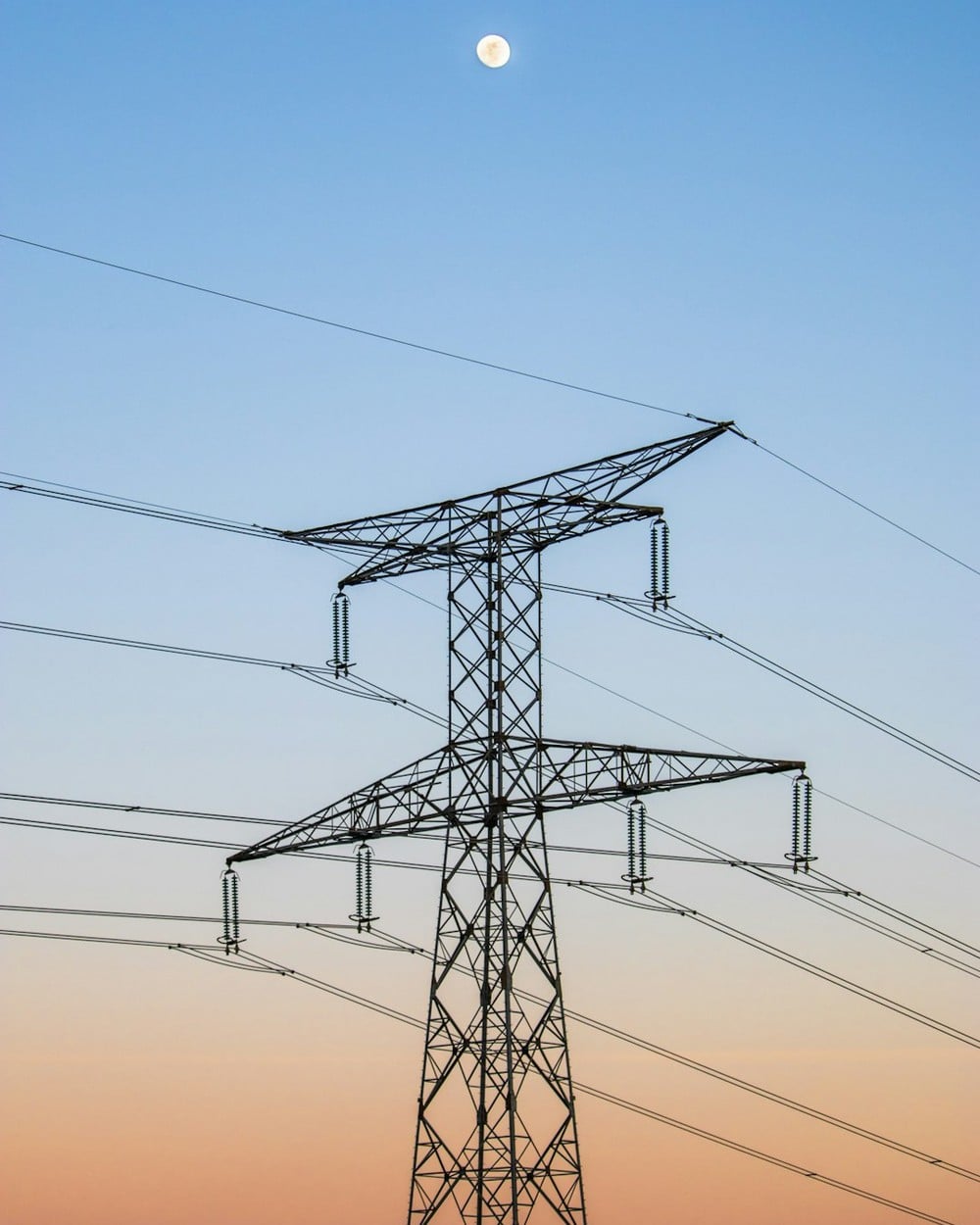
The immediate cause of a Conservation Appeal is always the same math: forecast demand plus a weather-driven upside is running too close to forecast supply. Summer 2026 has stacked that math against reserves for weeks. On July 3, 2026, ERCOT set a new July peak demand record above 83,000 MW for the first time. Four days later, on July 7, 2026, ERCOT logged a sudden loss of generation totaling 685 MW at 19:35, with system frequency dipping to 59.958 Hz on a load of 79,425 MW, according to ERCOT's Operations Messages log.
Extreme heat is the accelerant. Air conditioning accounts for about 60% of summer residential load in Texas, and when overnight lows stay in the 80s across Houston, Dallas-Fort Worth, San Antonio, and Austin, air conditioners run 20% to 40% longer into the afternoon peak. ERCOT's preliminary Long-Term Load Forecast, filed with the Public Utility Commission of Texas on April 15, 2026, projects that summer 2026 peak load will fall in a range of 90,500 MW to 98,000 MW. The July 13 appeal is part of the pattern that forecast anticipated.
Not every retail plan responds the same way when ERCOT calls for conservation. To simplify how a conservation event actually flows through to your monthly bill, we developed an original framework we call The Three-Plan Conservation Test. This framework sorts every Texas plan on the market into one of three buckets, and each bucket reacts to a conservation week differently. Walk your own plan through the framework and you will know within 60 seconds whether the July 13 event helps you, hurts you, or leaves you neutral. This is our proprietary way of translating an ERCOT grid event into a household-bill answer.
A fixed-rate plan holds your per-kWh energy charge unchanged for 24 months. Lone Star Classic 24 is the canonical example. When ERCOT calls a conservation appeal, the wholesale market often spikes 200% to 500% as scarcity pricing kicks in, but a fixed-rate customer sees 0% of that on the next statement. The rate on your Electricity Facts Label is the rate you pay, as of your plan's start date.
For households that value predictability, that is the point. You still benefit from conservation because using fewer kWh during peak lowers your usage, but the price component is 100% insulated. Plan details and rates subject to change; Subject to credit approval.
Free and Clear Nights makes electricity used between 9 pm and 5:59 am free, 7 nights a week, for a full 9-hour overnight block. In exchange, daytime rates run higher than typical fixed rates, cited between 24.4 and 29.4 cents per kWh depending on term and TDU area, as of July 2026. Standard pricing disclaimers, including credit approval and Electricity Facts Label details, apply.
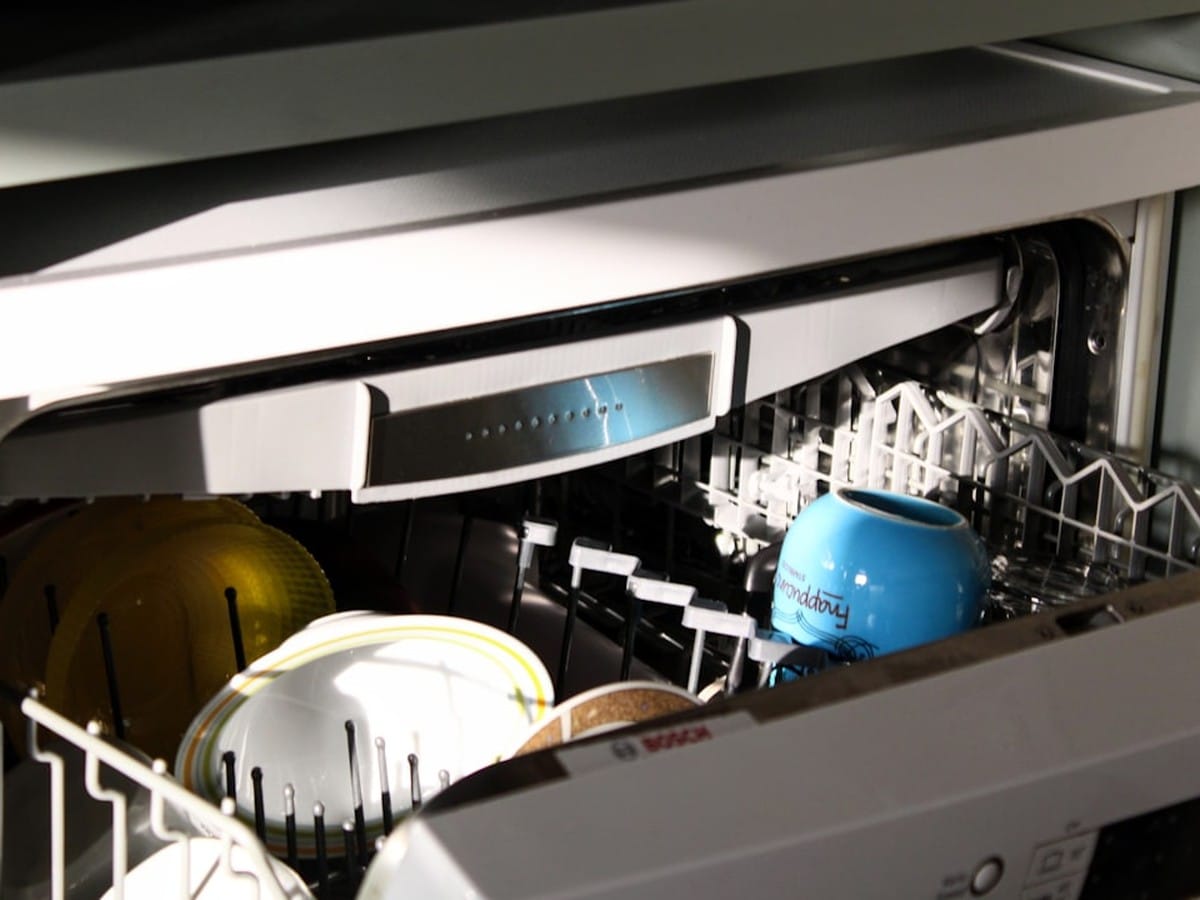
On a conservation-appeal day, a Free Nights household has the biggest actionable upside of the three buckets. Every kWh you can push out of the 2 to 8 pm window and into the after-9 pm free block compounds two ways: it saves the 24 to 29 cents you would have paid on the daytime rate, and it lands the same kWh in the free block at zero cost. Laundry, dishwashing, pool-pump cycles, and EV charging are the highest-leverage loads to move; a single Level-2 EV charge alone can consume 40 to 60 kWh.
Lone Star Flex is a variable, month-to-month plan with no cancellation fee. The flexibility is real, and for renters or short-term Texas residents that is often the right call. The trade-off is monthly pricing risk. When wholesale prices spike 200% to 500% during a string of conservation days, that spike can flow through to the next month's variable rate as a 15% to 40% jump on the base kWh price.
If your household is on a variable plan and July has already seen multiple ERCOT appeals, this is the summer to reprice into a fixed term before the August statement lands. Plan details and rates subject to change, and Subject to credit approval; rates and terms are not final until enrollment is confirmed.
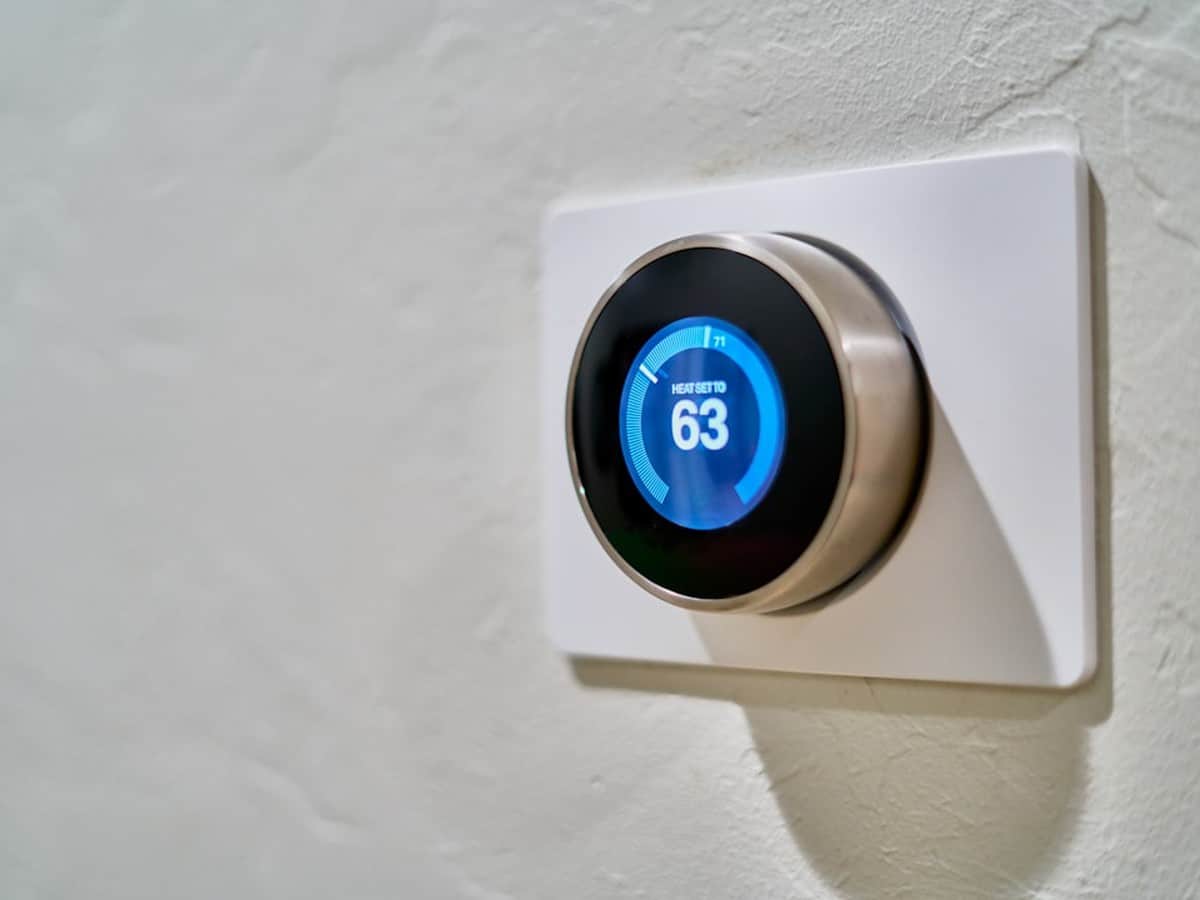
ERCOT's residential guidance during a Voluntary Conservation Notice is straightforward, and Oncor's July 13 notice reinforced the same asks. The single window that matters is 2 to 8 pm, and inside it four moves do most of the work:
Together, those four moves typically cut a peak-window household load 15% to 25% without touching comfort. Applied across the 11 million households in the ERCOT service area, even a 5% adoption rate would flatten 400 MW to 700 MW of peak demand.
Most Voluntary Conservation Notices end quietly. The 2 to 8 pm window passes, demand relaxes as the sun sets, and reserves rebuild overnight. When they do escalate, though, the escalation is quick.
An appeal escalates to EEA Level 1 when actual operating reserves fall below 2,300 MW and are not expected to recover within 30 minutes. At that point ERCOT taps every available reserve program. If reserves fall further, EEA Level 2 layers on additional emergency measures. EEA Level 3, at reserves below 1,000 MW, is the stage that directs transmission utilities to begin controlled outages to prevent uncontrolled cascading failures.
Households cannot influence which stage the grid reaches, but the collective response to Voluntary Conservation Notices is one of the tools that keeps the grid from moving from stage to stage. That is the case ERCOT is making when a notice hits your phone through the Texas Advisory and Notification System (TXANS).
Two documents tell you exactly where you stand. Both should be in your welcome packet or your online account.
If either document leaves you unclear, we can walk you through it. A quick review usually surfaces one of three outcomes: you are on the right plan and just need peak-shift habits, you are on the right structure but the term is up for renewal, or you are on a plan that is quietly penalizing you on days like July 13. Request a rate quote if you want a second set of eyes on your EFL.
Does an ERCOT Conservation Appeal raise my electricity rate?
No. The appeal itself does not change your rate. If you are on a fixed-rate plan, the price you pay per kWh does not move. If you are on a variable-rate plan, wholesale price spikes during a conservation event can carry over to your next monthly rate reset as a 15% to 40% jump.
How long do Voluntary Conservation Notices usually last?
Most notices target the 2 to 8 pm peak window on a specific day. Some extend across several days during a heat wave. ERCOT publishes updates through the TXANS notification system and its Public Notices page.
Can ERCOT force my house to lose power during a Conservation Appeal?
No. A Voluntary Conservation Notice is a request only. Rotating outages only happen at EEA Level 3, which is triggered when actual operating reserves fall below 1,000 MW.
What is the single most impactful thing I can do at 2 pm on an appeal day?
Raise your thermostat 2 to 3 degrees above your normal setting after pre-cooling from noon to 2 pm. Air conditioning is about 60% of a Texas home's peak load, and this move alone typically delivers most of the household reduction ERCOT is asking for.
Are conservation appeals going to keep happening?
ERCOT's preliminary 2026 to 2032 Long-Term Load Forecast projects continued peak-demand growth driven by population increases, data-center load, and industrial electrification. Analysts including Doug Lewin have argued that appeals will become more frequent through 2027 unless dispatchable capacity additions accelerate.
Plan details and rates subject to change. Rates cited above are as of July 2026. This article does not constitute an offer to sell electricity. Subject to credit approval and Electricity Facts Label. Energy facts label available at vipenergyservice.com. Ambit Energy is a licensed Retail Electric Provider in the ERCOT service area of Texas (REP #10117). Home-based business opportunity claims relating to Ambit's Independent Consultant program follow standard MLM income disclosures; individual results vary and are not guaranteed.











Copyright © 2026 VIPEnergyService.com. All rights reserved | PUCT# 10117