No-deposit electricity in Texas is any residential plan that starts service without a refundable upfront deposit or a hard credit check. There are three legal doors to it: qualifying on your credit, using a PUCT deposit waiver (age 65 plus, letter of credit, or family violence certification), or enrolling in a prepaid pay-as-you-go plan under PUCT Rule 25.498. Each door has a different cost and a different trade-off.

Key takeaways
- Texas gives you three legal ways to skip an electricity deposit: qualify on credit, use a Public Utility Commission of Texas (PUCT) waiver, or enroll in prepaid service.
- Traditional postpaid deposits run about $100 to $400, per Electric Choice (2026). A soft-check no-deposit plan typically runs 10 to 16 cents per kWh, and a prepaid plan typically runs 12 to 18 cents per kWh.
- PUCT Substantive Rule 25.478 waives the deposit for customers who are 65 or older with no recent past-due balance, for customers who can show a good 12-month letter of credit, and for certified victims of family violence.
- Prepaid service starts with a connection balance of up to $75 under PUCT Rule 25.498, and can be disconnected once your balance falls to the low-balance threshold.
- On 1,000 kWh a month, choosing prepaid over a deposit-waived fixed-rate plan can add roughly $15 to $40 to your bill, or about $180 to $480 a year, per Electric Choice (2026).
What is no-deposit electricity in Texas?
No-deposit electricity in Texas is a residential retail electric plan that begins service without an upfront security deposit. Some no-deposit plans waive the deposit because your credit qualifies, some waive it because a PUCT rule requires the waiver, and some are prepaid plans that never ask for a deposit at all. All three sit inside the state's deregulated retail market, which means dozens of retail electric providers (REPs) compete on the same wires from your local transmission and distribution utility (TDU).
The important detail is that "no deposit" is not one product. It is three different paths to the same result: your power turns on without you writing a several-hundred-dollar check. This guide is written for Texas households shopping for a residential plan, not for consultants looking at the business opportunity.
Why do Texas retail electric providers ask for a deposit?
A deposit is how a Texas REP protects itself against unpaid bills from a customer it cannot yet score as low risk. When you apply for a standard postpaid plan, the provider runs a credit check. If your credit sits below the provider's internal threshold, the provider can either refuse service or approve you with a refundable security deposit, typically $100 to $400, according to Electric Choice (2026). The deposit sits with the provider, earns a small amount of interest under state rule, and comes back to you (usually as a bill credit) after a period of on-time payments.
That process is legal, common, and painful for anyone moving in, rebuilding credit, or getting hit with a several-hundred-dollar cost on top of first-month rent.
What are the three doors to no-deposit electricity in Texas?
We call these the three doors because each one is a completely separate path with its own rules, its own paperwork, and its own price.

Door 1: Credit qualification (no deposit, no waiver needed)
If your credit score meets the provider's threshold, the provider will start service on a regular postpaid plan and will not ask for a deposit at all. Different REPs use different thresholds. ElectricChoice.com (2026) reports that a credit score around 650 or higher is usually enough for most Texas REPs to waive the deposit on a standard fixed-rate plan. Some providers use a "soft-check" model that pulls a lighter credit review and offers a slightly higher rate (typically 10 to 16 cents per kWh, per Electric Choice 2026) as the trade-off for the softer check.
Door 1 is the cheapest door if your credit qualifies, because you get access to standard fixed-rate pricing.
Door 2: A PUCT deposit waiver under Substantive Rule 25.478
Even if your credit does not qualify on its own, Texas rules force REPs to waive the deposit for specific categories of customers. PUCT Substantive Rule 25.478 (credit standards) recognizes at least three:
- Age 65 or older. The applicant is 65 or older and does not have an outstanding balance from the last two years with the same type of electric utility service.
- Letter of credit from a prior utility. The applicant has been an electric customer within the last two years, is not delinquent, was not late more than once in the last 12 consecutive months, and was not disconnected for nonpayment.
- Certified victim of family violence. The applicant qualifies under Texas Family Code section 71.004 and provides the standard certification letter developed by the Texas Council on Family Violence.
If you fit one of those buckets, the REP is required to waive the deposit. Ask for it in writing, and cite Rule 25.478 if you get pushback.
Door 3: Prepaid electricity under PUCT Rule 25.498
Prepaid electricity skips the credit check entirely and never asks for a deposit. Instead, you fund a small starting balance, the smart meter tracks your usage daily, and you top up the account before it runs low. PUCT Substantive Rule 25.498 governs how prepaid service works in Texas, including the maximum $75 initial connection balance and the low-balance disconnection rules.
Door 3 is the easiest door to walk through. It is also usually the most expensive per kilowatt-hour, and it comes with a different risk profile we will get to in a moment.
What credit score do you need for no-deposit electricity in Texas?
Most Texas REPs waive the residential deposit at roughly 650 or higher, per ElectricChoice.com (2026), though the exact cutoff varies by provider and is not published. Below that threshold, a hard-check standard plan will usually require a $100 to $400 refundable deposit. A soft-check no-deposit plan will often approve you at a lower score in exchange for a rate that runs 2 to 4 cents higher per kWh, per Electric Choice (2026).
If your score sits in the mid-600s or below, it is worth checking Door 2 (a PUCT waiver) before you agree to pay the deposit, because a valid waiver bypasses the score question entirely.
Who qualifies for a PUCT deposit waiver?
Under Rule 25.478, you qualify for a waiver if any one of these is true:
- You are 65 or older with no outstanding electric balance from the last two years.
- You have a letter of credit from a prior electric utility showing you were not delinquent, were not late more than once in the last 12 months, and were not disconnected for nonpayment.
- You have been certified as a victim of family violence under Texas Family Code section 71.004 by an agency that uses the Texas Council on Family Violence certification letter.
You only need one. The REP is required to accept the qualifying documentation and start service without collecting a deposit. Rule 25.478 also encourages utilities to include a letter of credit history with your final bill so you can carry that record to your next provider.
How does a prepaid electricity plan actually work?

A prepaid plan turns your electric bill into a debit-card-style balance. Rule 25.498 sets the mechanics:
- You fund a starting connection balance of up to $75. Choose Energy (2026) notes Payless Power's popular 6- and 12-month prepaid plans start at a $40 minimum funding amount.
- Your smart meter reports usage every day. The REP debits your balance daily at your plan's kWh rate plus any fixed daily fees.
- The REP sends you a low-balance alert (typically by text or app) as your account approaches the disconnection threshold.
- If your balance falls to the disconnection threshold and you do not add funds, the REP can disconnect service, often the next business day, without the standard 10-day written notice a postpaid customer would receive.
That last bullet is the point every family should read twice. Prepaid gets your power on without a credit check, but it also strips out the delinquency buffer standard postpaid customers rely on.
How much more do prepaid plans cost per month?
Prepaid plans typically cost 12 to 18 cents per kWh, versus 8 to 14 cents per kWh for a standard fixed-rate plan with good credit, per Electric Choice (2026). ElectricRates.org (2026) puts the delta at roughly 17 to 21 cents per kWh for prepaid versus 7.7 to 8.1 cents per kWh for traditional fixed-rate plans. PowerWizard (2026) reports the average prepaid plan runs 17 to 22 cents per kWh, compared with 12 to 15 cents per kWh for a standard fixed-rate plan.
Translated to a real bill, on 1,000 kWh a month (roughly the ERCOT statewide residential average), that gap is about $15 to $40 per month, or $180 to $480 per year in extra cost, per Electric Choice (2026). Here is the shape of it at a mid-range set of assumptions:

| Plan type | Sample rate (per kWh) | Monthly cost at 1,000 kWh | Extra vs. deposit-waived fixed |
|---|---|---|---|
| Deposit-waived fixed-rate (good credit) | 11 cents | $110 | $0 |
| Soft-check no-deposit fixed | 13 cents | $130 | +$20 |
| Prepaid pay-as-you-go | 17 cents | $170 | +$60 |
Rate ranges cited above are illustrative industry ranges as of August 2026, gathered from public rate-comparison sites, and reflect market conditions on that date. Plan details and rates are subject to change. An Energy Facts Label is available for every plan on each provider's site and on the state's Power to Choose marketplace, and the EFL is the only binding source for what you will actually pay. We walk through how to read the EFL line by line in How to Read Your Texas Electricity Bill: Every Line Item Explained.
Which door should you choose?
There is no single right answer, but there is a clean decision rule.
- If your credit score is around 650 or higher, choose Door 1 (a standard fixed-rate plan with the deposit waived on credit). It is the lowest per-kWh cost by a wide margin.
- If you fit any category under Rule 25.478 (age 65 plus, valid letter of credit, or family violence certification), choose Door 2. You get the same low postpaid rates as Door 1 with a legally required deposit waiver.
- If neither Door 1 nor Door 2 fits, and you need power today, choose Door 3 (prepaid) and budget for the higher per-kWh rate. Then revisit Door 1 or Door 2 after 12 months of on-time payments, when you can request a letter of credit and switch to a cheaper standard plan.
The plans we cover in more depth for shoppers who want to compare across all three doors live in our pillar guide, Texas Electricity Plans Explained: How to Pick the Right Rate Plan in 2026.
What do consumer advocates say about prepaid electricity?
Prepaid plans have real defenders and real critics, and it is worth hearing both.
Carol Biedrzycki, executive director of the Texas Ratepayers' Organization to Save Energy (Texas ROSE), told the Texas Tribune she considers Texas prepaid electricity "almost dysfunctional," citing repeated small disconnections, recurring fees, and the way the model targets low-income Texans. Then-state representative Sylvester Turner, D-Houston, backed a Texas ROSE petition asking the PUCT to examine one prepaid product, and PUCT spokesman Terry Hadley confirmed at the time that the commission's staff was reviewing the petition.
A USA Today Network investigation titled "Hostage to Heat" documented Texas prepaid customers losing power on hot days with only hours of notice, and traced it back to the fast-disconnection mechanics baked into the prepaid model.
None of this makes prepaid wrong. It makes it a tool with a sharp edge. Read the PUCT Prepaid Electric Service FAQ and the PUCT Know Your Rights page before you sign, especially the notice-of-disconnection rules.
How do you enroll in no-deposit electricity in Texas?
Enrollment looks a little different for each door.
- Door 1 (credit-qualified postpaid). Choose a plan on your REP's site (or on Power to Choose, the state's official comparison marketplace), enter your address and Social Security number, and consent to a credit check. If you qualify, the REP schedules service in one to three business days.
- Door 2 (PUCT waiver). Choose the same plan you would under Door 1, then submit your qualifying documentation (proof of age 65 plus, a letter of credit from a prior utility, or the Texas Council on Family Violence certification) with your application. Ask the enrollment agent to note that you are requesting a Rule 25.478 waiver.
- Door 3 (prepaid). Enroll with a REP that offers prepaid service. Fund your initial connection balance (up to $75 by rule, sometimes as low as $40). Same-day service is common, per Electric Choice (2026).
If you want a family-friendly, Texas-rooted REP to walk you through the door that fits your situation, request a personalized quote from an Ambit Energy consultant here: Ambit Energy plan quote. Ambit has served Texas households since 2006, and we can help you compare a deposit-waived fixed-rate plan against a prepaid option before you commit. All enrollments are subject to credit approval, and plan details and rates are subject to change.
Frequently asked questions
What credit score do I need to skip an electricity deposit in Texas?
Roughly 650 or higher will waive the deposit at most Texas REPs, per ElectricChoice.com (2026). The exact cutoff varies by provider and is not published, so the safest step is to check with two or three REPs before agreeing to a deposit.
Is prepaid the same as no-deposit electricity?
Prepaid is one type of no-deposit plan, but the reverse is not true. Choose Energy (2026) explains that some no-deposit plans still run a credit check and waive the deposit based on your score, while prepaid plans skip the credit check and let you pay in advance instead.
How much is the average electricity deposit in Texas?
Traditional postpaid electricity deposits in Texas typically run $100 to $400, per Electric Choice (2026). The exact amount is set by the REP based on your credit review and expected usage.
Can seniors (65 plus) skip an electricity deposit in Texas?
Yes. Under PUCT Substantive Rule 25.478, a residential applicant who is 65 or older and does not carry an outstanding electric balance from the last two years has satisfactory credit for the deposit and cannot be charged one. Provide proof of age with your application.
What happens if a prepaid balance runs out?
Under PUCT Rule 25.498, once your balance falls to the disconnection threshold, the REP can disconnect service on very short notice, often the next business day, without the 10-day written notice a postpaid customer receives. Turn on low-balance text alerts and keep a small buffer to avoid a surprise outage.
Can I switch from a prepaid plan to a standard fixed-rate plan later?
Yes. After 12 consecutive months of on-time payments, ask your REP for a letter of credit and use it to enroll on a standard fixed-rate postpaid plan under Rule 25.478's letter-of-credit waiver. That is the fastest legal path from Door 3 back to Door 1 pricing.
For the broader picture of how retail electric providers compete in Texas, see How Texas Deregulated Electricity Works: A Homeowner's Guide to ERCOT and Power to Choose, and if a month-to-month rather than a fixed contract is what you actually want, our guide to No-Contract Month-to-Month Electricity in Texas walks through Lone Star Flex.
Need the power on today rather than in one to three business days? Our guide to same-day electricity with no deposit in Texas covers provider cutoff times and what to have ready when you call.

This is a plan-shopping guide for Texas households and small businesses in the deregulated ERCOT market. It is not financial advice, and it is not an income or business opportunity. All rate figures are illustrative and as of July 28, 2026. Plan details, availability, EFL, and Terms of Service vary by provider and ZIP code, and every enrollment is subject to credit approval.
TL;DR: A June 2026 Retail Energy Revealed report found Texas residential retail-choice customers overpaid about $4 billion in 2024 (roughly $480 per household) versus regulated default service. The cause is plan design, not usage. Five recurring tricks account for most of the gap: teaser rates, bill-credit thresholds, tiered pricing, silent auto-renewal to variable, and opaque free-nights plans. Six numbers on every Electricity Facts Label (EFL) catch every one of them: the average price at 500, 1000, and 2000 kWh, base charge, TDU delivery charges, and any minimum-usage fee or bill credit. This guide, using the Rule of 5-and-6 framework, walks through each trick and how to spot it before you sign.
A new report is putting a dollar figure on something Texas power shoppers have suspected for years: retail electricity plans are engineered to look cheap on the shelf and quietly cost more once the meter starts running.
The June 8, 2026 Retail Energy Revealed report found that Texas residential retail-choice customers paid about $4 billion more in 2024 than regulated default service would have cost, and more than $48 billion extra since deregulation began in the early 2000s. That works out to roughly $480 a year for a typical household. The findings were amplified on July 21, 2026 by the Dallas Morning News, Texas Standard, and a Forbes column by University of Houston energy economist Ed Hirs, all pointing at the same culprit: plan design, not usage.
At Ambit, we have been selling straightforward retail electricity in Texas since 2006, so this is our lane. Here is the Rule of 5-and-6 framework: the 5 plan tricks that drive most of the overpayment, and the 6 numbers on the Electricity Facts Label (EFL) that catch every one of them.
What Did the Retail Energy Revealed Report Actually Say?
The Retail Energy Revealed analysis, first reported by EnergyChoiceMatters on June 8, 2026, compared what residential retail-choice customers across the country actually paid to what regulated default service would have cost over the same years. Texas, the largest deregulated market in the United States, contributed the biggest slice of the $4 billion 2024 gap.
Ed Hirs, writing in Forbes on July 8, 2026, framed the same numbers as an ongoing consumer-protection problem: providers compete hard for you during a short promotional window, then monetize the relationship through renewal terms, credits tied to a narrow usage band, and rate structures that are hard to compare on a single dollar figure.
None of this is illegal. All of it is disclosed on the plan's Electricity Facts Label. But the tricks work because the average Texas shopper reads the marketing headline, not the EFL.
What Is the Teaser Rate Trick?
The rate you see on the ad is the rate for the first billing cycle or the first few months. After the promo ends, the price steps up, sometimes materially.
QuickElectricity and the Dallas Morning News both flag this as the single most common plan-design tactic in Texas. A plan advertised at 10.9 cents per kWh may be a 12-month contract that averages closer to 14 cents per kWh once the introductory period ends.
How to catch it: open the EFL. The "Average Price per kWh" figures at 500, 1000, and 2000 kWh are the contract-length averages, not the promo price. If those three numbers are noticeably higher than the marketing headline, you are looking at a teaser.
How Do Bill-Credit Thresholds Inflate Your Bill?
This is the most expensive trap of the five. The plan gives you a fixed dollar bill credit only if your monthly usage falls inside a narrow window, often 1000 to 2000 kWh. Use 999 kWh in a mild April, and the credit disappears. ElectricRates and Texas Electricity Ratings both note this can effectively double your rate in months where you miss the threshold.
Bill-credit plans reward one usage pattern and punish every other one. A family that goes on vacation for a week, a small business that closes for a holiday, or a household running efficient appliances all get penalized.
How to catch it: the EFL will list a "Minimum Usage Fee" or a bill credit line under "Other Key Terms and Questions." If either exists, calculate your effective rate at 500 kWh (a light month) and 750 kWh (a shoulder month), not just at the sweet spot.
What Is Tiered or Usage-Benchmark Pricing?
Similar to bill credits, but structured as different per-kWh rates at different usage bands. The plan quotes 9 cents per kWh at 1000 kWh, then 13 cents at 500 kWh and 11 cents at 2000 kWh. Looks attractive at exactly one benchmark, expensive everywhere else.
ElectricRates recommends always calculating your effective rate at your own historical monthly usage rather than at the benchmark the plan is designed around.
How to catch it: if the three "Average Price per kWh" numbers on the EFL vary by more than 1.5 cents across the 500, 1000, and 2000 kWh columns, the plan has tiered pricing. Pick the column closest to your actual bill.
How Does Silent Auto-Renewal to a Variable Rate Cost You?
Your fixed-rate contract ends. If you do not re-shop, most providers roll you onto a month-to-month variable plan at a materially higher price. The Dallas Morning News notes this as one of the main levers behind the $480 annual overpayment figure, because plenty of Texans forget the renewal date and stay on the variable rate for months.
Variable rates are legitimate in the right context (Ambit's own Lone Star Flex is a no-contract month-to-month plan for people who want that flexibility), but a variable-rate auto-renewal from a contract you thought was fixed is usually the most expensive rate the provider offers.
How to catch it: the EFL and the Terms of Service both disclose renewal treatment. Look for "Renewal Type" on the Terms of Service. If it says the plan renews to a "month-to-month variable rate," calendar the contract end date now and plan to re-shop 30 days before it hits.
When Do Free Nights or Free Weekends Plans Actually Cost More?
Time-of-use plans that give away a chunk of hours (nights, weekends, sometimes both) are excellent for the right household and expensive for the wrong one. The catch is that the on-peak rate that funds the free window is often 3 to 5 cents per kWh above a comparable fixed plan.
ElectricRates puts a rule of thumb on it: unless more than about 30 to 40 percent of your usage falls inside the free window, a straight fixed-rate plan is cheaper. A household that runs the dishwasher and laundry after 8 PM, charges an electric vehicle overnight, or runs a pool pump on a night schedule can win. A household that mostly cools an empty house during the day and cooks dinner at 6 PM usually loses.
Ambit's Free and Clear Nights is a genuine option in this category with published on-peak and off-peak windows, but even a good time-of-use plan is the wrong tool if your usage does not fit the window.
How to catch it: the EFL will show two "Energy Charge" lines instead of one, one for the free window and one for the paid window. Multiply your actual on-peak kWh (roughly 60 to 70 percent of usage for most Texas households) by the paid rate to see what you would really pay.
Which 6 EFL Numbers Catch Every Trick?
Every Texas retail electricity plan is required to publish an Electricity Facts Label. You can find it on Power to Choose or on the provider's own site. Six numbers on that label neutralize all 5 tricks:
| # | Number on the EFL | Where to find it | What it catches |
|---|---|---|---|
| 1 | Average Price per kWh at 500 kWh | Top of EFL, pricing box | Teaser rates, tiered pricing |
| 2 | Average Price per kWh at 1000 kWh | Top of EFL, pricing box | Baseline for typical household |
| 3 | Average Price per kWh at 2000 kWh | Top of EFL, pricing box | Heavy-usage months, bill-credit collapse |
| 4 | Base Charge | Pricing section, flat monthly fee | Hidden fixed cost that raises low-use bills |
| 5 | TDU Delivery Charges | Pricing section, pass-through wires cost | Confirms Oncor, CenterPoint, AEP, or TNMP is disclosed |
| 6 | Minimum Usage Fee or Bill Credit | Other Key Terms and Questions | Bill-credit thresholds and usage-cliff traps |
If those three "Average Price" numbers are close to each other, the plan is straight per-kWh pricing with no hidden usage cliff. If they vary widely, the plan is a threshold play. That single test filters out four of the five tricks.
Where Ambit Fits
We have been selling retail electricity to Texas households and small businesses since 2006, so we have watched every one of these tactics enter and exit the market. Our plans are built to survive the EFL test:
- Lone Star Classic is a fixed-rate plan with straight per-kWh pricing and no bill-credit thresholds. The "Average Price per kWh" numbers at 500, 1000, and 2000 kWh are close together on purpose.
- Free and Clear Nights is our time-of-use plan for households that actually shift load into the free window, with clearly published on-peak and off-peak hours on the EFL.
- Lone Star Flex is our month-to-month variable option for people who want no contract, priced as a straightforward variable plan (not a renewal trap).
We publish the EFL for every plan, we do not price to a bill-credit threshold, and we send renewal notices in advance so nothing rolls silently to a higher variable rate.
Bottom Line for August 2026 Shoppers
The $480 gap the Retail Energy Revealed report identified is a plan-design problem, not a rate-market problem. Every one of the 5 tricks above is disclosed on the EFL before you sign. Read the label. Calculate at your actual monthly usage, not the benchmark. Calendar your renewal date. Prefer straight per-kWh pricing unless a time-of-use plan genuinely fits your household.
If you would like someone to review a Lone Star Classic quote for your ZIP code, we can gladly assist you with that as well. You can request a quote and we will retrieve your EFL to compare.
Frequently Asked Questions
What is an Electricity Facts Label (EFL)?
This is one page document provided by Texas retail electricity providers for each plan. It includes the average price for 500, 1000, and 2000 kWh, the base charge, TDU delivery pass-through, length of the contract, renewal treatment, percentage of renewable energy, and the minimum usage fee or a bill credit. It is available for each plan on the provider's site or on Power to Choose.
What is a bill-credit threshold, and why is it a trap?
A bill-credit plan provides a fixed dollar amount as a credit only when your monthly usage falls within a specified range (typically, 1000 to 2000 kWh). If your usage is lower than that range, you will lose the credit. This means your rates may double during that month. Texas Electricity Ratings and ElectricRates have both cited this as the most costly tactic when designing electricity plans for Texas.
When does a free nights or free weekends plan actually make sense?
As a rule of thumb, you usually need more than 30 to 40 percent of your monthly usage to be free in order for a time-of-use plan to offer better value than a straight, fixed-rate plan of equivalent quality. Households doing dishwashing, laundry, EV charging, or pool pumping at night stand to benefit; those who predominantly cool an unoccupied house during the day do not.
How often should I re-shop my electricity plan?
Mark your contract end date on the calendar, and aim to re-shop around 30 days ahead of it. Most fixed-rate contracts in Texas auto-renew to a month-to-month variance which tends to be the highest price offered by the provider. The Dallas Morning News cites auto-renewal as a key contributor to the $480 annual overpayment.
Which TDU serves my ZIP code?
Texas is served by four regulated TDUs (Transmission and Distribution Utilities). For the majority of the DFW metroplex, it is Oncor. For Houston and the coastal areas around it, it is CenterPoint. AEP Texas serves the Rio Grande Valley, South Texas, and around Corpus Christi, while TNMP serves a mix of North, Central, and Gulf Coast areas. The TDU is a fixed pass-through charge listed on every EFL, and is the same across providers within your ZIP code.
Is the $480 overpayment figure applicable to my home?
This figure represents an average in the Texas market, so your actual gap may vary based on your current plan, usage pattern, and how long you have been on your current contract. A household that is stuck on a variable rate after an unnoticed auto-renewal will be well above the average. A household that reads the EFL and re-shops annually will be well below it.
Additional Information
- TDU Delivery Charges Explained: Oncor, CenterPoint, AEP, TNMP Line Items on Your Texas Bill
- Free Nights Energy Plans in Texas: How They Work and Who They Are For
- Ambit Lone Star Classic (fixed-rate)
- Ambit Free and Clear Nights (time-of-use)
- Request an Ambit Energy Quote
References
- Retail Energy Revealed report, reported by EnergyChoiceMatters, June 8, 2026: energychoicematters.com
- Ed Hirs, University of Houston, "Why Are Retail Choice Electricity Markets More Expensive?" Forbes, July 8, 2026: forbes.com
- Dallas Morning News, Watchdog column on Texas retail electricity overpayment, July 21, 2026: dallasnews.com
- Texas Standard, "How energy companies are getting away with overcharging consumers": texasstandard.org
- ElectricRates, guides on bill credits and Texas plan design: electricrates.org

TDU delivery charges are the pass-through fees your local Transmission and Distribution Utility (Oncor, CenterPoint, AEP Texas Central, AEP Texas North, TNMP, or Lubbock Power & Light) collects to move electricity from power plants across the wires to your meter. According to Constellation (2026), TDU rates are set by the Public Utility Commission of Texas (PUCT), and retail providers are legally required to bill them without any markup. On a typical 1,000 kWh Texas bill, TDU charges usually run about 35 to 45 percent of the total.
Key Takeaways
- Every Texas electric bill is split between a Retail Electric Provider (REP) that sells you power and a TDU that delivers it. Only the REP portion is competitive.
- Current TDU rates (as of June 1, 2026) vary by utility: Oncor $4.06/month plus 6.1196 cents/kWh, CenterPoint $4.90 plus 5.1461 cents/kWh, AEP Texas Central $3.24 plus 5.8272 cents/kWh, AEP Texas North $3.24 plus 5.6677 cents/kWh, and TNMP $7.85 plus 6.4665 cents/kWh, according to BKV Energy (2026).
- The PUCT resets TDU rates twice a year (March 1 and September 1), which is why a fixed-rate REP plan can still see the total bill move.
- On a 1,000 kWh Oncor bill in Dallas or Fort Worth, TDU delivery runs about $65 of a $172 total, roughly 38 percent, according to Quick Electricity (2026).
- You cannot switch TDUs (yours is determined by your address), but you can control your kWh use and your REP plan choice. That is where meaningful savings live.
What Are TDU Delivery Charges on a Texas Electric Bill?
TDU delivery charges are the fixed monthly fee and per-kilowatt-hour fee your Transmission and Distribution Utility charges the retail provider to physically deliver electricity to your address. According to TXU Energy (2026), the TDU is the company that maintains the poles, wires, substations, and meter in your area, and the utility is responsible for restoring power after an outage.
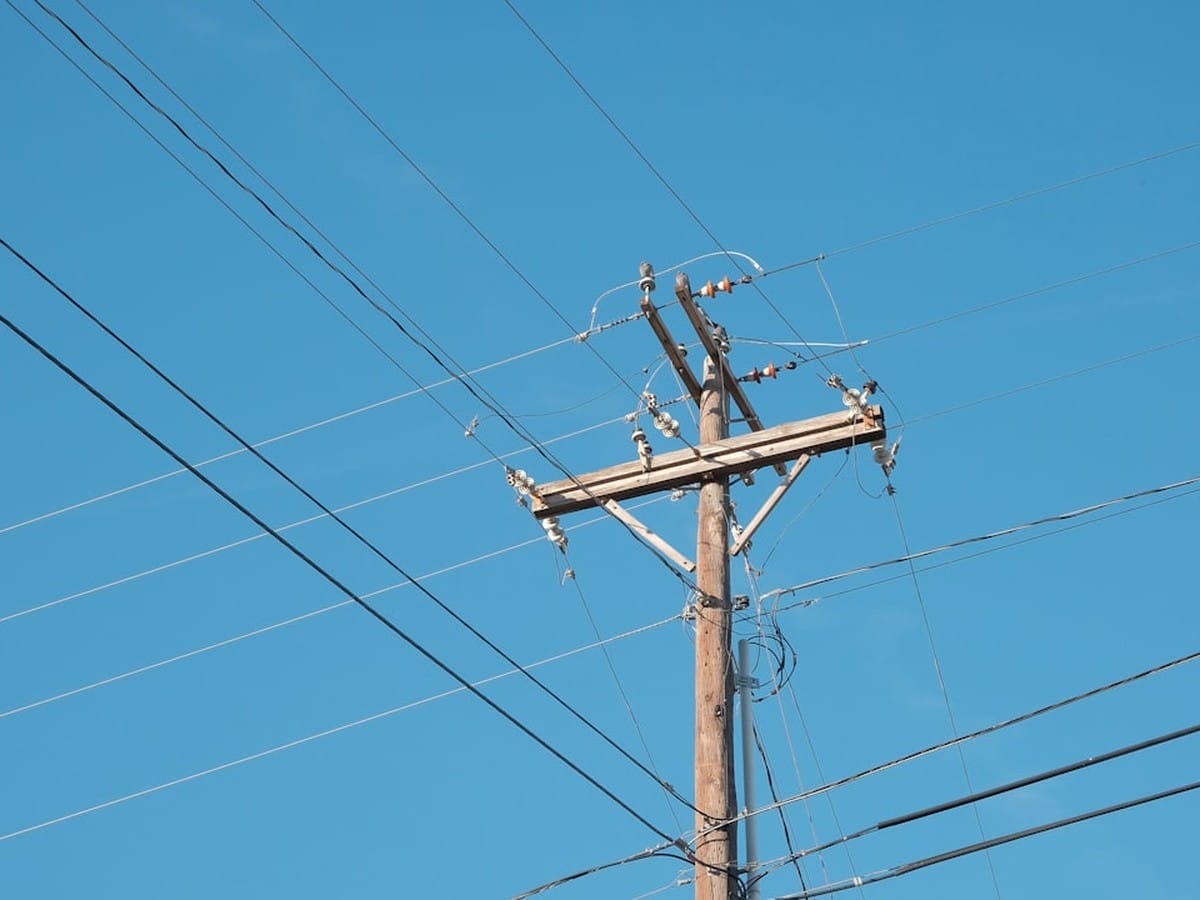
The deregulated Texas market splits your electric service into three parts. Generation companies produce the electricity at power plants, wind farms, and solar sites. Transmission and Distribution Utilities own and maintain the physical grid. Retail Electric Providers (like Ambit Energy) buy wholesale power, package it into a plan, and bill you. According to Constellation (2026), the REP is legally required to add the TDU charge to your bill without markup, which is why these fees are called "pass-through" charges.
The important consumer point for Texas households and small businesses: neither Ambit nor any other REP profits from the delivery line item on your bill. That money flows straight to the TDU that keeps the wires up in your neighborhood.
Who Is My TDU? The 5 Utilities That Deliver Electricity in Texas
Your TDU is determined entirely by your service address, not by the retail provider you pick. According to Quick Electricity (2026), the six major Texas utility zones are Oncor, CenterPoint, TNMP, AEP Central, AEP North, and Lubbock Power & Light. Five of the six sit inside the competitive deregulated market that lets you shop for a REP.
Here is where each one delivers power (rates as of June 1, 2026):
| TDU | Cities and Regions Served | Fixed Monthly Charge | Per-kWh Charge |
|---|---|---|---|
| Oncor | Dallas, Fort Worth, DFW Metroplex | $4.06 | 6.1196 cents |
| CenterPoint | Houston metro and surrounding areas | $4.90 | 5.1461 cents |
| AEP Texas Central | Corpus Christi, McAllen, South Texas | $3.24 | 5.8272 cents |
| AEP Texas North | Abilene, San Angelo, West Texas | $3.24 | 5.6677 cents |
| TNMP | Lewisville, Texas City, Fort Stockton, scattered areas | $7.85 | 6.4665 cents |
| Lubbock Power & Light | Lubbock city grid region | $0.00 | 6.312 cents |
Sources: BKV Energy (2026), Quick Electricity (2026), rates as of June 1, 2026.
According to ElectricRates.org (2026), Oncor alone serves more than 10 million customers across the DFW area and much of North and East Texas, making it by far the largest TDU in the state. If you live in Austin, San Antonio, or another city served by a municipal utility, you are outside the deregulated market entirely and cannot shop REPs.
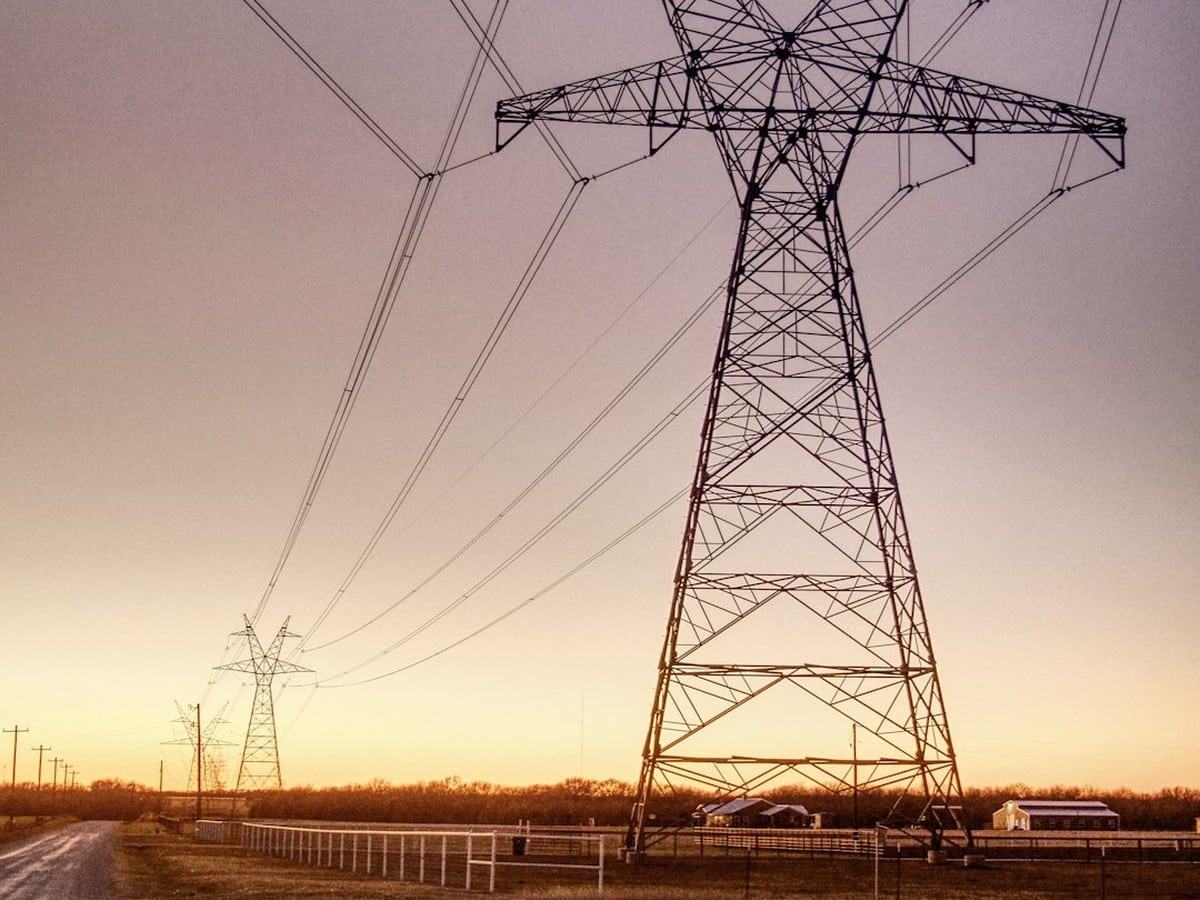
What Are the Current 2026 TDU Delivery Charge Rates?
As of June 1, 2026, all five deregulated Texas TDUs updated their delivery rates after PUCT approval. According to BKV Energy (2026), Oncor rose from 5.6183 cents/kWh in the earlier May 18 rate sheet to 6.1196 cents/kWh on June 1, while the monthly fixed charge actually dropped from $4.23 to $4.06. CenterPoint moved the other direction on the volumetric side: from 4.9715 cents/kWh in May to 5.1461 cents/kWh in June, with the monthly charge holding at $4.90.
AEP Texas Central, AEP Texas North, and TNMP held their rates steady across the same window, according to TXU Energy's May 18, 2026 rate sheet compared to BKV Energy's June 1, 2026 numbers. AEP Central stayed at $3.24 plus 5.8272 cents, AEP North at $3.24 plus 5.6677 cents, and TNMP at $7.85 plus 6.4665 cents.
The bigger story for Oncor customers: according to Oncor (2026), the PUCT approved a comprehensive base-rate case (Docket 58306) on April 17, 2026, driving a typical residential bill about 3 percent higher after all components are combined. The Dallas Morning News (2026) reported that the approved rate hike will directly raise customer bills across the DFW area.
How Are TDU Delivery Charges Calculated?
Your TDU delivery charge is the monthly fixed fee plus the per-kilowatt-hour rate multiplied by every kWh you used. According to Constellation (2026), the PUCT considers four main cost factors when it sets each utility's rate: the Transmission Cost Recovery Factor (building and maintaining transmission lines), the Energy Efficiency Cost Recovery Factor (covering conservation programs), the Accumulated Deferred Federal Income Tax Credit (adjusting for timing differences on tax collection), and Transition Charges (legacy costs from moving to a competitive market in 2002).
For a plain example, take AEP Texas Central at 5.8272 cents/kWh (as of June 1, 2026). If you use 1,200 kWh in a month, the volumetric TDU charge is 1,200 x $0.058272, which is $69.93, plus the $3.24 fixed monthly charge, for a total delivery bill of $73.17. Your retail provider then bills you the energy supply portion on top of that, adds any state and city taxes, and prints it all on the same statement.
TDU delivery charges are typically not subject to Texas state sales tax when applied to residential accounts, though some special assessments and municipal fees do show up on the same line depending on your city.
Worked Example: What Do TDU Charges Add to a 1,000 kWh Bill?
At 1,000 kWh per month (roughly the state average residential usage), here is how the same-size Texas home pays very different total bills depending on which TDU serves it (all rates as of June 1, 2026):
| TDU | Fixed Charge | Volumetric (1,000 kWh) | Total TDU Delivery |
|---|---|---|---|
| Oncor | $4.06 | $61.20 | $65.26 |
| CenterPoint | $4.90 | $51.46 | $56.36 |
| AEP Texas Central | $3.24 | $58.27 | $61.51 |
| AEP Texas North | $3.24 | $56.68 | $59.92 |
| TNMP | $7.85 | $64.67 | $72.52 |

According to Quick Electricity (2026), a realistic Oncor customer paying 10.695 cents/kWh for supply on a 1,000 kWh bill ends up at $172.21 total: $106.95 to the REP for energy, $65.26 to Oncor for delivery, and about $4.06 in the fixed monthly base. That works out to an all-in rate near 17.2 cents/kWh, with the TDU accounting for roughly 38 percent of the total bill.
The percentages shift with usage. A home using only 500 kWh pays a bigger share of the bill to the fixed monthly TDU charge; a home using 2,500 kWh pays a smaller share to fixed and a bigger share to the volumetric rate. According to ElectricRates.org (2026), the statewide TDU-related portion of a typical residential bill lands between 40 and 46 percent when you add fixed and variable components together. For a broader look at how the pieces add up, see our guide to the average Texas electricity bill.
Why Do TDU Delivery Charges Change Twice a Year?
The PUCT resets Texas TDU rates on March 1 and September 1 every year to reflect changes in fuel prices, grid investment, and interim rate adjustments the utilities file. According to Constellation (2026), these bi-annual reviews let the regulator adjust delivery pricing without waiting for a full multi-year base-rate case. When your fixed-rate energy plan bill suddenly moves up or down, the delivery line is almost always where to look first. Our earlier reporting on the June 2026 TDU delivery-charge change walks through what showed up on Texas summer bills.
The bigger, less frequent adjustments come through comprehensive base-rate cases. Oncor filed its most recent case on January 29, 2026 (Docket 58306), and the PUCT approved a final order on April 17, 2026, according to Oncor's official rate case page (2026). CenterPoint has been just as active. According to Click2Houston (2026), CenterPoint filed 10 separate rate requests with the PUC starting in 2025, and nine of them were approved, contributing to the June 2026 CenterPoint volumetric increase.
The demand growth behind these cases is real. ERCOT President and CEO Pablo Vegas has spoken publicly about the pressure new data centers and load growth are putting on the grid, per The Texas Tribune (2025). Joshua Rhodes, a research scientist at the University of Texas at Austin, has cautioned that some of ERCOT's demand forecasts may be aggressive, per the same Tribune reporting. And Doug Lewin, founder of Stoic Energy, has repeatedly criticized ERCOT's forecasting assumptions in the same coverage. Whether or not the growth projections are correct, the TDU capital plans (Oncor announced a $47.5 billion 2026-2030 base capital plan, per Oncor 2026) are already reshaping the delivery rate outlook.
Do Free Nights and Weekends Plans Still Have TDU Delivery Charges?
Yes, TDU delivery charges apply during "free" hours on a free-nights or free-weekends plan. The energy supply portion is what the REP zeroes out during the promotional window; the delivery pass-through keeps ticking regardless of the plan type.
For a household running the dishwasher, laundry, and EV charging on an Oncor free-nights plan, the meter still logs every kWh, and Oncor still bills the REP 6.1196 cents/kWh for those delivered electrons plus the $4.06 monthly fixed charge (as of June 1, 2026). The REP passes that to the customer without markup, then charges zero cents on the energy line for the free-hour usage. On big overnight loads, this still comes out well ahead of a flat-rate plan, but it is not literally free.
If you want to see whether the math on a free-nights plan pencils out for your household, our Free Nights Plan Calculator works through the actual numbers by ZIP code and usage profile.
Why Your Fixed-Rate Bill Fluctuates: The TDU Pass-Through Reality
A fixed-rate REP contract locks in your energy supply rate, not your delivery rate. When a customer signs a 12-month or 24-month fixed-rate plan, that promise applies only to the cents-per-kWh the REP charges for the electricity itself. The TDU portion is regulated separately by the PUCT and can move up or down on the March 1 or September 1 resets during the life of the contract.
According to Constellation (2026), this is why a fixed-rate customer occasionally sees the average price on their Electricity Facts Label move a fraction of a cent between billing cycles. The retail supply rate is holding steady; the delivery pass-through is doing the drifting. It is worth calling out to Texas families who assume "fixed" means the whole bill is locked. It does not. It means the piece the REP controls is locked, which is still a meaningful portion of the bill.
The line-by-line breakdown is right on your statement. Our full walkthrough of every line item is here: How to Read Your Texas Electricity Bill: Every Line Item Explained.
The 4-Lever TDU Offset Playbook
Since you cannot negotiate TDU delivery rates, the practical question for Texas households is how to blunt their impact on your monthly bill. We use a straightforward 4-Lever TDU Offset Playbook with Ambit customers who want to keep their total electric spend manageable:
- Usage Lever. The TDU charges you for every kWh delivered. Cutting 100 kWh a month at Oncor rates (as of June 1, 2026) saves about $6.12 on the delivery line alone before the REP portion is even counted. High-efficiency HVAC, smart thermostats, and tightening the envelope of a Texas home all pull real dollars out of the TDU line every billing cycle.
- Timing Lever. If your household can shift big loads (laundry, dishwasher, EV charging, pool pump) into free-hour windows on a free-nights or free-weekends plan, the REP portion of those kWh drops to zero. The TDU portion still applies, but the total per-kWh rate falls sharply during those hours.
- Plan Lever. REPs offer very different structures: fixed-rate, variable, indexed, prepaid, and bill-credit plans. A bill-credit plan tuned to a household's actual usage band can offset the TDU portion by baking a credit into every bill in the target range. Match the plan type to how the meter actually reads, not to marketing headlines. Our Texas electricity plans guide walks through each plan type in plain language.
- Length Lever. When wholesale power and REP supply rates are running below TDU pace, locking in a longer fixed-rate contract insulates you from the next round of TDU changes for the length of the term. The delivery portion still moves, but your supply rate does not follow.
The right combination depends on the family, the home, and the TDU territory. A Certified VIP Consultant can walk through the plan options in your ZIP code and help you pick the mix that fits.
Frequently Asked Questions
Why are Oncor TDU delivery charges so high?
Oncor covers the largest service territory in Texas (more than 10 million customers, per ElectricRates.org 2026), and the PUCT approved a comprehensive base-rate case in April 2026 that added roughly 3 percent to typical residential bills. Grid expansion for population growth and data center demand is a real driver behind the increase.
How can I avoid TDU delivery charges?
You cannot avoid them completely on a grid-connected home. Every deregulated Texas customer pays their local TDU for delivery. What you can do is reduce total kWh (energy efficiency), shift usage into free-hour windows on the right plan, or install solar-plus-storage that offsets grid draw during the day.
Who has the lowest TDU charges in Texas?
Based on rates as of June 1, 2026 from BKV Energy, CenterPoint (Houston) has the lowest volumetric rate at 5.1461 cents/kWh, while AEP Texas Central and North have the lowest fixed monthly charge at $3.24. TNMP is the most expensive on both counts.
What is the average TDU charge on a Texas electric bill?
On a 1,000 kWh residential bill, TDU delivery typically runs $56 to $73 depending on the utility (rates as of June 1, 2026 per BKV Energy). That is roughly 38 to 46 percent of a typical total bill, based on the Quick Electricity (2026) worked Oncor example and ElectricRates.org (2026) statewide range.
Are TDU delivery charges taxable?
Residential TDU delivery charges are generally not subject to Texas state sales tax on residential accounts, though certain municipal fees and gross receipts assessments can appear on the same line depending on the city.
Do TDU delivery charges apply to solar customers?
Yes, whenever a solar home draws from the grid, the TDU bills for delivery on every imported kWh. Solar buyback plans credit exported kWh against the REP portion of the bill, not against the TDU delivery line.
The Bottom Line for Texas Households
TDU delivery charges are the least glamorous part of a Texas electric bill and the piece nobody can shop away, but they are also the piece most families never look at closely. Knowing the current rate for your utility (Oncor, CenterPoint, AEP, or TNMP), understanding why it moves twice a year, and picking a REP plan that offsets what you cannot control is how a Texas household stays ahead of the delivery-side drift.
If you want a straight look at whether your current plan is working with your TDU or against it, contact a Certified VIP Consultant with your last two bills. We will walk through the delivery line together and match a plan to your actual usage. That is the piece the REP controls, and it is the piece we can move.
Plan details and rates subject to change. Energy facts label available for every Ambit plan. Subject to credit approval. Visit ambitenergy.com for full plan terms.
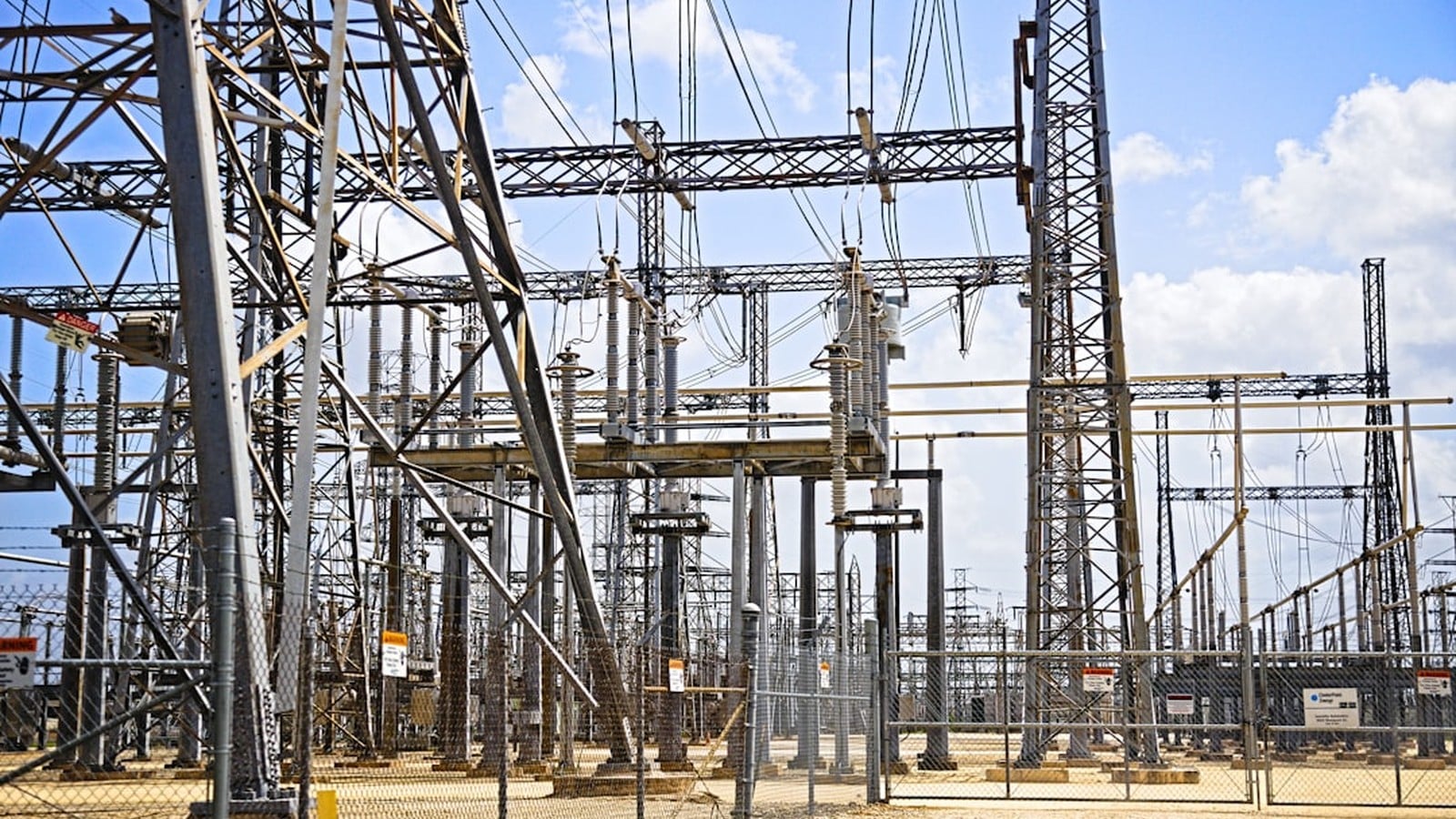
If you live in a deregulated part of Texas, four different players share the job of getting electricity into your home: ERCOT runs the grid, the Public Utility Commission of Texas (PUCT) regulates the market, your Transmission and Distribution Utility (TDU) owns the wires, and your Retail Electric Provider (REP) sells you the plan and sends the bill. Rates and product information referenced here are current as of July 2026.
Key Takeaways
- ERCOT is the Electric Reliability Council of Texas, a nonprofit that manages the state's independent grid. According to the Texas Comptroller (2023), ERCOT serves more than 26 million Texans and covers roughly 90% of the state's electric load.
- Roughly 75% of ERCOT customers can shop for their electricity plan through the deregulated retail market, according to ElectricRates.org (2025). The remaining 25% live in cooperative or municipal utility service areas that opted out of deregulation.
- Power to Choose is the official PUCT-run comparison site for Texas retail electricity plans. It is a starting point, not the last word: the Electricity Facts Label (EFL) is the document that actually tells you what a plan will cost you.
- Switching providers in a deregulated area does not involve a service interruption, a technician visit, or a switching fee. Early termination fees can apply if you break an existing contract.
- Plan details, product availability, pricing, and enrollment are subject to change and credit approval. See the EFL and Terms of Service for full details.
What Is ERCOT?
ERCOT is the Electric Reliability Council of Texas, an independent, membership-based nonprofit organization that operates the electric grid across most of Texas and administers the state's wholesale electricity market. It is not a government agency, and it does not sell electricity or send you a bill. According to the Texas Comptroller (2023), ERCOT manages the flow of electric power to more than 26 million Texans, representing about 90% of the state's electric load, and its service territory covers roughly 75% of Texas by land area (ERCOT Fact Sheet, 2022).
ERCOT is overseen by the Public Utility Commission of Texas (PUCT), which regulates provider licensing, billing practices, and customer protections in the deregulated market, according to ElectricRates.org (2025). In practical terms, ERCOT balances the state's power supply and demand in real time, tracks generation and transmission constraints, and administers the market where power plants sell wholesale electricity that retailers then package into the plans homeowners see on Power to Choose. For a federal view of how competitive wholesale markets like ERCOT function, see the Federal Energy Regulatory Commission's electric power markets page.
Peak demand keeps climbing. According to the Texas Comptroller (2023), ERCOT set an all-time peak demand record of 85,435 megawatts on August 10, 2023. According to the U.S. Energy Information Administration (2025), ERCOT electricity demand reached a record high in the first nine months of 2025 versus the same period in prior years, driven in part by data center growth and heavier summer air-conditioning load. Pablo Vegas, President and CEO of ERCOT, has framed the operator's mandate as delivering reliable and efficient grid operation while enabling the state's ongoing energy transition.
Is Texas Electricity Deregulated?

Yes, most of Texas is deregulated for retail electricity, but not all of it. Deregulation applies inside the ERCOT footprint, which is why you can shop for plans in Houston, Dallas-Fort Worth, Corpus Christi, the Rio Grande Valley, and most of the state's population centers. However, cooperative and municipal utility service areas can remain outside the deregulated market. Austin (Austin Energy), San Antonio (CPS Energy), and many rural co-op areas are examples of places where you cannot shop for a Retail Electric Provider. According to ElectricRates.org (2025), roughly 75% of ERCOT load is served by competitive providers, while about 25% remains in cooperatives and municipal utilities exempt from deregulation.
The simplest way to check your address is to enter your ZIP code into Power to Choose. If plans return, you can shop. If Power to Choose tells you your area is not part of the competitive market, your electricity is supplied by a local co-op or municipal utility instead.
The Four-Layer Texas Electricity Stack
Every deregulated Texas electric bill sits on four separate players. Understanding which one does what makes the rest of this guide easier to follow, and it makes shopping a plan far less confusing.
Layer 1: The Grid, ERCOT. ERCOT operates the physical grid and the wholesale market where generators sell power. It never contacts you directly. Dan Woodfin, Vice President of System Operations at ERCOT, oversees the real-time operations and planning that keep the Texas power system stable. Live grid data and market reports are published on the ERCOT market reports page.
Layer 2: The Regulator, the PUCT. The Public Utility Commission of Texas licenses Retail Electric Providers, enforces consumer-protection rules, and runs the official Power to Choose comparison site. Thomas J. Gleeson, Chairman of the PUCT, and Commissioner Morgan Johnson lead the agency that decides how retail plans must be disclosed to homeowners.
Layer 3: The Wires, your TDU. Your Transmission and Distribution Utility, sometimes called a TDSP, owns the poles, wires, meters, and transformers in your neighborhood. TDUs are still regulated monopolies inside their territory. Oncor covers most of North and West Texas, CenterPoint Energy covers Houston and the surrounding Gulf Coast, AEP Texas covers South Texas and parts of the Panhandle, and Texas-New Mexico Power (TNMP) serves scattered pockets across the state. You do not choose your TDU. Its charges show up on your bill regardless of which provider you use. For a line-by-line walkthrough of where TDU charges land on your bill, see our guide to how to read your Texas electricity bill.
Layer 4: The Retailer, your REP. Your Retail Electric Provider is the company you actually sign up with. It buys wholesale power from the ERCOT market, adds the TDU's delivery costs, applies its own margin and product features, and sends you the bill. Ambit Energy is one example of a REP that sells to Texas homeowners through its VIP Energy Service consultant network.
When something goes wrong, this stack tells you who to call. Outage or downed wire in your yard? That is your TDU. Rate question, bill dispute, or plan change? That is your REP. Broad market question or grid conservation notice? That is ERCOT. Consumer complaint that cannot be resolved with your REP? That is the PUCT.
What Is Power to Choose?

Power to Choose is the official comparison site operated by the Public Utility Commission of Texas where homeowners can filter available REP offers by ZIP code, contract length, and product type. It is the only comparison tool run by the state itself, which is why it is the neutral starting point most Texans use before they enroll.
The site is useful, and it also has a well-known trap: the headline average rate number that shows up in the plan grid is calculated at fixed usage points (usually 500, 1,000, and 2,000 kilowatt-hours per month). If your household does not use exactly that much power in a given month, the rate you actually pay can look nothing like the number that hooked you in the grid view. The way around it is simple: use Power to Choose to build a shortlist, then click through to the Electricity Facts Label on each plan and read the fine print before you pick. For a deeper look at how Power to Choose "average" rates can misrepresent your real cost, see our guide to spotting the cheapest real electricity rates in Texas.
How to Read an Electricity Facts Label (EFL)
The Electricity Facts Label is the standardized disclosure document every Texas REP has to publish for every plan. It is the single most useful piece of paper in this whole process, and it is required by the PUCT to answer four questions in plain language: what the plan costs, how the price is structured, how long the contract runs, and which fees apply if you leave early or use less than expected.
Here is a cheat sheet for reading one:
| Section | What to Check |
|---|---|
| Electricity Price | The average price at 500, 1,000, and 2,000 kWh per month. Match it to your actual usage. |
| Pricing Structure | Fixed, variable, or indexed. Fixed locks the energy charge for the term; variable can change monthly. |
| Contract Term | 6, 12, 24, or 36 months are typical. Note the exact end date. |
| Early Termination Fee | Applies if you leave before the contract ends. Common amounts run $150 to $295. |
| Minimum Usage Fee or Bill Credit | A fee triggered below a usage floor, or a credit that only kicks in above a usage threshold. |
| Renewable Content | The percentage of the plan sourced from renewables. State average shown for comparison. |
If a REP will not hand you an EFL before you enroll, walk away. Under PUCT rules the EFL has to be available up front. For a section-by-section walkthrough on a real plan, see The Real Cost of Free Nights Plans: Reading the EFL Line by Line.
The Main Types of Texas Electricity Plans

Most plans on Power to Choose fall into four buckets. Choosing the right bucket for your household matters more than chasing the single lowest advertised rate.
- Fixed-rate. The energy charge is locked for the contract term. Predictable bills, best for households that dislike surprises. Trade-off: an early termination fee if you move or switch.
- Variable-rate. The energy charge can move month to month. Useful for renters, short-term situations, or people watching the market, but exposes you to summer-price spikes. According to Wikipedia's ERCOT entry, the February 2021 winter storm produced a roughly 34,000 megawatt generation shortfall, which briefly pushed wholesale prices to their statutory cap and squeezed some variable-rate customers hard. For more context, see our guide to fixed-rate vs variable-rate electricity in Texas.
- Free nights or time-of-use. Off-peak hours are billed at a much lower rate, sometimes zero, while on-peak hours are billed higher. Best for households that can shift laundry, dishwashing, and EV charging into the free window. Our free nights plan calculator shows when the math actually works.
- Green or renewable. 100% wind or solar content on the label. Rates are usually competitive with standard fixed plans thanks to how cheap Texas renewables have become. According to ElectricRates.org (2025), the state's generation mix has moved toward roughly 52% natural gas, above 23% wind, and about 8% solar, with wind plus solar combined exceeding 30% of total generation.
How to Switch Electricity Providers in Texas (Step by Step)
Switching in a deregulated area is far simpler than most Texans expect. Nothing gets rewired, no one comes to your house, and your power does not go out.
- Check if your ZIP code is deregulated. Go to Power to Choose, and if you see offers, then you qualify.
- Obtain usage for the last 12 months. This can be done by going to your current REP's customer portal or your bills if you have kWh totals. This is the number you need to compare against EFL price points.
- Create a shortlist. Be sure to set the filters with the desired contract term, plan type, renewable content, and more. Check the EFL of each of your finalists to see the price based on your actual usage, along with the early termination fee and any minimum usage penalties.
- Sign up with the new REP. You will give them your address, the current account number, and the desired start date. The new REP manages the change with your TDU, and everything will be seamless with no interruption to your service.
- Keep an eye on the date. The majority of switches happen within one to two billing cycles. The old REP will provide a final bill for the service period, and the new REP will start billing from the switch date.
To avoid an early termination fee, you should time your switch to your current contract's end date. You can switch right away if your existing plan is month-to-month or already expired to a holdover variable rate. If a no-contract plan fits your situation, our Lone Star Flex month-to-month walkthrough covers how that structure works.
What Happened in 2021 (and Why Plan Choice Still Matters in 2026)
Texas homeowners still recall the Winter Storm Uri event in February 2021 and its impact on ERCOT. As cited in Wikipedia's ERCOT entry, the storm caused about 34,000 megawatts of generation shortfall, due to the freezing temperatures that took out gas production, iced over wind turbines, and caused plants across the state to shut down. Millions of Texans were left without power, and some customers on indexed or wholesale-passthrough plans received sky-high bills.
Since 2021 the state has mandated the weatherization of generators, increased reserve requirements, and made changes to the ancillary services market. The grid's resilience has improved, although the summer peaks continue to set records. Additionally, data center load requests continue to increase (Texas Legislature Online ERCOT update, 2025). For homeowners, the practical lesson remains the same: your plan type is what determines your exposure to the market. Fixed-rate plans shield homeowners from wholesale-price spikes. Indexed and variable-rate plans do the opposite.
Frequently Asked Questions
Is my area deregulated? Enter your ZIP on Power to Choose. If plans appear, you can shop. If not, your service is from a co-op or a municipal utility.
Will my power go out when I switch providers? No. The switch is done behind the scenes between your new REP and your TDU. You will not lose service.
Will I be charged for switching providers or cancelling my contract? If you switch providers, you will not pay a fee to switch. However, if you have a fixed-term contract that has not yet expired, your current REP may charge you an early termination fee that is listed on your EFL, which is usually between $150 and $295.
Can you explain the differences between ERCOT, my utility, and my provider? ERCOT manages the grid and the wholesale market. Your utility (the TDU) owns the wires, and is in charge of outages. Your Retail Electric Provider (REP) sells you the plan at retail and does the billing.
Does Power to Choose show every plan? Power to Choose displays every plan for your ZIP code that is filed by licensed REPs, but individual REPs sell some plans directly through their websites and consultant networks. It is a good idea to check both.
Can I switch providers while I have a contract? Yes, but you will have to pay an early termination fee to your current REP. Many Texans try to time their switch to the last 30 to 60 days of their contract to avoid this.
Finding a Plan You Can Live With
This guide is written for Texas homeowners shopping the deregulated retail market for their household electricity. The Texas deregulated market gives homeowners real leverage, but only if you know which layer you are pulling on. Use Power to Choose as a filter, use the EFL as the source of truth, match the plan type to how your household actually uses power, and time your switch to your contract end date. If you would rather have a local person walk you through the shortlist for your ZIP, our VIP Energy Service consultants live inside the Ambit Energy retail product catalog and can quote you against your actual usage history. Get a personalized quote from a VIP consultant or read how to read your Texas electricity bill line by line to confirm the switch pays off before you enroll.
Product details, availability, pricing, and terms are subject to change. Plan enrollment is subject to credit approval and the plan's Terms of Service and Electricity Facts Label. Rates and product information referenced above are current as of July 2026. Individual earnings and results for Ambit Energy Consultants can vary and are not guaranteed. Statement of Independent Contractor: Ambit Energy Consultants are independent contractors and not employees. Earnings vary; income is not guaranteed.
For Texas homeowners and small businesses shopping electricity plans, here is the fast answer: a typical Texas home uses about 50 to 65 kWh per day in summer, up from the yearly average of roughly 36 kWh per day. In the hottest weeks of July and August, a 2,000 square foot home in Houston or Dallas can push past 70 kWh per day, and central air conditioning drives most of that jump.

Key Takeaways
- The average Texas home uses about 36 kWh per day year-round, according to U.S. Energy Information Administration data on Texas monthly residential consumption (1,096 kWh per month in 2024).
- Summer daily use commonly climbs to 50 to 65 kWh, and August is the peak month.
- Central air conditioning accounts for about 50 to 60 percent of a Texas summer bill in the hottest months.
- The 4 summer months can make up more than half of a Texas home's annual electricity use.
- Home size, insulation, thermostat setpoint, and plan type all move your daily kWh number by a meaningful amount.
What is the average kWh per day for a Texas home in summer?
The average Texas home uses roughly 50 to 65 kWh per day during the summer months. That is a big jump from the year-round Texas average of about 36 kWh per day, and it is well above the U.S. household average of about 28.5 kWh per day.
According to the U.S. Energy Information Administration (2024), the average Texas home used 1,096 kWh per month, which works out to roughly 36 kWh per day on an annualized basis. According to the same EIA dataset (2024), the U.S. residential average was 865 kWh per month, or about 28.5 kWh per day. Texas residents use about 27 percent more electricity than the national household average.
In summer, that Texas baseline rises sharply. Industry data compiled by BKV Energy (2026), citing the City of Austin's Residential Average Monthly kWh dataset, shows Austin summer residential usage frequently exceeds 1,200 kWh per month, while winter usage can fall to about 700 kWh per month. On a daily view, that summer number pencils out to roughly 40 to 50 kWh per day for a mid-size Austin home and 50 to 65+ kWh per day for a larger Houston or Dallas home with heavy air conditioning load.
How does Texas summer daily kWh compare to spring, fall, and winter?
Summer daily use in Texas is typically 60 to 100 percent higher than shoulder-season use. That is a fair rule of thumb across most of the state, and it is why summer bills feel like a different animal entirely.
According to data published by BKV Energy (2026), a typical Texas home uses about 1,750 to 1,900 kWh in August compared with roughly 600 kWh in February. Turn that into a daily view and you get about 56 to 61 kWh per day in August versus about 21 kWh per day in February. That is nearly a 3x difference from the coldest month to the hottest.
Put another way, according to industry usage analyses summarized by BKV Energy and Choose Texas Power (2026), the 4 summer months (June, July, August, September) can account for more than half of a Texas home's annual electricity consumption. That single fact should shape how you think about plan selection, thermostat behavior, and any efficiency upgrade.

What is my summer daily kWh by home size?
Daily kWh use in summer scales with square footage, insulation quality, and the number of AC tons your system carries. A rough Texas rule of thumb runs from about 25 kWh per day for a small apartment to 90+ kWh per day for a large, older home.
The table below shows a working range for a typical Texas home in July or August. Actual numbers vary with insulation, ceiling height, thermostat setpoint, occupancy, pool pumps, EV charging, and plan type.
| Home size | Typical monthly summer kWh | Typical daily summer kWh | Notes |
|---|---|---|---|
| 1 bedroom apartment | 700 to 900 kWh | 23 to 30 kWh | 1 to 1.5 ton AC |
| 2 bedroom apartment | 900 to 1,200 kWh | 30 to 40 kWh | 2 ton AC |
| 1,500 sq ft home | 1,300 to 1,700 kWh | 43 to 57 kWh | 2.5 to 3 ton AC |
| 2,000 sq ft home | 1,600 to 2,100 kWh | 53 to 70 kWh | 3 to 4 ton AC |
| 3,000 sq ft home | 2,100 to 2,800 kWh | 70 to 93 kWh | 4 to 5 ton AC |
| 4,000+ sq ft home | 2,800 to 3,500+ kWh | 93 to 117+ kWh | 5+ ton AC, often 2 systems |
According to BKV Energy (2026), a 2,000 square foot home tracks close to 0.504 kWh per square foot per month on an annual average, so summer months land well above that ratio. If your current daily kWh is far above the range for your square footage, insulation and thermostat behavior are usually the first suspects.
Why is my Texas summer daily kWh so high?
The main culprit is air conditioning, and it is not close. In a Texas summer, cooling can account for the majority of your day's electricity, and the state's climate keeps that load running late into the evening.
According to the U.S. Energy Information Administration (Today in Energy), air conditioning accounts for about 27 percent of home electricity use across an average U.S. year. In Texas, industry usage analyses summarized by BKV Energy (2026) put the summer share of AC at roughly 50 to 60 percent of a Texas household's electricity in July and August. Jupitair HVAC (2025) reports the same range for North Texas homes: AC often uses more than half of total household electricity in the hottest months.
According to central AC load estimates cited by Texas Electricity Ratings (2023), a typical Texas central air conditioning system draws about 3 kWh per hour of active runtime, while a ceiling fan uses about 0.075 kWh per hour. In a hot week, a Texas central AC can easily rack up 20 to 30 kWh in a single day, which is more than an entire small apartment consumes.
The second big factor is home size. According to the U.S. Energy Information Administration Residential Energy Consumption Survey, Texas has one of the largest average home sizes in the country. Bigger homes carry more cooling load, more standby appliance draw, and more lighting.

How does summer daily kWh vary across Texas cities?
Daily summer kWh varies by climate zone, home size mix, and utility territory. Houston homes usually top the state on daily summer kWh; Dallas and San Antonio sit in the mid-range; Austin trends slightly lower on average because of a milder climate profile and a different housing mix.
The table below is a working city view, based on published city-level usage data and industry usage analyses. Use it as a starting point, not a personal target.
| City | Typical summer month kWh | Typical summer day kWh | Primary utility |
|---|---|---|---|
| Houston | 1,300 to 1,900 kWh | 43 to 63 kWh | CenterPoint Energy |
| Dallas | 900 to 1,600 kWh | 30 to 53 kWh | Oncor |
| Fort Worth | 900 to 1,600 kWh | 30 to 53 kWh | Oncor |
| Austin | 1,200 to 1,800 kWh | 40 to 60 kWh | Austin Energy (municipal) |
| San Antonio | 1,200 to 1,800 kWh | 40 to 60 kWh | CPS Energy (municipal) |
| Corpus Christi | 1,100 to 1,700 kWh | 37 to 57 kWh | AEP Texas Central |
According to the City of Austin's Residential Average Monthly kWh dataset (updated 2026), Austin residential use frequently exceeds 1,200 kWh per month in the peak summer window, versus about 700 kWh in the cooler months. Houston, with a hotter, more humid summer profile, typically runs higher on a daily basis.
Note that Austin Energy and CPS Energy are municipal utilities, not ERCOT retail providers, so their customers do not shop plans the same way ERCOT-market customers in Houston and Dallas do.
How do ERCOT peak hours (3 to 7 pm) shape my daily kWh?
ERCOT peak hours run from about 3 pm to 7 pm during summer, and that is when your household load, the grid load, and the price of wholesale power all peak together. Shifting even a few kWh out of that window can meaningfully lower your daily kWh cost and your risk on variable-rate plans.
According to the Electric Reliability Council of Texas (ERCOT) 2026 Summer Weather and Operations Outlook, the grid regularly sees its highest demand between mid-afternoon and early evening in July and August. In prior summers, ERCOT set multiple new all-time peak-demand records above 85,000 MW, driven largely by residential cooling load, per ERCOT's peak-demand records page.
For a Texas home with a 3 to 4 ton central AC and typical evening cooking and laundry patterns, 3 to 7 pm can easily represent 8 to 14 kWh of the day's total usage. That is roughly a quarter of a summer day's kWh concentrated into 4 hours. If you are on a Time-of-Use or Free Nights plan, when you use those kWh matters as much as how many you use.
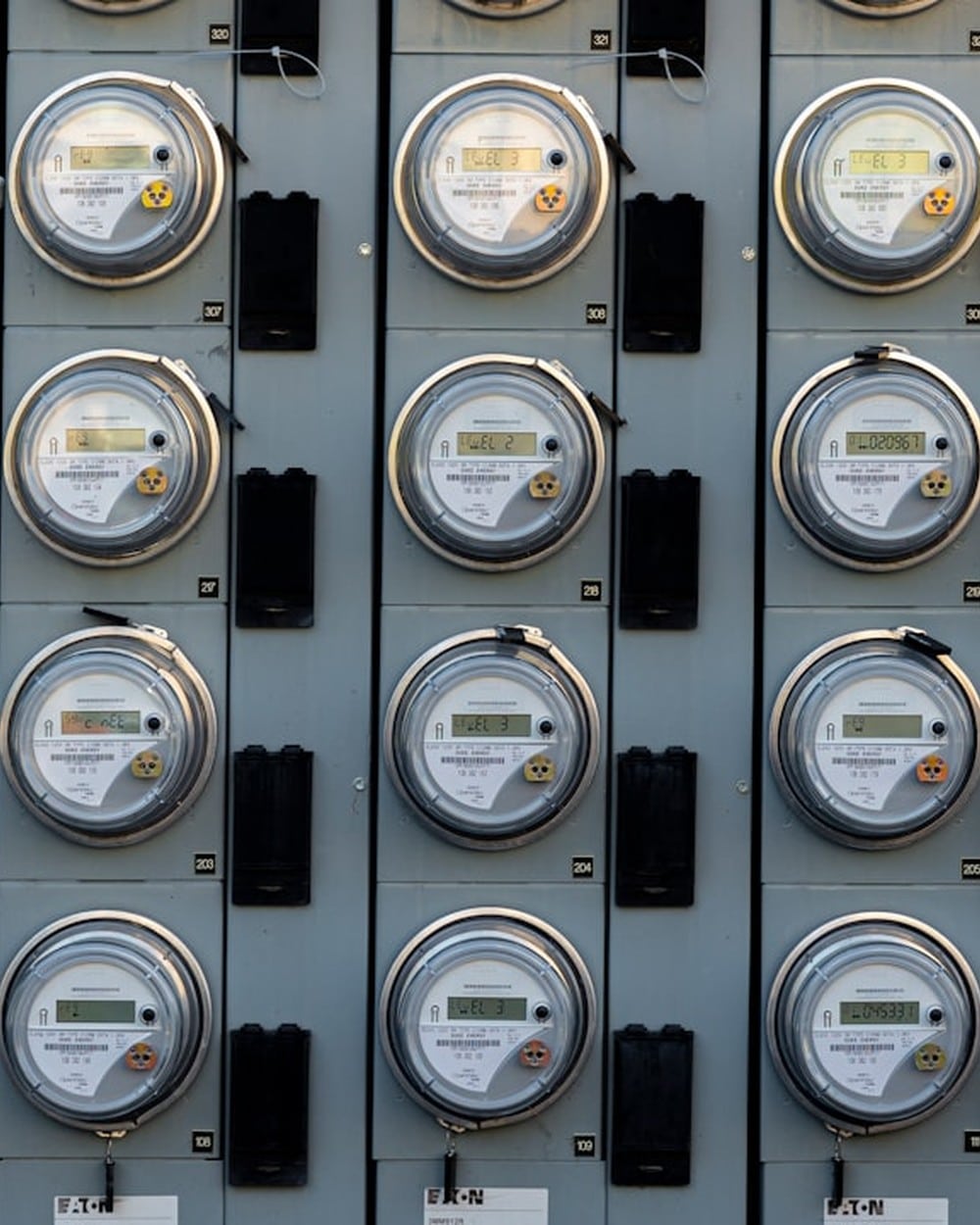
The Ambit Summer kWh Reality Check: is my daily use in a healthy range?
Here is a 6-point diagnostic I use to answer the question every Texas homeowner asks in July: is my daily summer kWh number normal, or am I paying too much? Score yourself on each, then use the plan-fit section below.
- Baseline. Is my whole-year daily average close to 36 kWh per day? If it is above 45 kWh per day year-round, my home has a structural (not seasonal) load problem.
- Peak. Does my August daily use land in the 50 to 70 kWh range for my square footage? Above 90 kWh per day for a 2,000 sq ft home is a red flag.
- Home size. Am I within about 0.55 to 0.85 kWh per square foot per summer month? Above 0.9 usually means insulation, ducting, or AC age.
- AC share. Is roughly 50 to 60 percent of my summer bill going to cooling? Above 70 percent means the AC is oversized, undermaintained, or losing conditioned air.
- Peak hours. Do 3 to 7 pm hours represent 20 to 30 percent of my daily kWh? Above 35 percent is a strong signal to shift laundry, dishwashing, and EV charging off-peak.
- Plan fit. Is my current electricity plan matched to my usage curve (high-usage credits, Free Nights, fixed-rate stability)? If you cannot answer this, you probably have the wrong plan.
If you fail 3 or more of these, your home is almost certainly leaving real money on the table each summer. The next section covers what to do about it.
How can I lower my daily kWh in a Texas summer?
You cannot un-invent August, but you can move your daily kWh down by 15 to 30 percent with a mix of thermostat behavior, small upgrades, and better plan fit. According to Energy Star and Jupitair HVAC (2025), the biggest single-day levers are thermostat setpoint, AC maintenance, and evening load shifting.
- Raise the thermostat to 78 degrees when you are home, and 82 to 84 degrees when you are away. Energy Star's residential guidance treats 78 as the summer efficiency baseline.
- Change or clean the AC filter every 30 days in July and August. A clogged filter can add 5 to 15 percent to AC runtime.
- Close blinds on west and south-facing windows from noon to 7 pm to cut solar heat gain.
- Run the dishwasher, washer, and dryer after 8 pm. If you are on a Free Nights plan, that same load can be nearly free.
- Charge your EV overnight, not during the 3 to 7 pm peak window.
- Add a smart thermostat and set a light pre-cool cycle before 3 pm so the AC coasts through peak hours.
- Seal duct leaks and add attic insulation. Duct losses in Texas attics can be 20 to 30 percent of total AC output.
- Use ceiling fans in occupied rooms. At about 0.075 kWh per hour, a fan lets you raise the setpoint 3 to 4 degrees without losing comfort.
- Swap the last incandescent bulbs to LEDs. LEDs use about 80 percent less electricity per hour of light.
- Cook outside or use the microwave when possible in July and August. A 30-minute oven session can add 2 kWh of heat your AC then has to remove.
For a deeper walk-through of the plan-fit angle, my Ambit team also published a guide on smart thermostats in Texas and how they stack with storage and Free Nights plans.
Which electricity plan fits a high-summer-usage Texas home?
If your summer daily kWh is well above the state average, plan selection is often the highest-return decision you can make in a month. Plan pricing tiers, high-usage bill credits, and Time-of-Use structures are all built around the exact kWh curve you actually run.
Three plan structures usually work best for a high-summer-usage Texas home:
- A fixed-rate plan with a high-usage credit at 1,000 or 2,000 kWh per month. For a home that consistently pushes above 1,500 kWh in July and August, the credit can be worth $30 to $75 in a single month.
- A Free Nights or Time-of-Use plan if your load shifts naturally toward the overnight window (EV charging, laundry, pool pumps, pre-cooling). Free Nights plans can drop the effective cost of overnight kWh close to zero, subject to the day-rate premium disclosed in the plan's EFL.
- A month-to-month flex plan if you are between homes or want the option to switch when a better fixed rate comes along, without an early termination fee.
I built my Ambit Energy plan lineup around exactly those three shapes. Read about fixed-rate vs variable-rate electricity in Texas and which is right for you, or run our Free Nights plan calculator if your daily kWh is heavy on nights and weekends. For a broader tour of plan types, see Texas electricity plans explained: how to pick the right rate plan in 2026. If you want to compare that to a monthly flex option, see no-contract, month-to-month electricity in Texas and how Lone Star Flex works.
Rates and plan terms are current as of July 2026. Plan details vary, an Electricity Facts Label (EFL) is available for every plan, and enrollment is subject to credit approval. Actual savings depend on your usage, weather, and plan selection.
Frequently Asked Questions
Is 50 kWh a day too high for a Texas summer?
No, 50 kWh per day is right in the typical range for a mid-size Texas home in July or August. Above about 70 kWh per day for a 2,000 sq ft home usually means the AC is running longer than it should, insulation is weak, or the plan is not matched to the load.
How many kWh does central AC use per day in Texas?
A typical Texas central AC pulls about 3 kWh per hour of active runtime, per estimates cited by Texas Electricity Ratings (2023). In a hot week that easily adds up to 20 to 30 kWh per day of AC alone, which is why cooling drives about half of a summer bill.
Why does my Texas electric bill spike in August?
August is the peak month for Texas residential electricity use because outdoor temperatures stay high overnight, so the AC never fully rests. Industry usage data compiled by BKV Energy (2026) shows a typical Texas home hits 1,750 to 1,900 kWh in August versus about 600 kWh in February.
How many kWh per day should a 2,000 sq ft Texas home use in summer?
Roughly 53 to 70 kWh per day in July and August. That range covers most 3 to 4 ton central AC setups. Consistent use above about 90 kWh per day for a 2,000 sq ft home is a signal to check insulation, ductwork, and thermostat behavior.
Do Free Nights plans lower my daily kWh cost?
Free Nights plans do not lower the number of kWh your home uses, but they can substantially lower what you pay per kWh on the overnight window. If you can shift laundry, dishwashing, EV charging, and pre-cooling into free-nights hours, the effective daily cost per kWh drops sharply, subject to the day-rate premium disclosed in the plan's EFL.
When are ERCOT peak hours in Texas?
ERCOT peak demand hours run from about 3 pm to 7 pm on hot summer weekdays. Per the ERCOT 2026 Summer Weather and Operations Outlook, that window is when both grid demand and wholesale power prices are highest.
This article is written for Texas homeowners and small businesses shopping electricity plans in the Ambit Brand (household) audience. Ambit Energy Consultants operate as independent contractors under a Statement of Independent Contractor. Earnings vary based on effort, market conditions, and other factors, and no specific income is guaranteed. This article is for general information only and does not constitute financial advice.
This guide is written for Texas households and small businesses shopping electricity plans on the Ambit Brand side.
The average Texas residential electricity bill is $186.21 per month as of July 2026, based on U.S. Energy Information Administration (EIA) data compiled by ChooseTexasPower. That figure blends a statewide average rate of 16.99 cents per kilowatt-hour with the typical Texas household consumption of 1,096 kWh per month. Compared to the national average bill of $163 per month reported by ElectricChoice for July 2026, Texans pay about $23 more each month, even though Texas has a lower per-kWh rate than the U.S. average.
But the state average hides a math problem most Texans never see: on the right plan structure, a home using 2,000 kWh a month can end up paying a LOWER effective rate per kWh than a small apartment using 800 kWh a month. That paradox is the entire point of this guide.
Key Takeaways
- The average Texas residential electricity bill is $186.21 per month at 16.99 cents per kWh as of July 2026 (EIA data via ChooseTexasPower).
- Texas households use about 1,096 kWh per month, roughly 21% above the U.S. average of 903 kWh per month reported by ElectricChoice for July 2026.
- Home size drives the biggest swing: a one-bedroom apartment averages $148 per month while a large home over 2,500 square feet averages $255 per month.
- Bill-credit plans create a "sweet spot" at 1,000 kWh or 2,000 kWh where the effective rate can drop below 15 cents per kWh, but also a "dead zone" where they punish you.
- The largest single lever for lowering your Texas electric bill is matching your PLAN STRUCTURE to your actual monthly kWh, not chasing the lowest advertised rate.
What is the average electric bill in Texas right now?
The average Texas residential electricity bill is $186.21 per month as of July 2026. That number comes from applying the state average residential rate of 16.99 cents per kWh (EIA Electric Power Monthly, cited by ChooseTexasPower on July 17, 2026) to the state average household consumption of 1,096 kWh per month. A second source, ElectricChoice, reports a slightly lower Texas average of $176 per month at 16.18 cents per kWh and 1,088 kWh of consumption for July 2026. Both figures reflect EIA-derived state averages and should be read as reference benchmarks, not as your ceiling or floor.
Commercial electricity in Texas runs on a different curve. Small businesses average $733.97 per month at 8.35 cents per kWh on typical consumption of 8,790 kWh, according to ChooseTexasPower using EIA data. Bulk pricing pulls the commercial rate below residential even though total consumption is roughly 8x higher.
| Texas benchmark (July 2026) | Value |
|---|---|
| Average residential bill | $186.21 per month |
| Average residential rate | 16.99 cents per kWh |
| Average residential consumption | 1,096 kWh per month |
| Average commercial bill | $733.97 per month |
The bill you actually receive depends on three variables: how many kWh your home consumes, which retail plan you signed, and which transmission and distribution utility (TDU) delivers power to your address.
How does the average Texas bill compare to the U.S. average?
Texas ranks 5th highest on ElectricChoice's July 2026 state bill table at $176 per month, behind Hawaii ($203), Connecticut ($195), Alabama ($186), and California ($185). But Texans do not pay the highest per-kWh rate. Texas residents pay 16.18 cents per kWh compared to the national average of 18.05 cents per kWh, so the driver of the higher-than-average bill is consumption, not price.
Texas households consume 1,088 kWh per month against the U.S. average of 903 kWh per month, roughly 21% more. Long, humid summers push air conditioning runtime past six months in most of the state, and the U.S. EIA reports that heating and cooling account for approximately 46% of a typical home's electricity use, with hot-climate states like Texas often exceeding 50%.
The U.S. average electric bill has risen 26% in five years, from $129 per month in 2022 to $163 per month in 2026, per ElectricChoice's July 2026 report. The 2025 to 2026 jump alone was 5.4%, driven mostly by rate increases rather than higher consumption. Grid hardening after Winter Storm Uri, natural gas price volatility, and data center demand growth are the primary contributors to that trend.
How does the average bill vary by home size?
Home size is the single biggest factor in your monthly bill, because square footage drives both HVAC load and lighting load. ChooseTexasPower analyzed 2020 to 2024 marketplace data and combined it with the state 16.99 cents per kWh average to produce the following breakdown:
| Home type | Estimated square footage | Average monthly kWh | Average monthly bill |
|---|---|---|---|
| One-bedroom apartment | Under 800 sq ft | 873 kWh | $148 |
| Two-bedroom apartment | 800 to 1,500 sq ft | 1,046 kWh | $178 |
| Small home | 1,500 to 2,500 sq ft | 1,177 kWh | $200 |
| Large home | 2,500 to 4,000 sq ft | 1,503 kWh | $255 |

TXU Energy's July 2026 apartment breakdown uses a $0.1547 per kWh all-in rate assumption (December 2025 EIA data) and lands in a similar range: studio units at 500 to 650 kWh run $80 to $103; one-bedroom units at 700 to 900 kWh run $111 to $143; two-bedroom units at 1,000 to 1,300 kWh run $159 to $206; three-bedroom apartments at 1,300+ kWh often exceed $206 per month.
The pattern is consistent: every additional 400 to 500 kWh of monthly usage adds roughly $50 to $75 to the bill at typical Texas rates. That linear relationship is exactly what a well-chosen bill-credit or step-rate plan can BREAK, which is why plan structure matters more than headline rate for many Texas homes.
How does the bill vary by Texas city?
The single largest driver of city-to-city bill variation in the deregulated ERCOT market is the TDU delivery charge, which is regulated by the Public Utility Commission of Texas (PUCT) and updated on the first of March and September each year. Delivery charges pass through directly to your bill regardless of which retail electric provider you signed with.
Here are the current TDU delivery costs for the five main Texas utilities at 1,000 kWh of monthly usage, per ChooseTexasPower's July 2026 data:
| Texas TDU | Monthly base charge | Per-kWh usage charge | Total delivery at 1,000 kWh |
|---|---|---|---|
| CenterPoint Energy (Houston area) | $4.90 | 4.99 cents | $54.80 |
| AEP Texas Central and North | $3.24 | 5.9 cents | $62.24 |
| Oncor Electric Delivery (Dallas-Fort Worth) | $4.06 | 6.12 cents | $65.26 |
| Texas-New Mexico Power (TNMP) | $7.85 | 7.24 cents | $80.25 |
At 1,000 kWh the gap between the cheapest TDU (CenterPoint at $54.80) and the most expensive (TNMP at $80.25) is $25.45 per month, or roughly $305 per year, from delivery fees alone. Ambit and every other retail electric provider pass those charges through on top of the energy rate.
Two of the largest Texas cities sit OUTSIDE the deregulated ERCOT retail market. San Antonio is served by CPS Energy, a municipally-owned utility, and Austin is served by Austin Energy, also municipal. Residents in those cities cannot shop retail plans and pay the rates their municipal utility sets. Houston (CenterPoint), Dallas and Fort Worth (Oncor), Corpus Christi and the Rio Grande Valley (AEP Texas), and parts of the Panhandle and East Texas (TNMP) are all deregulated. For the deep dive on how delivery charges appear on your monthly statement, see our companion piece on reading every line item on a Texas electricity bill.
How much does the bill change season to season?
Texas electric bills follow a strong summer curve. TXU Energy's July 2026 guidance notes that "cooling alone can account for over half of a summer electric bill in Texas" because HVAC systems run continuously when outdoor temperatures push past 100°F for weeks at a time. Peak billing months typically run June through September.
For Houston-area homes on CenterPoint, summer bills routinely land in the $230 to $300 range, based on cross-referenced data from multiple Texas retail providers. Dallas-Fort Worth homes on Oncor tend to run slightly higher than Houston in the same square footage, because Oncor's per-kWh delivery charge is 6.12 cents versus CenterPoint's 4.99 cents. Winter bills typically fall 30% to 50% below the summer peak in most of Texas, since electric heating loads are much smaller than cooling loads in the state's mostly moderate winters.
TDU delivery charges themselves change twice a year on March 1 and September 1 under PUCT rulemaking, which is why bills can shift even when your rate and usage are unchanged. Our June 2026 breakdown of the TDU delivery rate update walks through how a mid-year adjustment can push a summer bill up 3% to 6% before you even change a thermostat setting.
Why is my Texas electric bill higher than average?
If your bill is running above $186 per month, one or more of these five factors is usually the cause:
- Home size or occupancy. More square footage and more people mean more cooling load, more laundry cycles, more devices. Top-floor apartments run 10% to 20% higher than middle floors because heat rises and roofs absorb sun.
- Extreme summer heat. Texas air conditioners run 6 to 8 months per year in most of the state. TXU Energy estimates that a 28-degree indoor-to-outdoor temperature difference (72°F inside, 100°F outside) makes the AC unit work "incredibly hard," which shows up directly on the bill.
- Older HVAC or appliances. ENERGY STAR rated appliances use 10% to 50% less energy than comparable non-rated models. An HVAC system older than 12 years is often the single most expensive item in a home's monthly consumption profile.
- TDU territory. A TNMP-served home pays $80.25 in delivery at 1,000 kWh; a CenterPoint-served home pays $54.80. That is a fixed $25 per month spread you cannot escape without moving.
- Plan structure mismatch. This is the one most Texans miss, and it is the one we can fix without changing anything in the home. It deserves its own section.
The high-usage paradox: how big homes can pay less per kWh
Here is the counterintuitive part. In Texas, a 2,500 sq ft home using 2,000 kWh a month can end up paying a LOWER effective rate per kWh than a 700 sq ft apartment using 800 kWh a month, if the larger home is on the right plan structure. That is not a marketing claim. It falls directly out of how retail plans are priced under PUCT rules.
The Usage Tier Math Framework
Every plan in the Texas deregulated market must publish an Electricity Facts Label (EFL) that discloses the AVERAGE PRICE PER KWH at three usage levels: 500 kWh, 1,000 kWh, and 2,000 kWh. That requirement comes from PUCT Substantive Rule §25.475. The three numbers on an EFL tell you the plan's structure. Depending on your monthly kWh, your home lands in one of four zones:
- The Anchor Zone (500 to 1,000 kWh): studios and one-bedroom apartments. Effective rate is set by the 500 or 1,000 kWh EFL price.
- The Dead Zone (1,001 to 1,499 kWh): the trap. Small homes and larger apartments that consume ABOVE a bill-credit threshold but not ENOUGH to hit the next one. The average per-kWh rate spikes here.
- The Sweet Spot (right at 1,000 or right at 2,000 kWh): the discount tier. Bill credits fire and the average rate drops sharply.
- The Ceiling Zone (2,000+ kWh): larger homes on well-structured bill-credit or step-rate plans. The 2,000 kWh price can drop below the 1,000 kWh price and even below what an apartment pays at 500 kWh.

Real EFL data shows how sharp the swings can be. A representative bill-credit plan on the Texas market (Discount Power's Bill Credit Bundle 24 EFL, cited by industry analysts) posts these three prices: 26.9 cents per kWh at 500 kWh, 14.1 cents per kWh at 1,000 kWh, and 20.1 cents per kWh at 2,000 kWh. Read that carefully. A home using exactly 1,000 kWh pays half the effective rate that a home using 500 kWh pays on the SAME plan. Then the rate climbs back up at 2,000 kWh because the flat credit gets diluted across more usage. This is the "cliff and slope" that most electricity shoppers never notice.
How does a bill-credit plan actually work?
A bill-credit plan applies a flat dollar credit (usually $30 to $100) when your monthly usage hits a specific threshold, most often 1,000 or 2,000 kWh. If you finish the billing cycle at 999 kWh, no credit. If you finish at 1,000 kWh, the full credit lands on the bill.
The mechanic matters because the credit is a FLAT SUM, not a per-kWh discount. A $100 credit at the 1,000 kWh threshold effectively reprices your last kWh from about 14 cents to negative 10 cents. Averaged across the whole bill, it drops your all-in per-kWh rate by 10 cents. But if you land at 1,499 kWh, that same $100 credit is now spread across 500 additional un-credited kWh, and your average rate climbs by 3 to 5 cents per kWh from the sweet-spot minimum.
Providers currently offering bill-credit plans in Texas as of July 2026 include Discount Power (Bill Credit Bundle series), Gexa Energy (Usage Credit line), Just Energy (Mega Saver), and several others. Reliant markets a different structure: Truly Free Nights and Truly Free Weekends plans, which give away specific time windows and price the remaining hours higher. Ambit's Lone Star Classic is a fixed-rate structure that trades sweet-spot discounts for price stability across every usage level.
How do I read an EFL to spot the right plan?
The EFL is a two-page PDF that every REP must give you before you sign, per PUCT Substantive Rule §25.475. Skip to the average price table. The three numbers (500, 1,000, and 2,000 kWh) reveal the plan's structure:
- Nearly identical across all three: fixed-rate plan. Predictable. No sweet spot, no dead zone. Best for homes with steady month-over-month kWh.
- Sharp drop between 500 and 1,000 kWh, then climbs back at 2,000 kWh: bill-credit plan with a 1,000 kWh threshold. Best for homes that reliably hit 1,000 to 1,200 kWh every month, worst for homes that bounce between 900 and 1,500 kWh.
- Sharp drop between 1,000 and 2,000 kWh: bill-credit plan with a 2,000 kWh threshold. Best for large homes that regularly clear 2,000 kWh in summer.
- Lowest price at 2,000 kWh, higher at 500: step-rate or free-nights plan. Best for homes with shiftable load (EVs, laundry, pool pumps) and enough total usage.
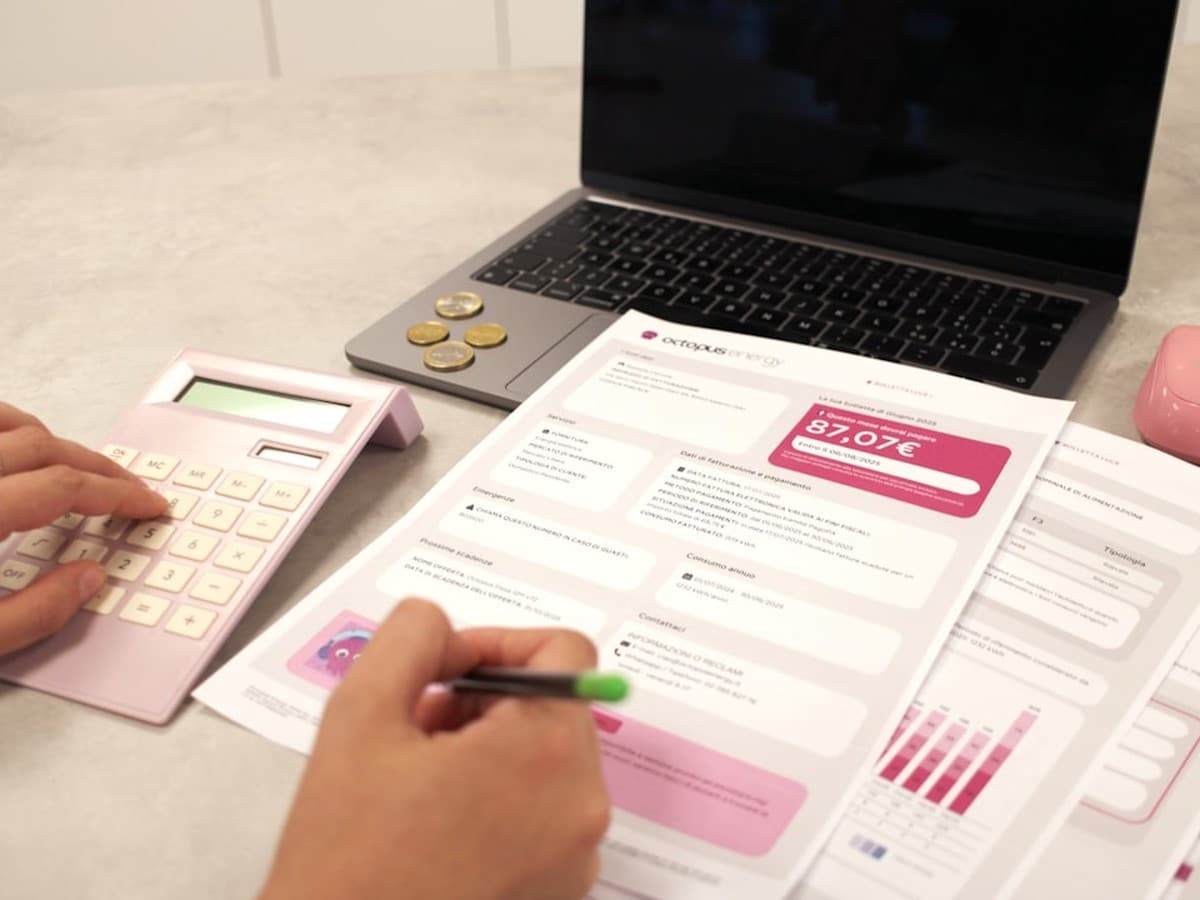
For a deeper walkthrough of exactly how EFL pricing works line by line, our real cost of free nights plans guide deconstructs the EFL for the two most confusing plan types on the Texas market.
What about Ambit's Lone Star Classic and Lone Star Flex plans?
Ambit Energy has been serving Texas homes and small businesses since 2006, and offers two main residential structures. Lone Star Classic is a fixed-rate plan that locks the energy charge for the term of the contract, insulating you from the summer rate spikes that variable-rate plans see in ERCOT scarcity events. Lone Star Flex is a month-to-month plan with no early termination fee, priced higher than Classic in exchange for full flexibility.
Neither Ambit plan uses a bill-credit sweet spot. Both are structured for households that want a predictable per-kWh number every month, so the "dead zone" trap does not apply. Our fixed-rate versus variable-rate guide walks through which household usage patterns favor each structure, and our month-to-month plan explainer covers when Lone Star Flex actually makes financial sense despite the higher rate. Plan details and rates subject to change; energy facts label available at vipenergyservice.com; subject to credit approval.
The 6-Step Rate Rescue Plan
Use this framework once a year, ideally in April or May before summer peak, to make sure your plan structure still matches your household's actual consumption:
- Pull your last 12 monthly kWh totals from your online account or paper bills. Do not use dollars; use kWh.
- Compute your average monthly kWh. This is your primary usage anchor.
- Compute your kWh range (min month to max month). This tells you how far you swing between winter low and summer high.
- Identify your Usage Zone. Under 900 kWh average and you are in the Anchor Zone. Between 900 and 1,500 kWh and you are dangerously close to the Dead Zone. Between 1,500 and 2,000 kWh you are approaching the Ceiling Zone. Over 2,000 kWh you are firmly in the Ceiling Zone.
- Compare EFLs at YOUR average usage level, not at the advertised price. Every REP posts EFLs on Power to Choose or their own site.
- Watch the Dead Zone. If ANY month in your 12-month range falls between 1,001 and 1,499 kWh, avoid plans with a bill credit that fires at exactly 1,000 kWh. The month you fall short will erase the discount from all the months you hit it.
Common mistakes that make high-usage Texas homes overpay
- The 1,000 kWh trap. Shopping by the advertised 1,000 kWh headline rate when your actual usage is 1,500 or 2,500 kWh per month. The effective rate at your real usage is often 5 to 8 cents per kWh higher.
- Ignoring the TDU pass-through. Delivery charges are set by the utility, not the retail provider. Comparing a CenterPoint plan to an Oncor plan on rate alone misses a $25 per month spread.
- Overestimating your free-hours shift. Reliant's Truly Free Nights plan assumes roughly 32% of usage happens overnight to hit the advertised rate. If you cannot actually shift laundry, dishwasher, and EV charging to those hours, the daytime rate hurts.
- Auto-renewing on a variable rate. When a fixed-rate contract expires, most REPs roll customers onto a month-to-month product priced 20% to 40% higher. Set a calendar reminder 30 days before your contract end date.
- Skipping the ETF math. Early termination fees range from $150 to $500. Sometimes the savings from switching outweigh the fee; sometimes they do not. Compute both.
Frequently Asked Questions
What is the average electric bill for a 2,000 sq ft house in Texas?
A 2,000 sq ft home in Texas averages around 1,177 kWh per month and a bill of $200 based on ChooseTexasPower's marketplace data at the state 16.99 cents per kWh average rate as of July 2026. Summer months in this size home commonly run 30% to 50% higher than the 12-month average.
What is a normal electric bill in Houston?
Houston homes on CenterPoint average around $180 per month across the year, per multiple 2026 Texas retail data sources, with summer bills routinely reaching $230 to $300 for 2,000+ sq ft homes. Houston's lower TDU delivery rate ($54.80 at 1,000 kWh) partially offsets its higher summer consumption compared to other Texas metros.
Why is my Texas electric bill higher in summer?
Air conditioning is the single largest driver. HVAC accounts for approximately 46% of a typical home's electricity use per U.S. EIA data, and can exceed 50% in Texas summers when temperatures push past 100°F for weeks at a time. Longer AC runtime, ceiling fans left on in empty rooms, and heat-generating appliances used during peak-heat afternoons all compound the effect.
Are bill-credit plans worth it in Texas?
Only if your usage reliably matches the credit threshold. If you consistently use 1,000 to 1,200 kWh per month and pick a plan with a $100 credit at 1,000 kWh, the effective rate can drop below 15 cents per kWh. If you swing between 800 and 1,500 kWh, the months you miss the threshold cancel the discount from the months you hit it. Fixed-rate plans are usually the safer choice for high-variance homes.
How can I lower my Texas electric bill without moving?
Two levers: cut kWh or cut per-kWh rate. Programmable thermostats save around $50 per year according to ElectricChoice; LED bulbs use 75% less energy than incandescents; sealing air leaks around windows and doors cuts HVAC waste by 10% to 20%. On the rate side, comparing EFLs at your actual usage level and switching plans is the fastest lever, and it usually beats appliance upgrades for immediate impact.
Shop Plans That Match Your Actual Usage
Knowing that the Texas average is $186 per month does not lower your bill. Knowing your OWN kWh average, comparing plans at that level, and picking a structure that puts you in the Sweet Spot instead of the Dead Zone does. Ambit Energy has offered Texas homes fixed-rate stability and consultant-led service since 2006. If you want help matching a plan to your usage pattern, request a quote with your ZIP code and a copy of your last bill, and we will run the EFL math with you.
Disclosures
Rate figures are as of July 2026 and reflect published EIA and Texas TDU data. Plan details and rates subject to change. Energy facts label available at vipenergyservice.com. Subject to credit approval. Ambit Energy also provides a home-based business opportunity for people interested on the consulting side; income varies, and past results do not guarantee future income. Average earnings information can be found in Ambit's Statement of Independent Contractor Earnings.


